Acta De Asamblea Ejidal Formato In Sacramento
Description

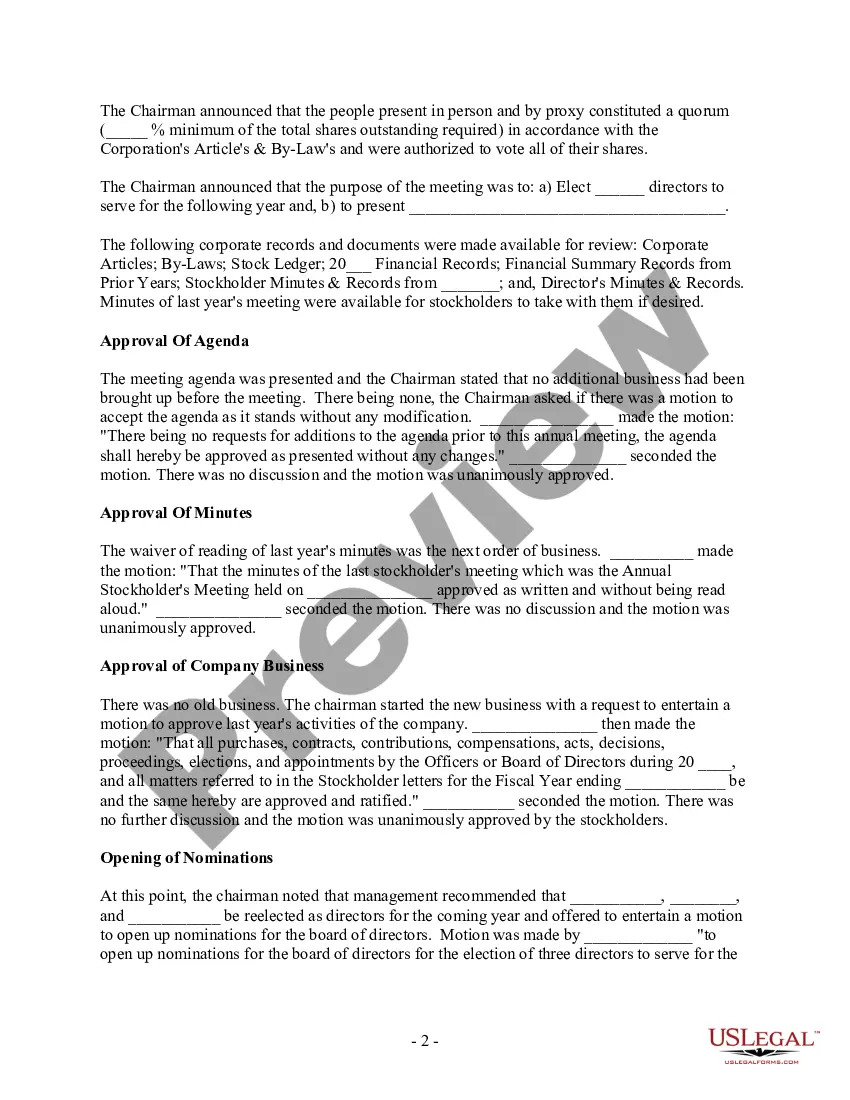
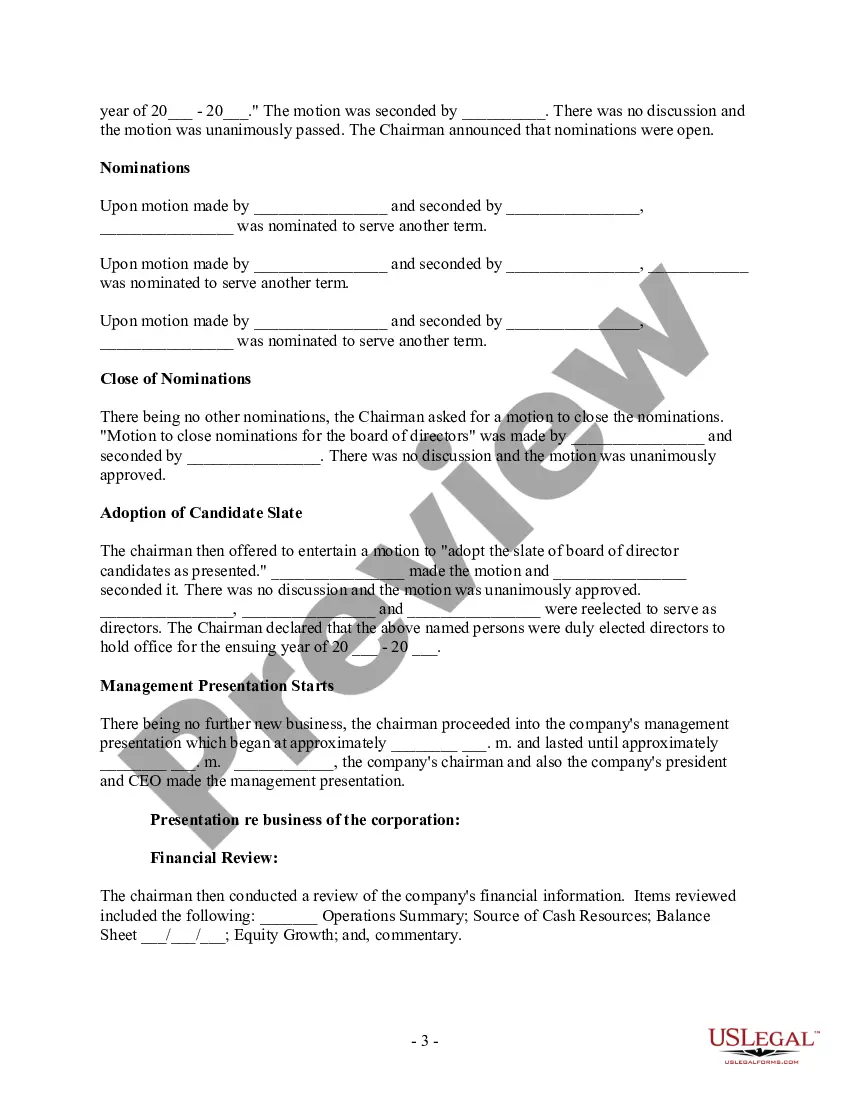
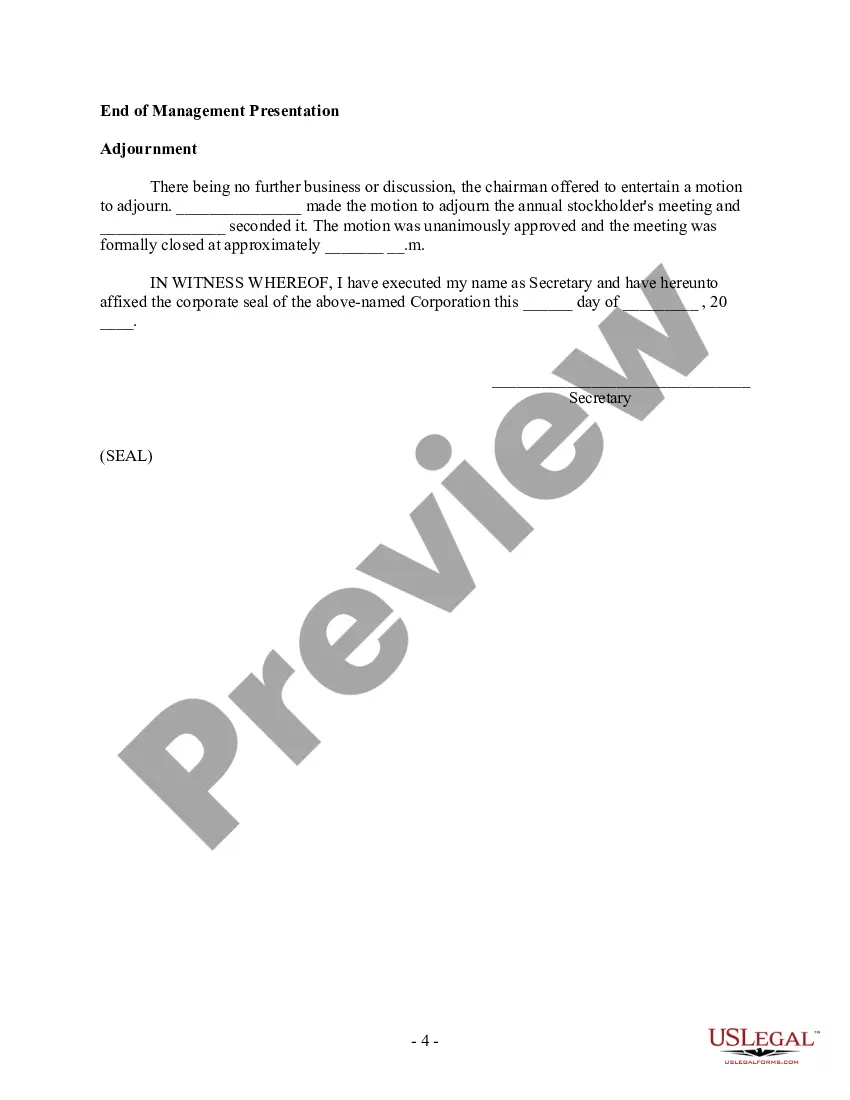

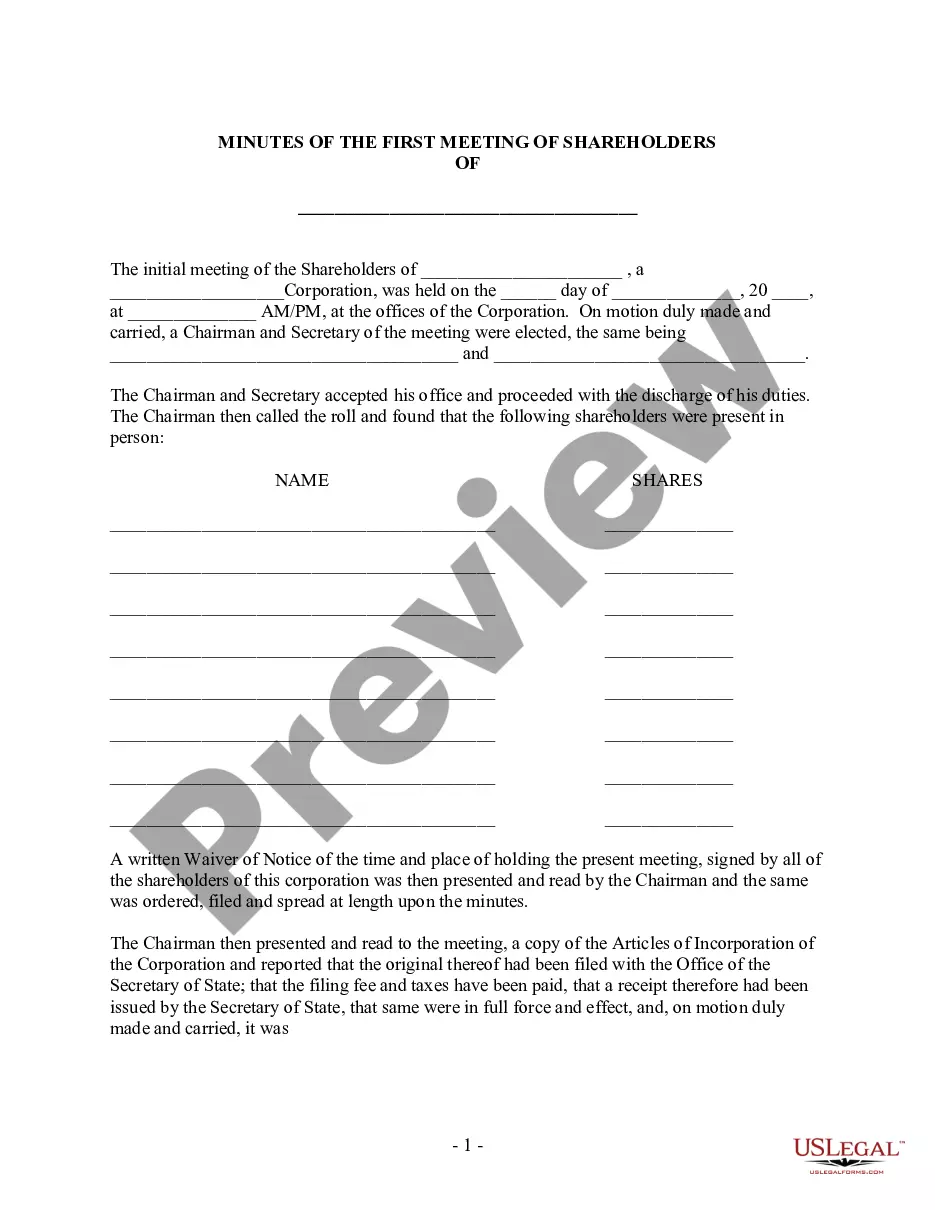

Get your form ready online
Our built-in tools help you complete, sign, share, and store your documents in one place.
Make edits, fill in missing information, and update formatting in US Legal Forms—just like you would in MS Word.
Download a copy, print it, send it by email, or mail it via USPS—whatever works best for your next step.
Sign and collect signatures with our SignNow integration. Send to multiple recipients, set reminders, and more. Go Premium to unlock E-Sign.
If this form requires notarization, complete it online through a secure video call—no need to meet a notary in person or wait for an appointment.
We protect your documents and personal data by following strict security and privacy standards.

Make edits, fill in missing information, and update formatting in US Legal Forms—just like you would in MS Word.

Download a copy, print it, send it by email, or mail it via USPS—whatever works best for your next step.

Sign and collect signatures with our SignNow integration. Send to multiple recipients, set reminders, and more. Go Premium to unlock E-Sign.

If this form requires notarization, complete it online through a secure video call—no need to meet a notary in person or wait for an appointment.

We protect your documents and personal data by following strict security and privacy standards.
Looking for another form?

Form popularity
FAQ
If the case information is not available online, you can contact the court clerk or go to the court to ask for information about the case. A clerk may be able to tell you basic information over the phone, like when a court date is scheduled or if something has been filed.
The purpose of the Public Case Access System is to provide the ability to research and locate Superior Court of California, County of Sacramento cases on a particular individual or a case number. The Public Case Access System provides you with the ability to search for cases by name, case number, or filing date.
Go to the Civil Records Unit in the Gordon D. Schaber Sacramento County Courthouse Room 102, or call the Civil Records Unit at 916-874-7186. Most civil court files are public records and may be viewed by anyone. To see a court file, you must present valid picture identification, such as a current driver's license.