Stockholder Meeting For Agm In Pennsylvania
Description
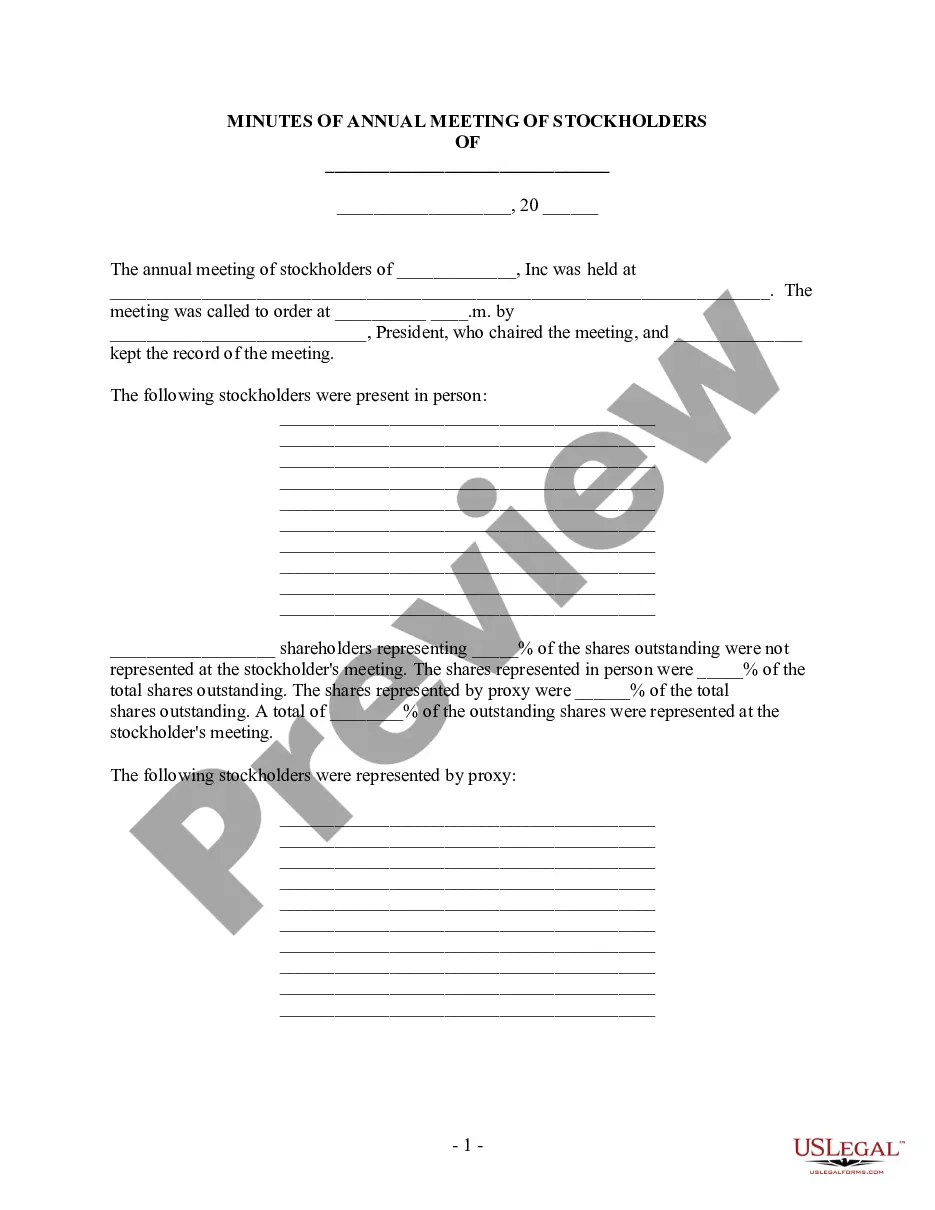
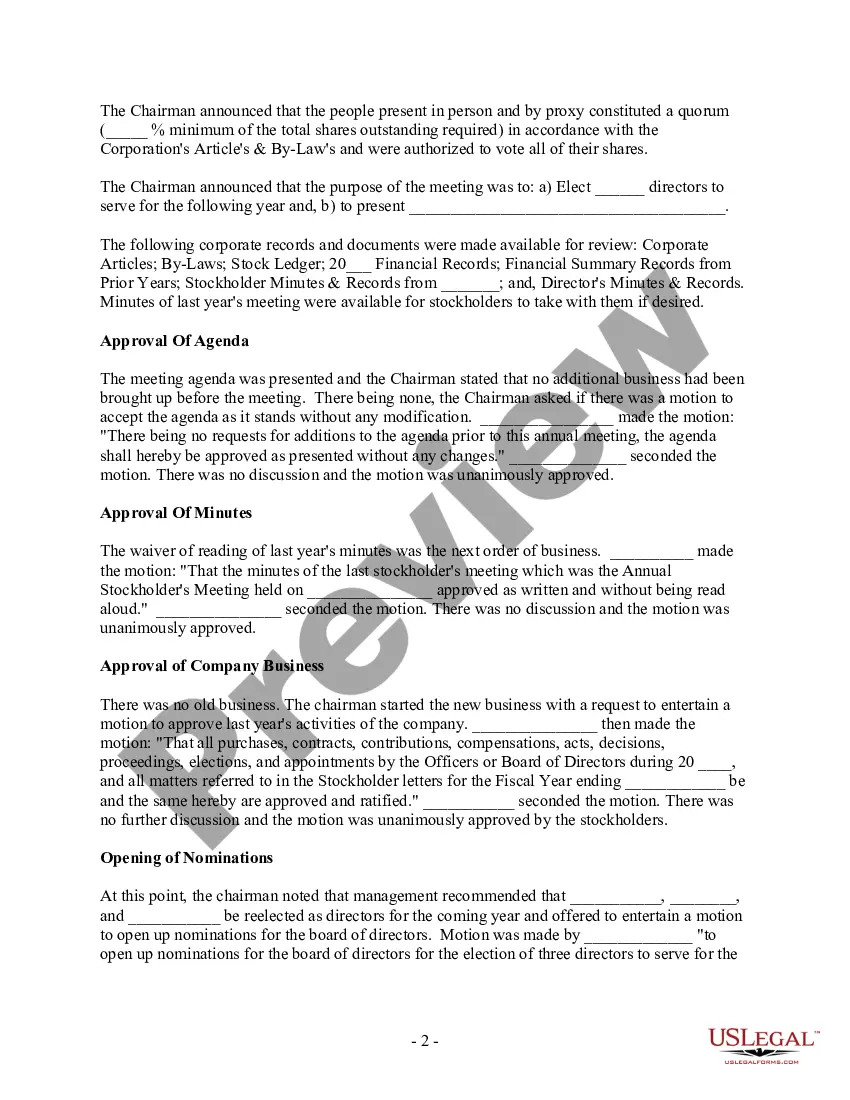
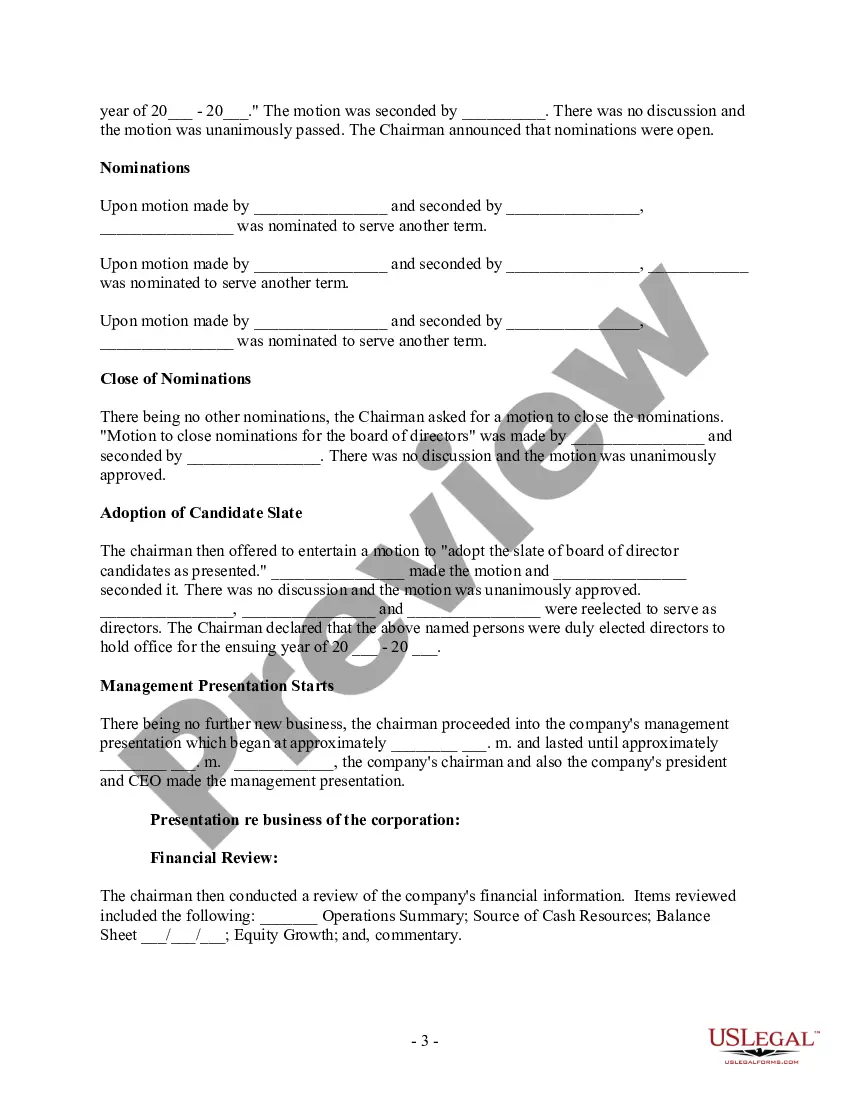
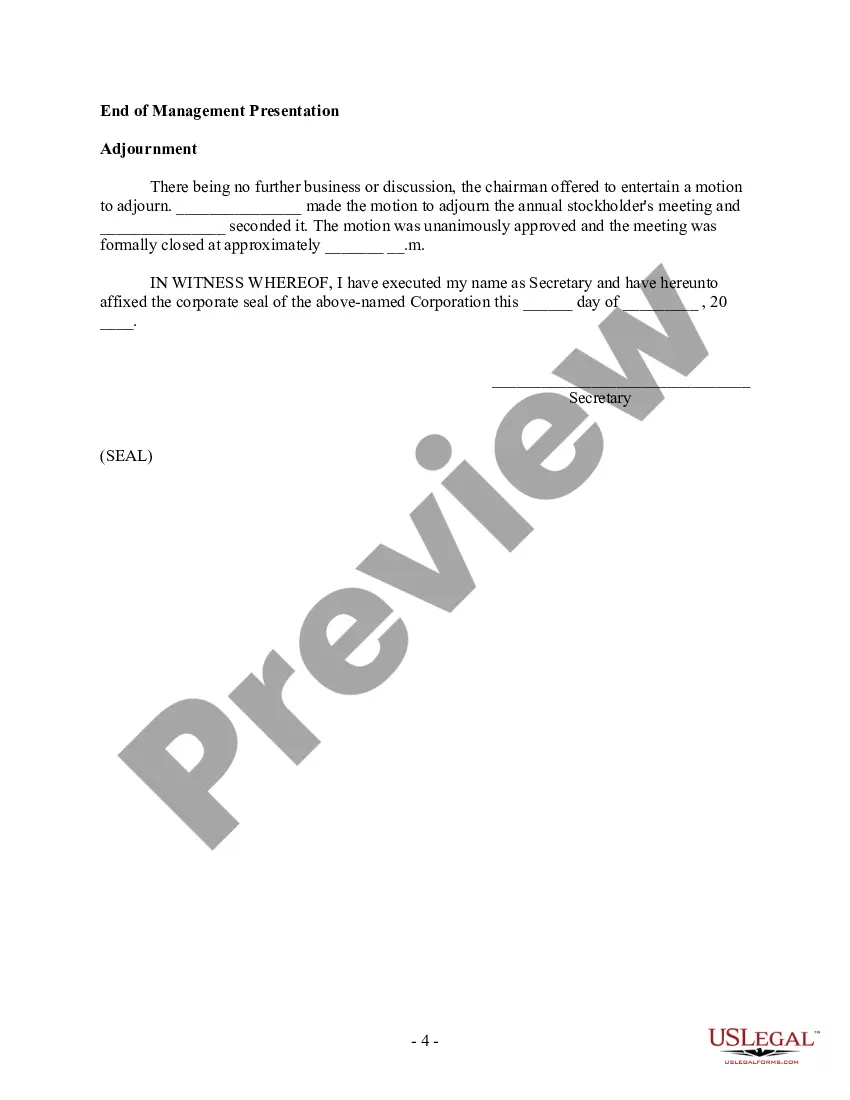
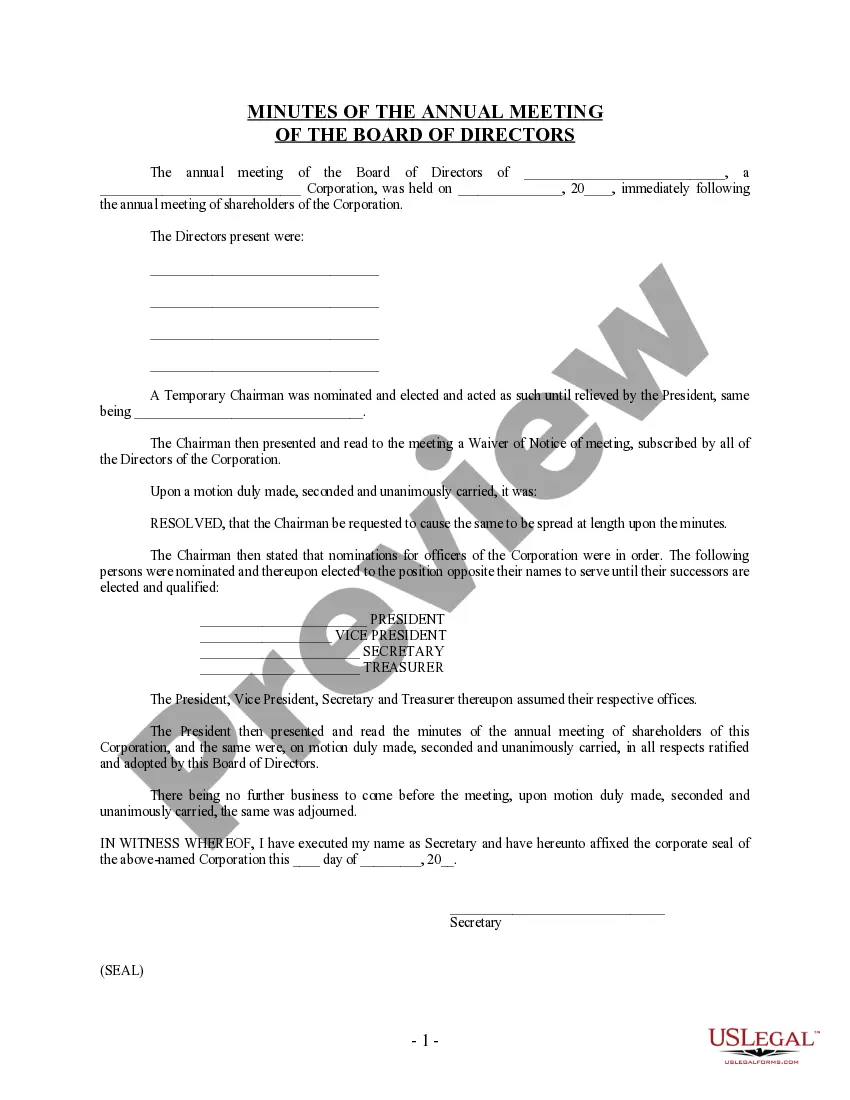
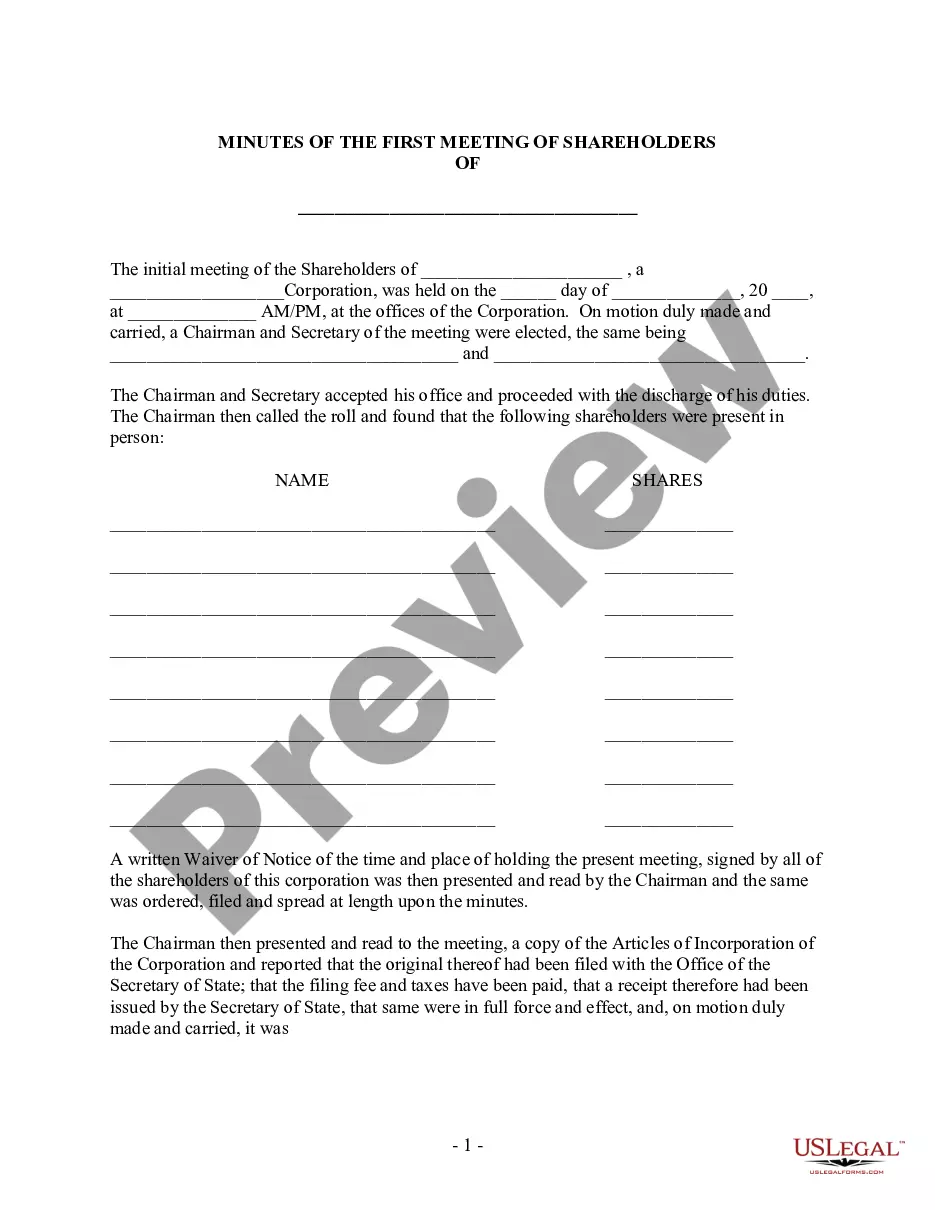
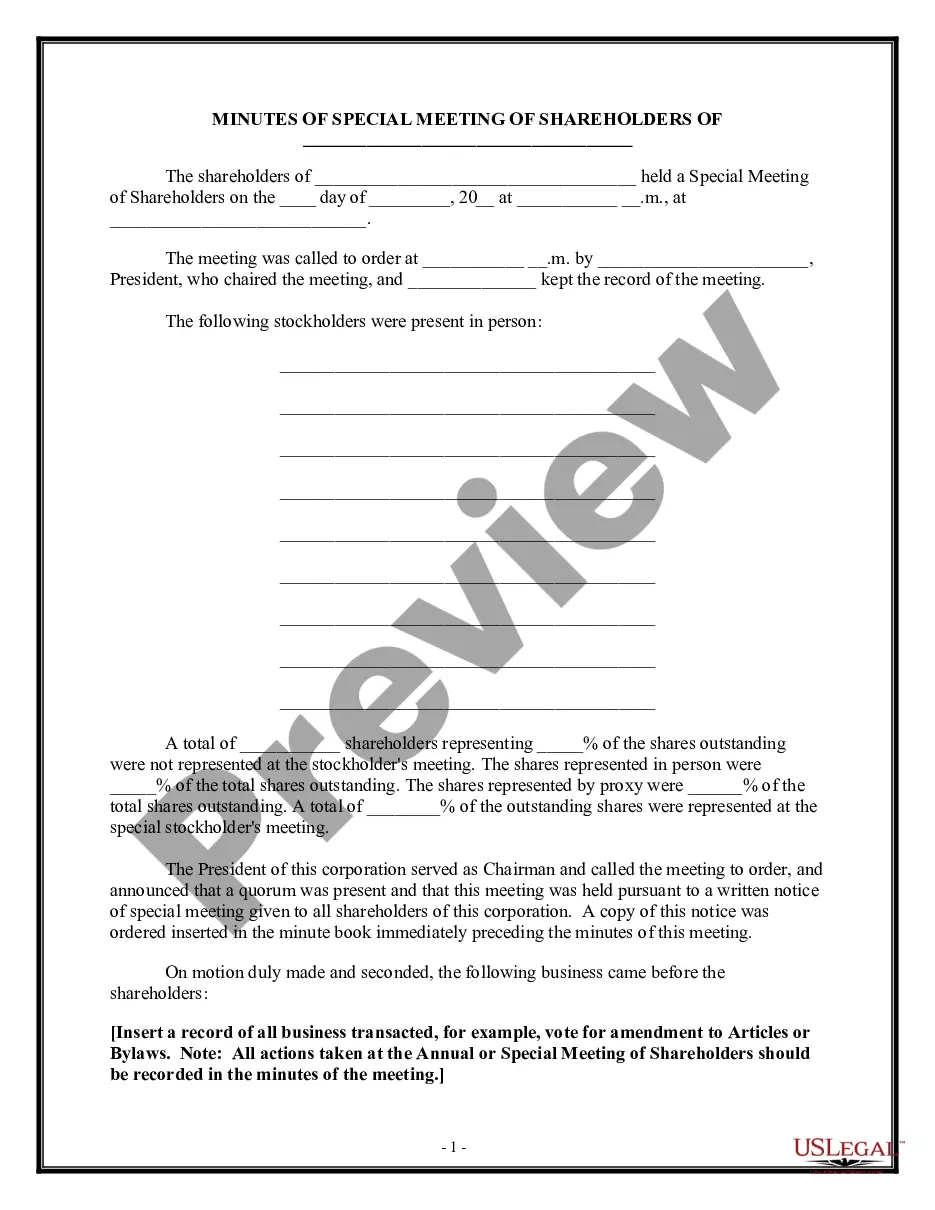
Get your form ready online
Our built-in tools help you complete, sign, share, and store your documents in one place.
Make edits, fill in missing information, and update formatting in US Legal Forms—just like you would in MS Word.
Download a copy, print it, send it by email, or mail it via USPS—whatever works best for your next step.
Sign and collect signatures with our SignNow integration. Send to multiple recipients, set reminders, and more. Go Premium to unlock E-Sign.
If this form requires notarization, complete it online through a secure video call—no need to meet a notary in person or wait for an appointment.
We protect your documents and personal data by following strict security and privacy standards.

Make edits, fill in missing information, and update formatting in US Legal Forms—just like you would in MS Word.

Download a copy, print it, send it by email, or mail it via USPS—whatever works best for your next step.

Sign and collect signatures with our SignNow integration. Send to multiple recipients, set reminders, and more. Go Premium to unlock E-Sign.

If this form requires notarization, complete it online through a secure video call—no need to meet a notary in person or wait for an appointment.

We protect your documents and personal data by following strict security and privacy standards.
Looking for another form?
Form popularity
FAQ
General meetings are formal meetings of a company's shareholders or guarantors (aka its members). These meetings are optional for private companies but compulsory for public companies.
An AGM meeting, also known as an 'Annual General Meeting', or simply 'AGM', is an instrumental meeting in which all of the shareholders of an organisation meet and discuss aspects of the company. Several key activities take place, and this is the primary event through which companies engage in the democratic process.
Every company should have an Annual General Meeting (AGM) in ance with legislation and/or in line with the company constitution (Articles of Association and Memoranda). However, shareholders can request that the directors call a general meeting at any time.
What happens at an annual general meeting? During an AGM, a company's performance is analysed and its future strategy is discussed. This is an opportunity for shareholders to question the board, get answers for unsatisfactory performance and challenge them on the direction of the company.
A shareholders' meeting is a meeting held by the shareholders of a company to discuss the arrangements of the company or to vote in the election of board members.
An AGM is a mandatory annual meeting of shareholders. At the AGM, your company will present its financial statements (also known as "accounts") before the shareholders (also known as "members") so that they can raise any queries regarding the financial position of the company.
Special meetings of the shareholders may be called for any purpose or purposes, at any time, by the Chief Executive Officer; by the Chief Financial Officer; by the Board or any two or more members thereof; or by one or more shareholders holding not less than 10% of the voting power of all shares of the corporation ...
Sometimes it may not be practical to attend an AGM because of the time and distance involved in relation to one's stake. Stakeholders may vote by "proxy". A proxy is a "substitute", i.e. you are authorizing someone of your choosing to vote on your behalf.
Yes and no. In most cases, they are not unless the company's articles of association state that they are (the model articles do not state this). However, a general meeting is compulsory if the removal of a company director or an auditor is being discussed.
(i) Date, time and place of meeting; (ii) Purpose of the meeting; (iii) Notice of any special business to be conducted; (iv) Nature of special business in sufficient details; (v) The text of any special resolution or by-law to be submitted to the meeting; and (vi) Any additional details required by the by-laws or ...