Writing Minutes For Meetings In Massachusetts
Description







Form popularity
FAQ
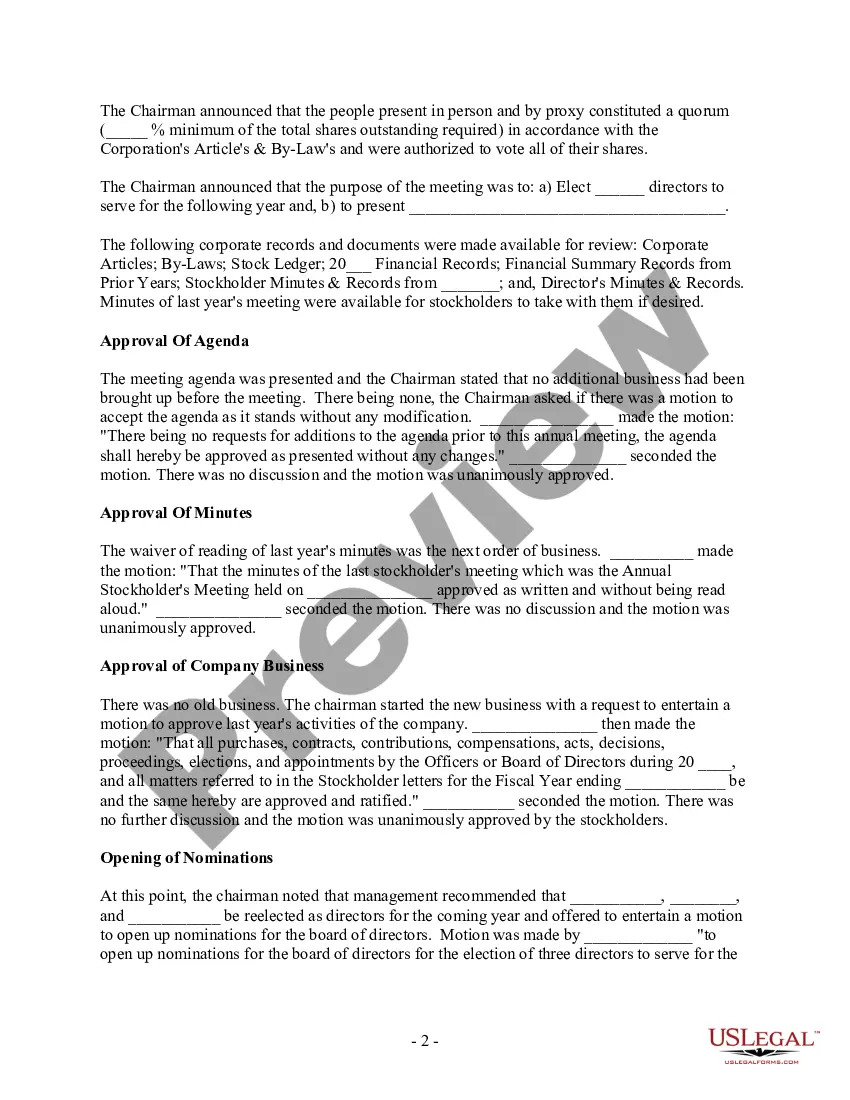
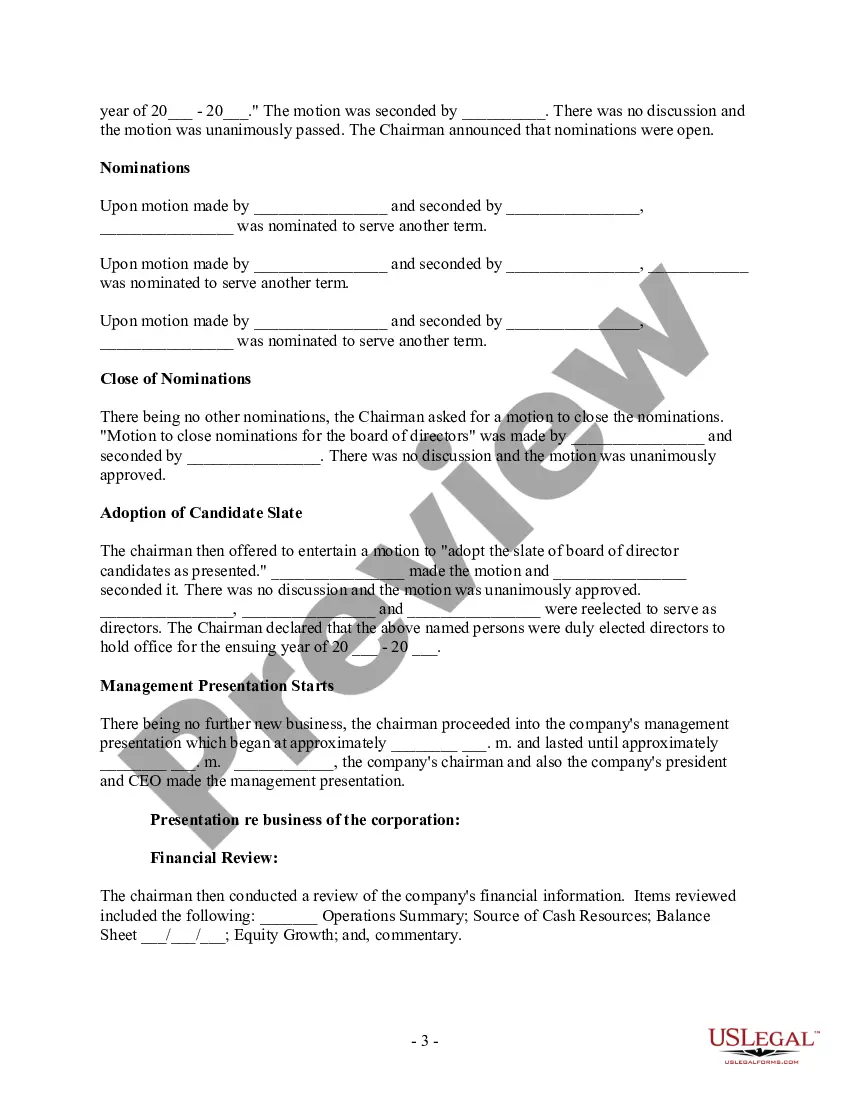
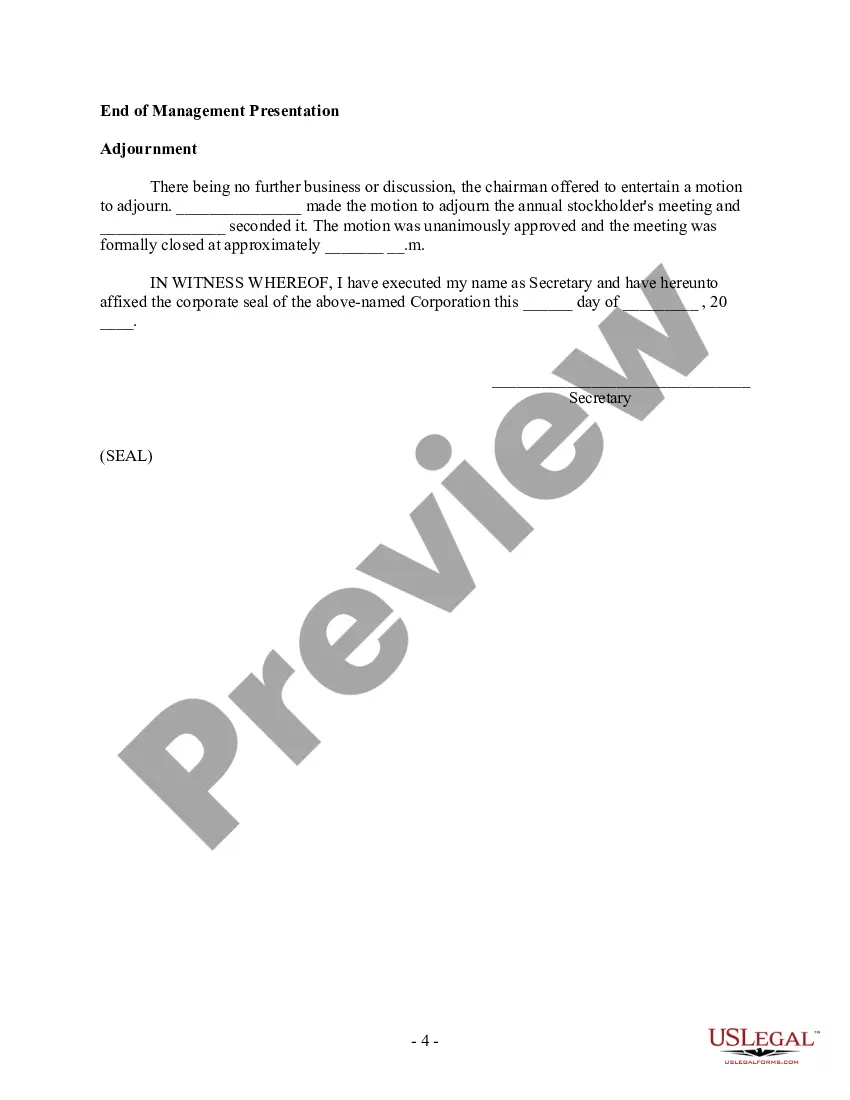
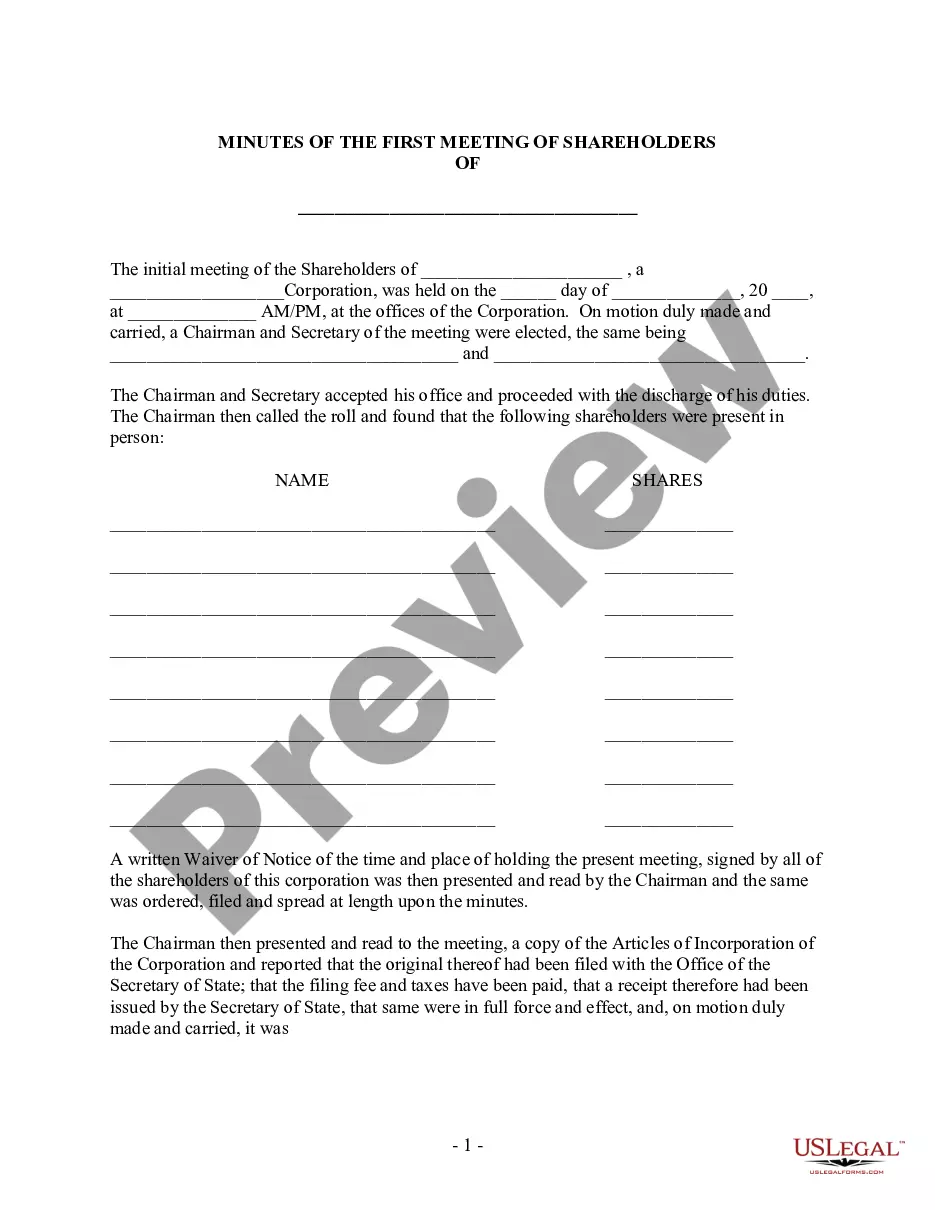
What do the minutes contain? Time, date and place of meeting. List of people attending. List of absent members of the group. Approval of the previous meeting's minutes, and any matters arising from those minutes. For each item in the agenda, a record of the principal points discussed and decisions taken.
Robert's Rules (Section -16) state that “the minutes should contain mainly a record of what was done at the meeting, not what was said by the members.” Minutes are not transcripts of meetings; rather, the document contains a record of actions taken by the body, organized by the meeting's order of business (agenda).
How to write meeting minutes Organization name. Meeting purpose. Start and end times. Date and location. List of attendees and absentees, if necessary. Space for important information like motions passed or deadlines given. Space for your signature and the meeting leader's signature.
What Should Be Included in Meeting Minutes? Date and time of the meeting. Names of the meeting participants and those unable to attend (e.g., “regrets”) Acceptance or corrections/amendments to previous meeting minutes. Decisions made about each agenda item, for example: Actions taken or agreed to be taken. Next steps.
The Open Meeting Law requires public bodies to create and approve minutes in a timely manner. A “timely manner” is considered to be within the next three public body meetings or 30 days from the date of the meeting, whichever is later, unless the public body can show good cause for further delay.
All Meetings and minutes should follow Robert's Rules. Minutes should start with the attendance and continue through the motion to close the meeting (opening and closing of the meeting should have times attached.) Each topic that is discussed should have a brief paragraph summarizing what was discussed.
Include the date and time of the meeting. List all the meeting attendees as well as those who were invited but could not attend. Use the meeting agenda as the outline for the minutes. Use the same naming convention for all minutes files and, if possible, store them in a designated folder so they can be easily located.
Meeting minutes are the written record of what was discussed and decided during a meeting. They typically include the date and time of the meeting, a list of attendees, a summary of the topics discussed, decisions made, action items assigned, and the time of adjournment.
The format for a meeting depends on the meeting type and style. While there is no set format for meeting minutes, templates provide guidelines for essential information that should be included in your documentation.
What to include in meeting minutes Why the meeting happened. First and last names of attendees. The date and time of the meeting. Projects assigned during the meeting and their deadlines. Decisions employees and leadership made during the meeting. Any corrections to previous meeting minutes. Motions that passed or failed.
