Stockholder Meeting With Example In Kings
Description

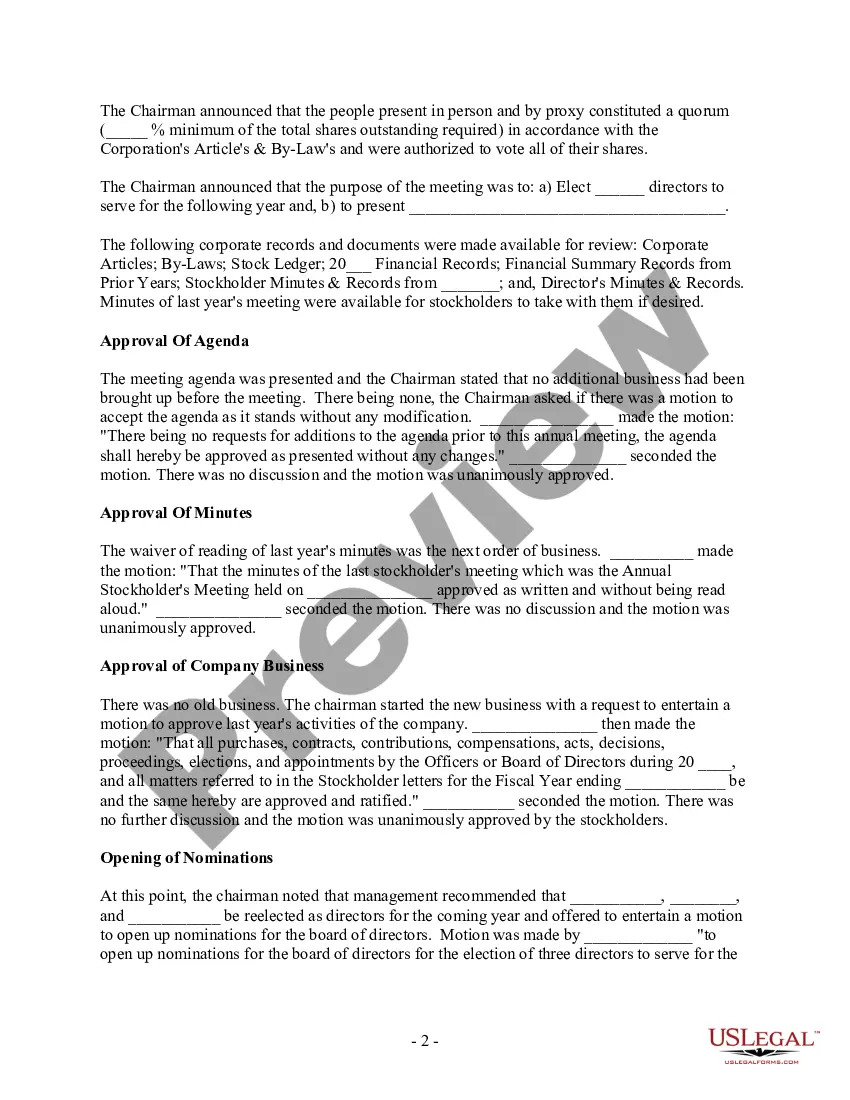
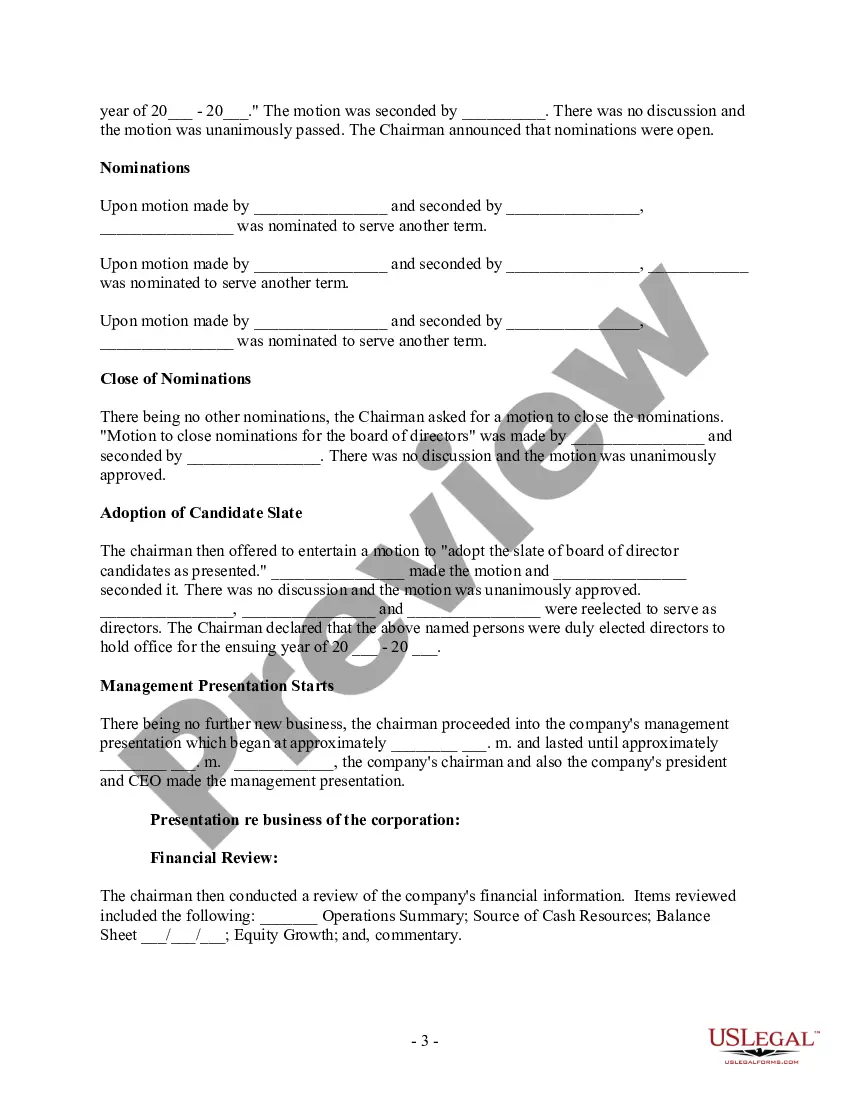
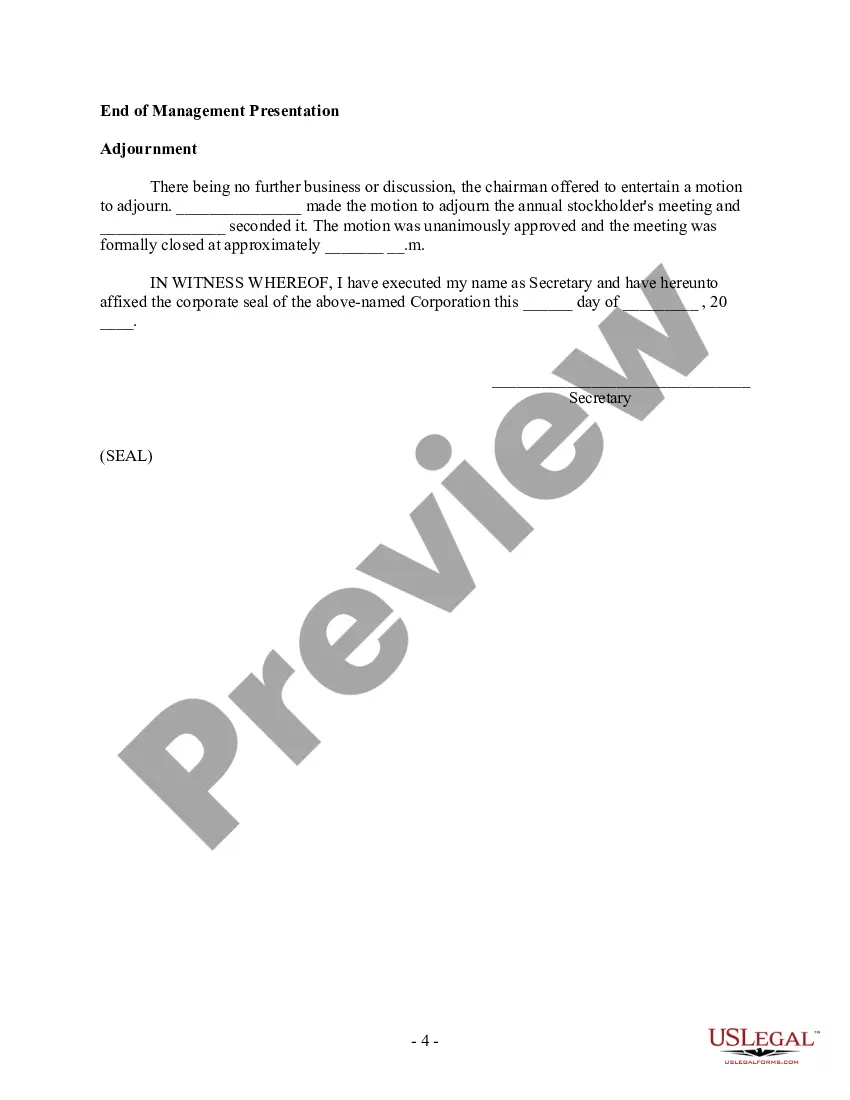

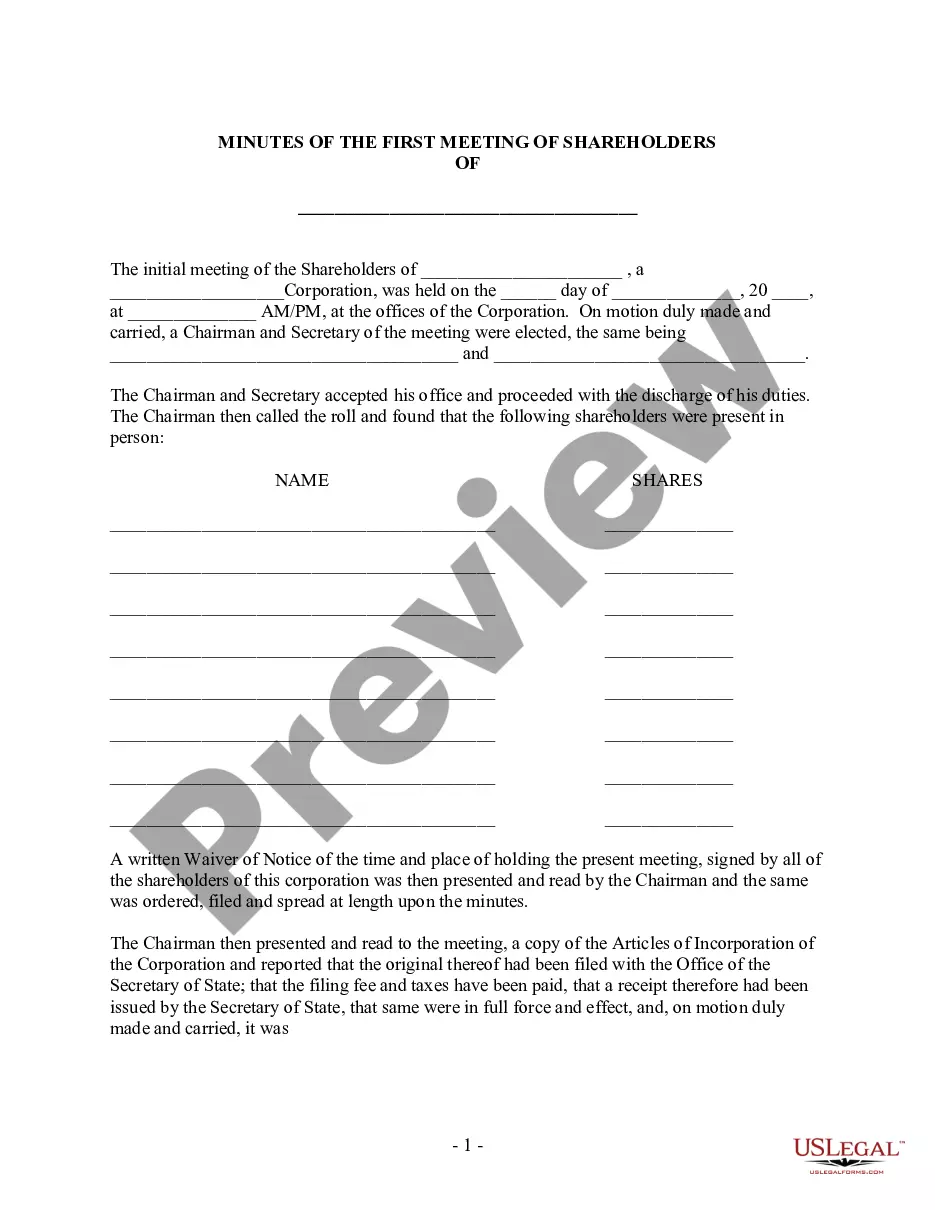

Get your form ready online
Our built-in tools help you complete, sign, share, and store your documents in one place.
Make edits, fill in missing information, and update formatting in US Legal Forms—just like you would in MS Word.
Download a copy, print it, send it by email, or mail it via USPS—whatever works best for your next step.
Sign and collect signatures with our SignNow integration. Send to multiple recipients, set reminders, and more. Go Premium to unlock E-Sign.
If this form requires notarization, complete it online through a secure video call—no need to meet a notary in person or wait for an appointment.
We protect your documents and personal data by following strict security and privacy standards.

Make edits, fill in missing information, and update formatting in US Legal Forms—just like you would in MS Word.

Download a copy, print it, send it by email, or mail it via USPS—whatever works best for your next step.

Sign and collect signatures with our SignNow integration. Send to multiple recipients, set reminders, and more. Go Premium to unlock E-Sign.

If this form requires notarization, complete it online through a secure video call—no need to meet a notary in person or wait for an appointment.

We protect your documents and personal data by following strict security and privacy standards.
Looking for another form?





Form popularity
FAQ
At an AGM, many companies open the floor to questions. This may include a question-and-answer section immediately following the CEO and COO reports. This is a time when shareholders can get answers from members of the board to alleviate any concerns they may have.
Key Takeaways. An annual general meeting (AGM) is the yearly gathering of a company's interested shareholders. At an annual general meeting (AGM), directors of the company present the company's financial performance and shareholders vote on the issues at hand.
AGMs must be held within six months of the end of the financial year, with no more than 15 months allowed between two AGMs. All companies are required to hold AGMs except for one-person companies (OPCs). The legal requirements for AGMs are primarily outlined in Section 96 of the Companies Act, 2013.
All shareholders must be notified of the format, date, time, and place of the meeting. How far in advance notices should be distributed may depend on your state, but generally, they should be sent out more than 10 days prior to the meeting, but less than 60 days.
General meetings are formal meetings of a company's shareholders or guarantors (aka its members). These meetings are optional for private companies but compulsory for public companies.
Annual General Meeting (AGM) During these meetings, corporate board members present annual financial reports and accounts to be ratified by shareholders. Shareholders can also question board decisions and vote on the appointment, election, or removal of company directors.
Directors who do not ensure the approval of the annual accounts by the AGM face several sanctions: No Discharge: Without the approval of the accounts, directors cannot seek discharge for the past financial year.
The special meeting aims to enable the shareholders to know the company's affairs and vote on the management's recommendations in the proposed resolution. The shareholders are equally essential in the decision-making process.
If the directors do not call a meeting as required to do so, under S304, the members who requested the meeting, or any of them representing more than one half of the total voting rights of all of them, may themselves call a general meeting.
