Stockholder Meeting Forum In Clark
Description

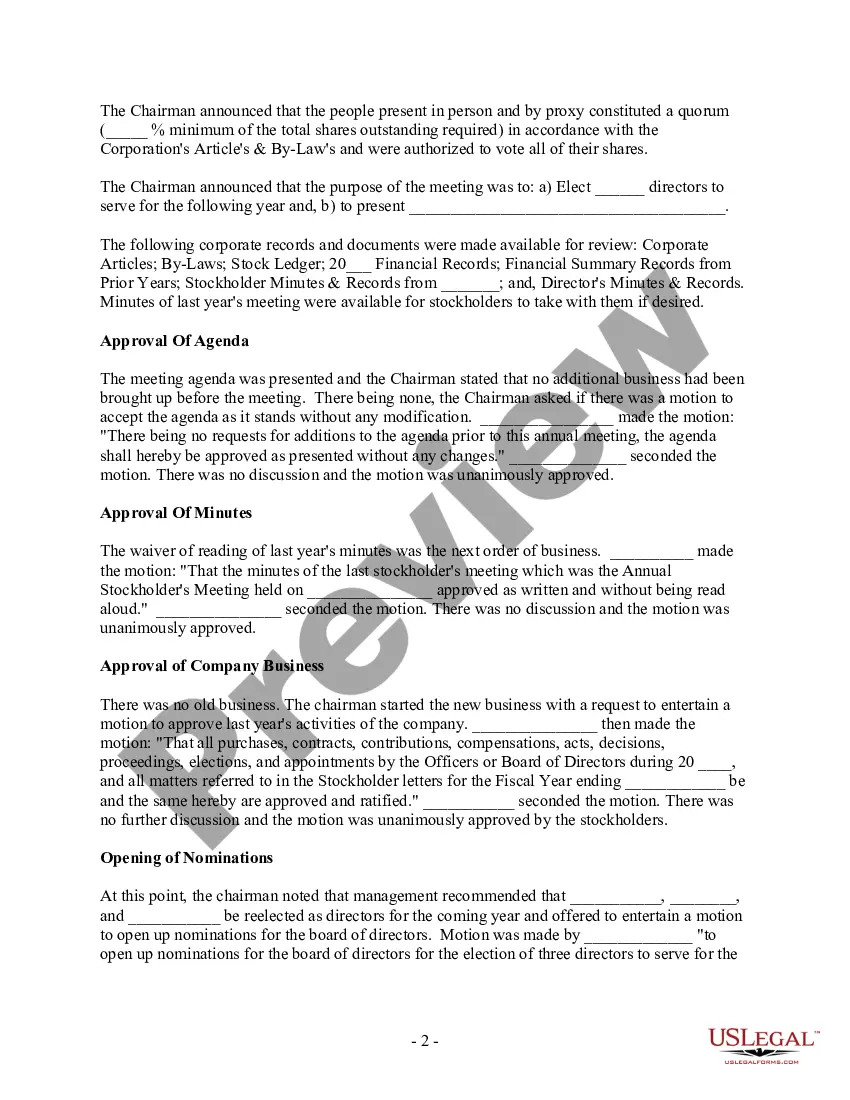
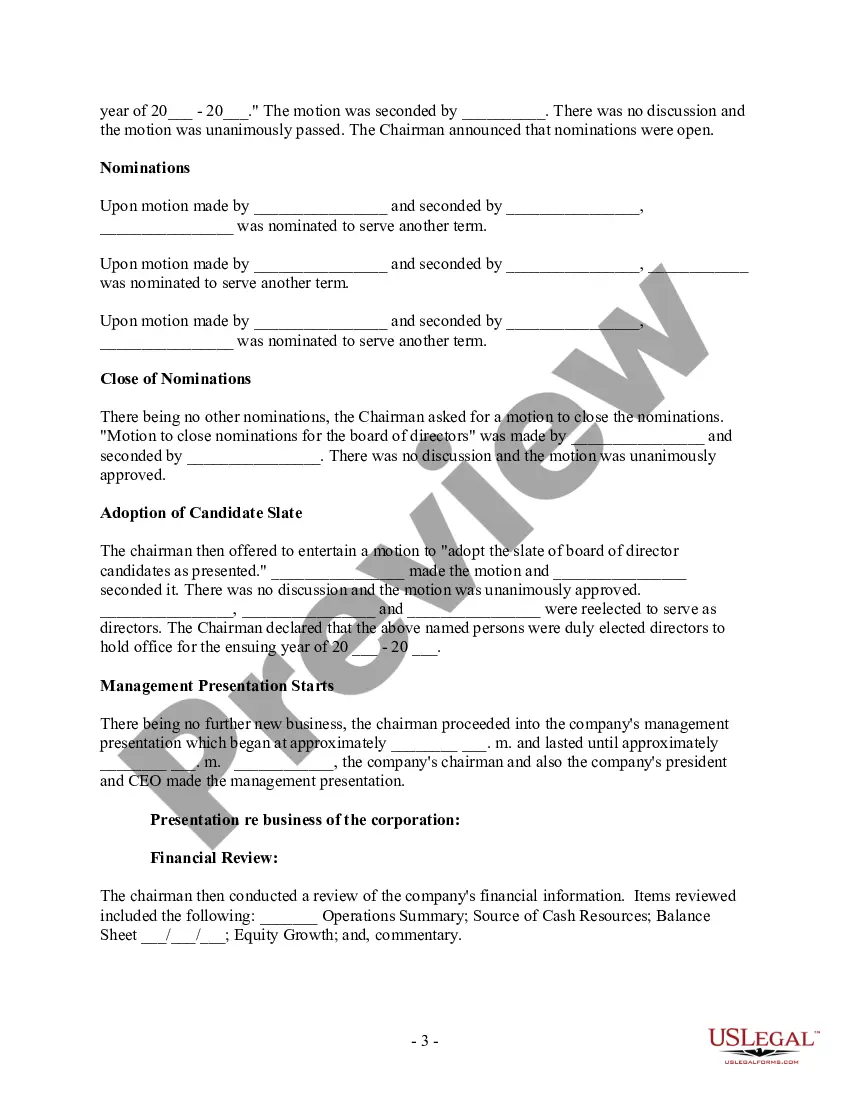
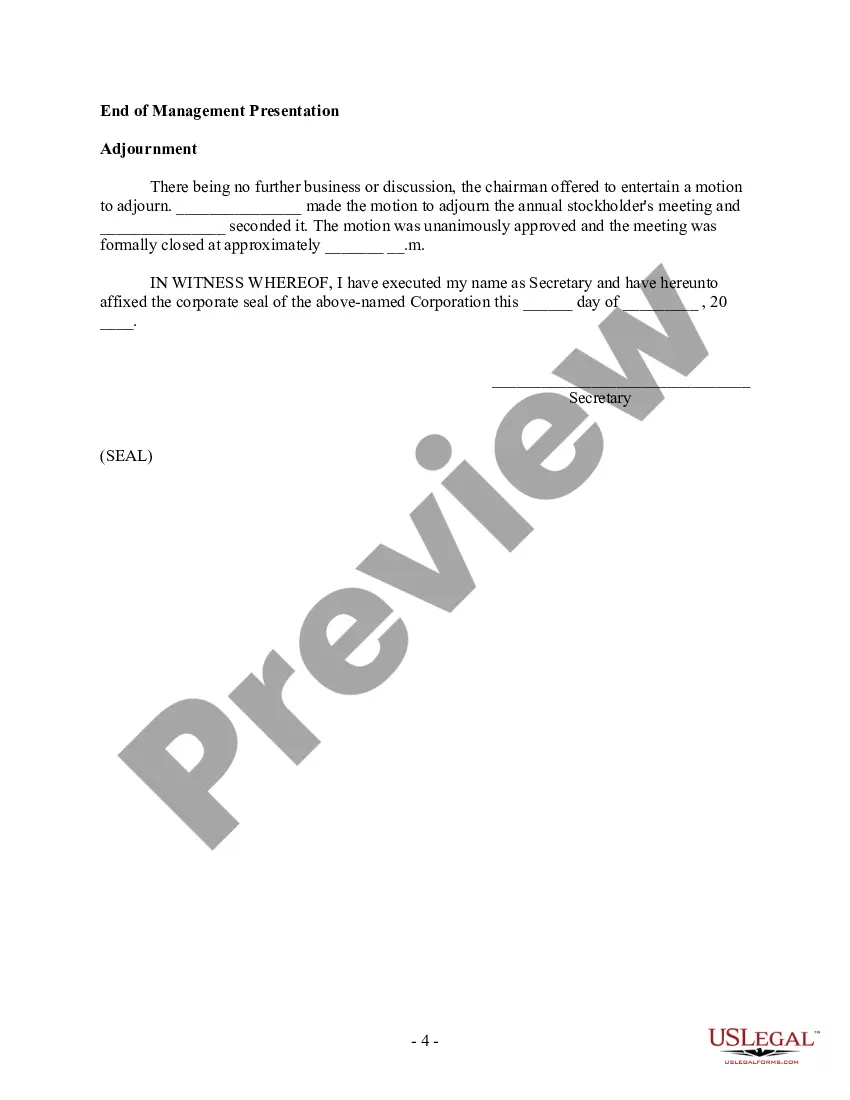

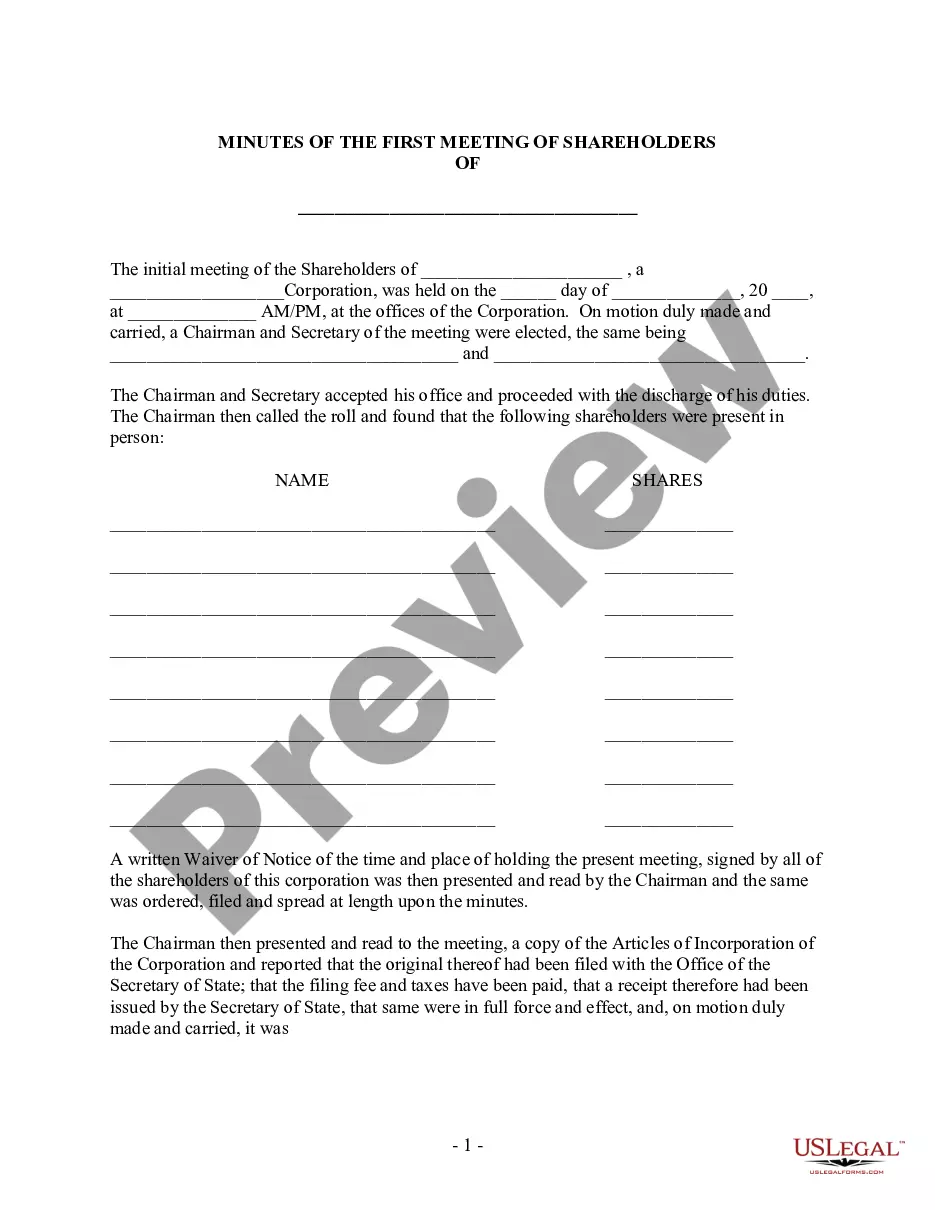

Get your form ready online
Our built-in tools help you complete, sign, share, and store your documents in one place.
Make edits, fill in missing information, and update formatting in US Legal Forms—just like you would in MS Word.
Download a copy, print it, send it by email, or mail it via USPS—whatever works best for your next step.
Sign and collect signatures with our SignNow integration. Send to multiple recipients, set reminders, and more. Go Premium to unlock E-Sign.
If this form requires notarization, complete it online through a secure video call—no need to meet a notary in person or wait for an appointment.
We protect your documents and personal data by following strict security and privacy standards.

Make edits, fill in missing information, and update formatting in US Legal Forms—just like you would in MS Word.

Download a copy, print it, send it by email, or mail it via USPS—whatever works best for your next step.

Sign and collect signatures with our SignNow integration. Send to multiple recipients, set reminders, and more. Go Premium to unlock E-Sign.

If this form requires notarization, complete it online through a secure video call—no need to meet a notary in person or wait for an appointment.

We protect your documents and personal data by following strict security and privacy standards.
Looking for another form?

Form popularity
FAQ
The formalities for calling (or convening) shareholders' meetings are much stricter than those for board meetings. At least fourteen clear days' written notice must be given to all shareholders, directors and any auditor. This is regardless of whether resolutions are to be passed as ordinary or special resolutions.
A General Meeting is simply a meeting of shareholders and 21 days' notice must be given to shareholders, but this can be reduced to 14 days, or increased to 28 days, in certain situations.
(1) Subject to subsection (2), at least 21 days notice must be given of a meeting of a company's members. However, if a company has a constitution, it may specify a longer minimum period of notice.
Notification to Shareholders Annual shareholder meetings require a notice period of at least 21 days. The notice period can be shortened with the expressed consent of all shareholders. The notice should include all the basic meeting details and other important pieces of documentation, such as the meeting agenda.
An annual general meeting (AGM) is a yearly meeting between shareholders and the board of directors. AGMs are mandatory events for private and public companies and require a notice period of at least 21 days.
All shareholders must be notified of the format, date, time, and place of the meeting. How far in advance notices should be distributed may depend on your state, but generally, they should be sent out more than 10 days prior to the meeting, but less than 60 days.
Your notice must follow state and company guidelines, but it should have your company name , the date and time of the meeting, the location of the meeting, an agenda , and notes . For more information about how to prepare a notice of meeting, read this article.
The members (including shareholders) of the company are entitled to attend and vote at the AGM. Members can cast their votes by a physical ballot or postal ballot or through e-voting. Members can appoint proxies to attend an AGM and vote on their behalf only when it is a poll vote.
A general meeting is a members' meeting, but certain non-members may also be entitled to attend. It's important to check the articles of association and any shareholders' agreement to determine the rules and restrictions for attending general meetings.
Every shareholder is given the opportunity to vote and attend meetings, but it's not a requirement. Institutional investors or those with a large position in the company may attend and vote in person. Those who choose not to attend in person but still want to make their opinion known can vote by proxy.
