Sample Letter Acceptance Offer Forensic Science In Virginia
Description

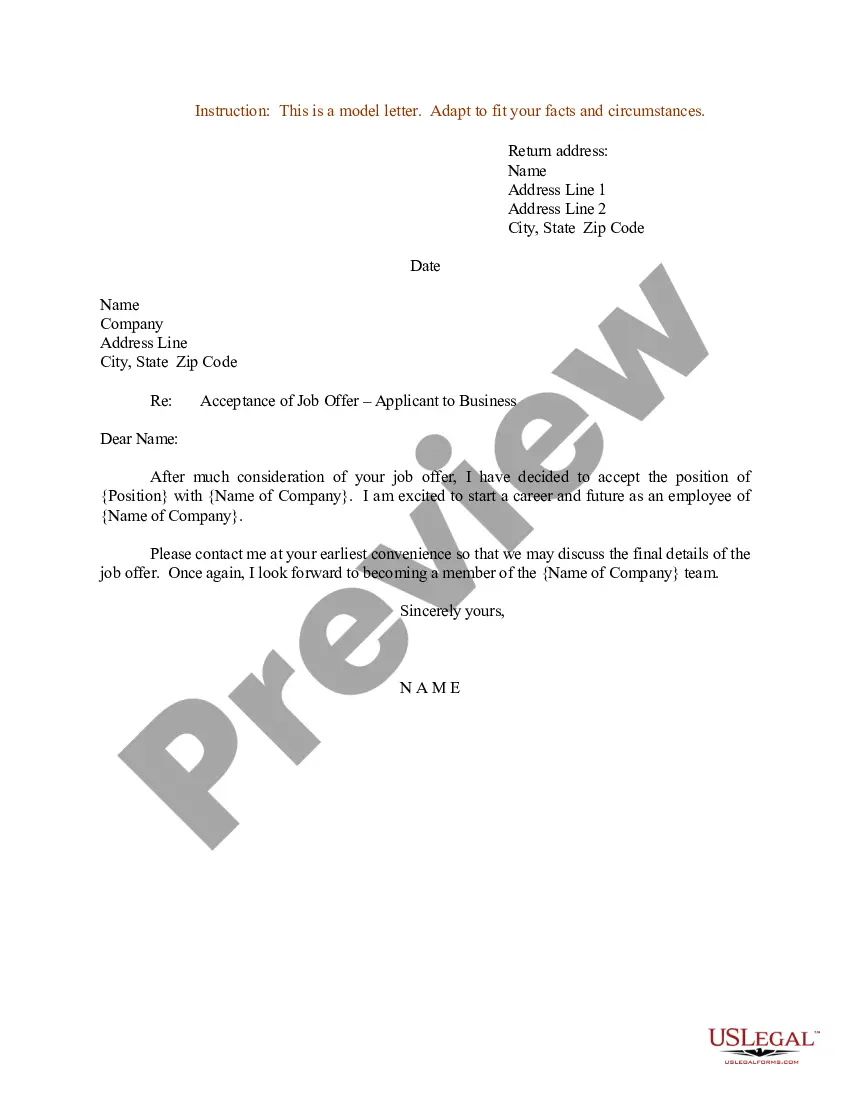
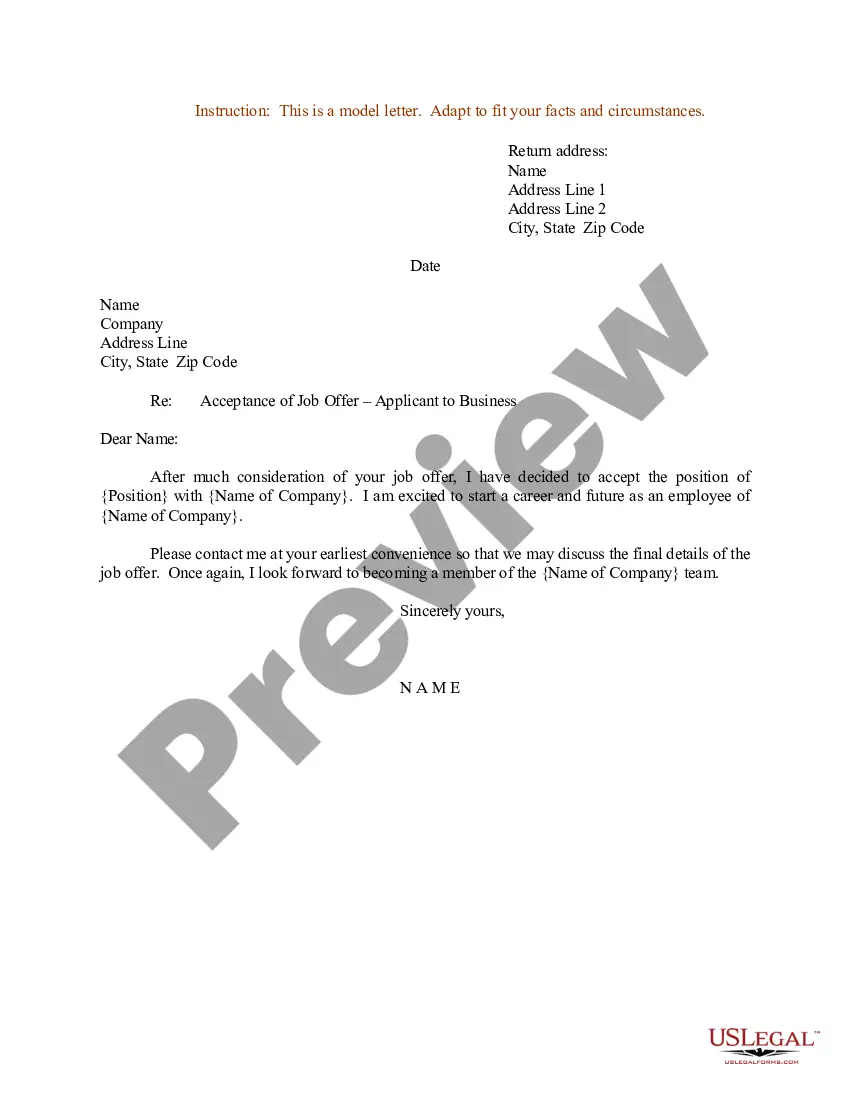
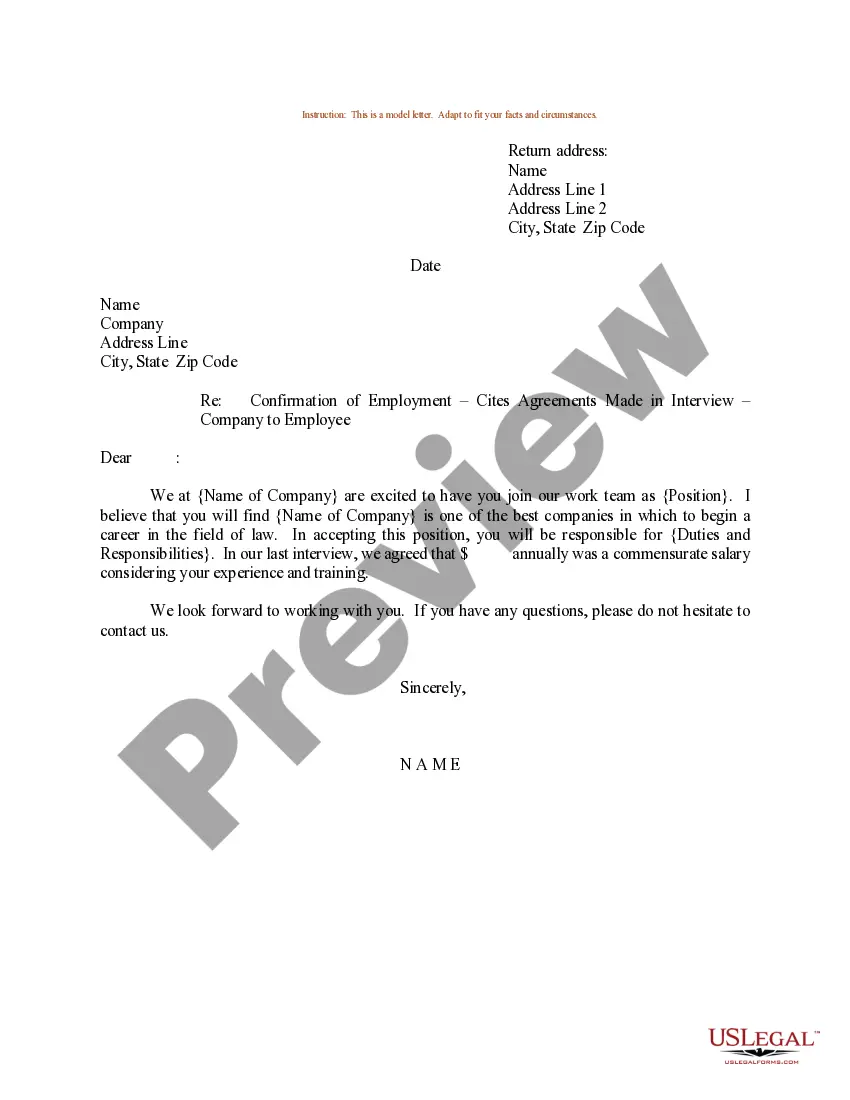
Get your form ready online
Our built-in tools help you complete, sign, share, and store your documents in one place.
Make edits, fill in missing information, and update formatting in US Legal Forms—just like you would in MS Word.
Download a copy, print it, send it by email, or mail it via USPS—whatever works best for your next step.
Sign and collect signatures with our SignNow integration. Send to multiple recipients, set reminders, and more. Go Premium to unlock E-Sign.
If this form requires notarization, complete it online through a secure video call—no need to meet a notary in person or wait for an appointment.
We protect your documents and personal data by following strict security and privacy standards.

Make edits, fill in missing information, and update formatting in US Legal Forms—just like you would in MS Word.

Download a copy, print it, send it by email, or mail it via USPS—whatever works best for your next step.

Sign and collect signatures with our SignNow integration. Send to multiple recipients, set reminders, and more. Go Premium to unlock E-Sign.

If this form requires notarization, complete it online through a secure video call—no need to meet a notary in person or wait for an appointment.

We protect your documents and personal data by following strict security and privacy standards.
Looking for another form?







Form popularity
FAQ
Get ready for an exciting adventure into the world of forensic science, where you'll become a crime-solving pro. This is an in-person course that meets daily in Fairfax, 9am – 4pm EST. Tuition cover materials, meals (lunch/snacks), and transportation to any offsite excursions.
Required Qualifications for Becoming a Forensic Scientist in Virginia Bachelor's degree in forensic science, chemistry or another natural science. Several years experience working in a forensic laboratory. Ability to work independently. Ability to set priorities. Ability to keep accurate records.
The specialty areas are as follows: Forensic Biology. Drug Chemistry. Firearms/Toolmarks. Footwear/Tire Tracks. Latent Prints. Forensic Toxicology. Trace Chemistry.
Required Qualifications for Becoming a Forensic Scientist in Virginia Bachelor's degree in forensic science, chemistry or another natural science. Several years experience working in a forensic laboratory. Ability to work independently. Ability to set priorities. Ability to keep accurate records.
How to Become a Forensic Scientist Step 1: Earn a Forensic Science Degree. Anyone looking to become a forensic scientist will need atleast a bachelor's degree in forensic science. Step 2: Complete an Internship. Step 3: Gain Professional Certifications.
How Long Does it Take to Become a Forensic Scientist? Since a bachelor's degree is the typical entry-level requirement for forensic science positions, 4 years is the average minimum length of time it takes after high school to become a forensic science technician.
The Institute of Law, Psychiatry and Public Policy at the University of Virginia is an interdisciplinary program in mental health law, forensic psychiatry, and forensic psychology.
Employers recognize VCU's forensic science program as a leading producer of highly skilled laboratory professionals.

