Sample Acceptance Job Without A Degree In Santa Clara
Description
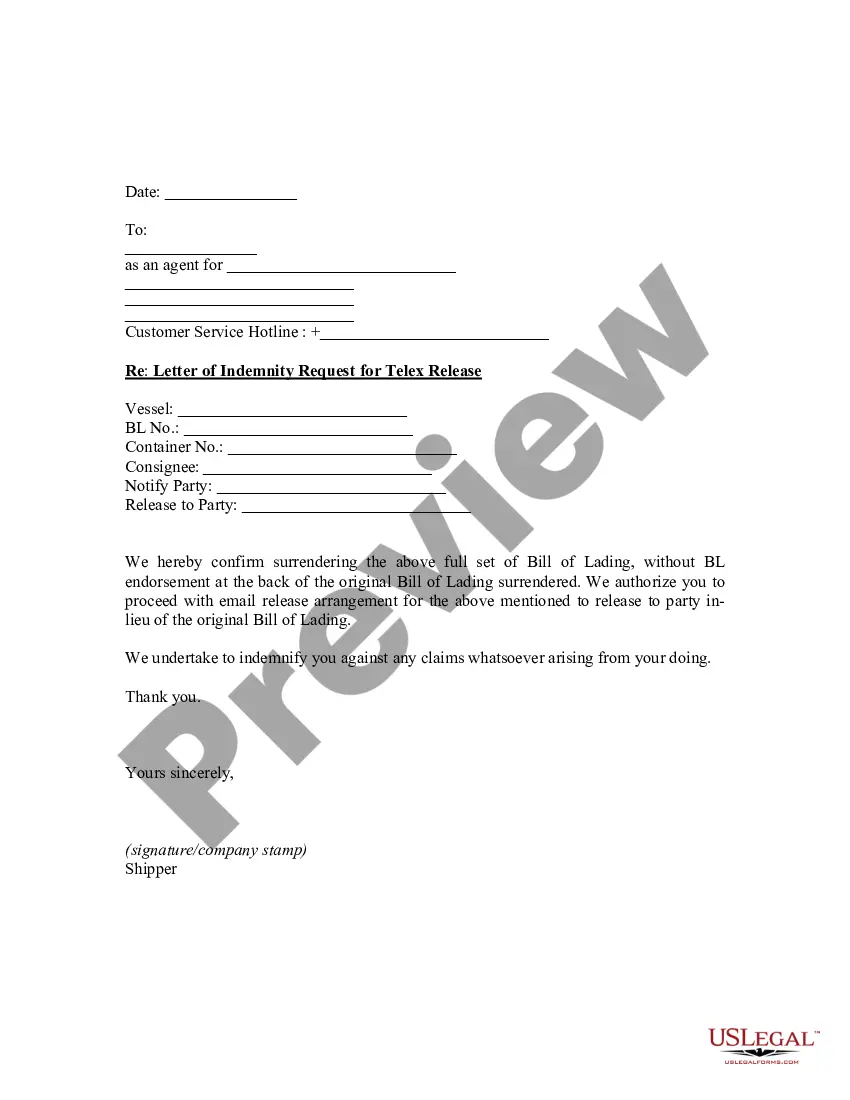
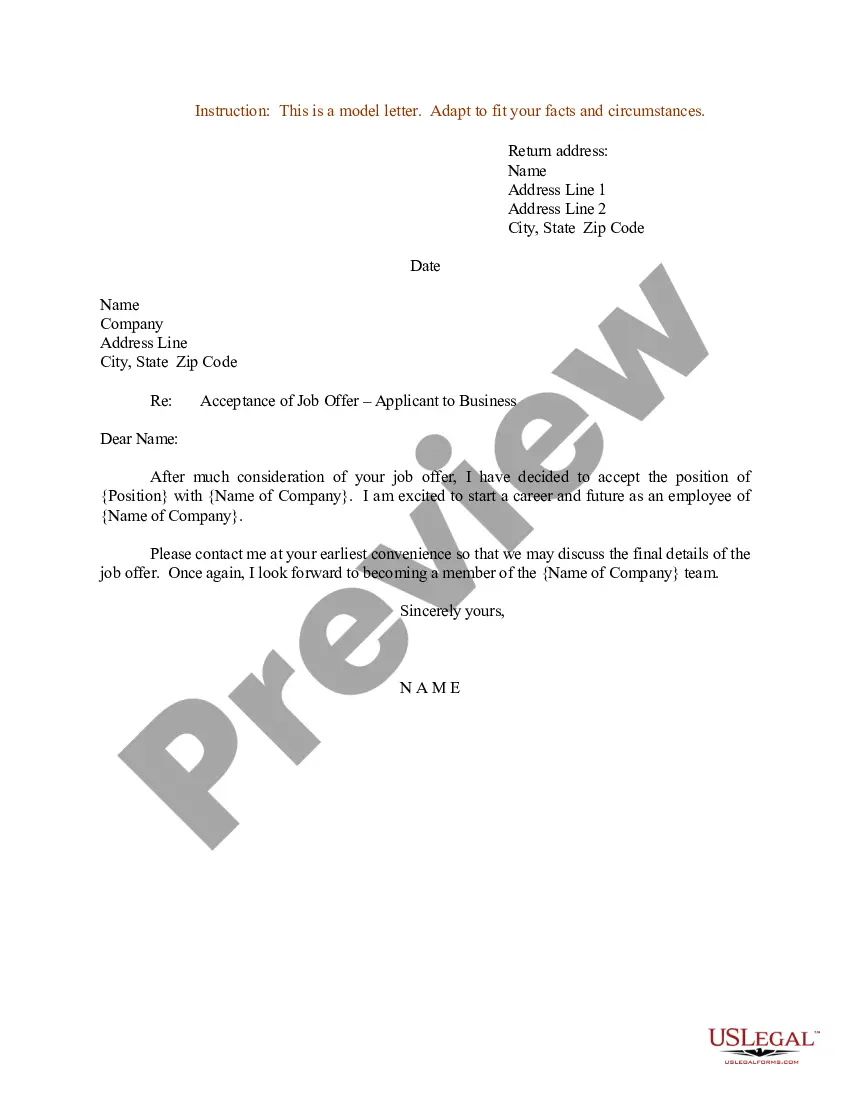
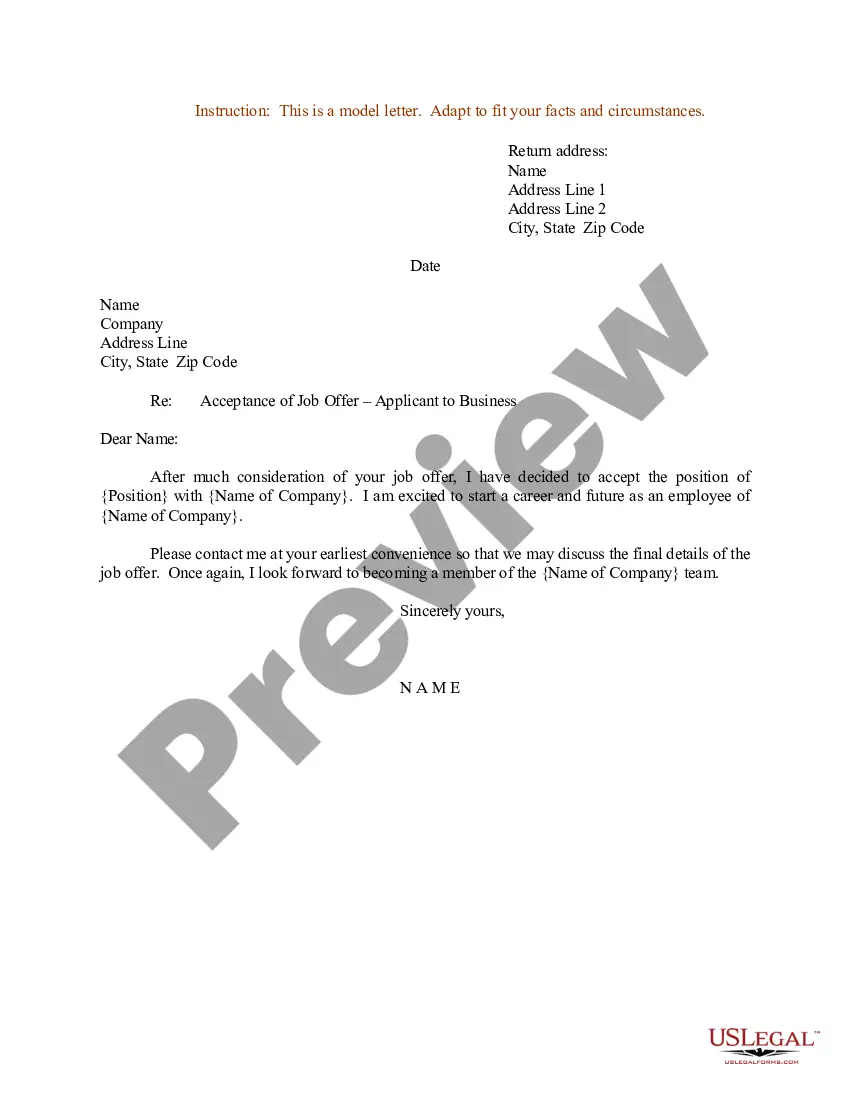
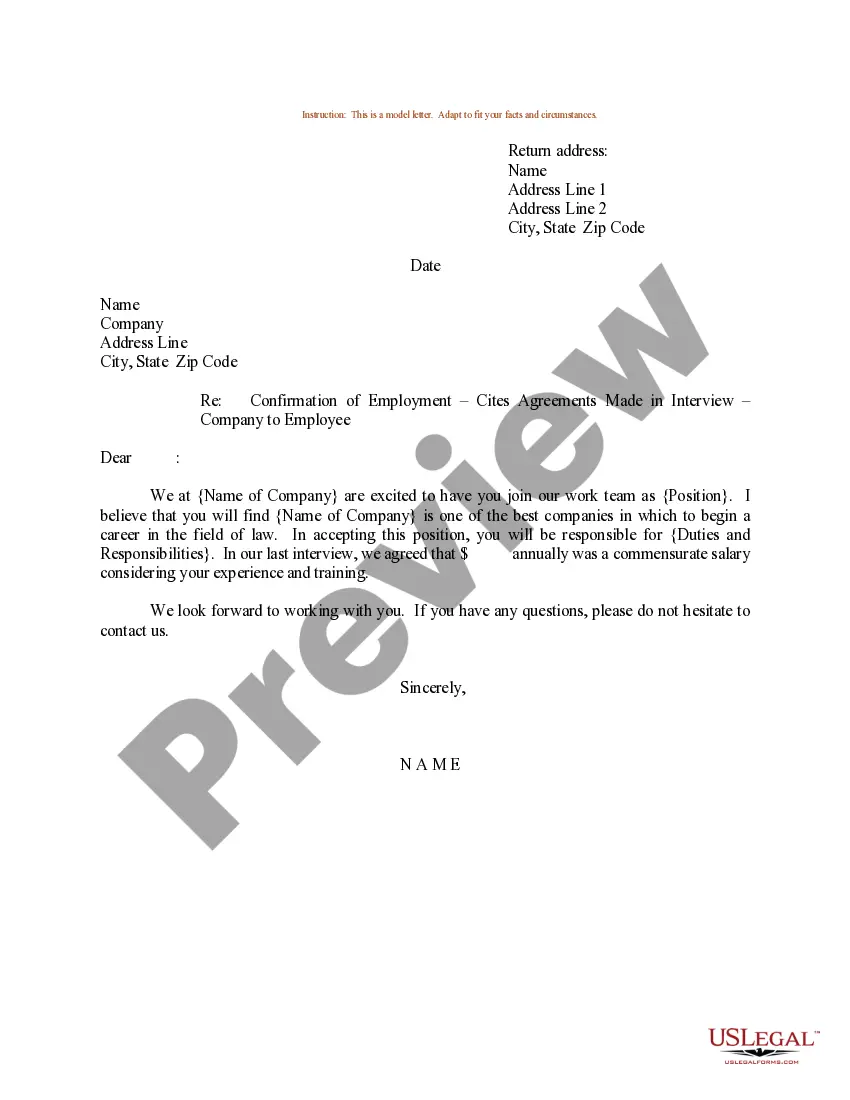
Get your form ready online
Our built-in tools help you complete, sign, share, and store your documents in one place.
Make edits, fill in missing information, and update formatting in US Legal Forms—just like you would in MS Word.
Download a copy, print it, send it by email, or mail it via USPS—whatever works best for your next step.
Sign and collect signatures with our SignNow integration. Send to multiple recipients, set reminders, and more. Go Premium to unlock E-Sign.
If this form requires notarization, complete it online through a secure video call—no need to meet a notary in person or wait for an appointment.
We protect your documents and personal data by following strict security and privacy standards.

Make edits, fill in missing information, and update formatting in US Legal Forms—just like you would in MS Word.

Download a copy, print it, send it by email, or mail it via USPS—whatever works best for your next step.

Sign and collect signatures with our SignNow integration. Send to multiple recipients, set reminders, and more. Go Premium to unlock E-Sign.

If this form requires notarization, complete it online through a secure video call—no need to meet a notary in person or wait for an appointment.

We protect your documents and personal data by following strict security and privacy standards.
Looking for another form?









Form popularity
FAQ
How to get jobs unrelated to your major Identify potential jobs. Think about jobs you're interested in pursuing outside of your major and use your current interests and skills to help you compile a list. Research job requirements. Develop new skills. Connect with your network. Adapt your resume. Prepare for the interview.
Yes, it is possible to get an IT job without a formal degree or prior experience, although it may be more challenging. Here are some strategies to help you break into the field: Self-Study and Online Courses: Many IT skills can be learned through online platforms like Coursera, Udemy, or edX.
Yes, it is possible to get a job that typically requires a degree without having one, although it may be more challenging. Here are some strategies you can consider: Relevant Experience: Highlight any relevant work experience, internships, or volunteer work that demonstrates your skills and knowledge in the field.
Yes, it is entirely possible to get a job that is different from your college major. Many employers value skills and experiences over specific degrees. Here are some factors to consider: Transferable Skills: Many skills learned in one field can be applicable in another.
Unless it is related to your field of study, you cannot do this. The only exception would be if you apply for and are granted compelling circumstances employment authorization.
There are quite a few positions out there for recent grads that don't require specific college degrees. Choosing which ones are the right ones for you can be more of a burden than actually breaking into that field.
We do not offer admission interviews. To show demonstrated interest, students can interact with us during: campus visits, virtual visits, school visits, college fairs, etc. Have students sign-up for Bronco Exchange as a great way to attend virtual events, as well as connect with current students, staff, and faculty.
SCU uses the Common Application® for all first-year applicants. In addition to the Application itself, we require the following materials: Official high school transcript (Grade nine through the most recently completed term) College transcripts (if applicable)
Regular Decision applicants are notified of their admission status via mail by April 1.
Santa Clara University admissions has an acceptance rate of 44% and an early acceptance rate of 73.5%. Half the applicants admitted to Santa Clara University who submitted test scores have an SAT score between 1340 and 1500 or an ACT score of 30 and 33.

