Letter Acceptance Application With Resume In San Diego
Description

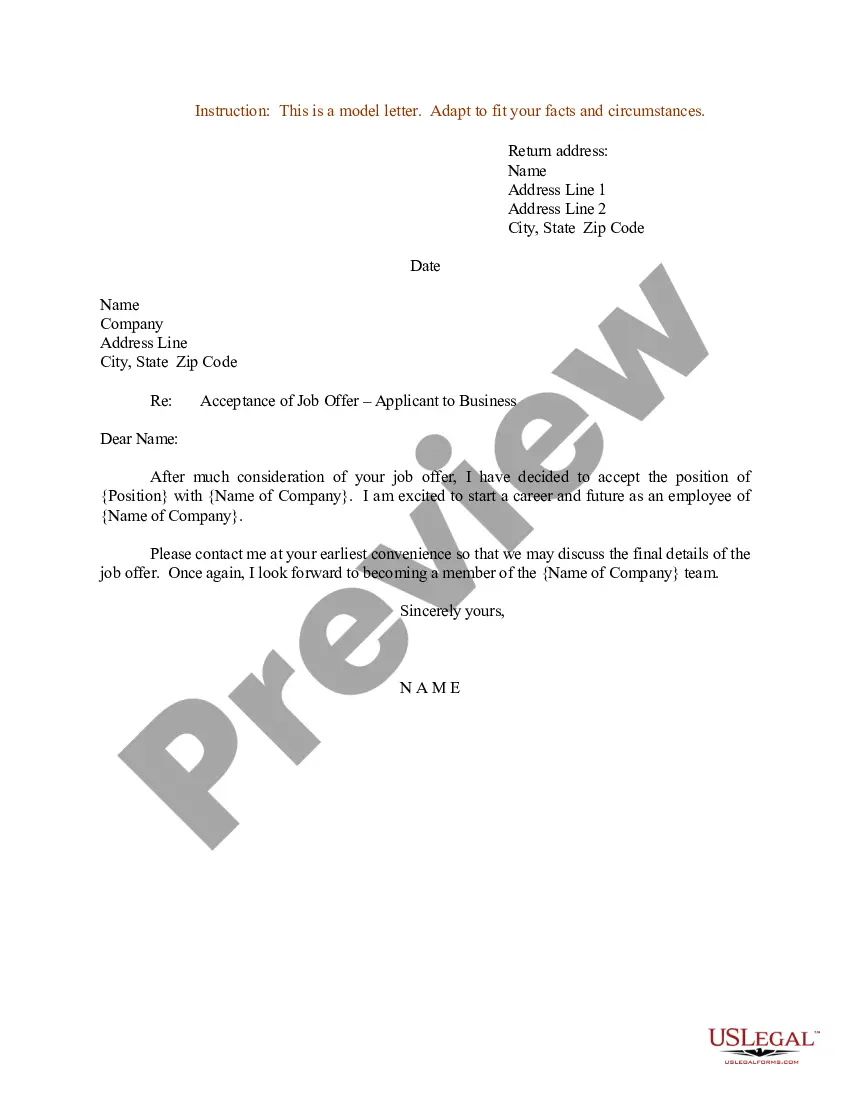
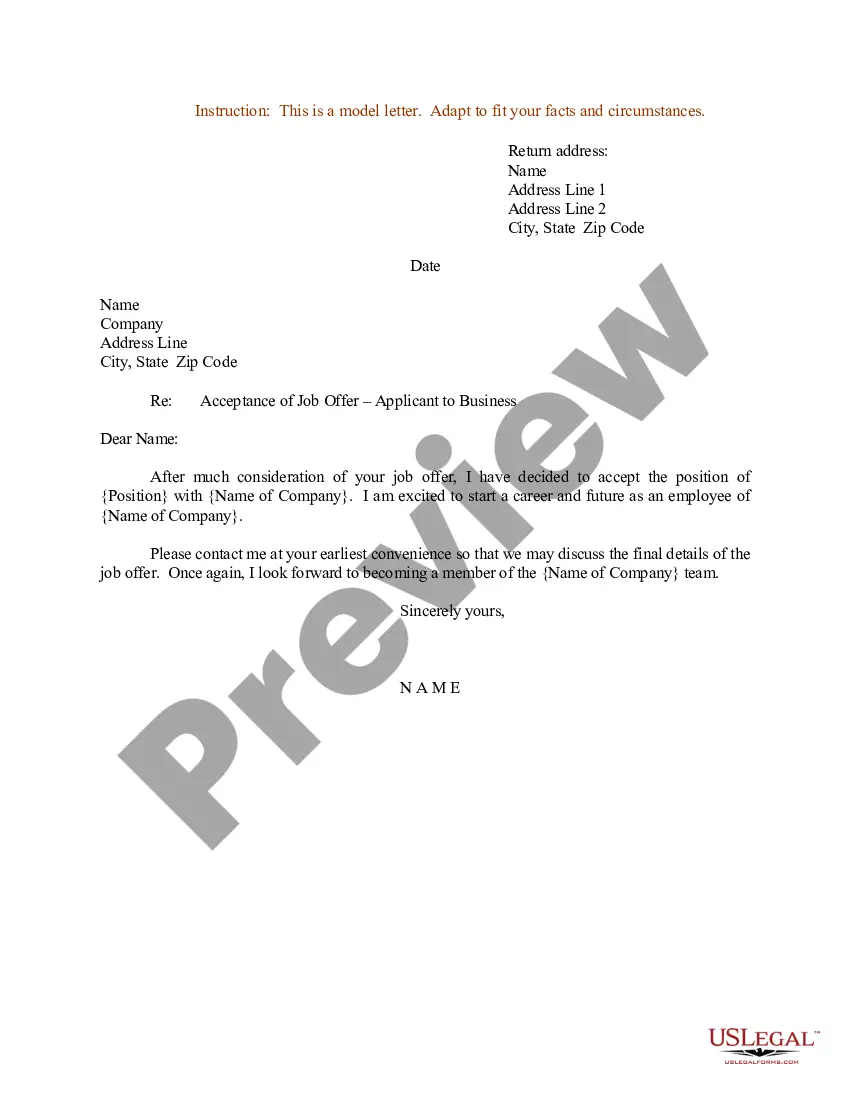
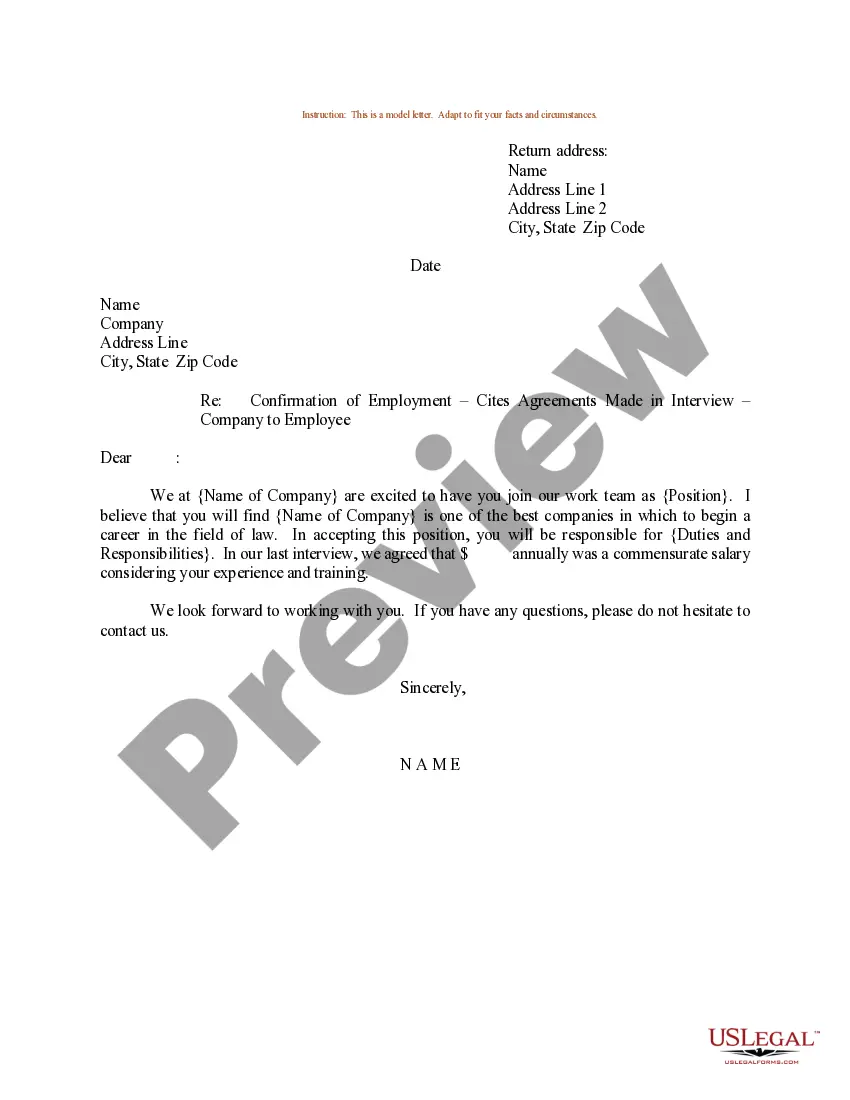
Get your form ready online
Our built-in tools help you complete, sign, share, and store your documents in one place.
Make edits, fill in missing information, and update formatting in US Legal Forms—just like you would in MS Word.
Download a copy, print it, send it by email, or mail it via USPS—whatever works best for your next step.
Sign and collect signatures with our SignNow integration. Send to multiple recipients, set reminders, and more. Go Premium to unlock E-Sign.
If this form requires notarization, complete it online through a secure video call—no need to meet a notary in person or wait for an appointment.
We protect your documents and personal data by following strict security and privacy standards.

Make edits, fill in missing information, and update formatting in US Legal Forms—just like you would in MS Word.

Download a copy, print it, send it by email, or mail it via USPS—whatever works best for your next step.

Sign and collect signatures with our SignNow integration. Send to multiple recipients, set reminders, and more. Go Premium to unlock E-Sign.

If this form requires notarization, complete it online through a secure video call—no need to meet a notary in person or wait for an appointment.

We protect your documents and personal data by following strict security and privacy standards.
Looking for another form?



Form popularity
FAQ
San Diego State University does not use the Common Application. SDSU, along with other public universities in the California State University system, uses the Cal State Apply system. You'll need to create an account on Cal State Apply and submit your application through that portal.
The acceptance rate at University of San Diego is 46.7%. In other words, of 100 students who apply, 47 are admitted. This means the school is somewhat selective. You should prepare your academic scores well, but you have an excellent chance if you impress them.
First and foremost, students should note that the UC system does not accept the Common Application, but instead uses its own distinct application portal.
The UC Application Activities Section Note the different categories that the UCs list under Activities & Awards. This category includes educational programs and any coursework you took outside of high school (like a college course), as well as awards and honors—all of which would be under “Education” on the Common App.
To be eligible for admission to UC San Diego, you must earn the following minimum GPA in all A-G courses. California residents must earn a GPA of 3.0 (or better) with no grade lower than "C." Non-California residents, including International applicants, must earn a GPA of 3.4 (or better) with no grade lower than a "C."
CSU Minimum First-Year Eligibility Meet at least a 2.5 GPA or greater for California residents and graduates of a California high school; OR. Meet at least a 3.0 or greater for non-California residents and graduates of a non-California high school.
Some applications may ask you to provide a resume or curriculum vitae (CV) detailing your work and activities. A sample of an undergraduate CV can be found in A Guide to Academia: Getting into and Surviving Grad School, Postdocs, and a Research Job by Prosanta Chakrabarty.
If you don't have work experience, you don't need include that section on your resume. Instead, include education (formal and informal), projects, and volunteer experience. How are you qualified for what you are applying to? Make sure you tell that story on your resume.
A cover letter is a one-page business letter that you submit when applying to a job, along with your resume. As a piece of persuasive writing, your cover letter will aim to convey to the employer why you're a great candidate for the role.
How to create a professional resume Choose the right format. Include your name and contact information. Tailor your resume for each position. Add a resume summary or objective. List your soft and hard skills. Detail your professional history. Include an education section. Consider adding optional sections.

