Letter Acceptance Form With Signature In Salt Lake
Description
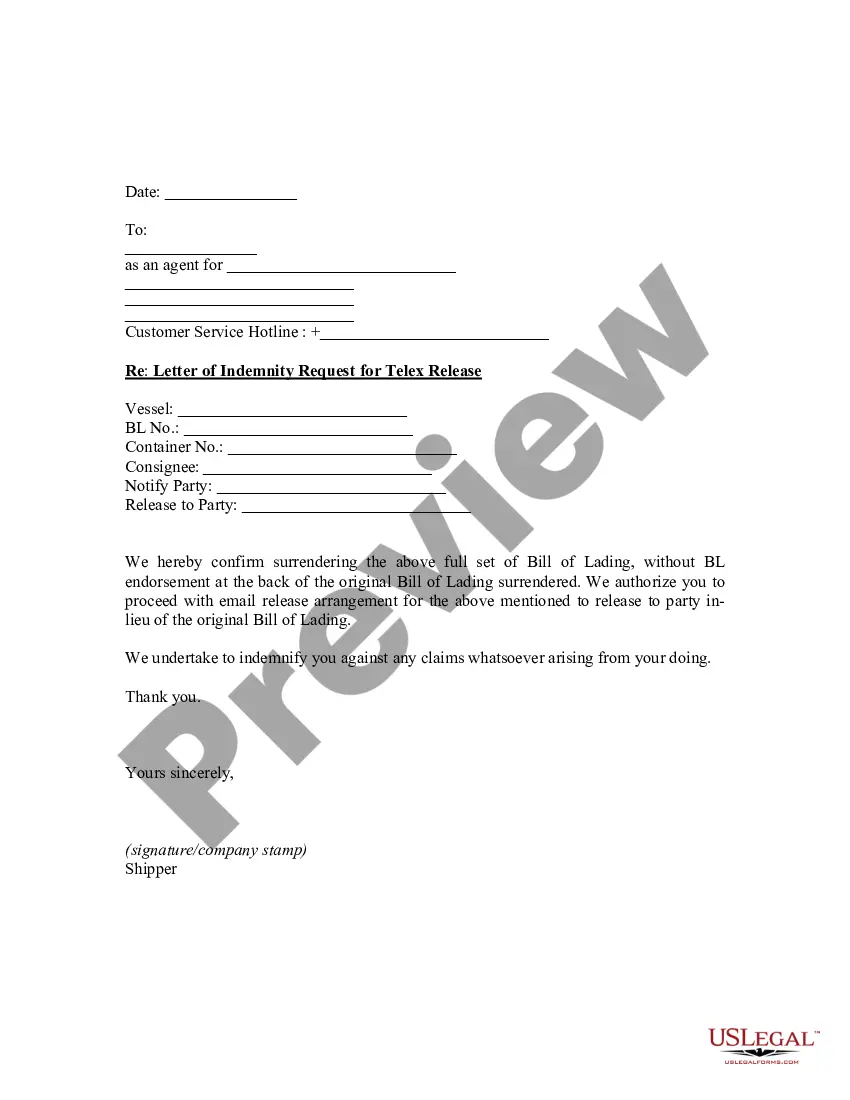


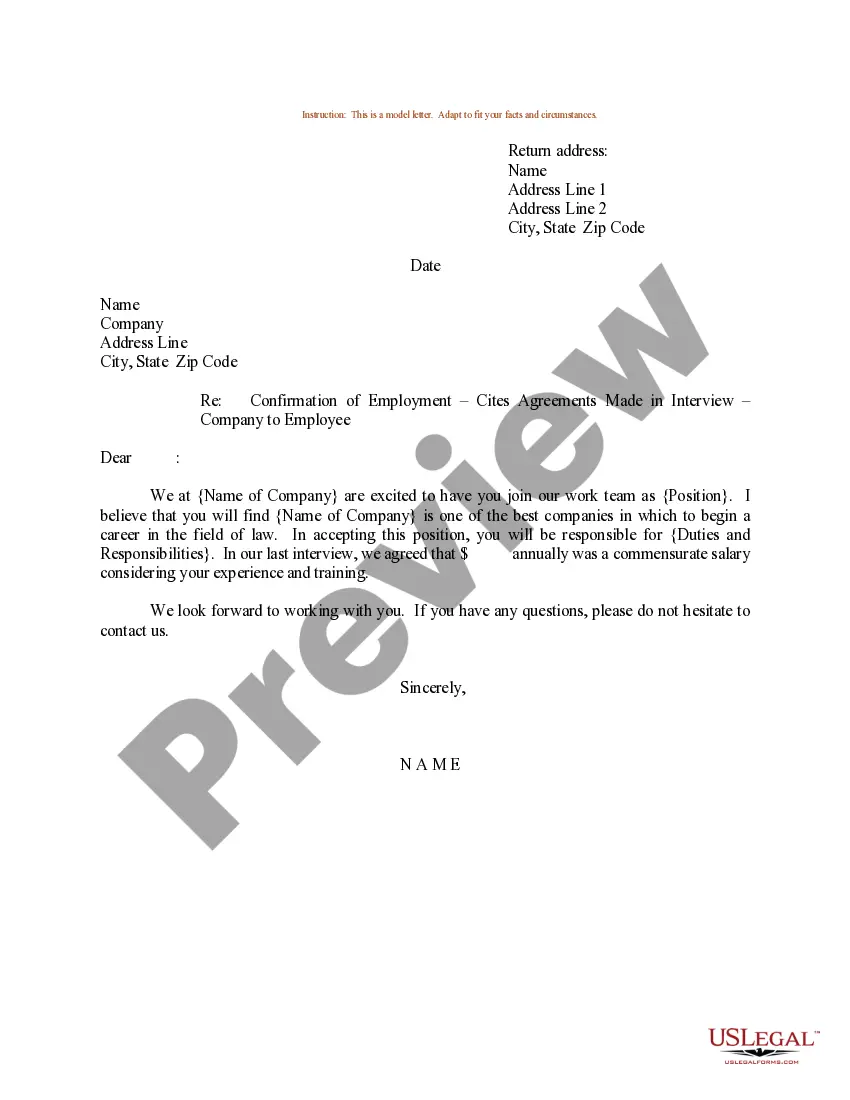
Get your form ready online
Our built-in tools help you complete, sign, share, and store your documents in one place.
Make edits, fill in missing information, and update formatting in US Legal Forms—just like you would in MS Word.
Download a copy, print it, send it by email, or mail it via USPS—whatever works best for your next step.
Sign and collect signatures with our SignNow integration. Send to multiple recipients, set reminders, and more. Go Premium to unlock E-Sign.
If this form requires notarization, complete it online through a secure video call—no need to meet a notary in person or wait for an appointment.
We protect your documents and personal data by following strict security and privacy standards.

Make edits, fill in missing information, and update formatting in US Legal Forms—just like you would in MS Word.

Download a copy, print it, send it by email, or mail it via USPS—whatever works best for your next step.

Sign and collect signatures with our SignNow integration. Send to multiple recipients, set reminders, and more. Go Premium to unlock E-Sign.

If this form requires notarization, complete it online through a secure video call—no need to meet a notary in person or wait for an appointment.

We protect your documents and personal data by following strict security and privacy standards.
Looking for another form?
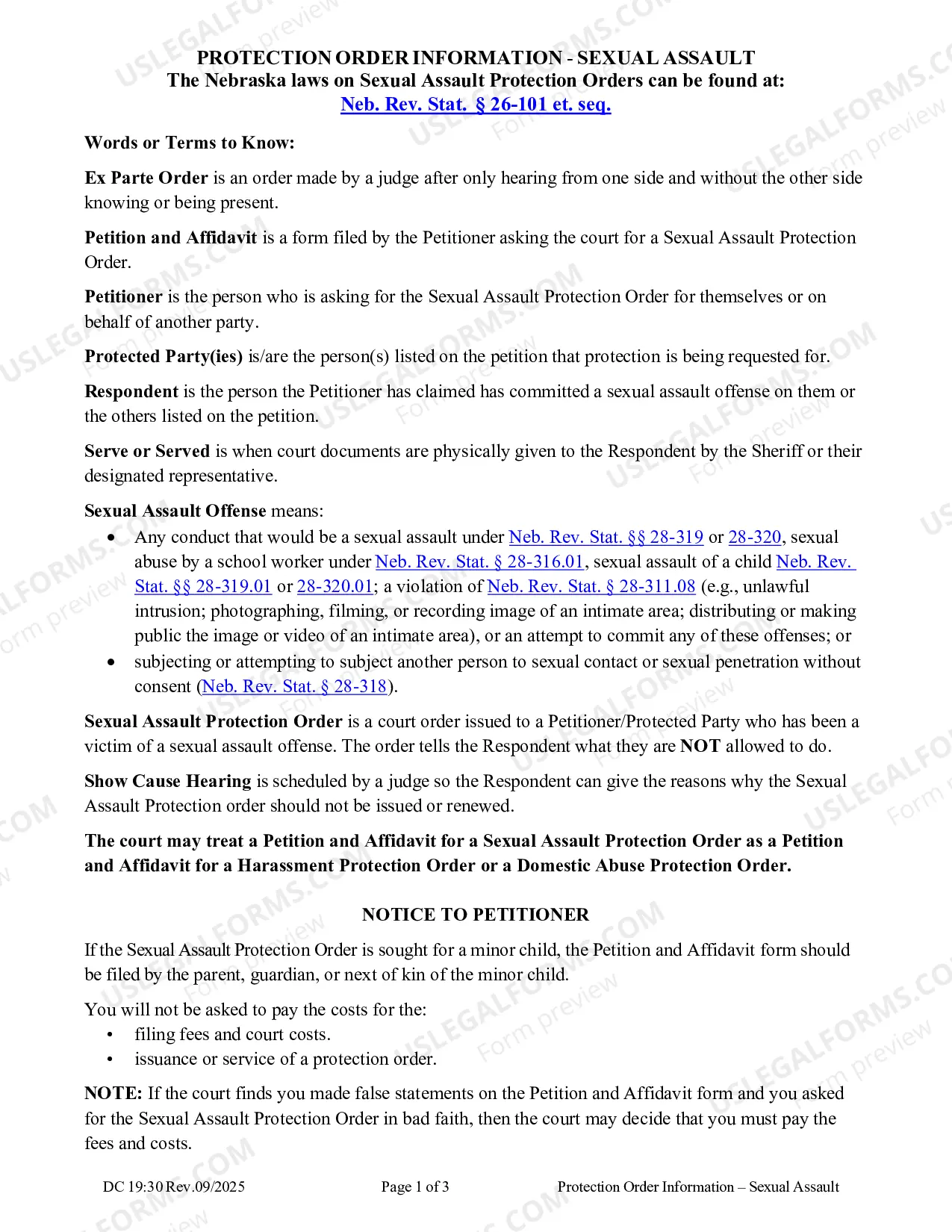
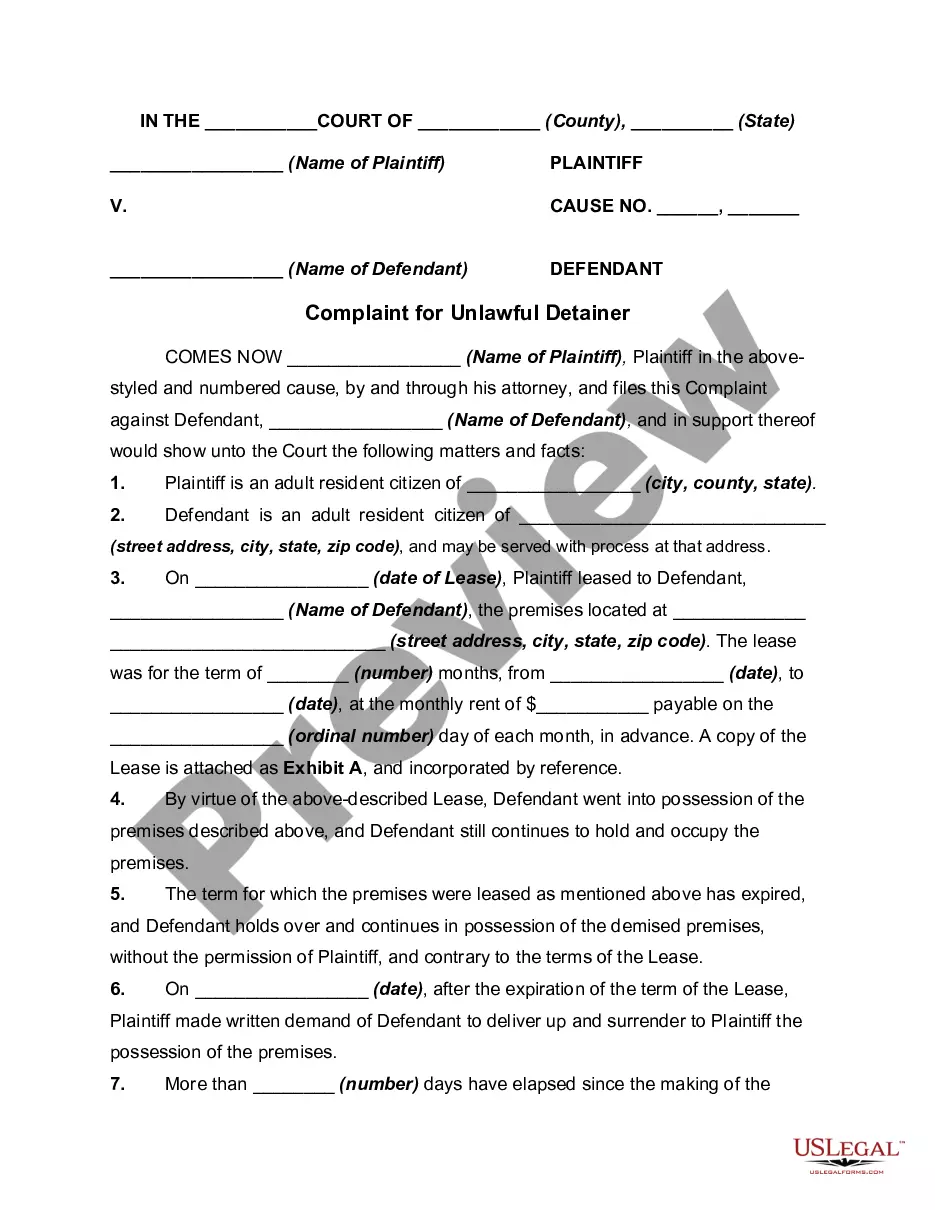


Form popularity
FAQ
One may feel one has a dispute with a business person or a family member-but once the summons is issued it is the full power of the law and the courts that is brought to bear in the dispute and it is absolutely vital to treat it seriously, file a response within the time limits…or face the consequences.
The Judge will ask you how you will plead, guilty or not guilty. You'll plead not guilty, usually and then the Judge will set the case for some other pre-trial hearings and if you cannot afford an attorney, the Judge will appoint one for you. Also, at the arraignment, the Judge is going to set release conditions.
But while a summons marks the beginning of a court case, a subpoena comes after a case has begun and requires the person who receives it to provide evidence that is considered important to the outcome of the case. You can still receive a subpoena even if you aren't directly involved in the case.
If you think the draft order correctly says what was ordered, you can sign in the "Approved as to Form" section and either file the signed document with the court, or return it to the other party. Even if you refuse to approve it as to form, the other party can still file the proposed order.
Summary. A summons is a notice served on a person to let them know that a complaint or petition has been filed against them. The summons requires the person to answer the complaint or petition within a certain amount of time, or attend a court hearing on a certain day and time.
If you sue someone, you must serve them with a summons. This gives them notice of the lawsuit. “Service of process” is the formal name for giving a defendant a summons to come to court.
If this happens, some states permit the signer to sign the document in the presence of a witness. The witness — not the signer — then appears before the Notary. The Notary identifies and administers an oath to the witness. Then, the witness signs the document.
Bring a valid, government issued photo ID with you when you visit for notary services. Be sure to bring all of the documents that need to be notarized with you. Be sure the documents are complete and ready for signature. If you need legal advice, please consult an attorney.
Remote Online Notarization (RON) allows notaries to perform notarizations via digital platforms, such as Zoom, under certain legal frameworks. It uses technology to verify identities and witness document signings, bypassing the need for physical presence.
(1) If an applicant has been convicted of or pled nolo contendere to a felony, a lesser offense involving moral turpitude, or a lesser offense of a nature incompatible with the duties of a notary public, the recommended action is: Denial of the application.

