Admission Letter For Form One 2023 In Palm Beach
Description
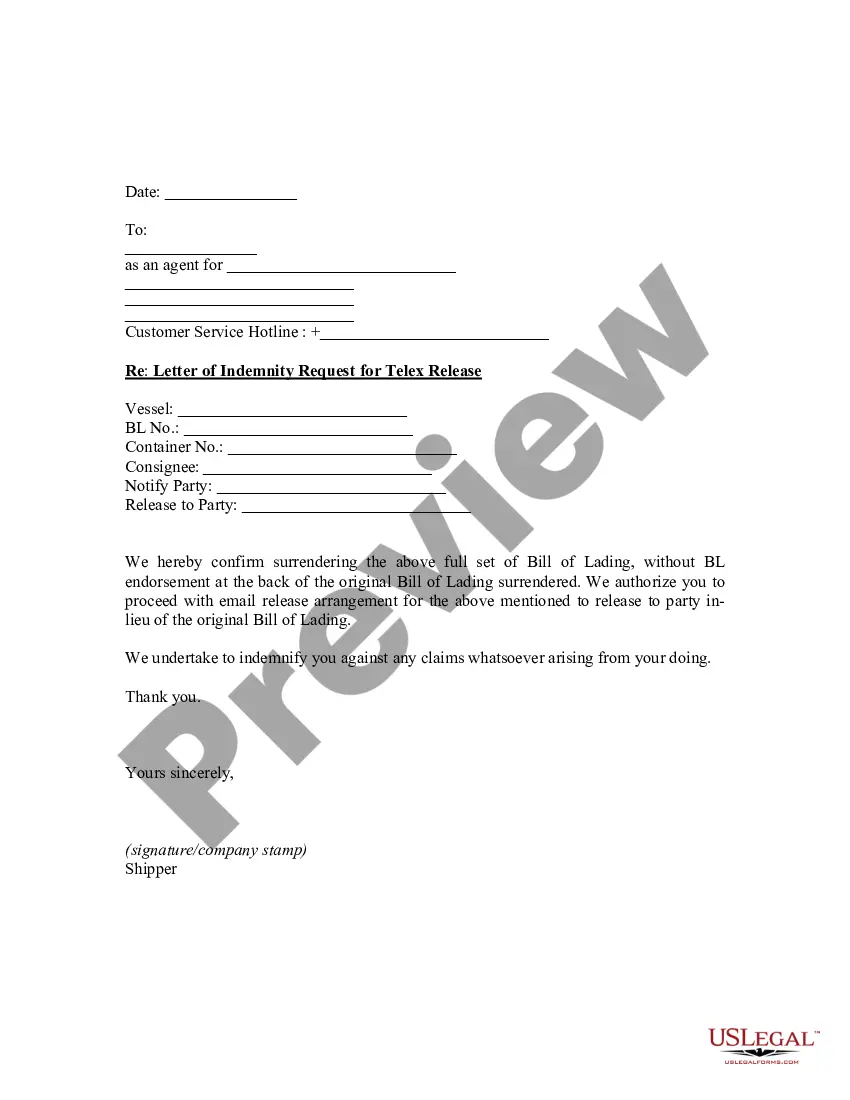
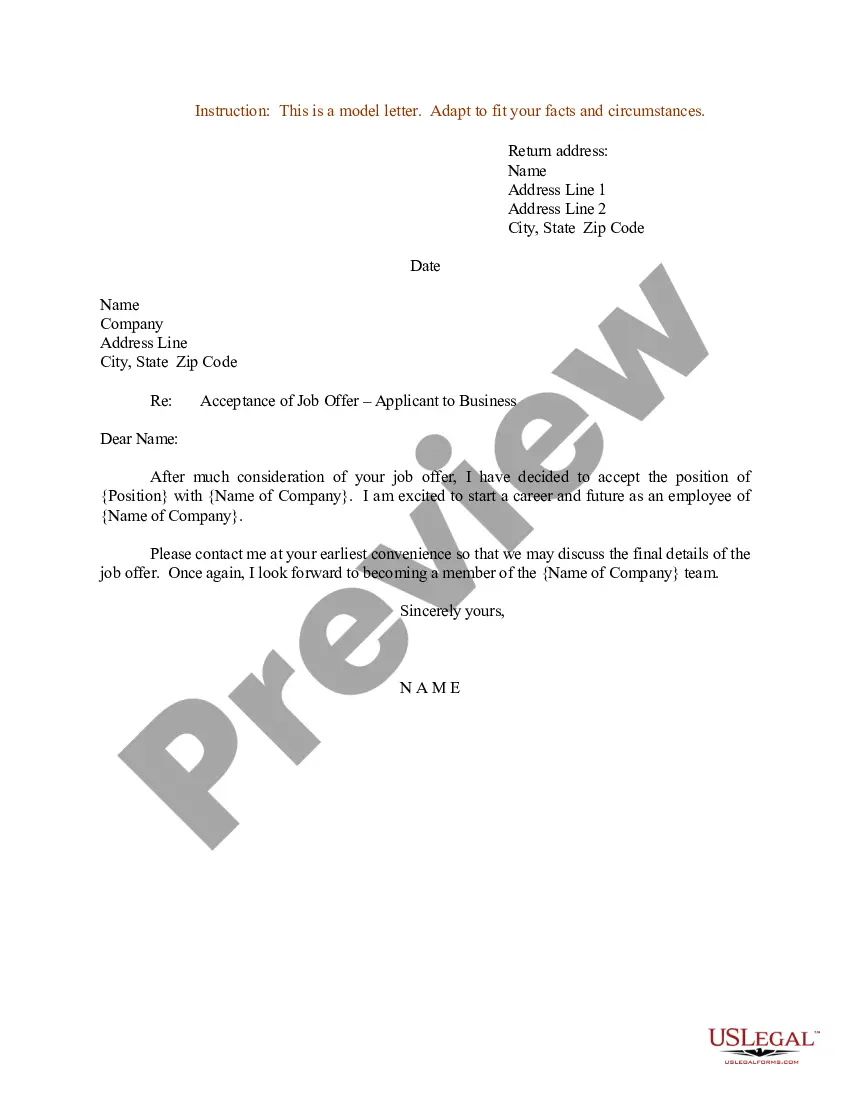
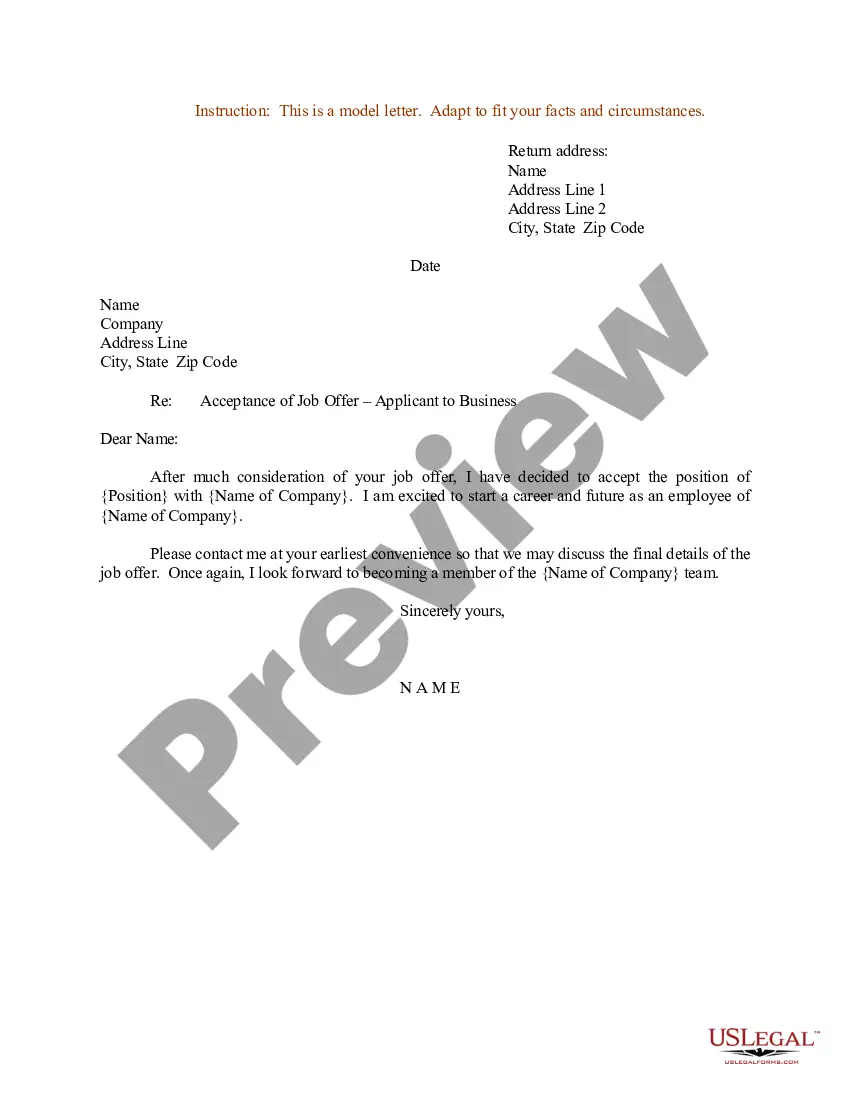
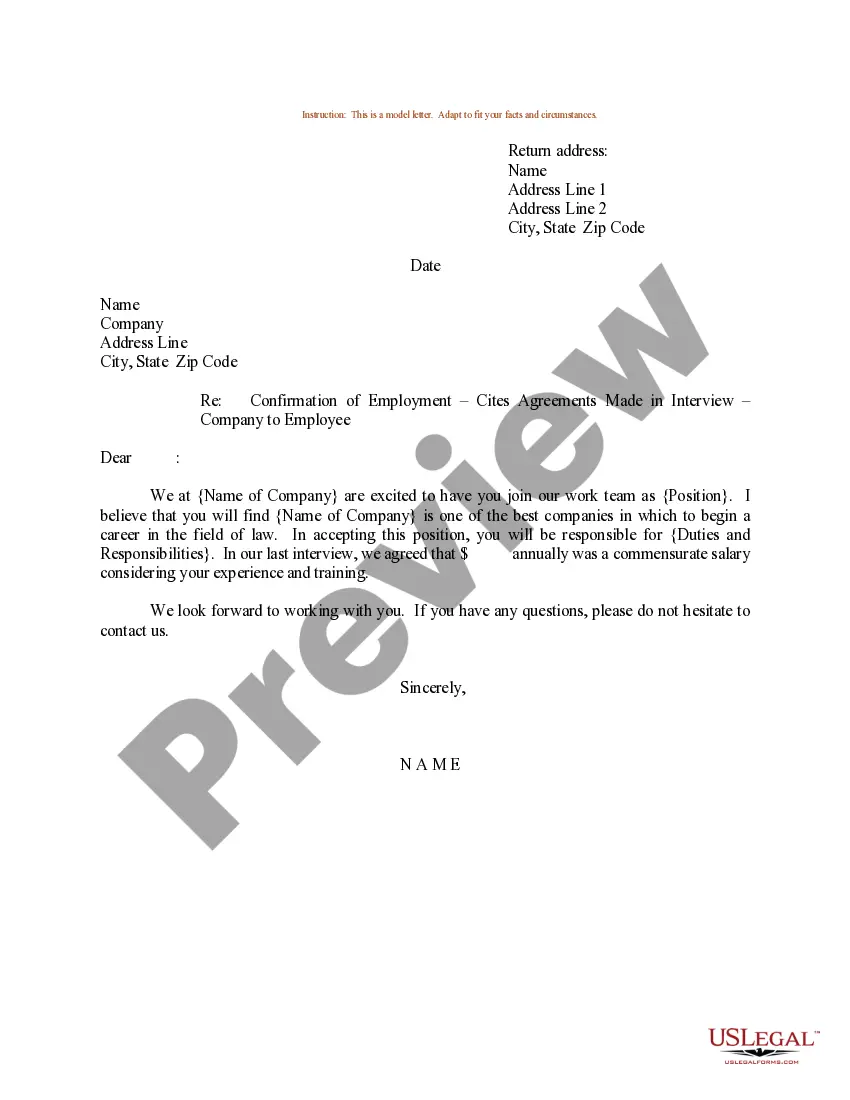
Get your form ready online
Our built-in tools help you complete, sign, share, and store your documents in one place.
Make edits, fill in missing information, and update formatting in US Legal Forms—just like you would in MS Word.
Download a copy, print it, send it by email, or mail it via USPS—whatever works best for your next step.
Sign and collect signatures with our SignNow integration. Send to multiple recipients, set reminders, and more. Go Premium to unlock E-Sign.
If this form requires notarization, complete it online through a secure video call—no need to meet a notary in person or wait for an appointment.
We protect your documents and personal data by following strict security and privacy standards.

Make edits, fill in missing information, and update formatting in US Legal Forms—just like you would in MS Word.

Download a copy, print it, send it by email, or mail it via USPS—whatever works best for your next step.

Sign and collect signatures with our SignNow integration. Send to multiple recipients, set reminders, and more. Go Premium to unlock E-Sign.

If this form requires notarization, complete it online through a secure video call—no need to meet a notary in person or wait for an appointment.

We protect your documents and personal data by following strict security and privacy standards.
Looking for another form?
Form popularity
FAQ
In many areas, parents can choose from neighborhood schools, charter schools or other public schools of choice, or transfer their child to another public school (in or out of district). They can also select a private school (religious or secular) or teach their child at home.
How does school choice work in Florida? Florida's school choice programs provide alternatives to parents who do not wish to send their children to the local public schools to which they are assigned. Families can apply for a voucher through one of Florida's two scholarship funding organizations.
Each district school board and charter school must adopt a controlled open enrollment plan that allows a parent from any school district in the state to enroll his or her child in and transport his or her child to any public school that has not reached capacity.
What information is required in order to enroll a student in a Florida public school? Evidence of a medical exam completed no less than 12 months prior to the child's school entry date. Official documentation that the parent(s) or guardian(s) is a legal resident(s) of the school district attendance area.
There are different types of schooling available to your child in Florida. As their parent or guardian, you have the right to choose what schools and services fit them best. Use this guide from CMS Health Plan to understand the types of schools you can choose from.
“Choice” programs are programs available for all students throughout Palm Beach county. All students are eligible to apply for a Choice program, regardless of their attendance zone. b. “Full Choice” schools are schools within the district that do not have a designated attendance boundary.
Minimum freshman admission requirements include: Graduation from a regionally accredited secondary school or the equivalent (G.E.D., etc.).
Be a high school senior. Have an unweighted high school cumulative grade point average (GPA) of 3.2 or higher. Complete the MANDATORY Dual Enrollment Orientation and submit the Dual Enrollment Agreement prior to registration of classes. Submit an online Palm Beach State Application for Admission.
State colleges have an "open door" admissions process. To be eligible for admission to a state college, a student must earn a standard high school diploma or its equivalent (General Educational Development – GED – or adult high school diploma) or demonstrate success in college coursework.
Palm Beach State College welcomes all students with a high school diploma or GED. To join our Panther family, simply submit your application and official transcripts.

