Job Offer Acceptance Letter With Conditions In Orange
Description
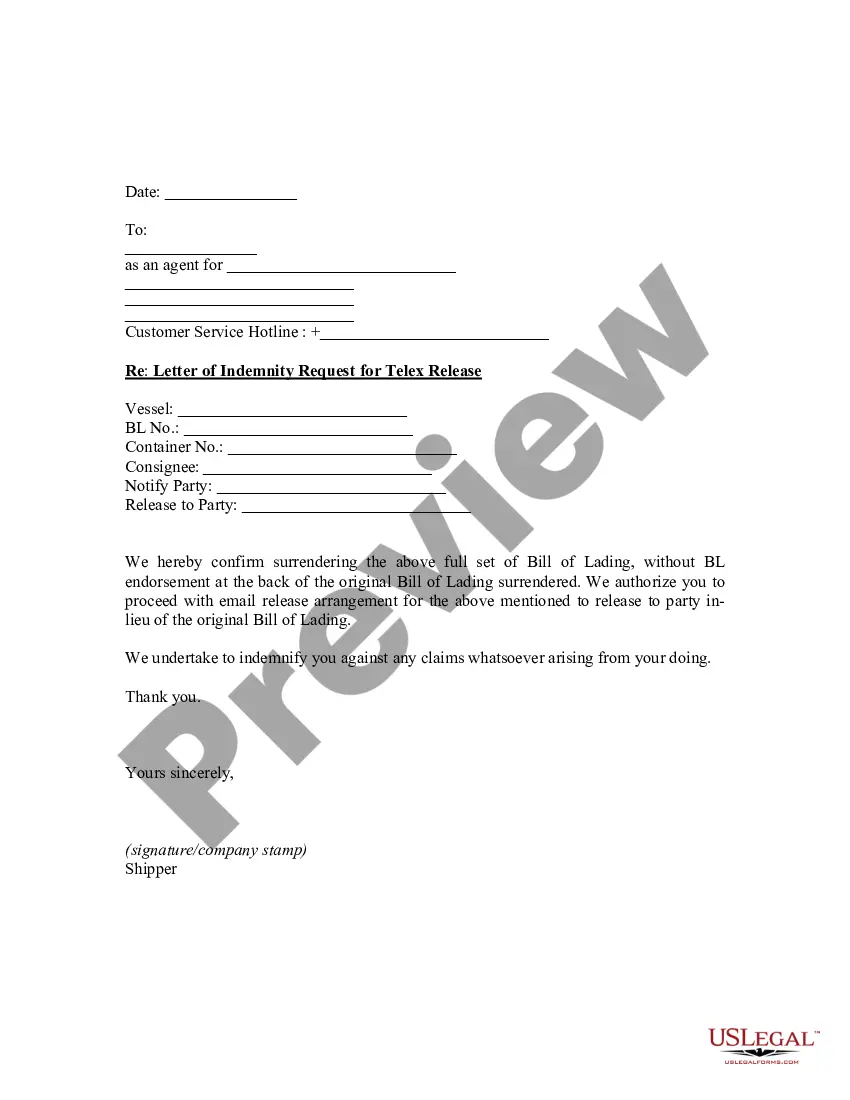
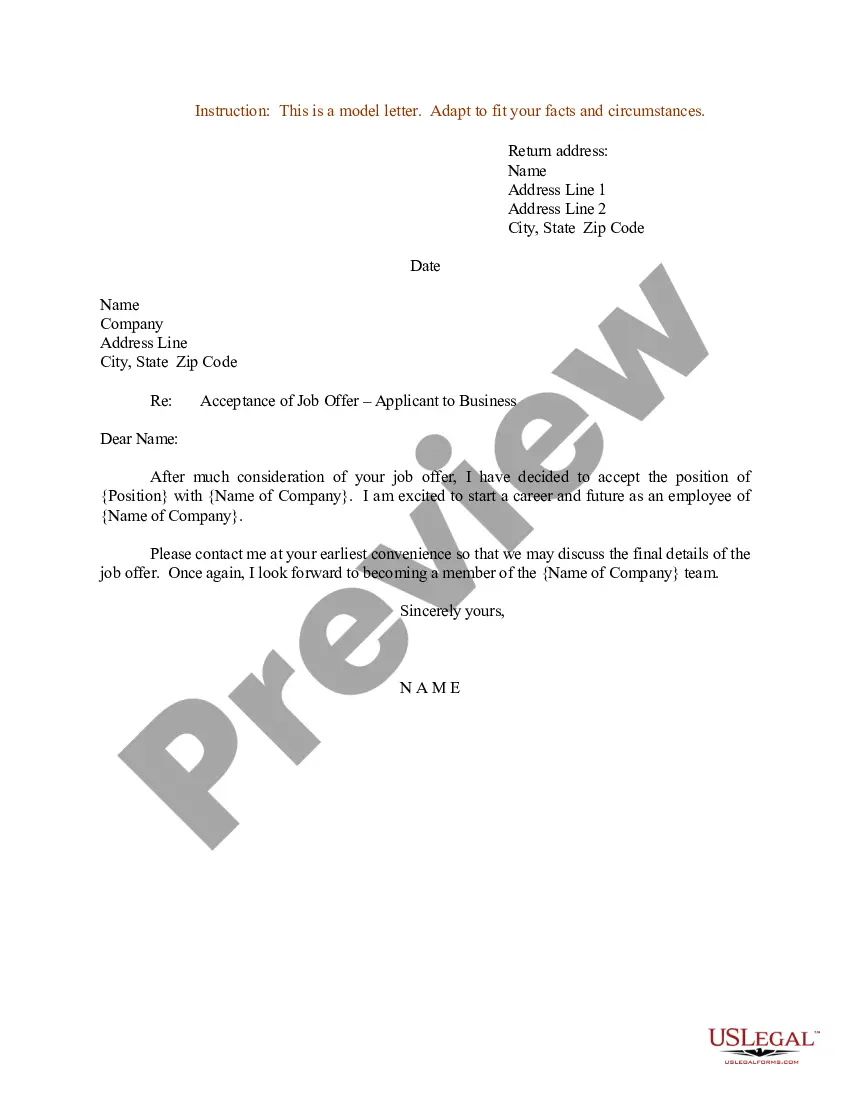
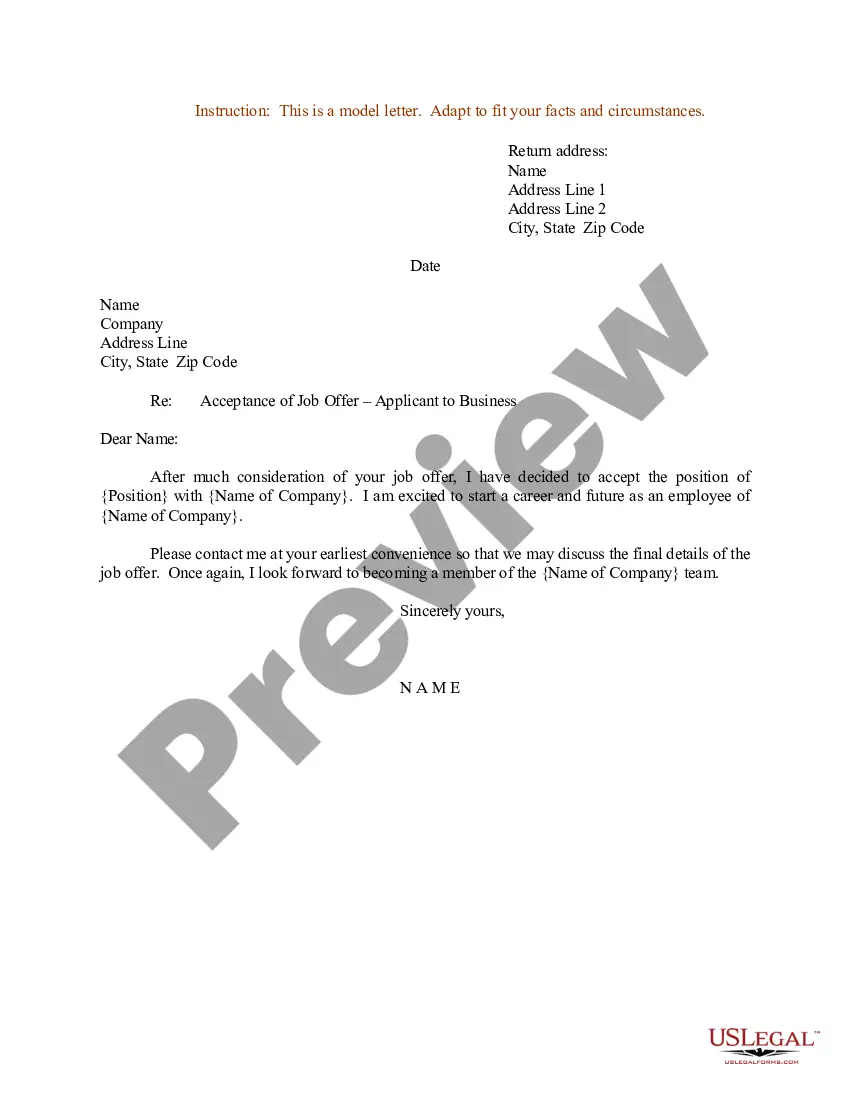
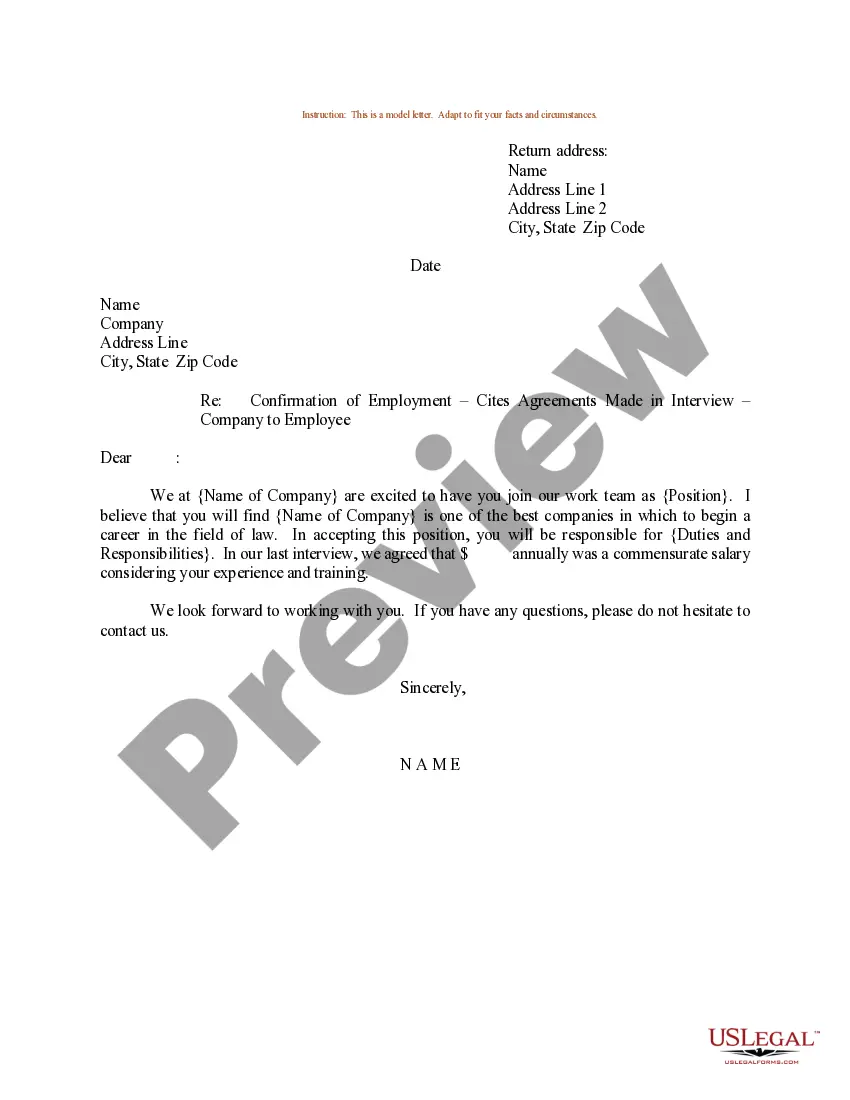
Get your form ready online
Our built-in tools help you complete, sign, share, and store your documents in one place.
Make edits, fill in missing information, and update formatting in US Legal Forms—just like you would in MS Word.
Download a copy, print it, send it by email, or mail it via USPS—whatever works best for your next step.
Sign and collect signatures with our SignNow integration. Send to multiple recipients, set reminders, and more. Go Premium to unlock E-Sign.
If this form requires notarization, complete it online through a secure video call—no need to meet a notary in person or wait for an appointment.
We protect your documents and personal data by following strict security and privacy standards.

Make edits, fill in missing information, and update formatting in US Legal Forms—just like you would in MS Word.

Download a copy, print it, send it by email, or mail it via USPS—whatever works best for your next step.

Sign and collect signatures with our SignNow integration. Send to multiple recipients, set reminders, and more. Go Premium to unlock E-Sign.

If this form requires notarization, complete it online through a secure video call—no need to meet a notary in person or wait for an appointment.

We protect your documents and personal data by following strict security and privacy standards.
Looking for another form?

Form popularity
FAQ
Include the following: a thank-you for the offer, your written acceptance, the terms and conditions of the offer, including the salary and job title, and the starting date. Keep it professional. Follow the hiring manager's lead in terms of tone and format.
A job offer acceptance letter can be fairly brief, but needs to contain the following: An expression of your gratitude for the job offer and the opportunity. Written formal acceptance of the job offer. The terms and conditions (your salary, job title, and any other benefits) Clarification on your starting date.
A conditional offer is therefore a provisional one only. You are required to fulfil all conditions in the offer letter before the offer can be updated to an "unconditional" one, and before you can formally accept the offer.
Start by addressing the letter to the appropriate recipient or organization. Clearly state the purpose of the letter, which is to provide conditional acceptance for a particular situation or circumstance. Include the specific conditions or requirements that need to be met in order for the acceptance to be finalized.
A conditional acceptance letter indicates that a school is interested in enrolling you as a student but needs you to take further action or provide more information before completing your enrollment.
A conditional offer of employment should be written like a traditional job offer, with a full description of the job responsibilities, salary, etc. However, it also lays out conditions that must be met in order for the employee to start work.
Your subject line should directly state your acceptance of the position title. In the body of the email, include a statement of acceptance and express gratitude for the opportunity. Mention any details you need clarification on, such as start date, salary, or benefits. You may also briefly restate the offer terms.
Ways to Respond Be clear about what you need to do to meet the conditions and the completion deadline. Watch out for any vague conditions or unrealistic expectations. Ask questions and clarify expectations. If you stumble upon any part of the conditional job offer that is even slightly unclear, don't be afraid to ask.

