Letter For Job Offer Email In Ohio
Description
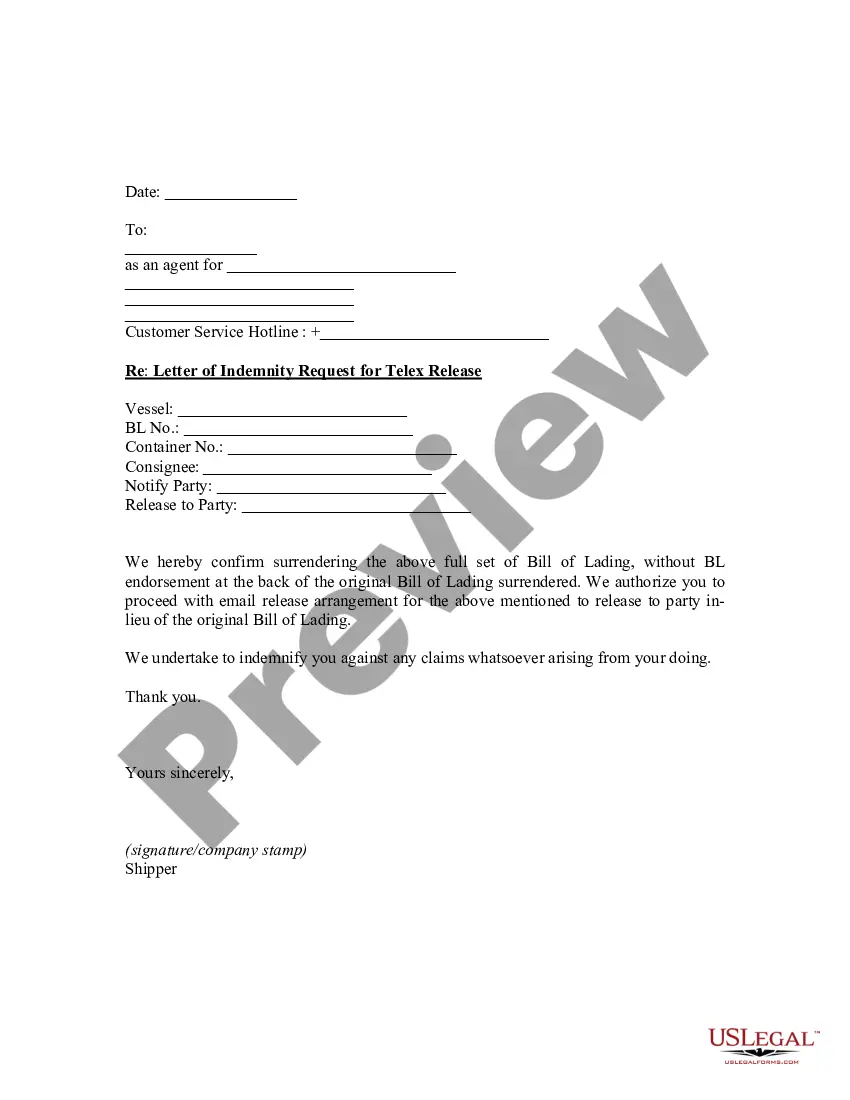
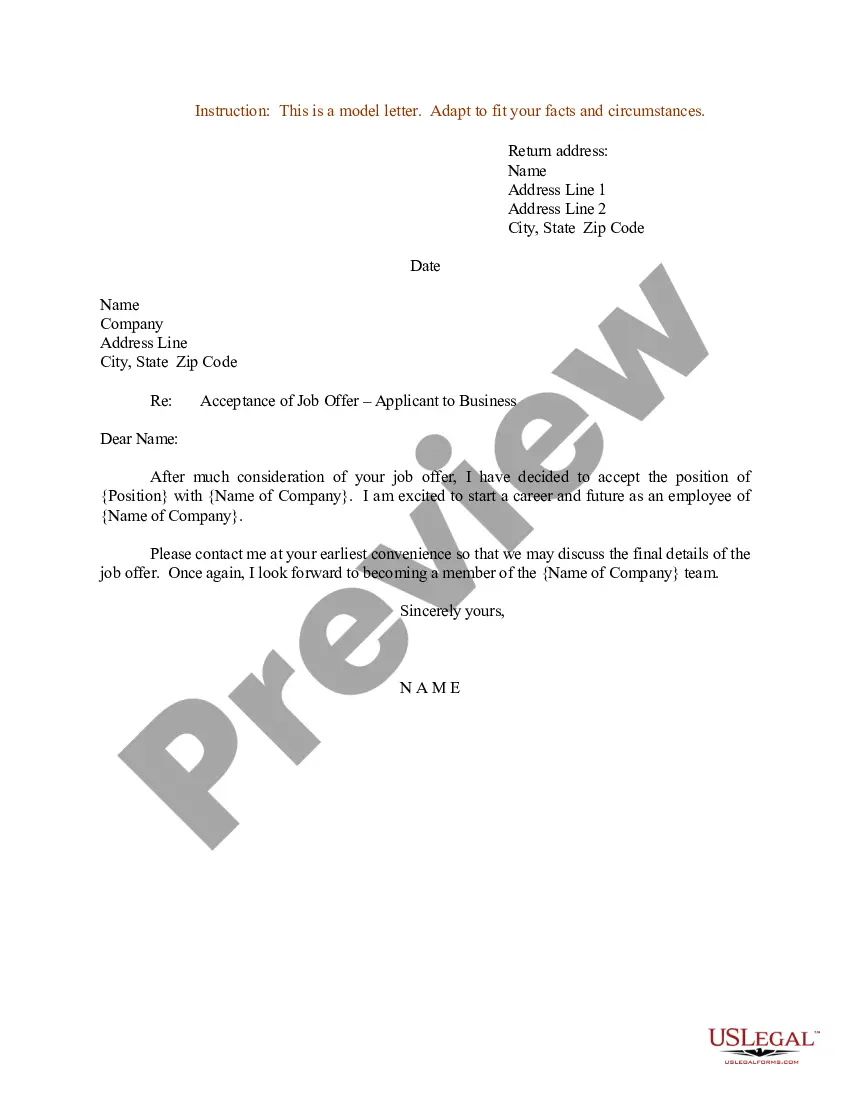
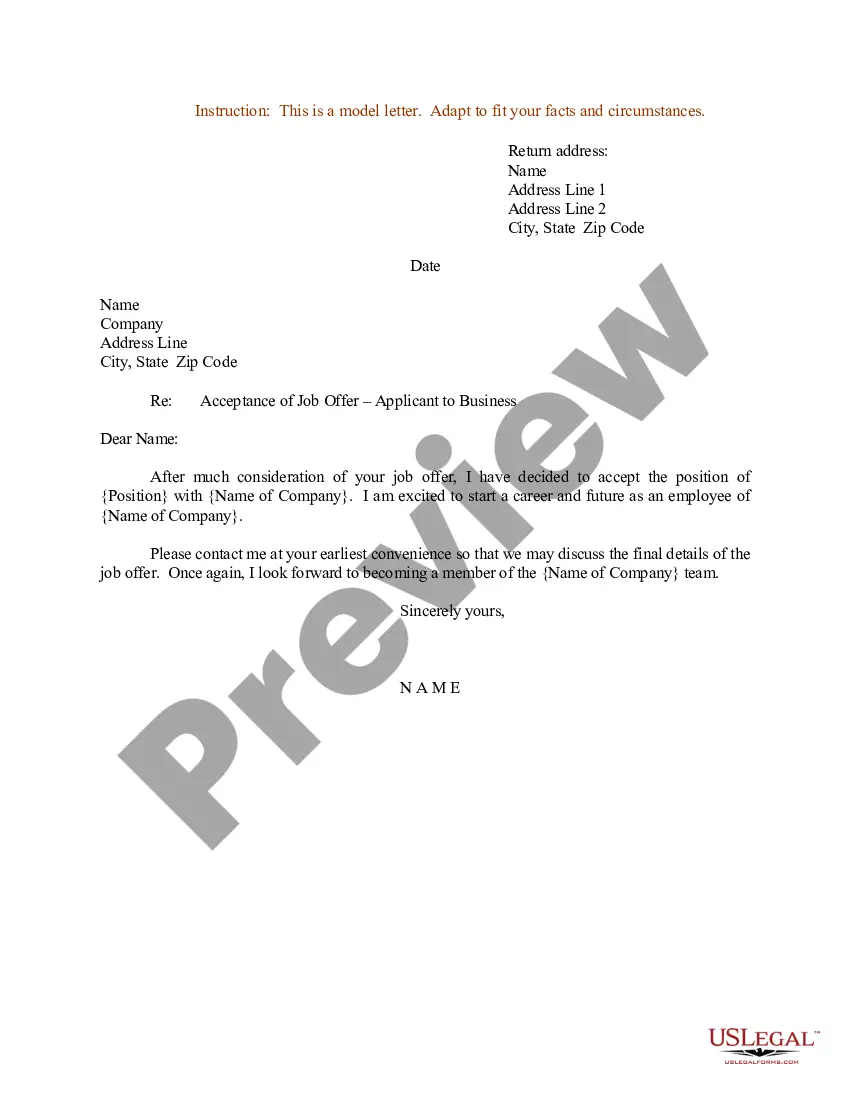
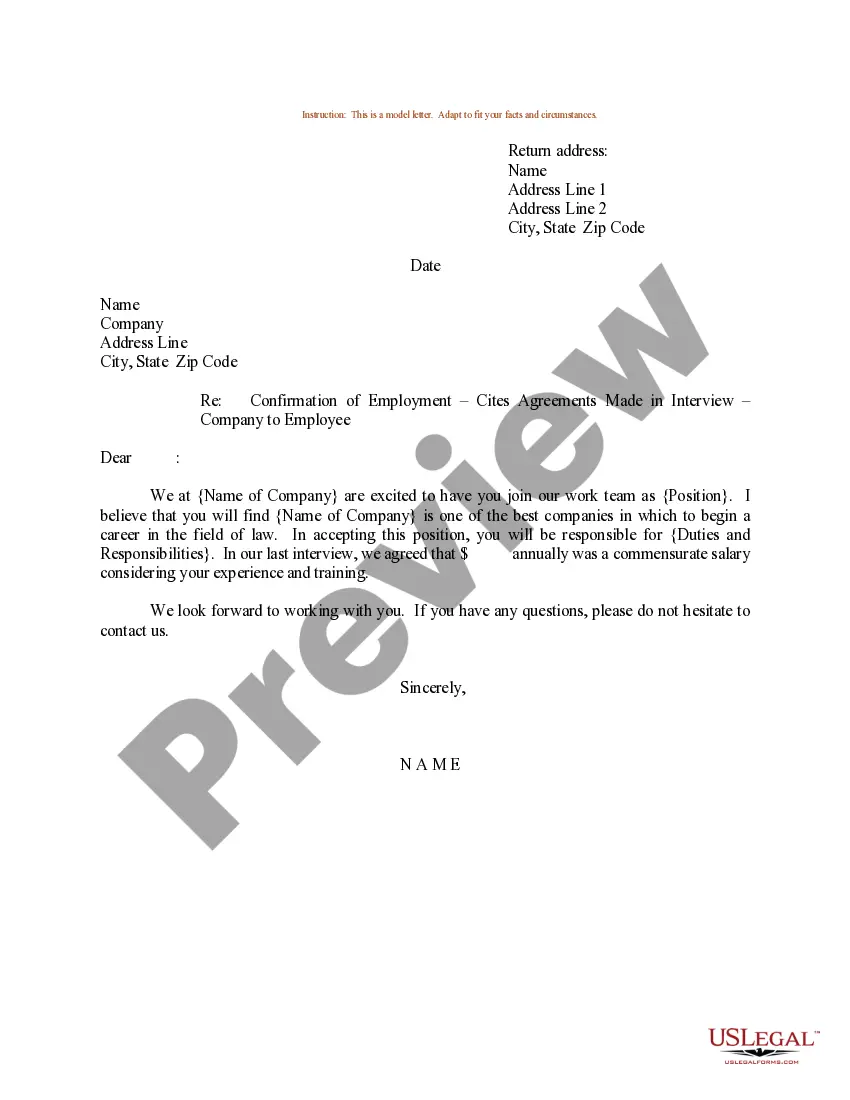
Get your form ready online
Our built-in tools help you complete, sign, share, and store your documents in one place.
Make edits, fill in missing information, and update formatting in US Legal Forms—just like you would in MS Word.
Download a copy, print it, send it by email, or mail it via USPS—whatever works best for your next step.
Sign and collect signatures with our SignNow integration. Send to multiple recipients, set reminders, and more. Go Premium to unlock E-Sign.
If this form requires notarization, complete it online through a secure video call—no need to meet a notary in person or wait for an appointment.
We protect your documents and personal data by following strict security and privacy standards.

Make edits, fill in missing information, and update formatting in US Legal Forms—just like you would in MS Word.

Download a copy, print it, send it by email, or mail it via USPS—whatever works best for your next step.

Sign and collect signatures with our SignNow integration. Send to multiple recipients, set reminders, and more. Go Premium to unlock E-Sign.

If this form requires notarization, complete it online through a secure video call—no need to meet a notary in person or wait for an appointment.

We protect your documents and personal data by following strict security and privacy standards.
Looking for another form?









Form popularity
FAQ
While some employers send job offers and rejections over email, phone calls are an extremely common method for updating applicants.
7 Signs that You're Nearing a Job Offer ➞ 1. They ask questions about timing and other interviews ➞ 2. The conversation becomes more concrete ➞ 3. The interview goes longer than scheduled ➞ 4. You get an impromptu introduction to an executive ➞ 5. You receive a speedy reply to your thank you note ➞ 6. ➞ 7.
You can call or email candidates for initial interactions, but before hiring someone, most employers want to bring them in for a face-to-face interview. There are certain scenarios where an in-person meeting isn't necessary, such as for fully remote jobs where candidates live far away.
Yes, an offer (or any other contract) delivered via email is as valid as one sent on paper, and more valid than one delivered verbally. However, a job offer isn't generally 'legally binding'. A job offer almost never says 'you're hired'.
Dear (Employer's Name), Thank you for offering me the position of (Job Title) at (Company Name). I am delighted and grateful to accept this offer and I look forward to joining your team. I appreciate the opportunity you have given me to work with such a reputable and respected organization.
A job offer email is a formal communication sent by an employer to a candidate who has been selected for a position. It outlines the terms of employment, including salary, benefits, job responsibilities, and start date, and seeks the candidate's acceptance or decline of the offer.
You can say something like ``I would be grateful if you could please send over the formal offer letter at your earliest convenience.'' In the email, restate the key details you discussed previously, such as the job title, start date, salary, and any other important terms.
Dear Candidate's Name, We are very happy to offer you a position as a Job Title at Company Name. We are truly impressed with your qualifications and experience, and we believe you'll be a valuable addition to our team. Employee Benefits: Healthcare, retirement contribution, etc.
Subject Line - Keep it clear and concise (e.g., ``Job Confirmation - (Your Name)''). Salutation - Address the recipient appropriately (e.g., ``Dear (Hiring Manager's Name),''). Introduction - State the purpose of the email (confirming the job offer). Details of the Job Offer Expression of Gratitude
Dear candidate's first name, Following the organisation's recent selection / your recent interview, I am writing to offer you the post of title of job at the salary of amount per year, starting on start date. On starting, you will report to manager's name.

