Proposal Letter With Sample In Oakland
Description
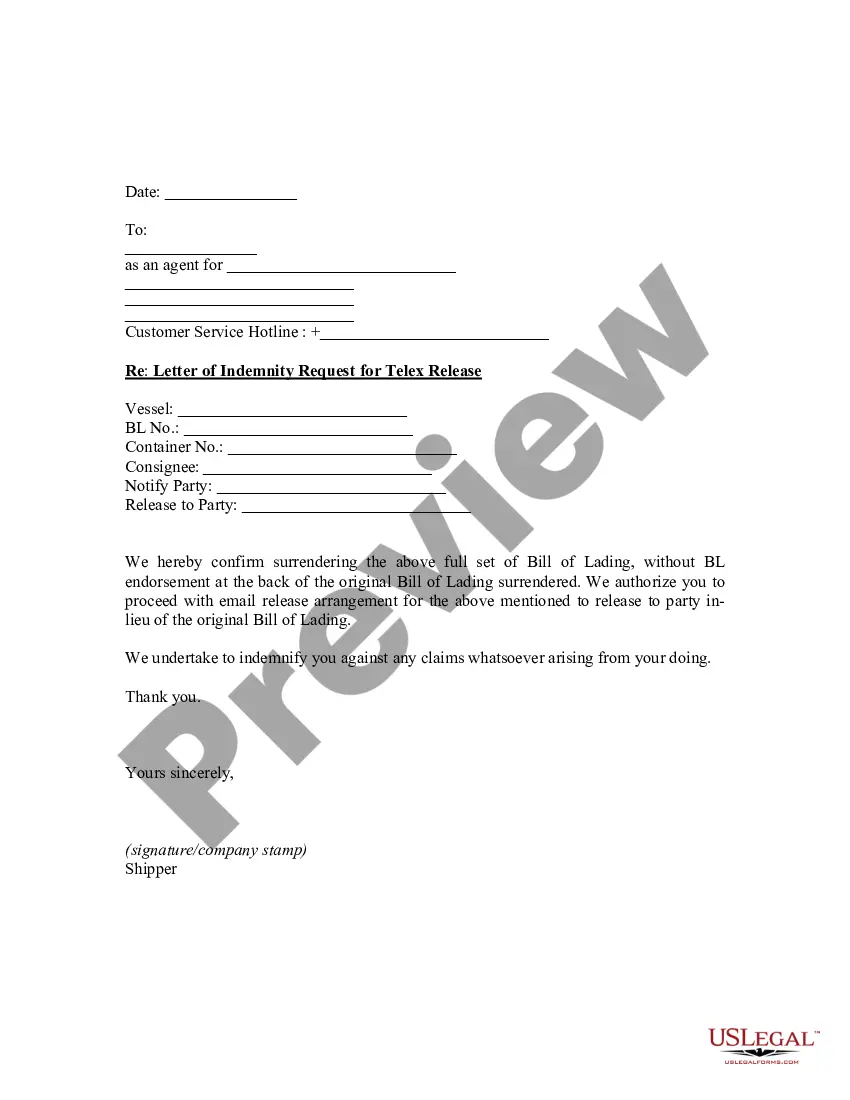
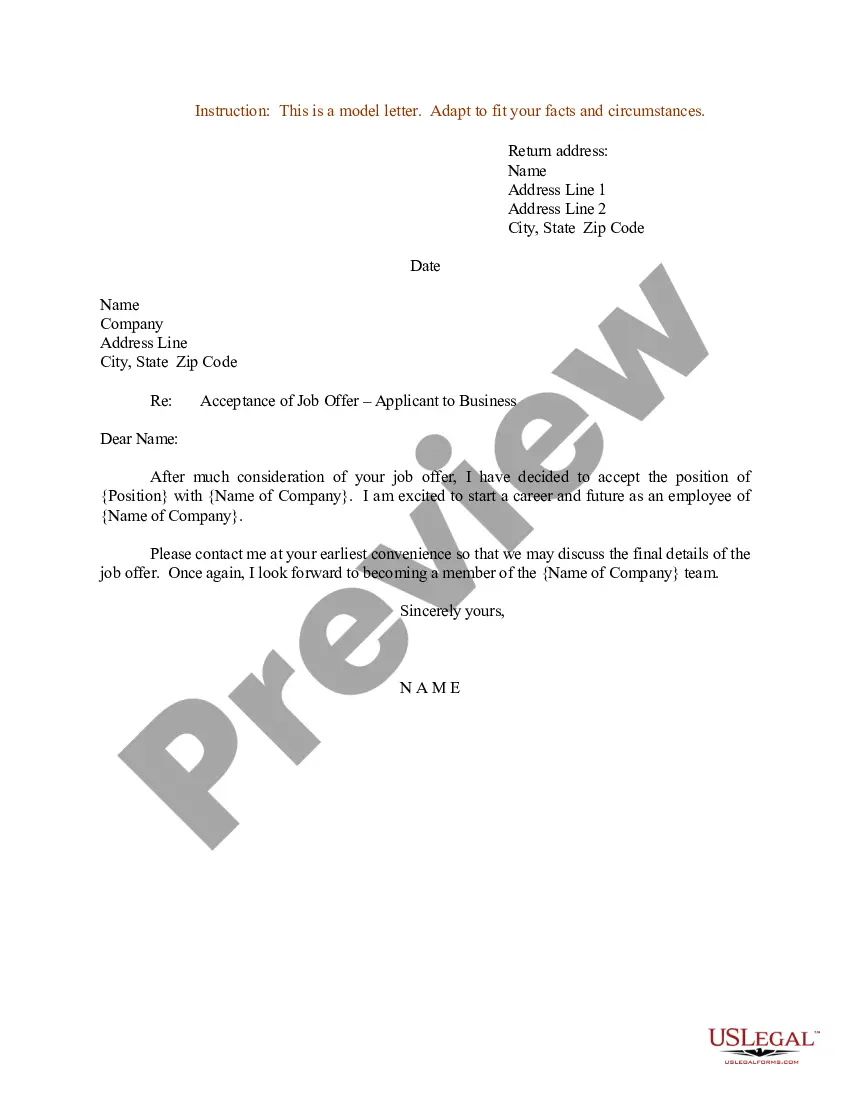
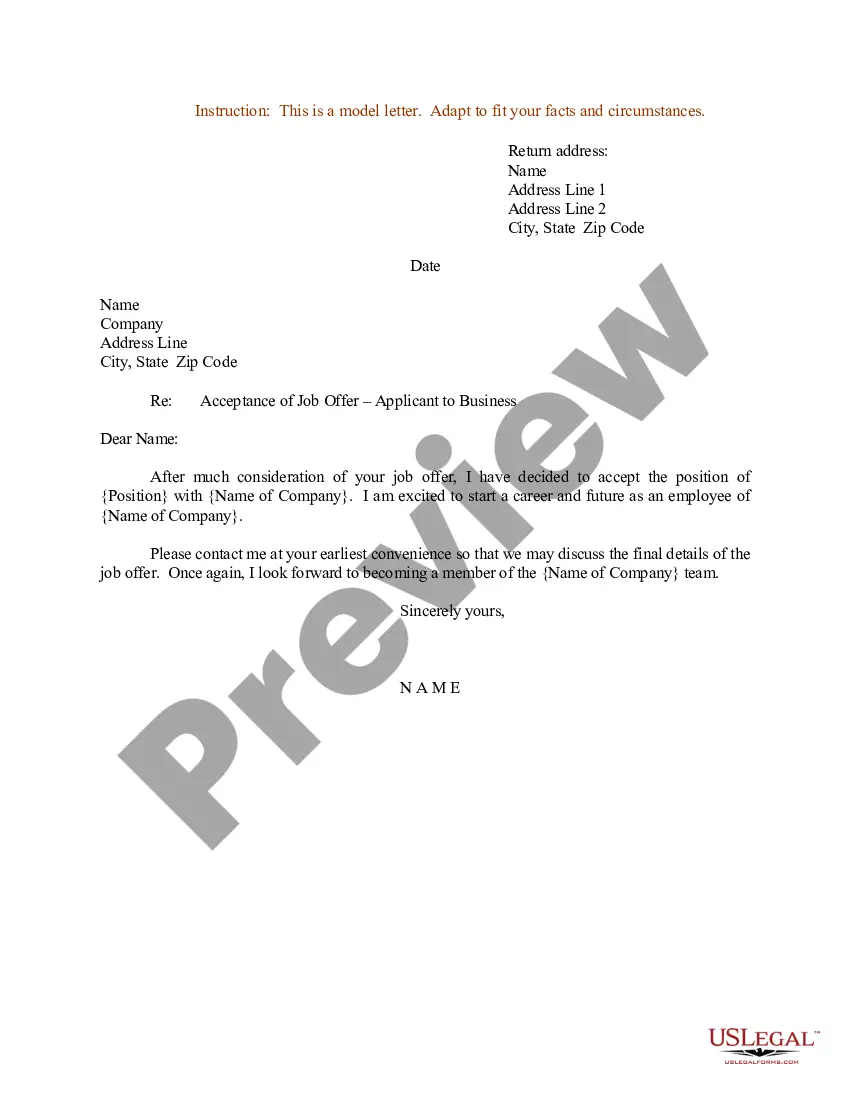
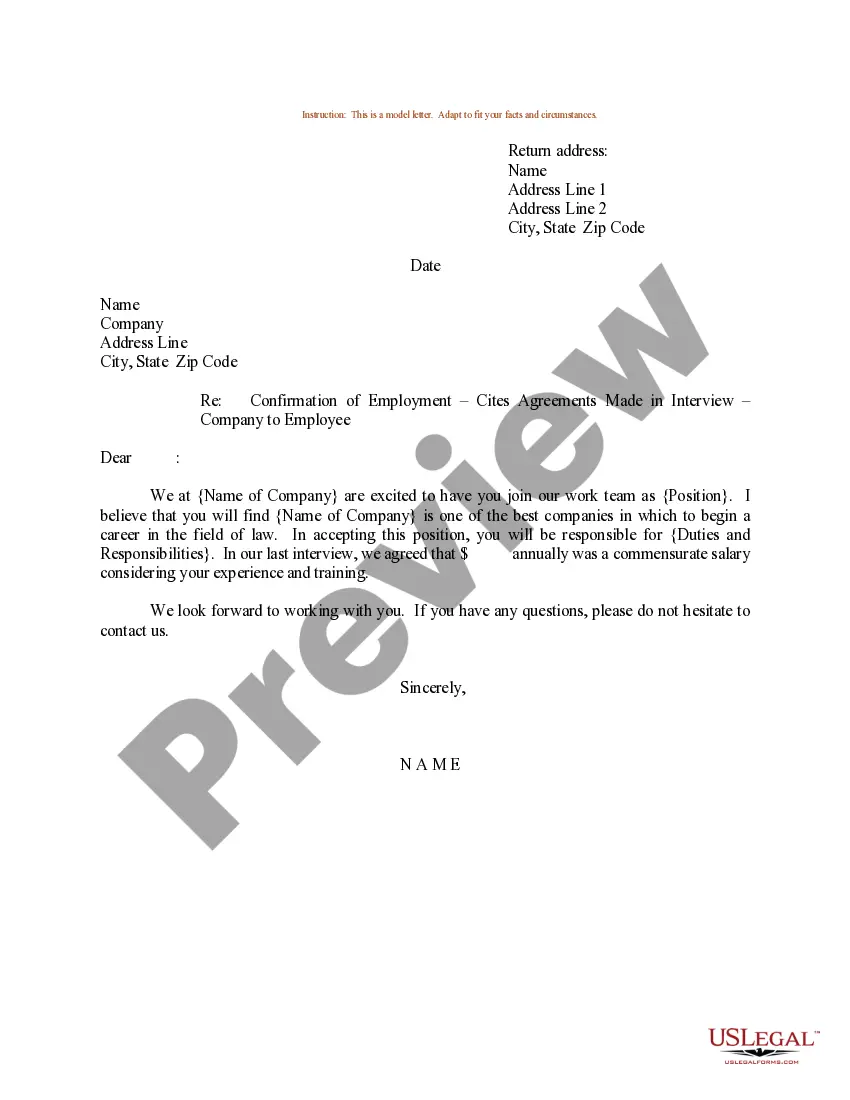
Get your form ready online
Our built-in tools help you complete, sign, share, and store your documents in one place.
Make edits, fill in missing information, and update formatting in US Legal Forms—just like you would in MS Word.
Download a copy, print it, send it by email, or mail it via USPS—whatever works best for your next step.
Sign and collect signatures with our SignNow integration. Send to multiple recipients, set reminders, and more. Go Premium to unlock E-Sign.
If this form requires notarization, complete it online through a secure video call—no need to meet a notary in person or wait for an appointment.
We protect your documents and personal data by following strict security and privacy standards.

Make edits, fill in missing information, and update formatting in US Legal Forms—just like you would in MS Word.

Download a copy, print it, send it by email, or mail it via USPS—whatever works best for your next step.

Sign and collect signatures with our SignNow integration. Send to multiple recipients, set reminders, and more. Go Premium to unlock E-Sign.

If this form requires notarization, complete it online through a secure video call—no need to meet a notary in person or wait for an appointment.

We protect your documents and personal data by following strict security and privacy standards.
Looking for another form?





Form popularity
FAQ
An example of an informal proposal may be a proposal to the supervisor about changing the time of a lunch meeting. An external formal sales proposal may be a proposal regarding a product the company produces and which they think will be useful to prospective customers.
Here are the steps to write your proposal thoroughly and convincingly. Define your objectives. Understand your audience. Research and planning. Outline the proposal. Write the introduction. Define the scope and methodology. Budgeting. Team and qualifications.
How to write a project proposal Write an executive summary. The executive summary serves as the introduction to your project proposal. Explain the project background. Present a solution. Define project deliverables and goals. List what resources you need. State your conclusion. Know your audience. Be persuasive.
A proposal letter is designed to entice the recipient to read your proposal in its entirety. It can be formal or informal, and usually covers the problem statement, goals, proposed solution, and next steps. It might also include details about the project budget or timeline.
The Three C's of Proposals All proposals should be - compliant, compelling and complete. This is the very least we should always be aiming for. The compliance and regulatory aspect of putting a proposal together is often neglected in certain regards.
Introduce yourself and provide background information. State your purpose for the proposal. Define your goals and objectives. Highlight what sets you apart. Briefly discuss budget and how funds will be used. Finish with a call to action and request a follow-up. Close the letter and provide contact details.
IN THE ABSENCE OF SUCH GUIDELINES, the following format, including a cover/title page, abstract, table of contents, introduction/statement of need, description of proposed research, biographical sketch, current and pending, facilities and equipment, and budget, may be useful.
A proposal should start with an executive summary of your challenge and solution; next, you'll describe your approach to solving the problem in detail; outline your project deliverables and milestones; explain your budget expectations; introduce your team; add case studies or testimonials; and end with a call-to-action ...
You can divide a proposal letter into three main sections, the problem, its solution and your qualifications for solving the issue. Consider the problem to be your "why." This is the purpose or reasoning for the proposed project. The problem is the issue or task you hope to solve.

