Letter Offer Document Without Comments In New York
Description
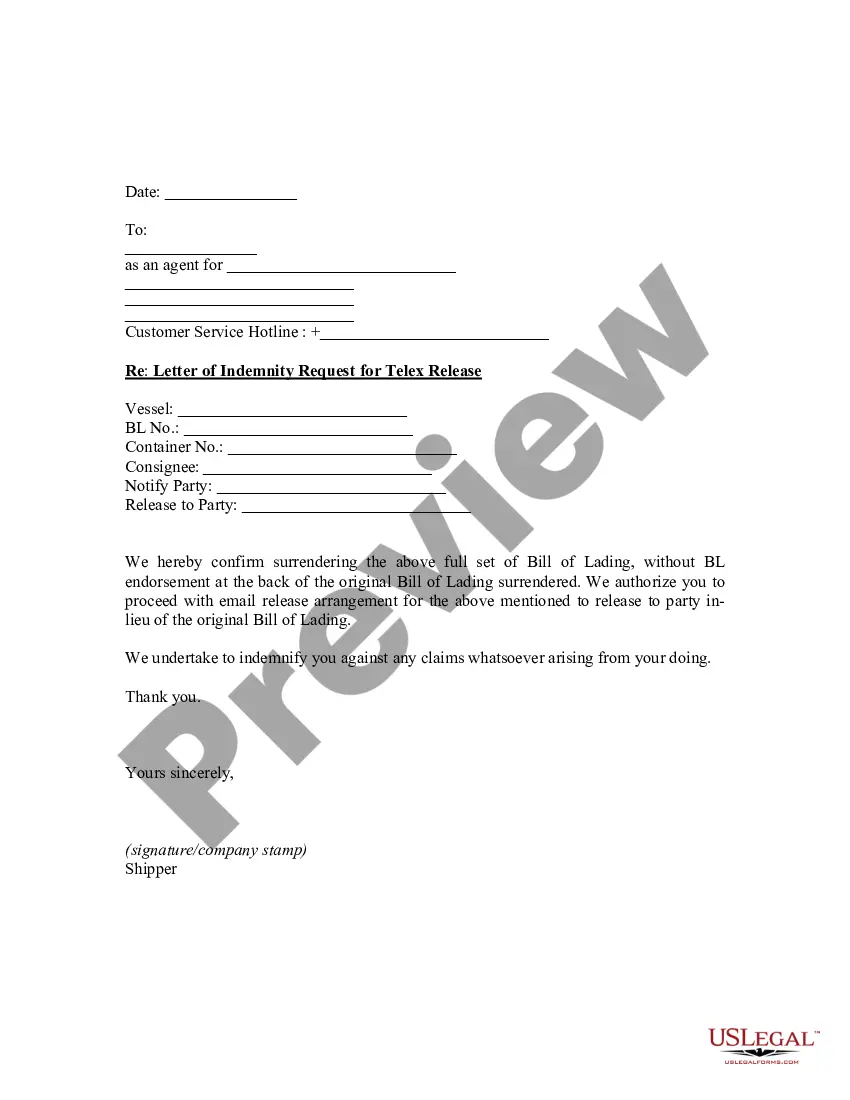
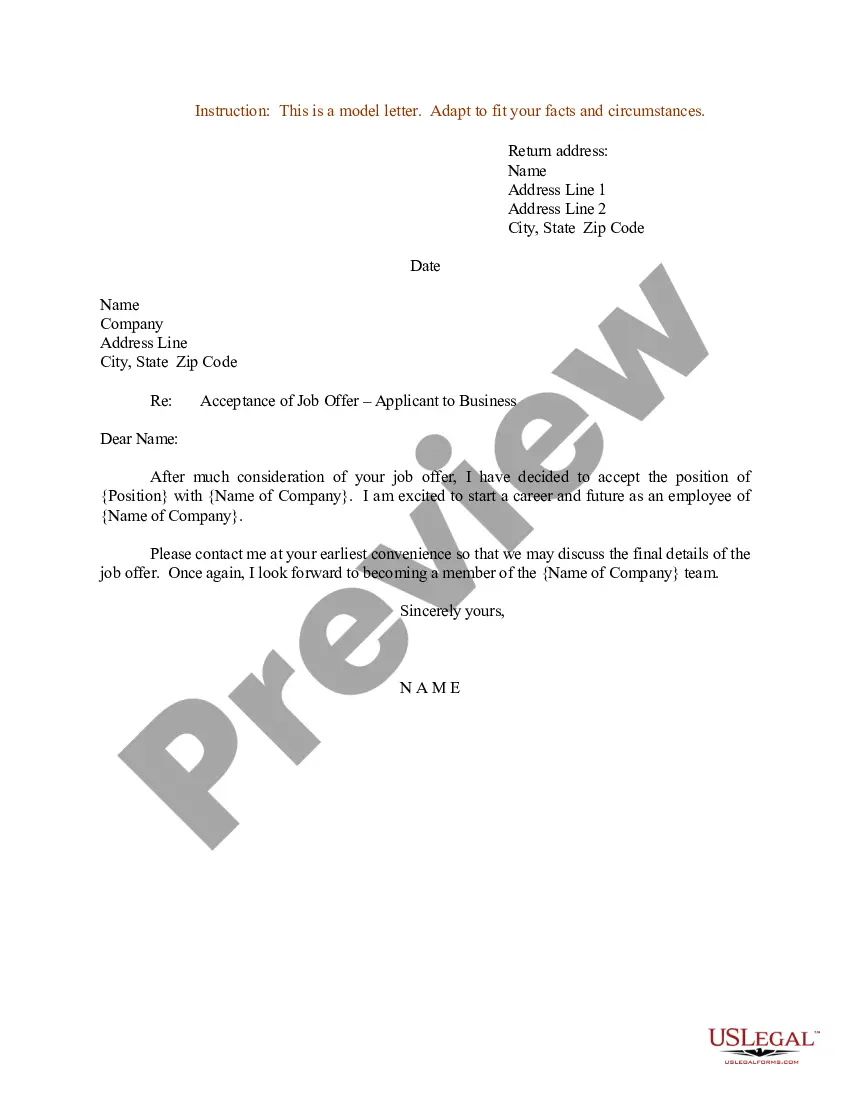
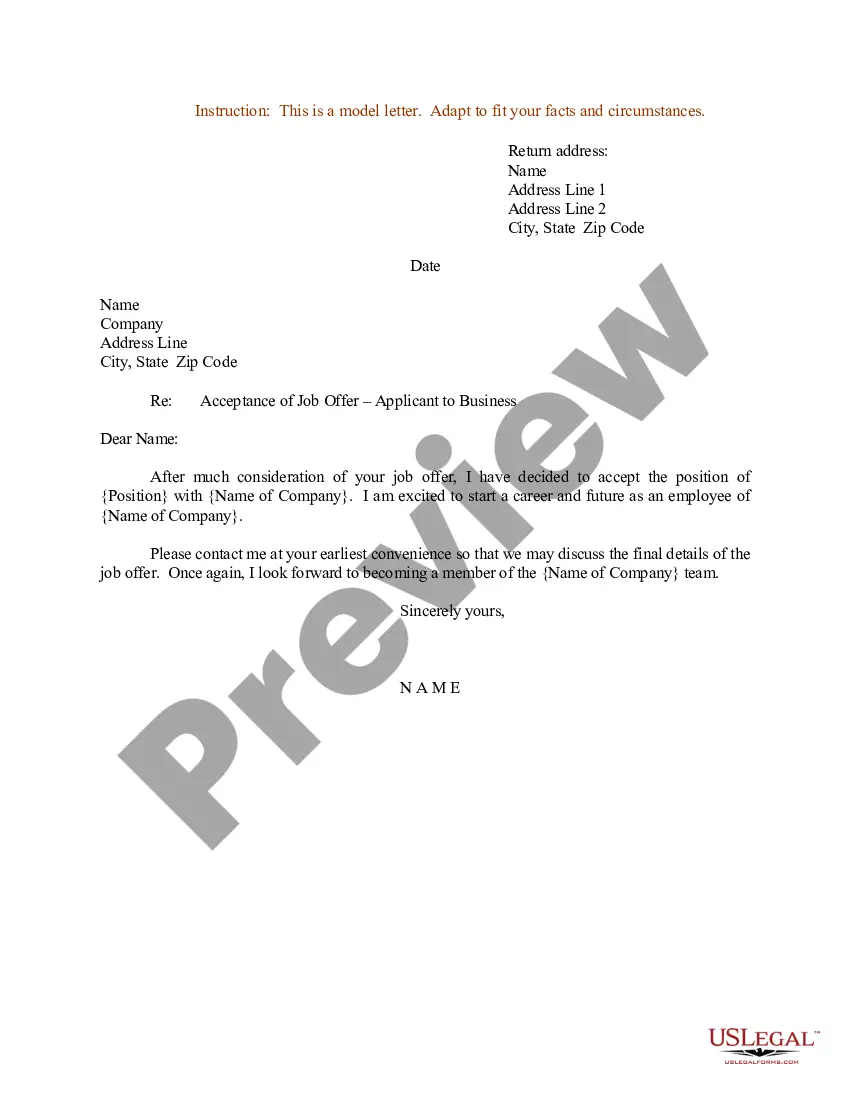
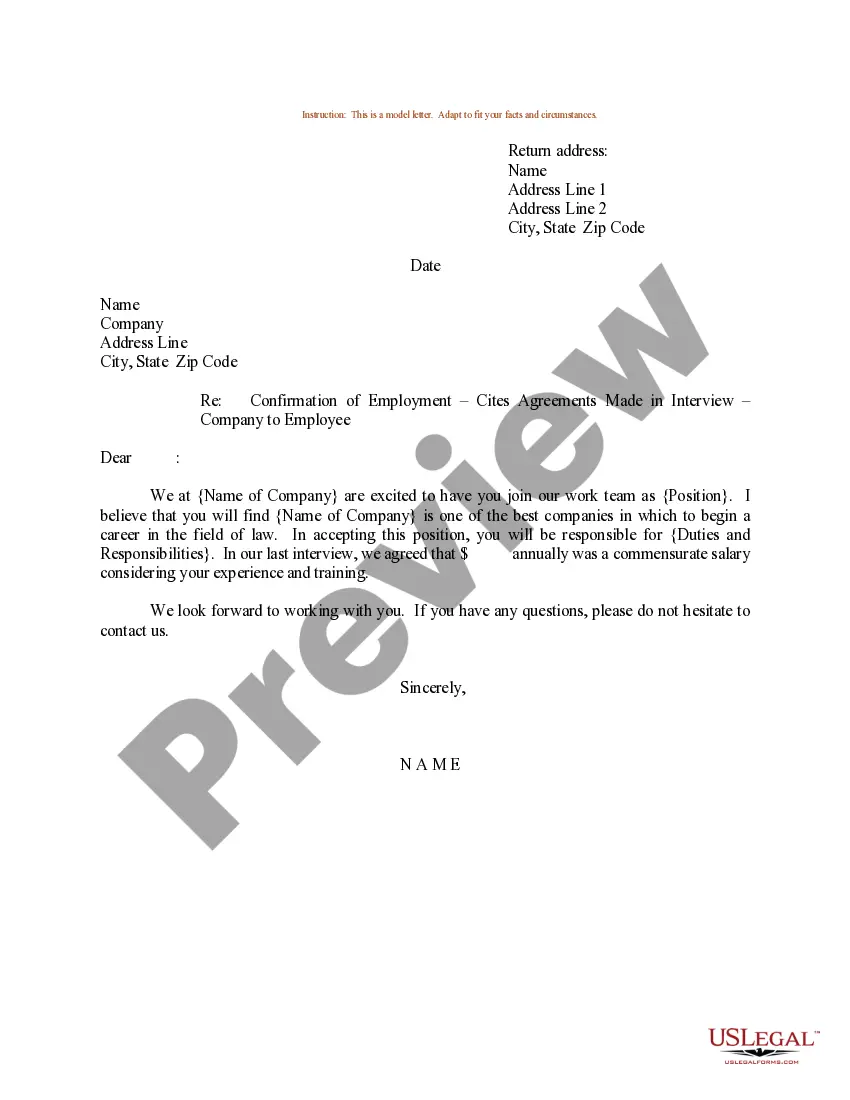
Get your form ready online
Our built-in tools help you complete, sign, share, and store your documents in one place.
Make edits, fill in missing information, and update formatting in US Legal Forms—just like you would in MS Word.
Download a copy, print it, send it by email, or mail it via USPS—whatever works best for your next step.
Sign and collect signatures with our SignNow integration. Send to multiple recipients, set reminders, and more. Go Premium to unlock E-Sign.
If this form requires notarization, complete it online through a secure video call—no need to meet a notary in person or wait for an appointment.
We protect your documents and personal data by following strict security and privacy standards.

Make edits, fill in missing information, and update formatting in US Legal Forms—just like you would in MS Word.

Download a copy, print it, send it by email, or mail it via USPS—whatever works best for your next step.

Sign and collect signatures with our SignNow integration. Send to multiple recipients, set reminders, and more. Go Premium to unlock E-Sign.

If this form requires notarization, complete it online through a secure video call—no need to meet a notary in person or wait for an appointment.

We protect your documents and personal data by following strict security and privacy standards.
Looking for another form?







Form popularity
FAQ
In an offer letter, one of the initial items is an acknowledgment of confidential information. This is because the letter typically includes personal identifying details such as name, address, and phone number, along with privileged information about the job and the hiring company.
Some important details about an offer letter are: It is NOT a legally binding contract. It does NOT include promises of future employment or wages.
An employment letter contains a revised version of the offer letter as well as the employer's signature, stamp, and conditions for retention and termination. If the employer doesn't sign the letter, it is not legally binding.
What is included in an offer letter? A job offer letter provides an overview of the job position and company as well as specific job details such as the start rate, remuneration, work schedule, benefits, and more.
It will include the job title and description, compensation and benefits package, bonus structure, vacation, holidays, leave policy, and start date. Generally, it will also state that employment is at-will and may provide a mechanism for resolving employment disputes such as arbitration.
Don't make promises. Avoid making any promises or statements that can be construed as promises related to the length or permanency of the employment relationship. Clearly indicate in the offer that the individual—if they accept—will be an at-will employee and any offer letter doesn't constitute an employment contract.
In the event you need to rescind a job offer, you should accompany a phone call with a notice in writing. While a properly worded offer letter should clearly state that it is not a contract, a formal notice acts as an official record and a deterrent against any legal action.
Here are some effective ways to request this information: ``Thank you so much for the job offer, I'm very excited about the opportunity. Before I accept, I'd like to discuss the compensation details. Could you please provide the specifics of the salary range, benefits, and any other monetary components of the offer?''
“I am excited about the opportunity to start on Start Date. Could you please send me the formal, written offer that includes the salary, benefits, and expected start date? I'm available at any time if further information is needed.”
What to Include in an Offer Letter: Basic information about the position, such as the position or title, starting date, and reporting line; Whether the position is full- or part-time, and a basic work schedule;

