Letter Acceptance Document Without Comments In Michigan
Description
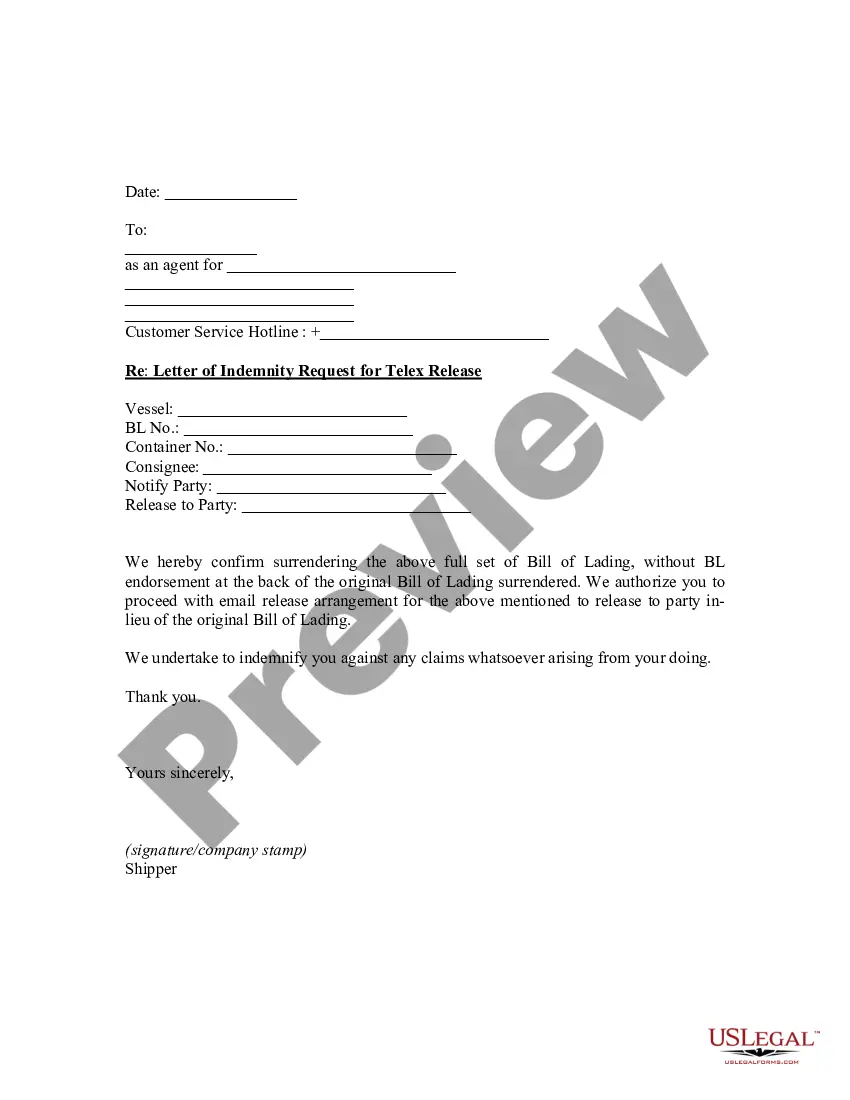
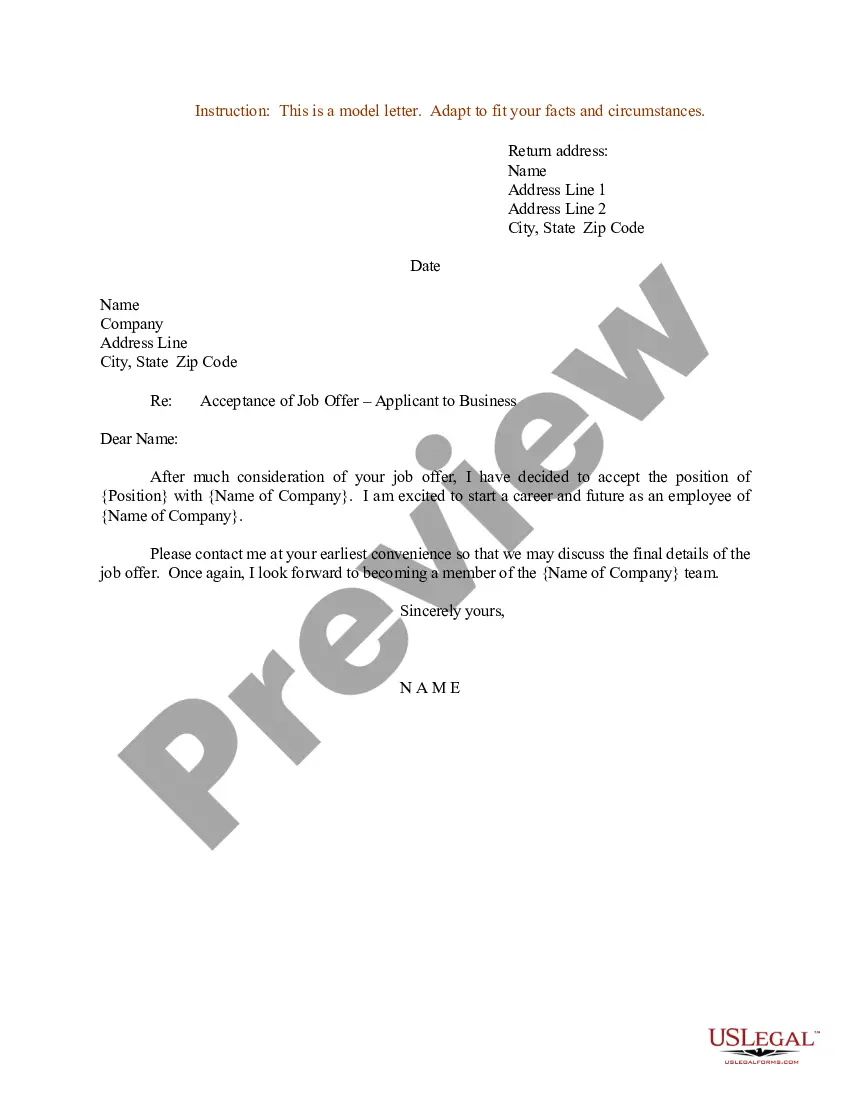
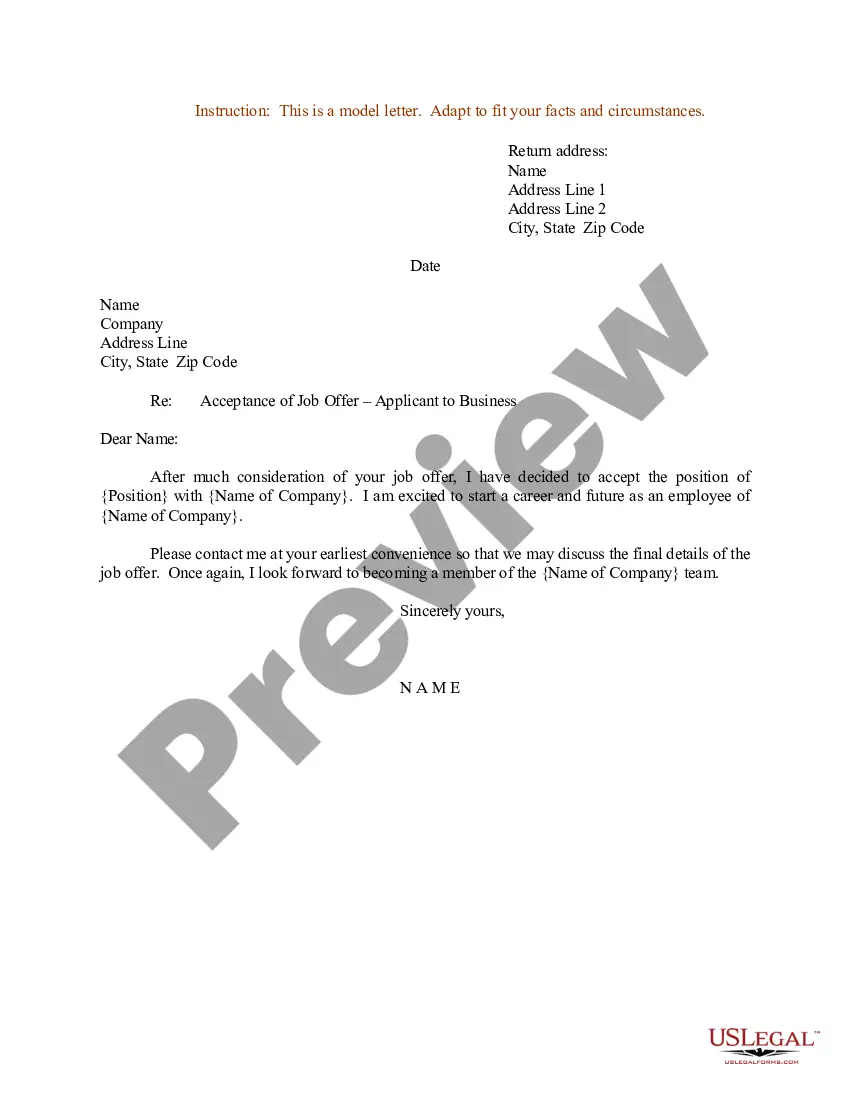
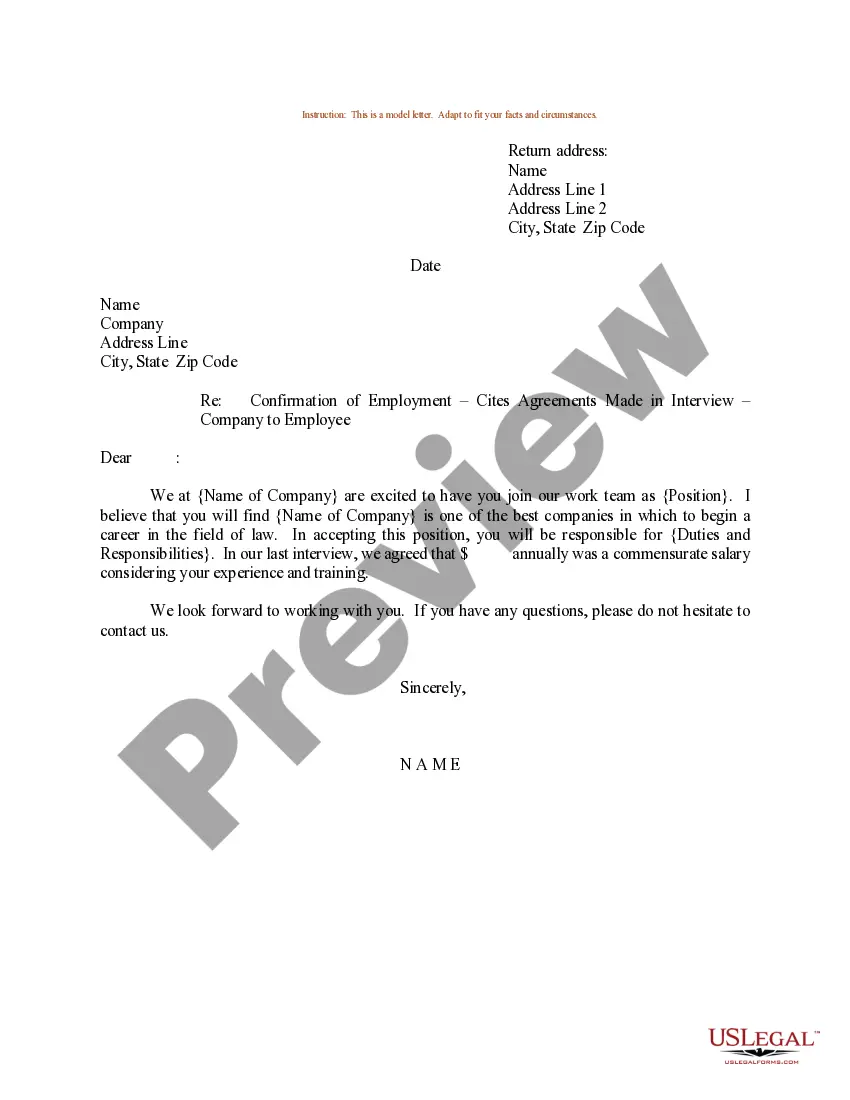
Get your form ready online
Our built-in tools help you complete, sign, share, and store your documents in one place.
Make edits, fill in missing information, and update formatting in US Legal Forms—just like you would in MS Word.
Download a copy, print it, send it by email, or mail it via USPS—whatever works best for your next step.
Sign and collect signatures with our SignNow integration. Send to multiple recipients, set reminders, and more. Go Premium to unlock E-Sign.
If this form requires notarization, complete it online through a secure video call—no need to meet a notary in person or wait for an appointment.
We protect your documents and personal data by following strict security and privacy standards.

Make edits, fill in missing information, and update formatting in US Legal Forms—just like you would in MS Word.

Download a copy, print it, send it by email, or mail it via USPS—whatever works best for your next step.

Sign and collect signatures with our SignNow integration. Send to multiple recipients, set reminders, and more. Go Premium to unlock E-Sign.

If this form requires notarization, complete it online through a secure video call—no need to meet a notary in person or wait for an appointment.

We protect your documents and personal data by following strict security and privacy standards.
Looking for another form?




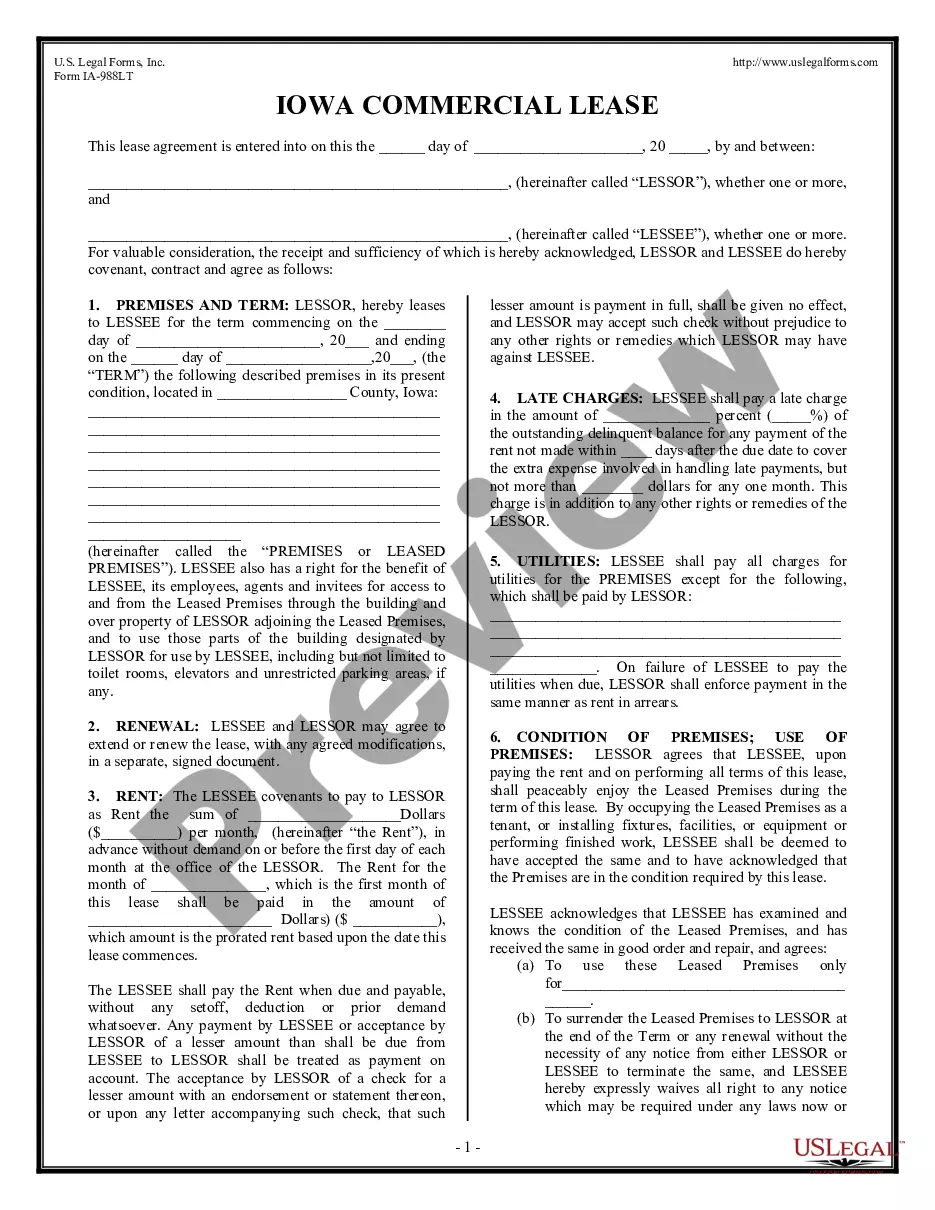
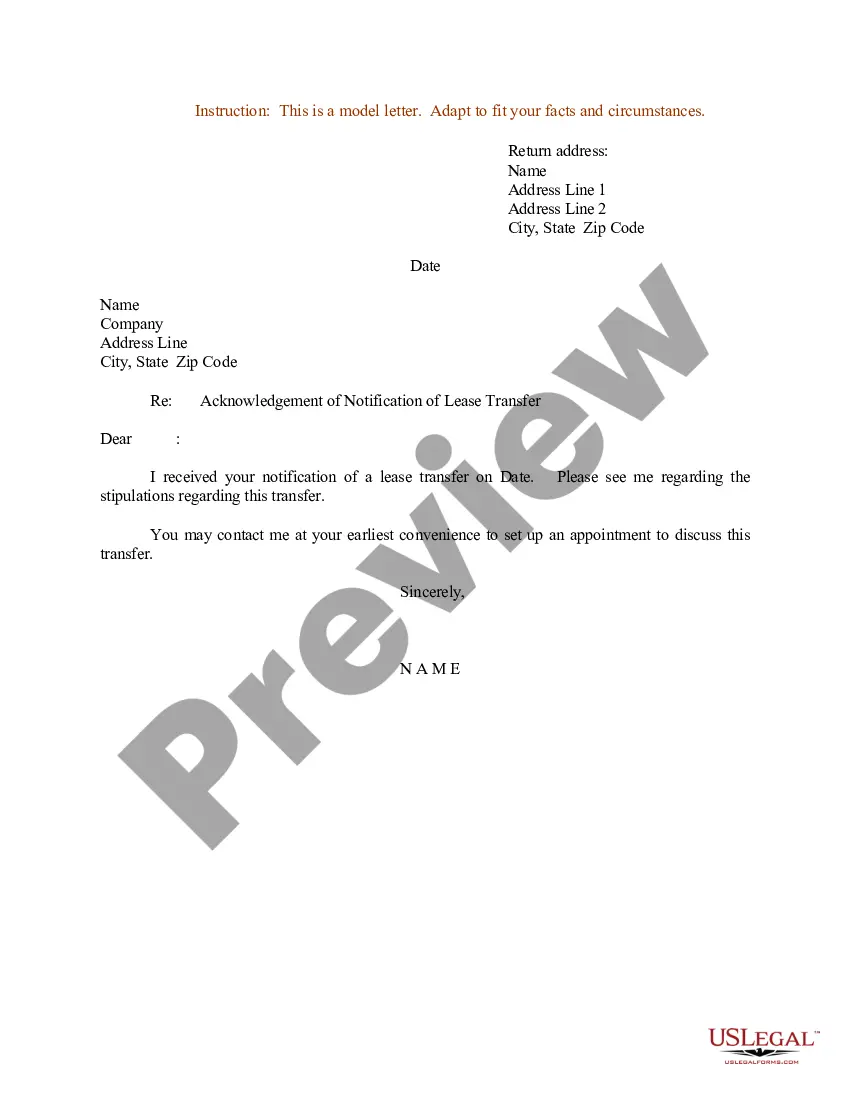




Form popularity
FAQ
How Can I Serve Someone Electronically? The party requesting electronic service must first file a motion with the court and include a supporting affidavit stating the reasons why the recipient likely owns a specific email address, cellphone number, or social media account.
Keep the following rules in mind when serving documents by e-mail: All documents must be in PDF format; The e-mail subject line must include the name of the court, case name, case number, and the title of each document being sent; If you e-mail a document at or before p.m., it is considered served on that day.
Serving Documents in an Existing Case The general rule in Michigan courts is that these documents must be served electronically (e-filed with MiFILE or sent as a PDF email attachment) to the greatest extent possible.
A Michigan notary acknowledgment is completed by a notary public to verify that someone's signature on a document is valid. The person who signed the document must meet the notary in person, show their identification, and declare that the signature is theirs and was given willingly.
Signed and sworn to (or affirmed) before me on ______________ by _________________. This record was acknowledged before me on _______________ by ___________________. Signed (or attested) before me on _______________ by _____________________.
Rule 2.313 - Failure to Serve Disclosure or to Provide or to Permit Discovery; Sanctions (A) Motion for Order Compelling Disclosure or Discovery. A party, on reasonable notice to other parties and all persons affected, may apply for an order compelling disclosure or discovery as follows: (1) Appropriate Court.
Personal service of a petition or motion must be made at least 7 days before the date set for hearing, or an adjourned date, unless a different period is provided or permitted by court rule. This subrule applies regardless of conflicting statutory provisions.
You appear and answer by filing a written answer with the same court where the complaint was filed and serving the plaintiff with that answer.
Tells the court that you had legal papers in a civil case - other than a summons - delivered to (served on) the other party. Lists the papers that were served and tells who they were served on, where, when, and how they were served, and who served them.
Fill out form MC 03 (Answer, Civil) on the website or get a paper copy from the court to fill out. Write in the court number, case number, the court address, the court telephone number, and the names, addresses, and telephone numbers of the plaintiff and the defendant exactly as they are on your court papers.
