Letter Acceptance Job Application With No Response In Kings
Description
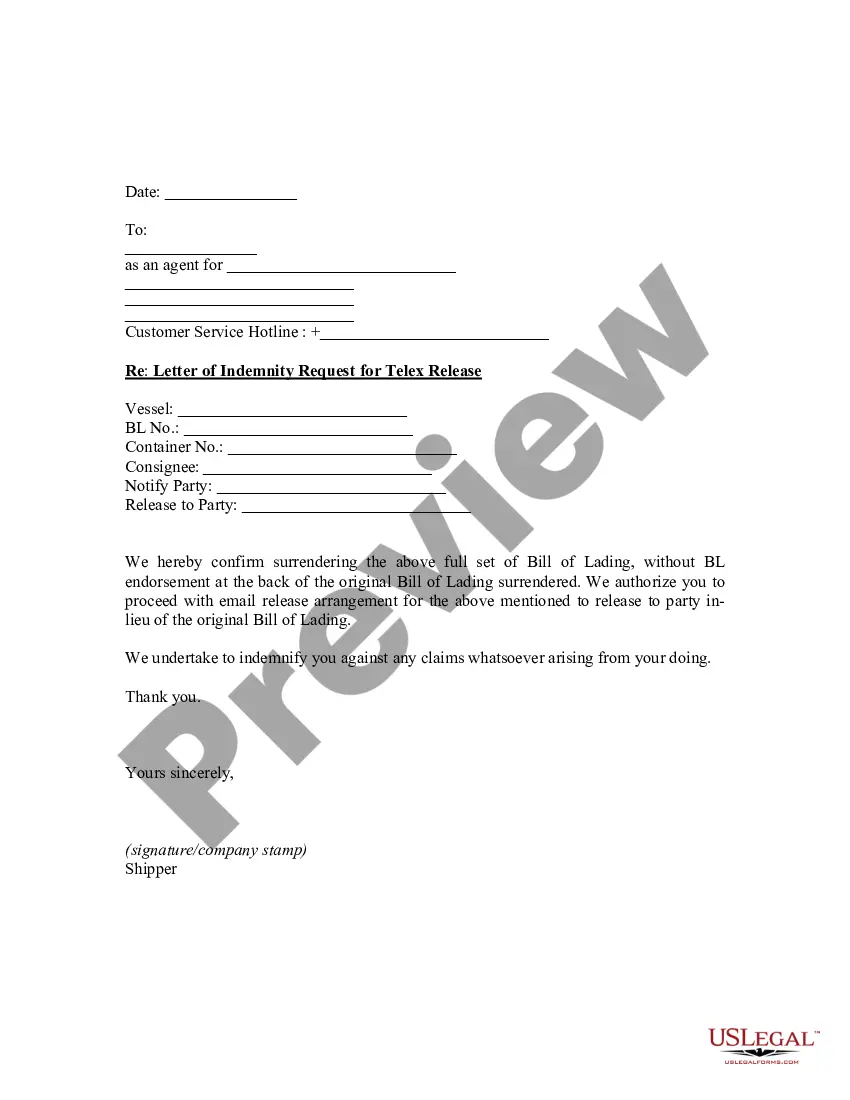
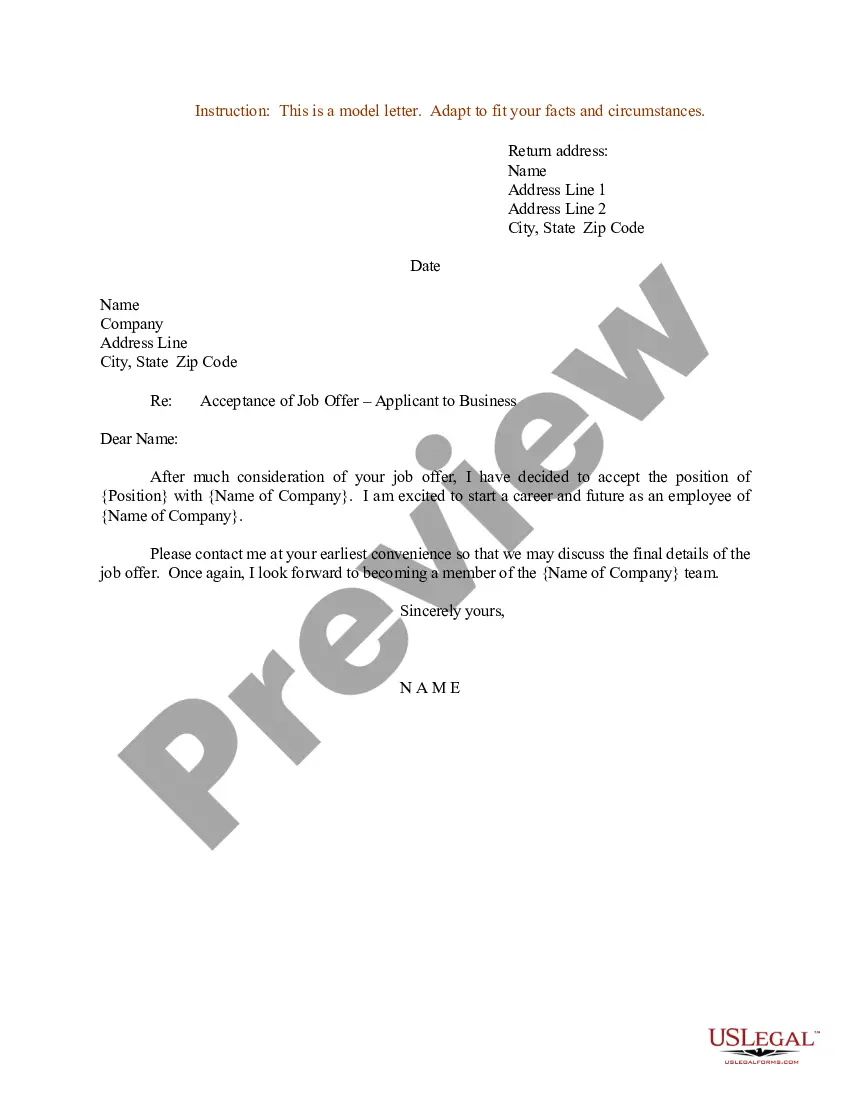
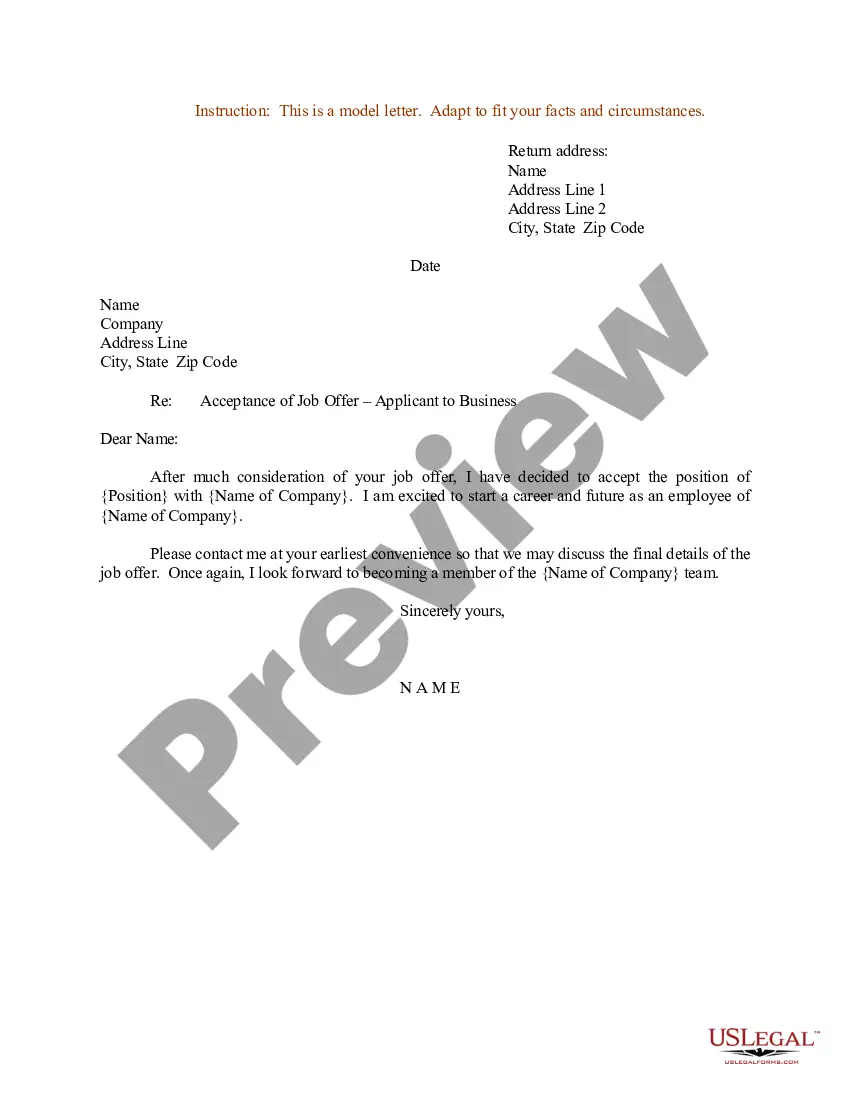
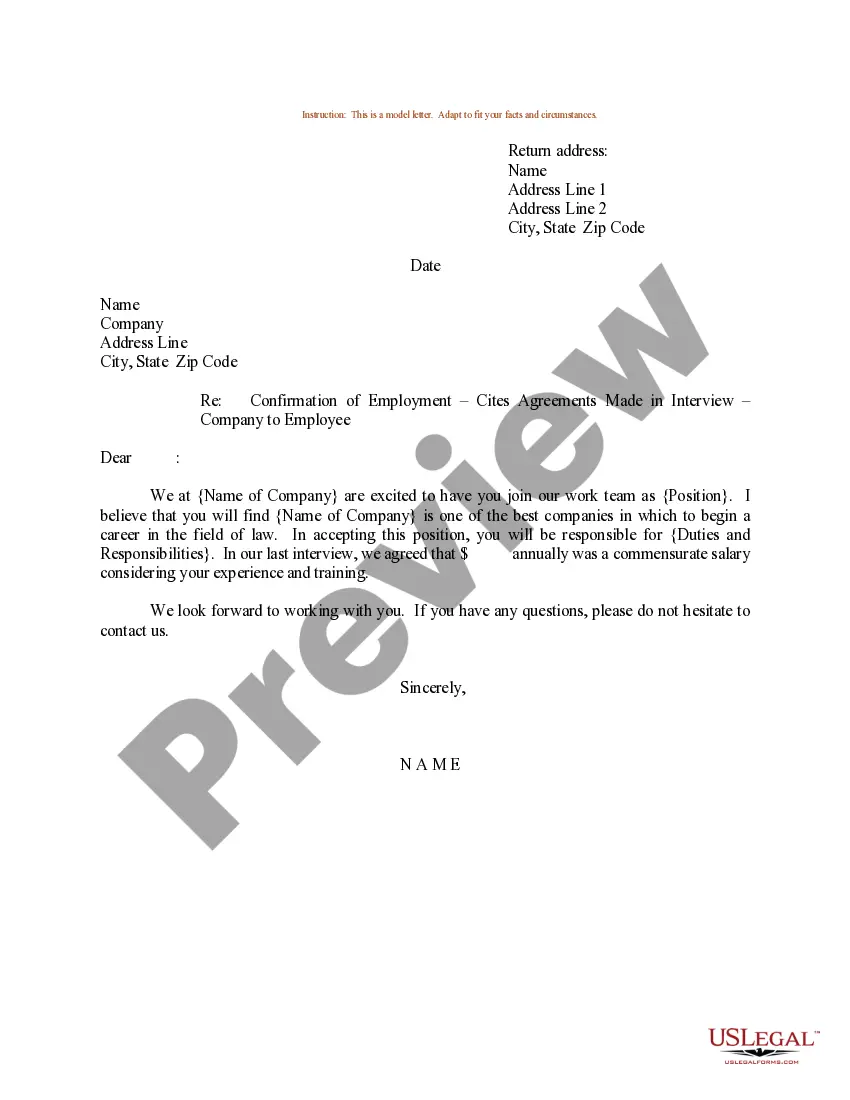
Get your form ready online
Our built-in tools help you complete, sign, share, and store your documents in one place.
Make edits, fill in missing information, and update formatting in US Legal Forms—just like you would in MS Word.
Download a copy, print it, send it by email, or mail it via USPS—whatever works best for your next step.
Sign and collect signatures with our SignNow integration. Send to multiple recipients, set reminders, and more. Go Premium to unlock E-Sign.
If this form requires notarization, complete it online through a secure video call—no need to meet a notary in person or wait for an appointment.
We protect your documents and personal data by following strict security and privacy standards.

Make edits, fill in missing information, and update formatting in US Legal Forms—just like you would in MS Word.

Download a copy, print it, send it by email, or mail it via USPS—whatever works best for your next step.

Sign and collect signatures with our SignNow integration. Send to multiple recipients, set reminders, and more. Go Premium to unlock E-Sign.

If this form requires notarization, complete it online through a secure video call—no need to meet a notary in person or wait for an appointment.

We protect your documents and personal data by following strict security and privacy standards.
Looking for another form?









Form popularity
FAQ
Try keeping it simple and straightforward. For instance, you could say something like, ``I'm following up to see if you might have some time to talk in the next week or two about your experience working at Company X, as I just applied for the financial analyst position.''
No matter what, you need a better opening line than any version of, ``I'm just following up... .'' Here are five potential alternatives: ``As promised, ``Based on our conversation, ``When we last spoke, ``Given your goal ``The reason for my professional persistence
Any tips for sending a follow-up email after no response? Personalize your follow-up. Reference specific details from your initial email to demonstrate your attention to their needs. Be clear and avoid lengthy follow-ups. Maintain a friendly, polite, and respectful tone. Ensure your follow-up adds value.
Try keeping it simple and straightforward. For instance, you could say something like, “I'm following up to see if you might have some time to talk in the next week or two about your experience working at Company X, as I just applied for the financial analyst position.”
Still no response? Go with something like this: 'Hey, I still haven't heard from you so I'm assuming it's a bad time. I'll just follow up with you every month or so until you book. ' If someone has indicated that they are interested, there's no harm in continuing to ask until you get a no.
If the HR doesn't reply after a job offer, consider sending a polite follow-up email expressing your continued interest in the position and seeking clarification on the next steps or the expected timeline for a response. Avoid being too persistent, but demonstrate your eagerness and professionalism.
How To Write An Offer Letter Acceptance Email Review your job offer. Read your job offer carefully. Start drafting your email. Write a concise subject line. Address your email to the right person. Express gratitude. Make a formal statement of acceptance. Conclude and sign. Format your email.
How to write a follow-up email to a potential employer Send a thank you message. A thank you letter is an excellent way to show your appreciation for your potential employer. Give them time. Use a clear subject line. Write with a respectful and formal tone. Sell yourself. Keep your message concise.

