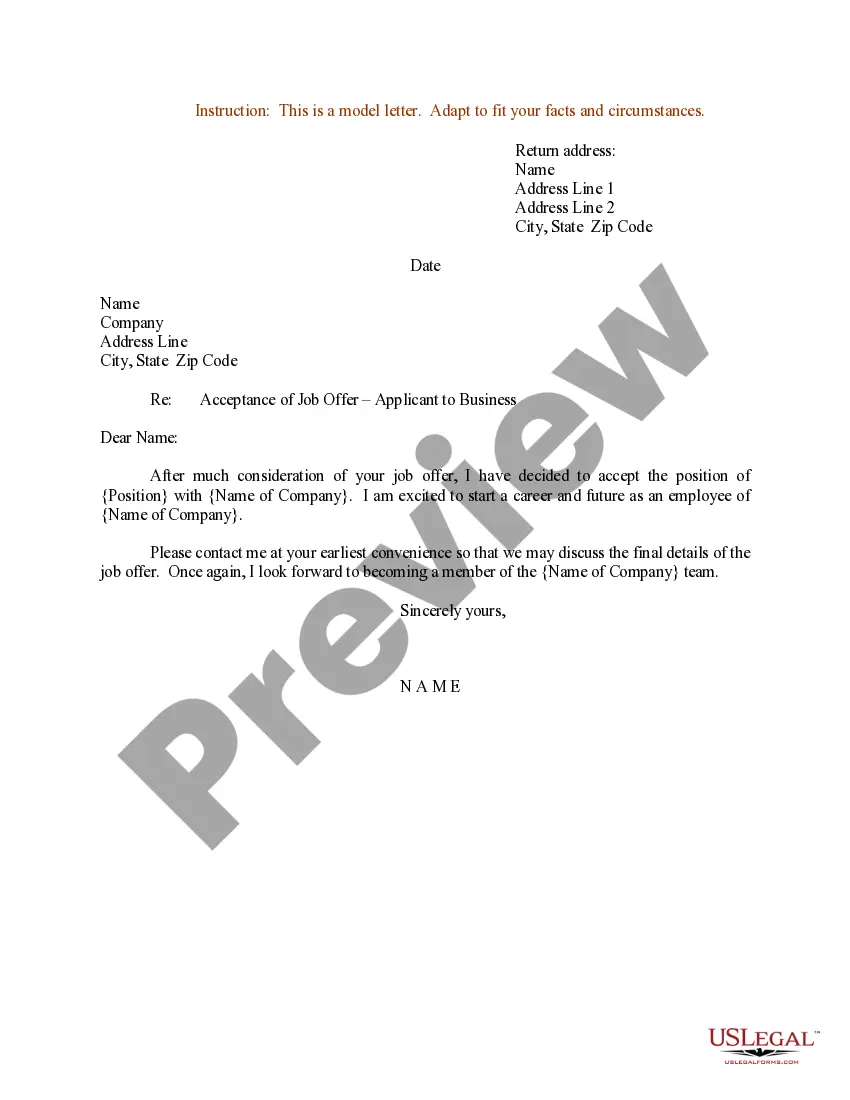
Letter To Accept School Offer In Hennepin
Description
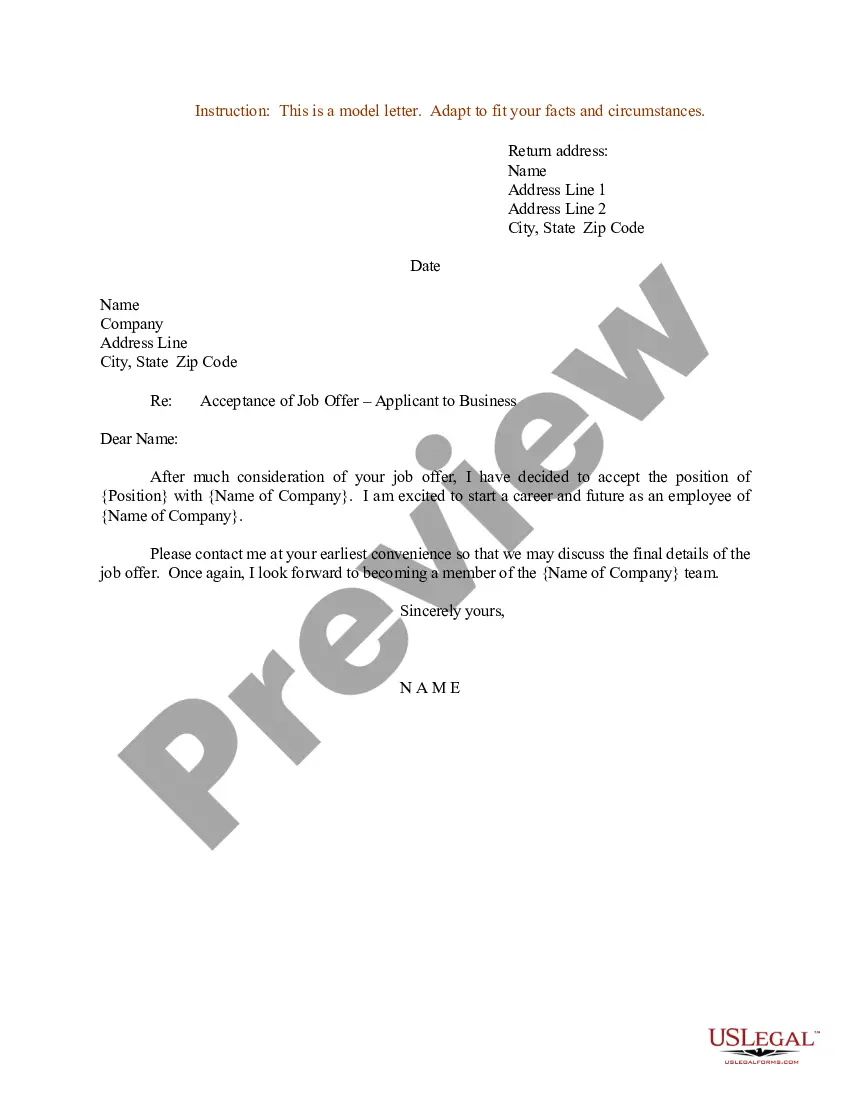
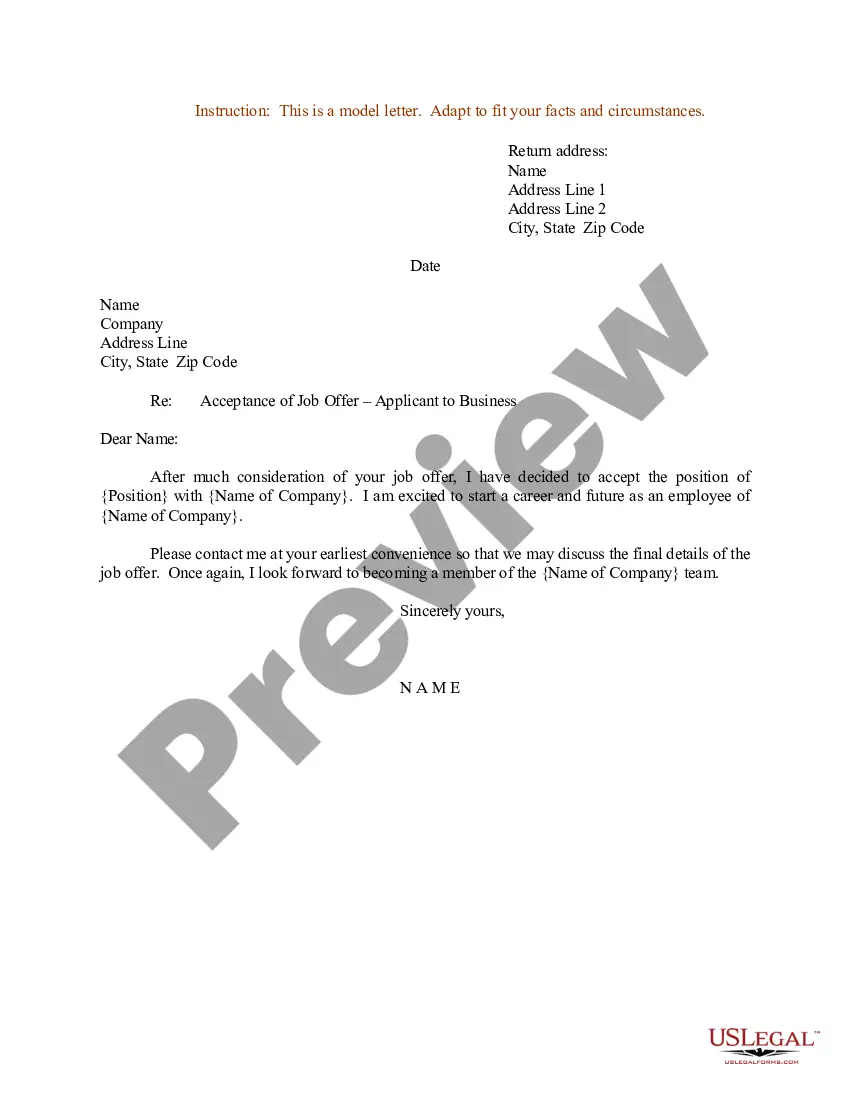
Get your form ready online
Our built-in tools help you complete, sign, share, and store your documents in one place.
Make edits, fill in missing information, and update formatting in US Legal Forms—just like you would in MS Word.
Download a copy, print it, send it by email, or mail it via USPS—whatever works best for your next step.
Sign and collect signatures with our SignNow integration. Send to multiple recipients, set reminders, and more. Go Premium to unlock E-Sign.
If this form requires notarization, complete it online through a secure video call—no need to meet a notary in person or wait for an appointment.
We protect your documents and personal data by following strict security and privacy standards.

Make edits, fill in missing information, and update formatting in US Legal Forms—just like you would in MS Word.

Download a copy, print it, send it by email, or mail it via USPS—whatever works best for your next step.

Sign and collect signatures with our SignNow integration. Send to multiple recipients, set reminders, and more. Go Premium to unlock E-Sign.

If this form requires notarization, complete it online through a secure video call—no need to meet a notary in person or wait for an appointment.

We protect your documents and personal data by following strict security and privacy standards.
Looking for another form?




Form popularity
FAQ
How to write an application letter Address your letter. Use proper salutation. Create a subject line. Introduce yourself, your purpose and your interests. Highlight your skills and achievements. Reiterate your interest. Thank the reviewer. Closing salutation and sign.
Your financial aid offer letter provides you with the financial aid that you can receive at a particular college or school. The offer includes different types and amounts of aid from federal, state, private, and institutional sources. It is important that you read and understand your financial aid offer letter.
How to write an admissions acceptance letter Prepare the header. Begin the letter with an official header that includes the student's full name and address. Confirm the candidate's admission. Share congratulations. Explain how to accept. Include optional details. Encourage them to accept.
If you want your school application letter to stand out to the admissions committee, here are the steps to follow: Address your letter. Use proper salutation. Create a subject line. Introduce yourself, your purpose and your interests. Highlight your skills and achievements. Reiterate your interest. Thank the reviewer.
If you are accepted, the medical school will ask you to indicate if you will continue to hold a seat (or withdraw). A small deposit may be required. For AAMC schools, you can hold more than one acceptance, continue to interview with other medical schools, and remain on alternate/waitlists up until April 30.
Recommendation do's Keep it concise. Summarize in one sentence how you know the student, identify their strengths, and provide 1-2 examples or stories. Use concrete examples, not generalizations. Tell stories that illustrate the student's character.
How to write an admissions acceptance letter Prepare the header. Begin the letter with an official header that includes the student's full name and address. Confirm the candidate's admission. Share congratulations. Explain how to accept. Include optional details. Encourage them to accept.
Tips for writing an admission letter for college Research the college. Before you submit your application, find out more about the institution you're interested. Be concise. Keep your cover letter brief, to the point and a maximum of one page. Be specific. Emphasize your uniqueness. Proofread your cover letter.
Letter of Application 1. State why you are writing: Dear chairperson, 2. State who you are: 3. State why you are applying for this job: 4. State what you have to offer this school: 5. My greatest strengths include: 6. I would love to interview for this position to discuss further what I can offer your school.
If you want your school application letter to stand out to the admissions committee, here are the steps to follow: Address your letter. Use proper salutation. Create a subject line. Introduce yourself, your purpose and your interests. Highlight your skills and achievements. Reiterate your interest. Thank the reviewer.

