Letter To Accept Admission Offer In Harris
Description
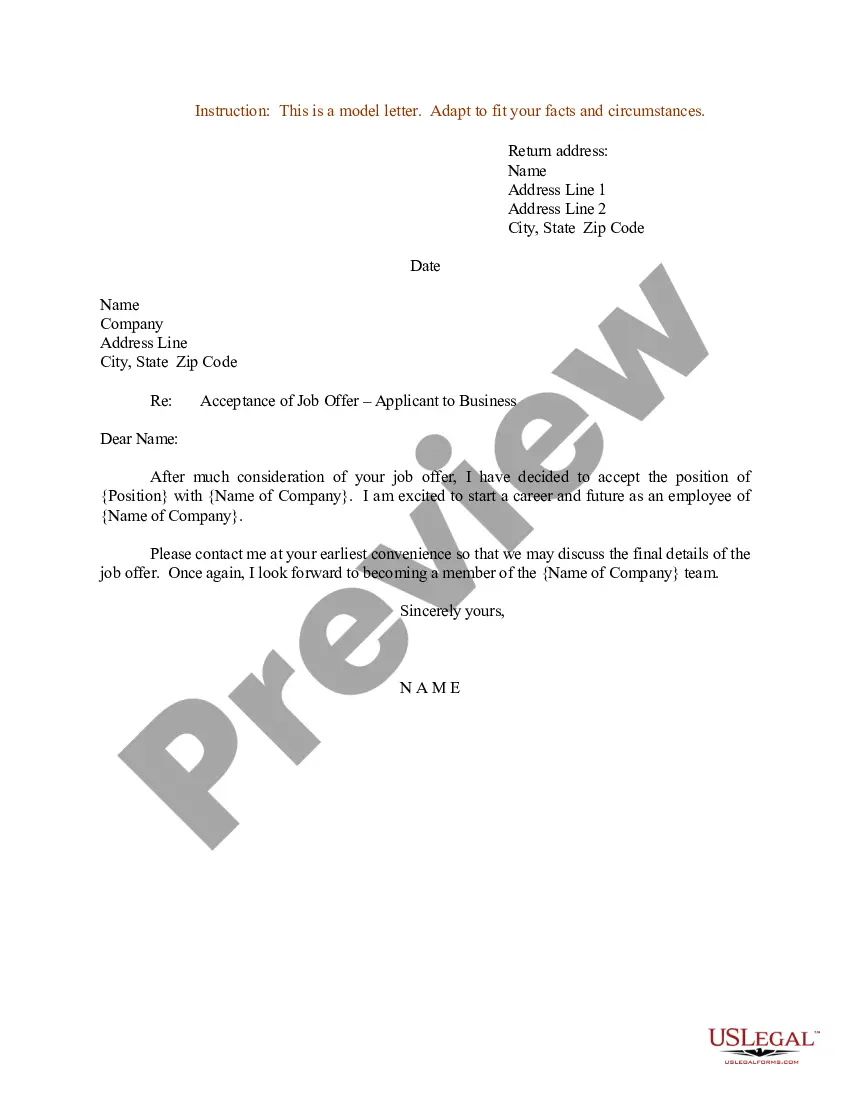
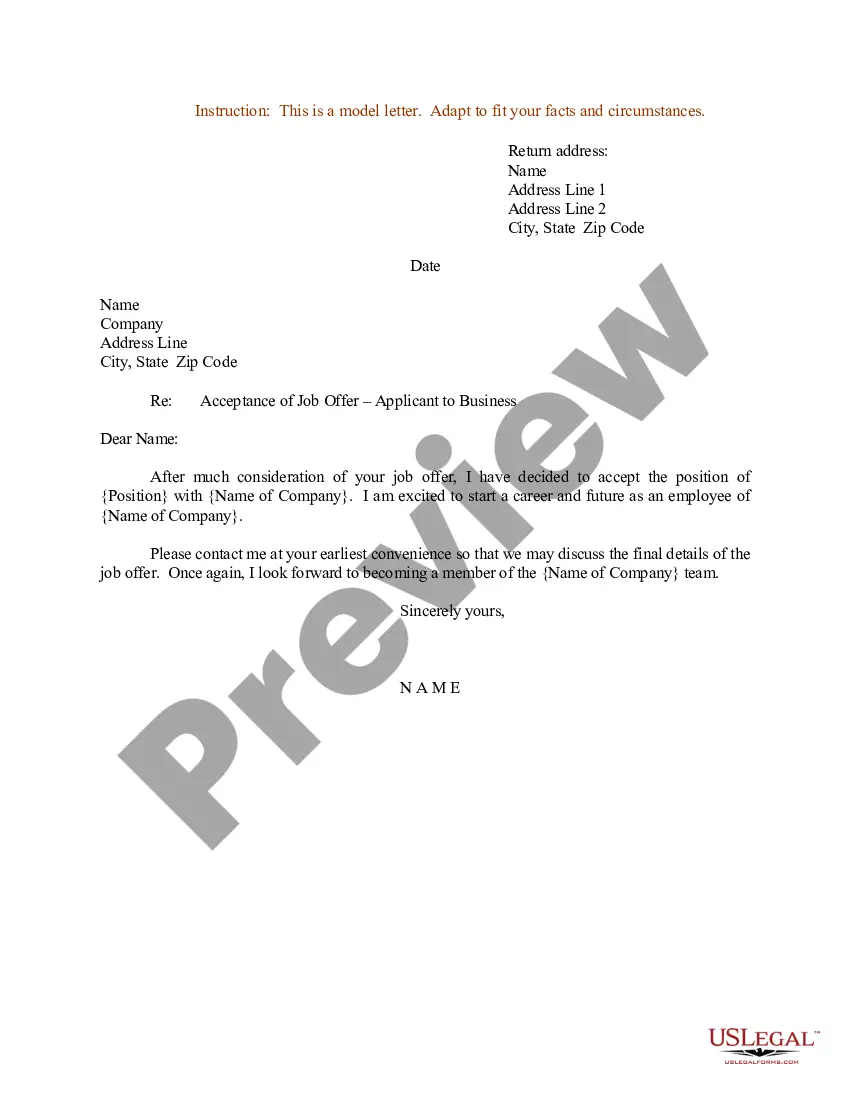
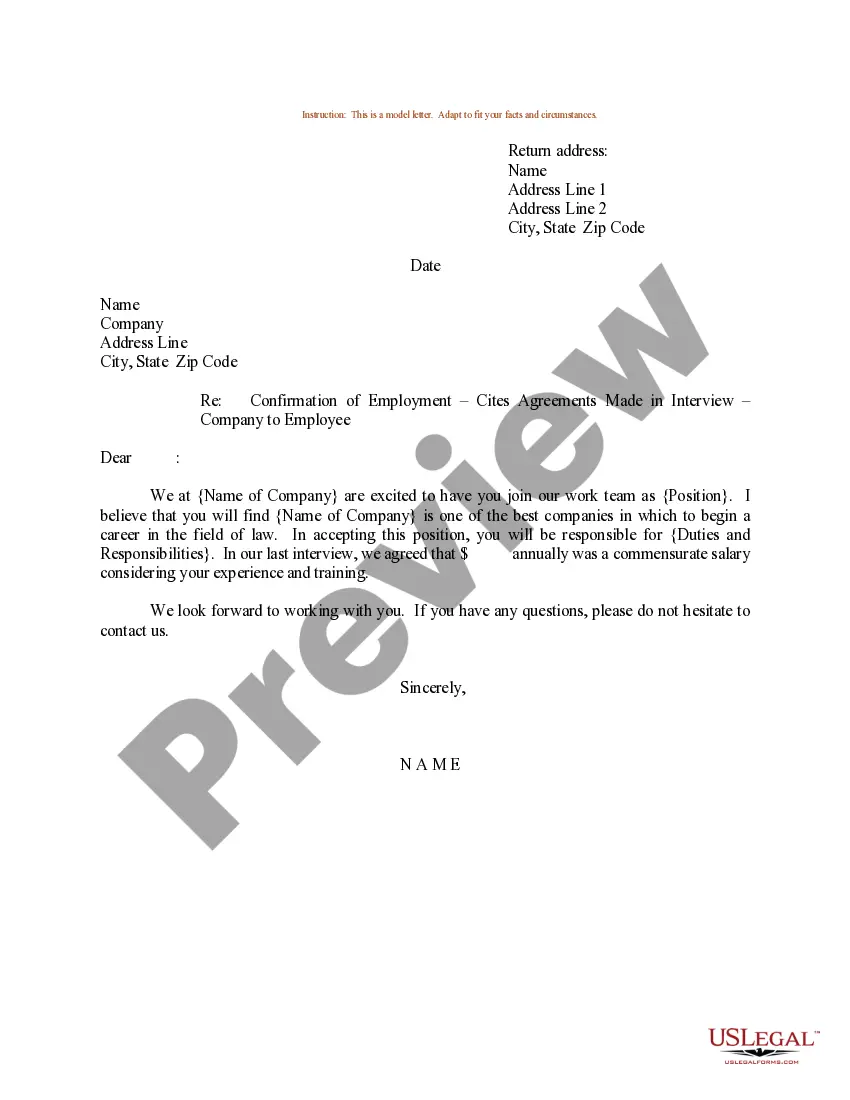
Get your form ready online
Our built-in tools help you complete, sign, share, and store your documents in one place.
Make edits, fill in missing information, and update formatting in US Legal Forms—just like you would in MS Word.
Download a copy, print it, send it by email, or mail it via USPS—whatever works best for your next step.
Sign and collect signatures with our SignNow integration. Send to multiple recipients, set reminders, and more. Go Premium to unlock E-Sign.
If this form requires notarization, complete it online through a secure video call—no need to meet a notary in person or wait for an appointment.
We protect your documents and personal data by following strict security and privacy standards.

Make edits, fill in missing information, and update formatting in US Legal Forms—just like you would in MS Word.

Download a copy, print it, send it by email, or mail it via USPS—whatever works best for your next step.

Sign and collect signatures with our SignNow integration. Send to multiple recipients, set reminders, and more. Go Premium to unlock E-Sign.

If this form requires notarization, complete it online through a secure video call—no need to meet a notary in person or wait for an appointment.

We protect your documents and personal data by following strict security and privacy standards.
Looking for another form?





Form popularity
FAQ
If you received your college acceptance letter via email, you can respond directly to that email. If the letter was sent through direct mail, consider replying with a physical letter. The college admissions board often specifies their preferred method of communication in the acceptance letter.
It isn't necessary to reply to an offer of admission until you decide whether you will accept. If you feel you must reply, you can simply say something like "Thank you for letting me know. I will be sure to let you know my decision before the deadline."
Follow these steps to write an impressive college admission letter: Write your name and street address. Include the date. Address people and institutions by name. Include a salutation. State your purpose for applying to the school. Explain why you want to attend their school. Write a conclusion. Include a sign-off.
You must include the following in your letter. 1) Describe what your academic goals will be when you return. 2) What steps have or will you take to ensure academic success. 3) Describe what you have been doing since you withdrew.
How to write an admissions acceptance letter Prepare the header. Begin the letter with an official header that includes the student's full name and address. Confirm the candidate's admission. Share congratulations. Explain how to accept. Include optional details. Encourage them to accept.
Preparing to Write Your Letter of Intent for College Researching Your Prospective College. Identifying Your Academic and Personal Achievements. Starting with a Strong Introduction. Detailing Your Academic Interests and Goals. Highlighting Your Extracurricular Activities. Reiterating Interest and Commitment.
Mention your desire to meet the university's admission requirements and provide any additional information or documents as required. Example: Thank you for considering my application. I am excited about the possibility of joining the (University Name) community and am committed to meeting all admission requirements.
You don't have to reply to the email, but if you are really interested in a specific school, it doesn't hurt to reply. Compose a new email and ask the school for more information about the application process. Doing so will let schools know you're interested.
Acceptance letters are the admission letters that everyone wants to receive. These letters may include information about next steps, deadlines, scholarships and awards, special programs, and more. You may receive admission to more than one college.
Constructing the Response Address the letter to the person who requested the information. State that you're responding to the original letter. Answer the person's inquiry as directly as you can. Acknowledge clearly if you can't fulfill the person's request. Thank the person for writing.
