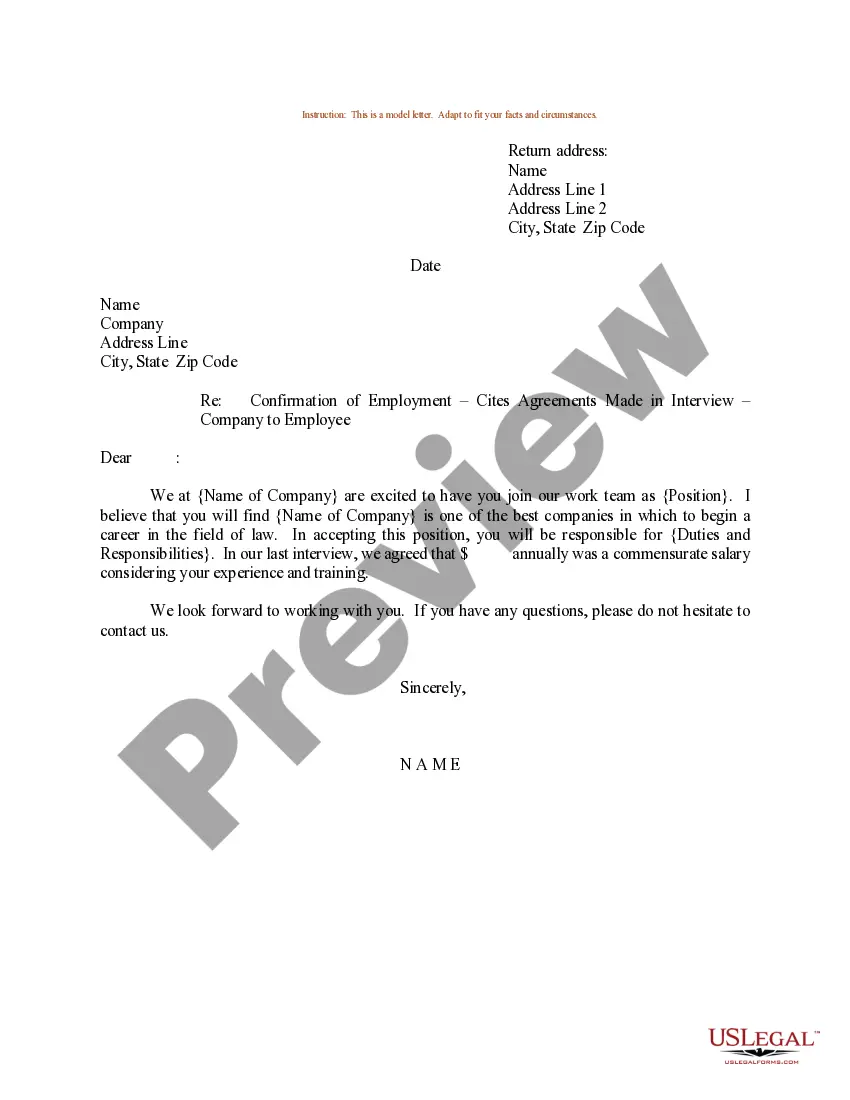
Letter Acceptance Job Application Formal In Georgia
Description
Get your form ready online
Our built-in tools help you complete, sign, share, and store your documents in one place.
Make edits, fill in missing information, and update formatting in US Legal Forms—just like you would in MS Word.
Download a copy, print it, send it by email, or mail it via USPS—whatever works best for your next step.
Sign and collect signatures with our SignNow integration. Send to multiple recipients, set reminders, and more. Go Premium to unlock E-Sign.
If this form requires notarization, complete it online through a secure video call—no need to meet a notary in person or wait for an appointment.
We protect your documents and personal data by following strict security and privacy standards.

Make edits, fill in missing information, and update formatting in US Legal Forms—just like you would in MS Word.

Download a copy, print it, send it by email, or mail it via USPS—whatever works best for your next step.

Sign and collect signatures with our SignNow integration. Send to multiple recipients, set reminders, and more. Go Premium to unlock E-Sign.

If this form requires notarization, complete it online through a secure video call—no need to meet a notary in person or wait for an appointment.

We protect your documents and personal data by following strict security and privacy standards.
Looking for another form?
Form popularity
FAQ
To write a letter of acceptance, address it to the recruiter, express gratitude, confirm employment terms, format and proofread the letter, and follow up to ensure it has been received and to discuss next steps.
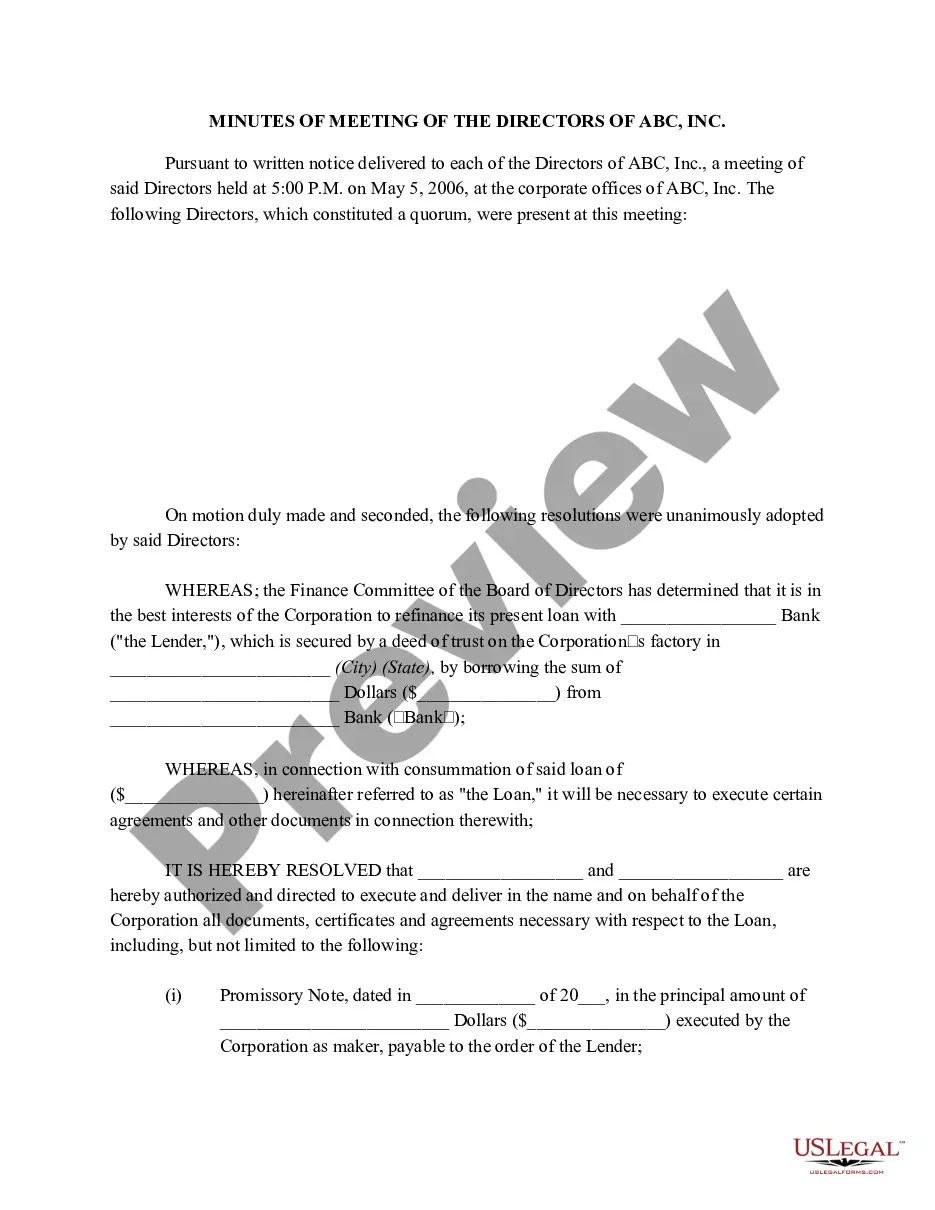
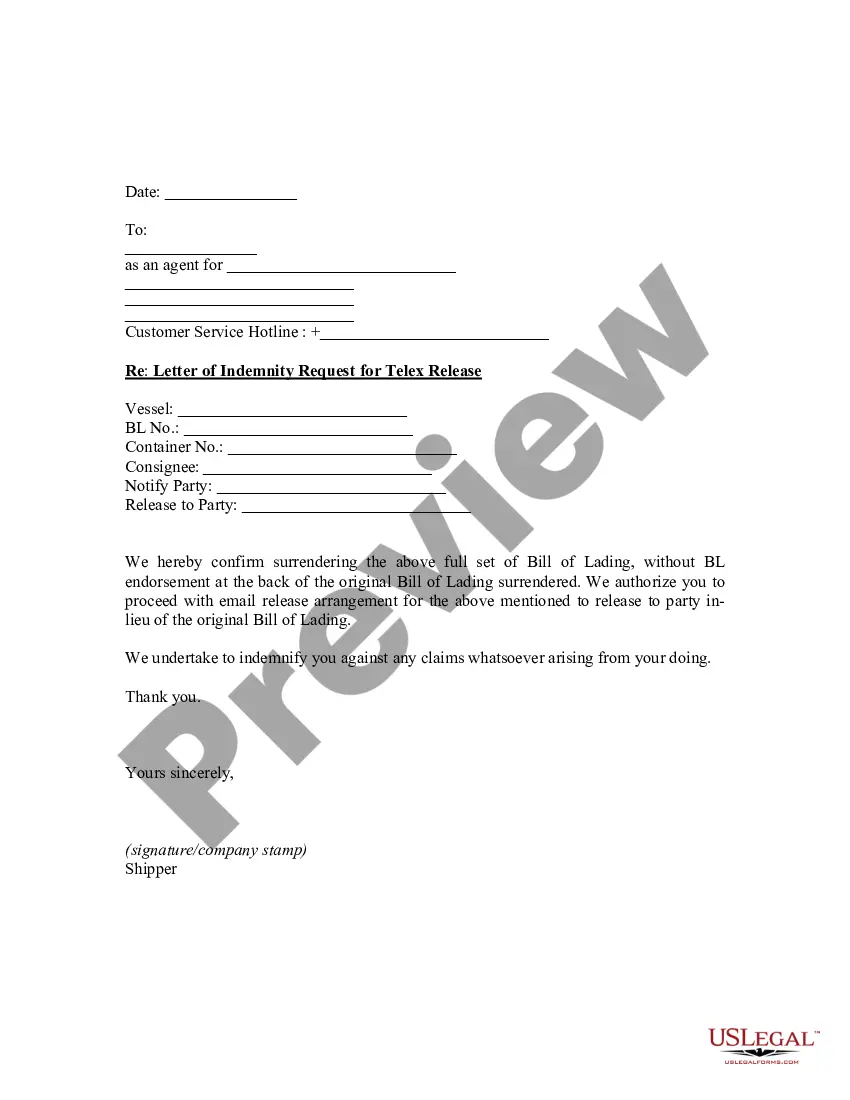
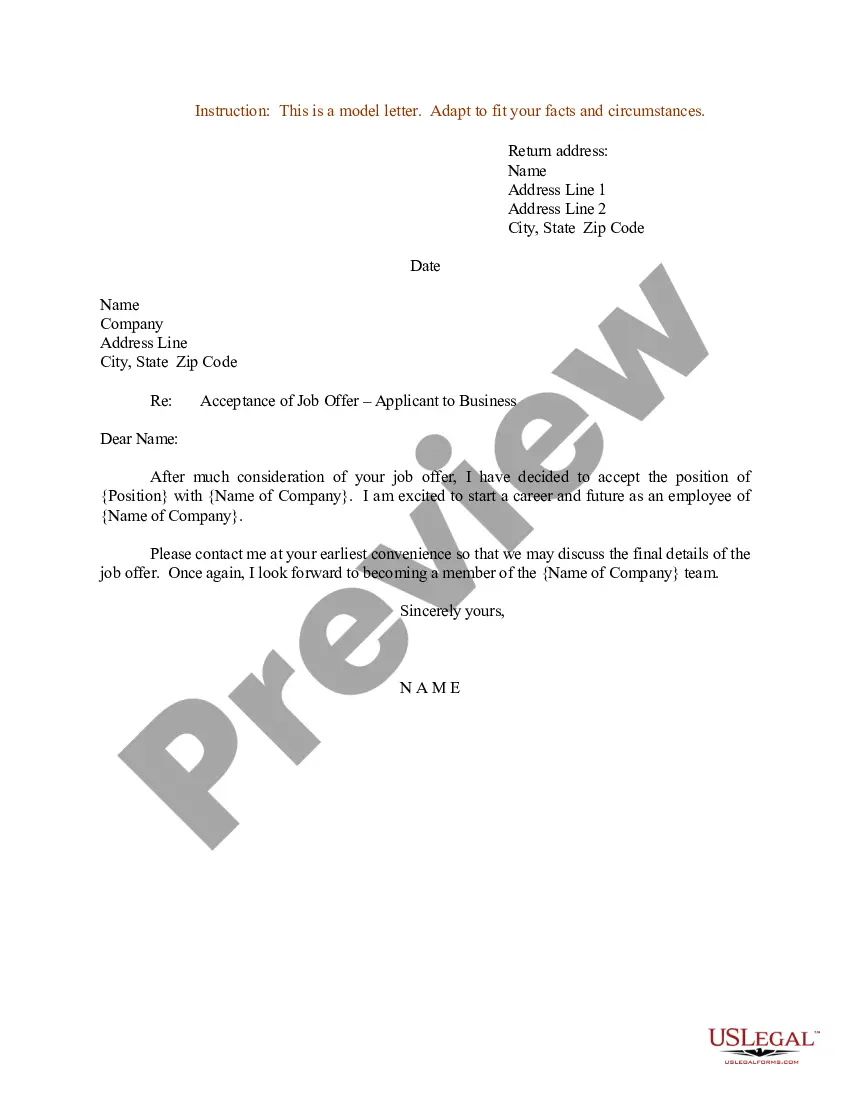
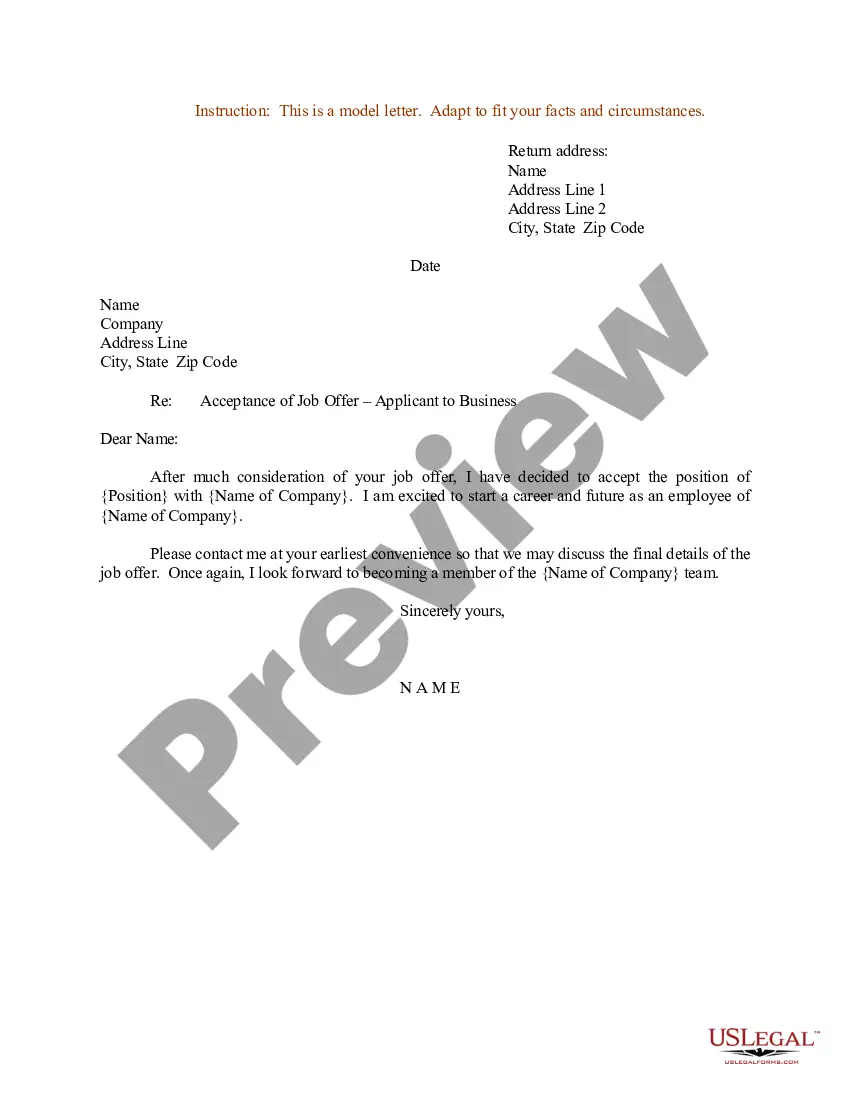
Thank you for your offer of Job title at Company name. I am delighted to formally accept the offer, and I am very much looking forward to joining the team. As discussed, my starting salary will be Agreed starting salary, rising to Increased salary following a successful probationary period of 3 months.
You can identify formal writing because it sounds “official,” using the proper names of things and avoiding slang. Formal writing is also purposefully thorough and doesn't use shortcuts, such as contractions or sometimes even pronouns.
It's in the name – an acceptance letter is a type of professional letter used to formally respond to offers or requests. Most commonly, they're used to accept job offers, but they could also be used to accept an award, event invitation, or even a school placement. They're more than a formal way to say “yes”, though.
How to write a letter of acceptance Address the letter to the recruiter. Express your gratitude for the offer. Confirm the terms of employment. Format your letter appropriately. Proofread your letter. Send your letter and follow up with the recruiter.
It's in the name – an acceptance letter is a type of professional letter used to formally respond to offers or requests. Most commonly, they're used to accept job offers, but they could also be used to accept an award, event invitation, or even a school placement. They're more than a formal way to say “yes”, though.
Sample 1: Formal Acceptance Letter I am writing to express my sincere gratitude for the opportunity to join Company Name as a Position Title. I would like to confirm my acceptance of the position, with a start date of Start Date, as discussed. I am excited about starting work and confirming the start date.
How to write a letter of application (6 tips) Put your contact information in your letter of application header. Address the hiring manager. Grab the hiring manager's attention with your introduction. Highlight industry-specific skills (with numbers) in your body paragraphs. Choose engaging words for your application letter.
How to write a letter of acceptance Address the letter to the recruiter. Express your gratitude for the offer. Confirm the terms of employment. Format your letter appropriately. Proofread your letter. Send your letter and follow up with the recruiter.
Job acceptance letter (Sample 1) Dear Mr/Ms {Recipient's Name}, I extend my gratitude to you for offering me the position of {Title} in {Company's name}. I am delighted to accept your offer and look forward to commencing work with your company from {Date}.