Approval Letter Sample For Request In Georgia
Description
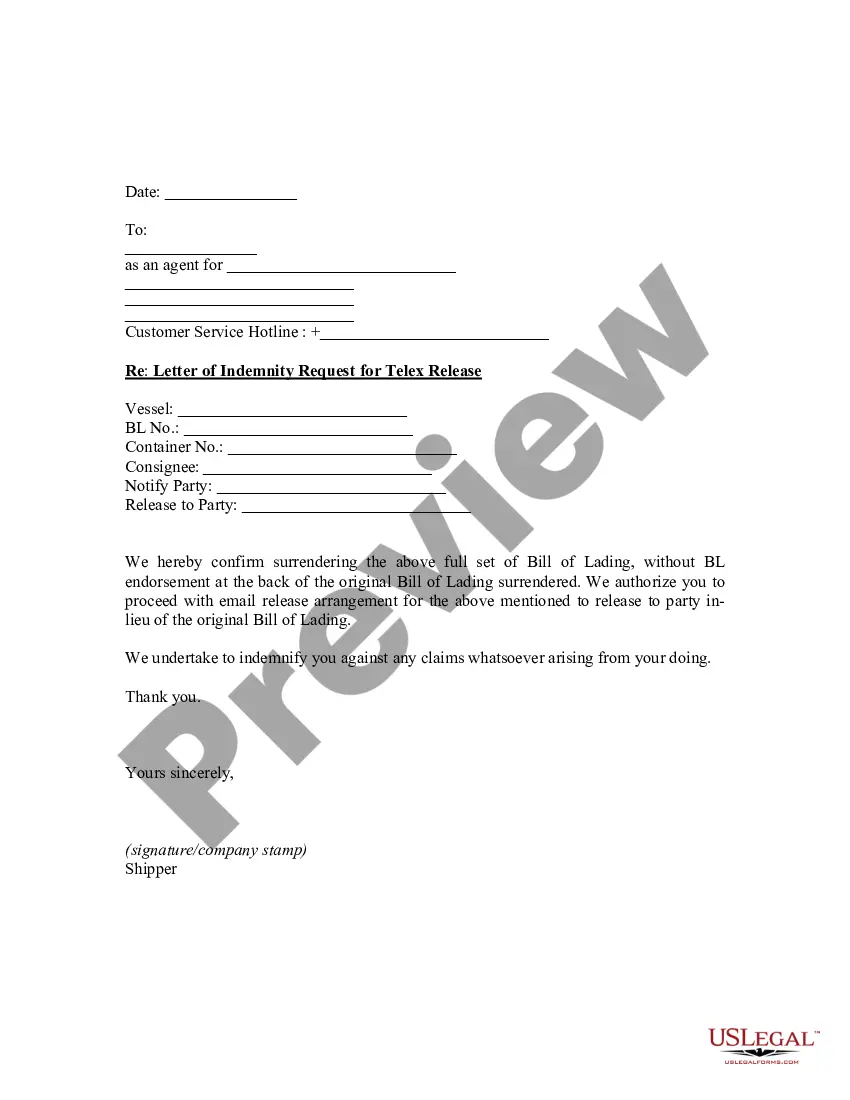
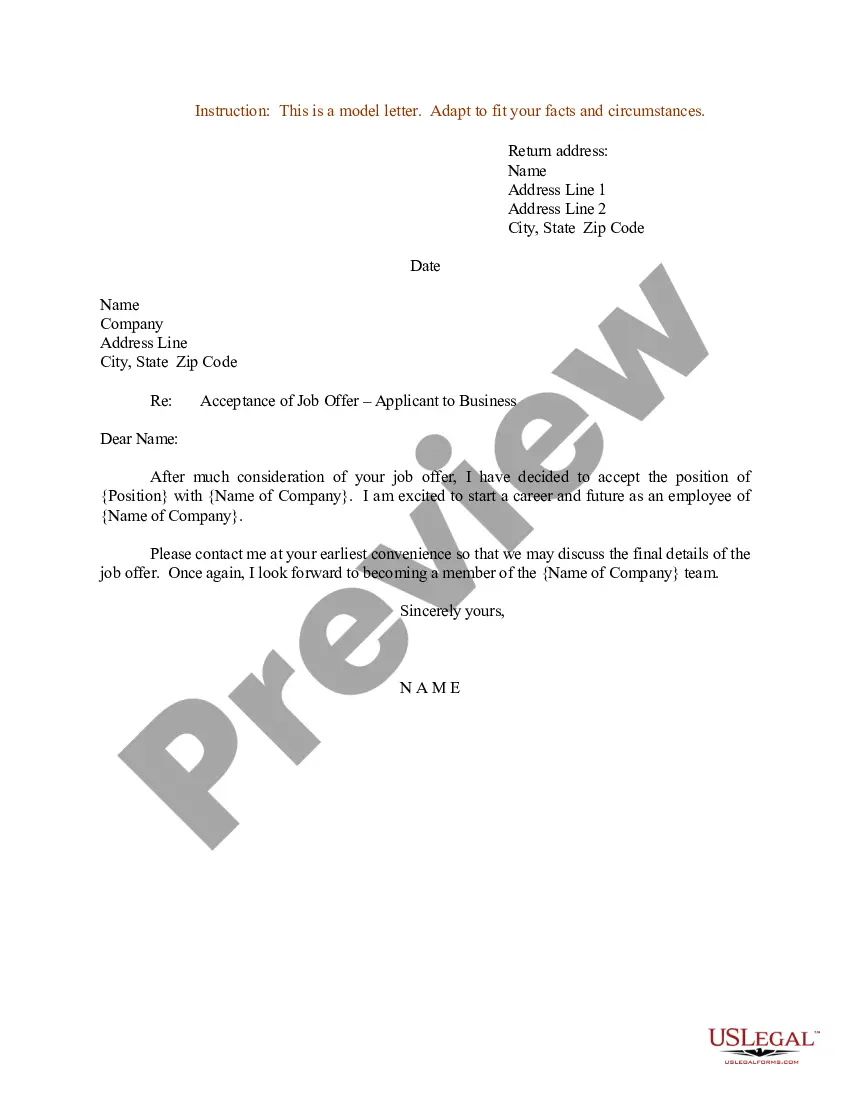
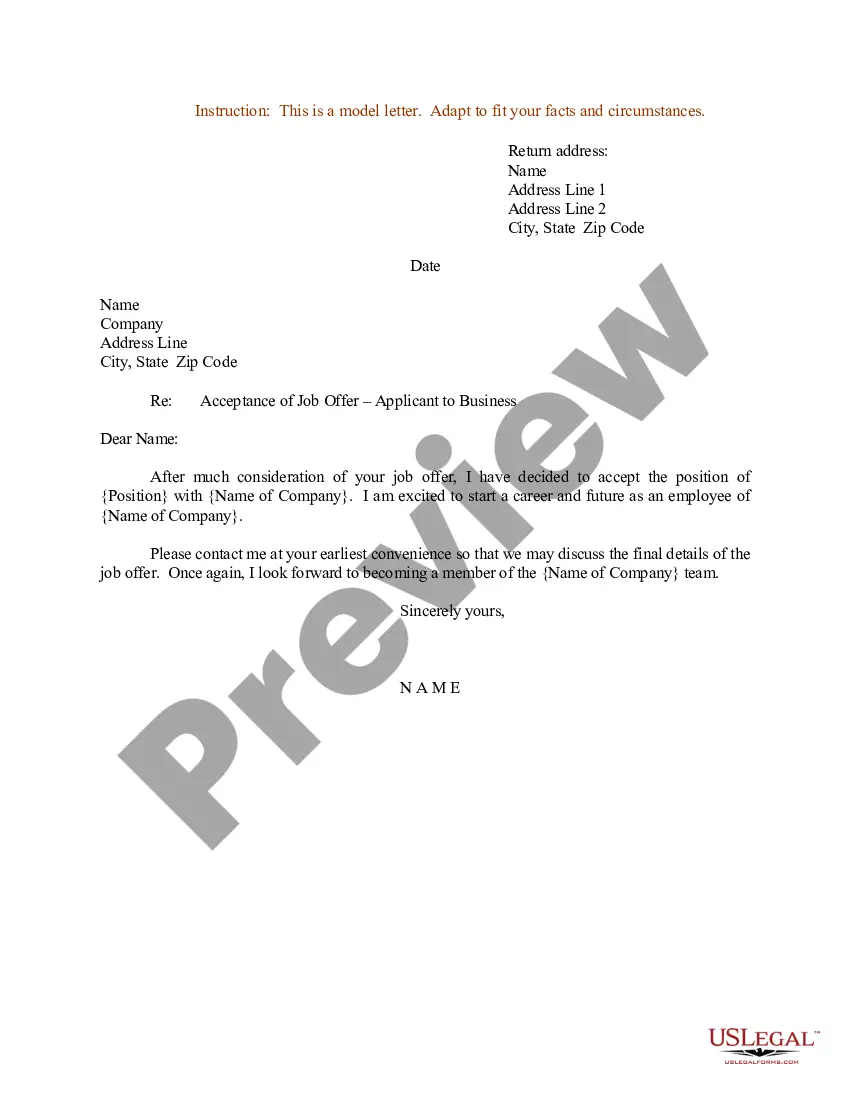
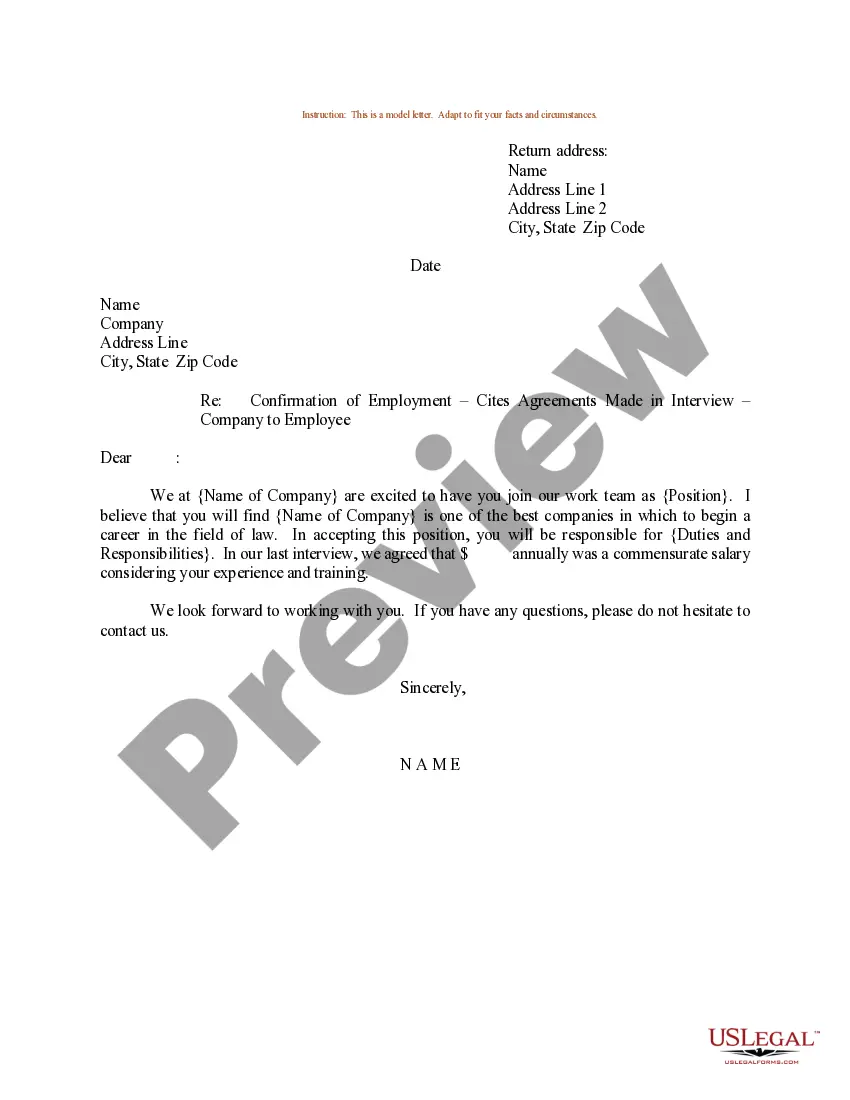
Get your form ready online
Our built-in tools help you complete, sign, share, and store your documents in one place.
Make edits, fill in missing information, and update formatting in US Legal Forms—just like you would in MS Word.
Download a copy, print it, send it by email, or mail it via USPS—whatever works best for your next step.
Sign and collect signatures with our SignNow integration. Send to multiple recipients, set reminders, and more. Go Premium to unlock E-Sign.
If this form requires notarization, complete it online through a secure video call—no need to meet a notary in person or wait for an appointment.
We protect your documents and personal data by following strict security and privacy standards.

Make edits, fill in missing information, and update formatting in US Legal Forms—just like you would in MS Word.

Download a copy, print it, send it by email, or mail it via USPS—whatever works best for your next step.

Sign and collect signatures with our SignNow integration. Send to multiple recipients, set reminders, and more. Go Premium to unlock E-Sign.

If this form requires notarization, complete it online through a secure video call—no need to meet a notary in person or wait for an appointment.

We protect your documents and personal data by following strict security and privacy standards.
Looking for another form?





Form popularity
FAQ
How to write a letter of request. Gather information. Before you write your letter of request, you're probably going to need to do some research. Plan your content. Introduce yourself. Detail your request. Explain why. Conclude the letter.
Here are the steps you can take to create an approval process: Define the work task. Set approvers, permissions and due dates. Assign the work task. First approver receives work. First approver approves or rejects work. Submit to final approver. Publish or accept work.
How to Write an Email or Letter to Request Approval Start with a Clear Subject Line (For Emails) ... Open with a Polite Greeting. State Your Purpose Clearly and Early. Provide Necessary Context and Details. Clearly Outline What You Need Approved. Specify a Deadline for Response. Offer to Answer Questions or Provide Clarification.
How to Write an Email or Letter to Request Approval Start with a Clear Subject Line (For Emails) ... Open with a Polite Greeting. State Your Purpose Clearly and Early. Provide Necessary Context and Details. Clearly Outline What You Need Approved. Specify a Deadline for Response. Offer to Answer Questions or Provide Clarification.
Follow these steps to request an approval letter when starting or during a project: Choose a contact method. Include your address. Add the recipient's address. State your request. Discuss why you need it. Inform them why their consideration is important. Display your enthusiasm for a response. Conclude the letter.
How to write a request for approval Choose your contact method. Every company has a unique process for sending requests for approval. Address the recipient professionally. Start with what you need. Explain why you need it. Tell them why they should care. Show your enthusiasm for their response. Conclude your message.
A successful request for approval will contain the following. Appropriately addressed stakeholders and reviewers. Clearly defined objective. Outline the assigned responsibilities. Skillfully conveyed enthusiasm. Choose an appropriate communication channel. Write a concise subject line. Address the receiver professionally.
Table 5. Average jail calling rates in each state, 2021 State Average in-state per minute rate Average 15 minute out-of-state call Georgia $0.18 $2.91 Hawaii N/A N/A Idaho $0.21 $3.15 Illinois $0.20 $3.0146 more rows
Here are some tips for writing an encouraging letter to someone in jail: Express empathy and let them know you care. Acknowledge the difficulty of their situation and that you're thinking of them. Offer words of hope and encouragement. Remind them that this is a temporary situation and that better days are ahead.
All incoming/outgoing mail must have a complete name and address of the sender and receiver on the envelope. A complete address for outgoing/incoming inmate mail shall include the inmate's full name, state I.D. number, unabbreviated institutional name, post office box, city/state, and zip code.

