Job Offer Withdrawal Letter In Dallas
Description
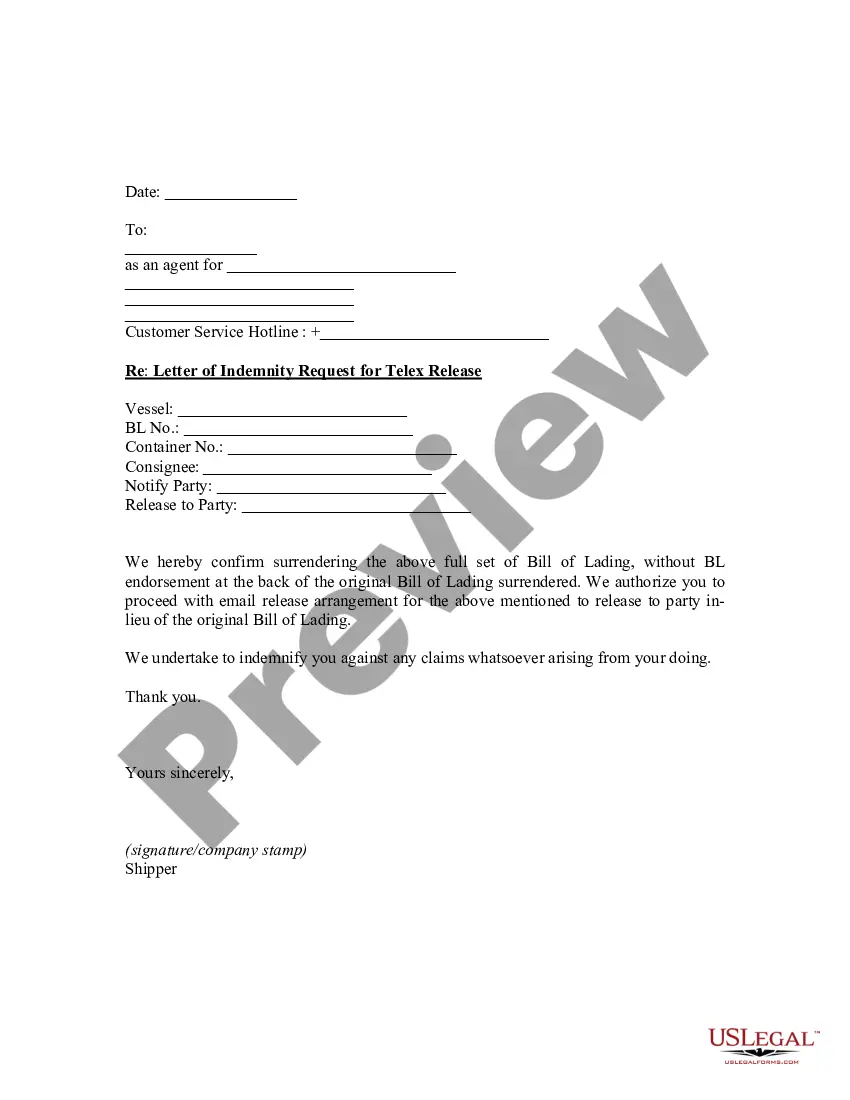
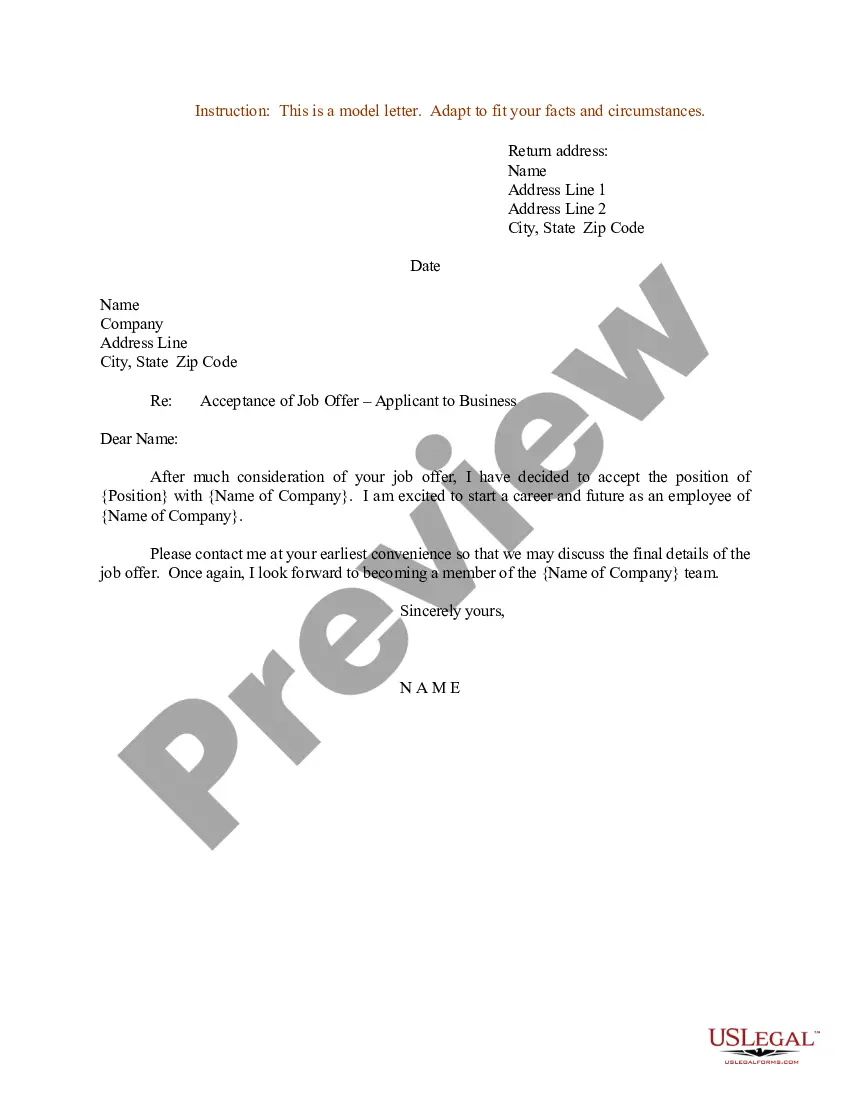
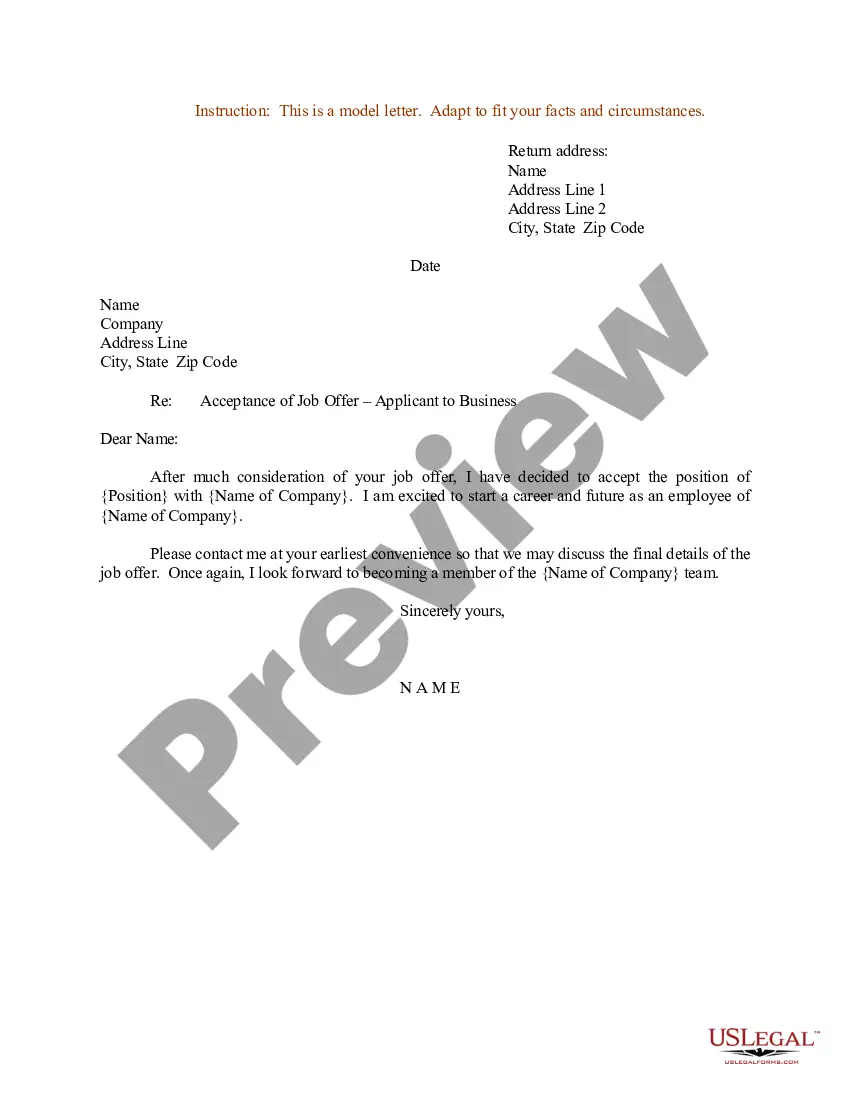
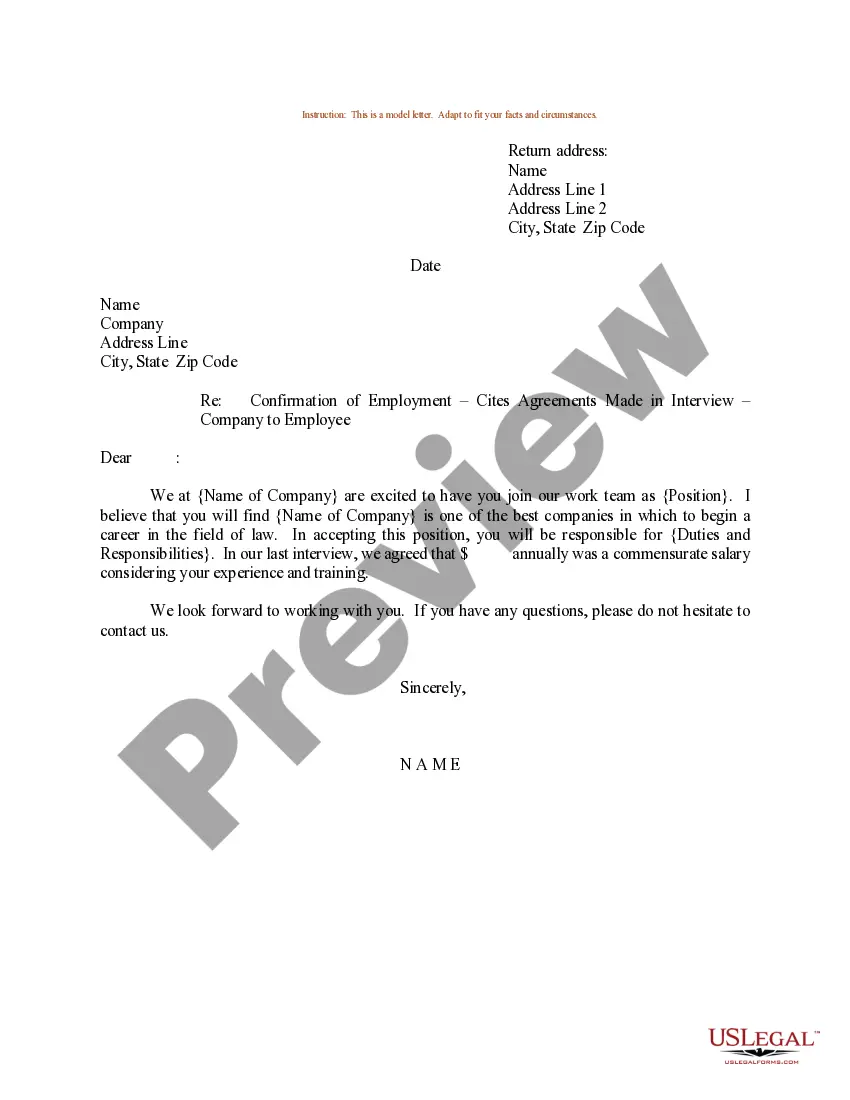
Get your form ready online
Our built-in tools help you complete, sign, share, and store your documents in one place.
Make edits, fill in missing information, and update formatting in US Legal Forms—just like you would in MS Word.
Download a copy, print it, send it by email, or mail it via USPS—whatever works best for your next step.
Sign and collect signatures with our SignNow integration. Send to multiple recipients, set reminders, and more. Go Premium to unlock E-Sign.
If this form requires notarization, complete it online through a secure video call—no need to meet a notary in person or wait for an appointment.
We protect your documents and personal data by following strict security and privacy standards.

Make edits, fill in missing information, and update formatting in US Legal Forms—just like you would in MS Word.

Download a copy, print it, send it by email, or mail it via USPS—whatever works best for your next step.

Sign and collect signatures with our SignNow integration. Send to multiple recipients, set reminders, and more. Go Premium to unlock E-Sign.

If this form requires notarization, complete it online through a secure video call—no need to meet a notary in person or wait for an appointment.

We protect your documents and personal data by following strict security and privacy standards.
Looking for another form?





Form popularity
FAQ
If the candidate has already accepted an unconditional offer, it's best to call them to discuss the withdrawal of the offer before you send them a formal letter. This is an opportunity to be open and honest about why you are making the tough decision. If it's an internal error, say so.
When you've realized that you need to write a letter of withdrawal, follow these steps to do so: Notify the employer right away. Be honest and clear. Thank the employer for their time. Provide your contact information. Keep your options open.
In general, it's legal for an employer to withdraw an offer of employment. Generally, when a job offer has been made, but you haven't accepted the offer, the offer can be rescinded.
Yes, but there could be legal consequences, so an attorney's advice should always be sought before rescinding the offer.
In most cases, yes—at-will employment laws allow employers to terminate an employee or rescind a job offer to a prospective employee for any legal reason. Torres says some of the most common legal reasons for employers rescinding a job offer include: Candidate dishonesty or misrepresentation. Failed background check.
Put your decision in writing The letter should state that the job offer was at will, not a contract. Use polite and professional language no matter the reason for rescinding your offer. Related: What Does It Mean To Be Professional?
Yes, you can reject a job offer after signing an offer letter, but there are some important considerations: Review the Offer Letter: Check if there are any clauses regarding withdrawal or the consequences of rejecting the offer after signing. Timing: If you decide to back out, do so as soon as possible.
Up until the job offer is accepted by the candidate, the employment offer can be withdrawn at any time. If the offer was conditional, you can also rescind a job offer at any time if it's found that the conditions set out in the offer haven't been met.
- Communicate Promptly: Notify the employer as soon as possible, ideally through a phone call followed by a formal email. - Be Honest: Provide a brief explanation for your decision without going into too much detail. - Express Gratitude: Thank them for the opportunity and express regret for any inconvenience caused.

