Board Meeting Agenda Format In Wake
Description
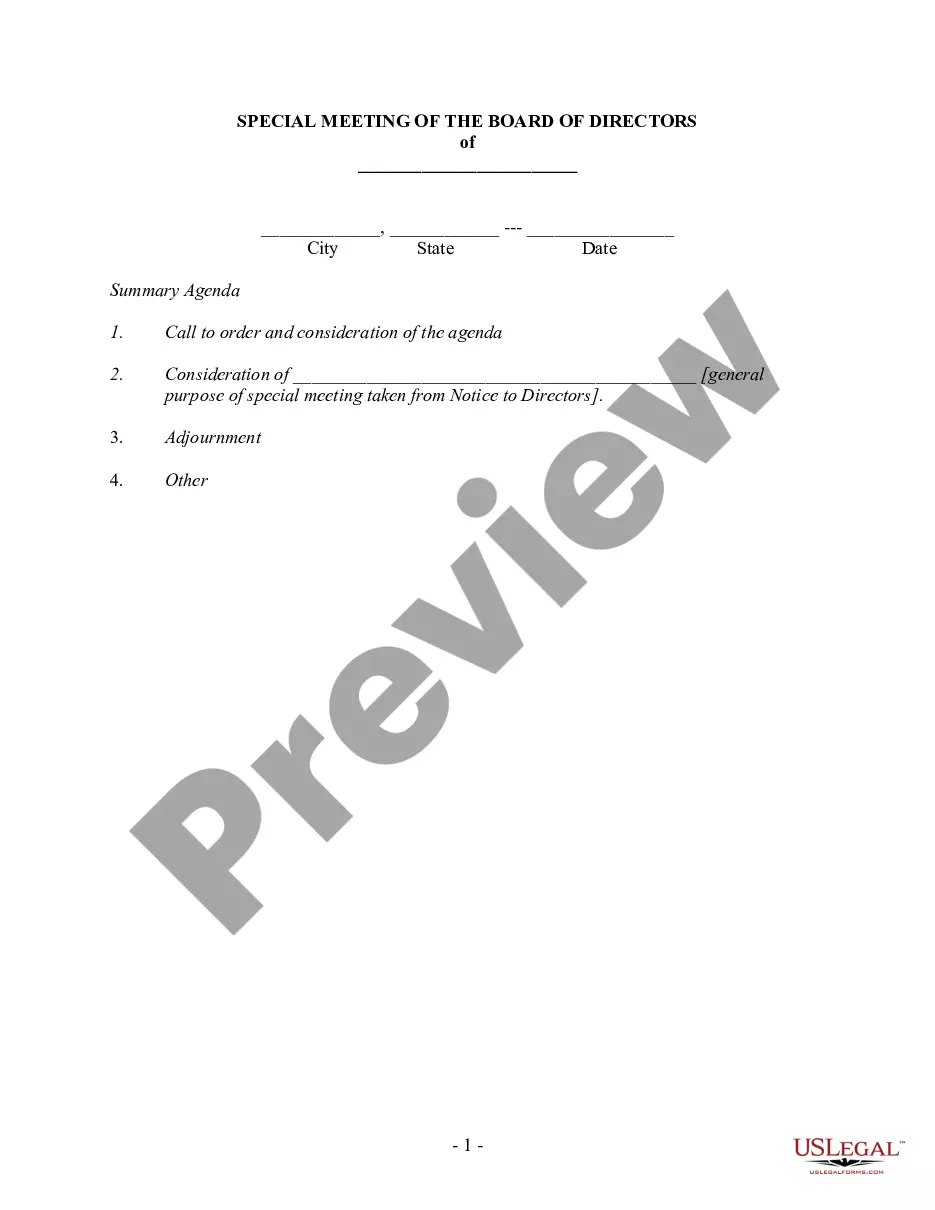
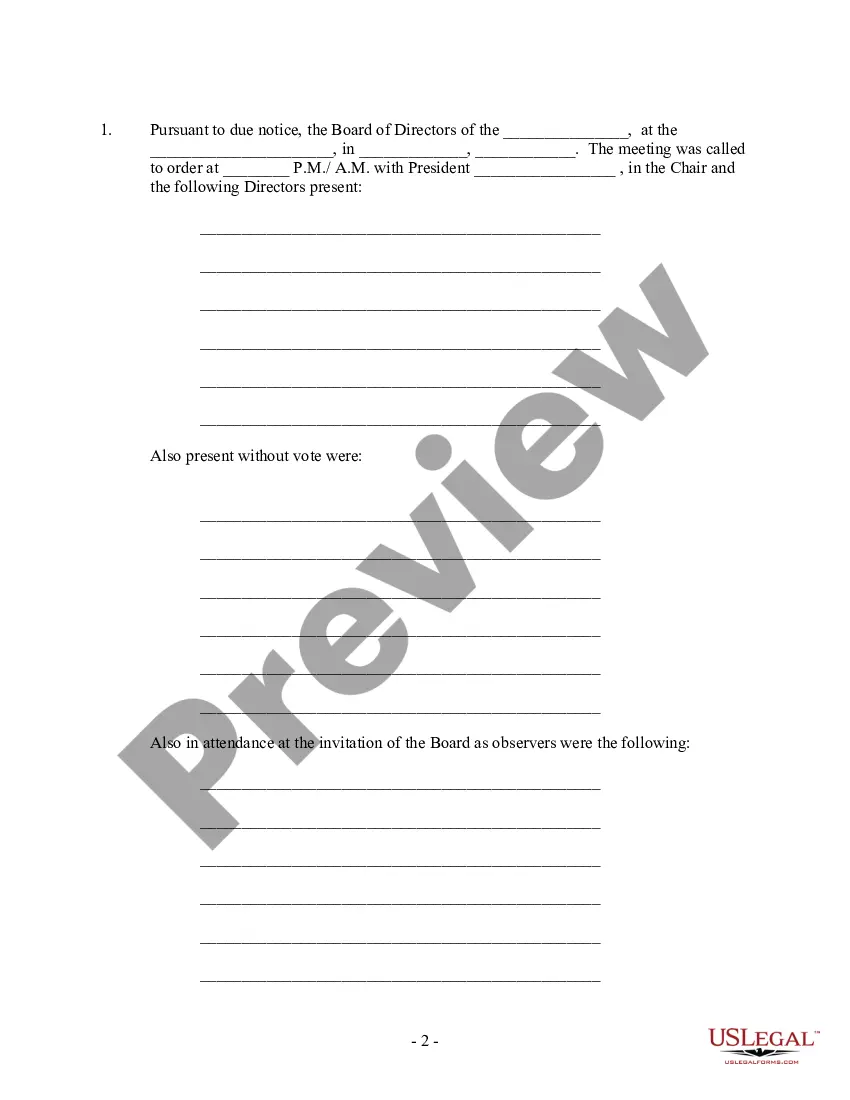
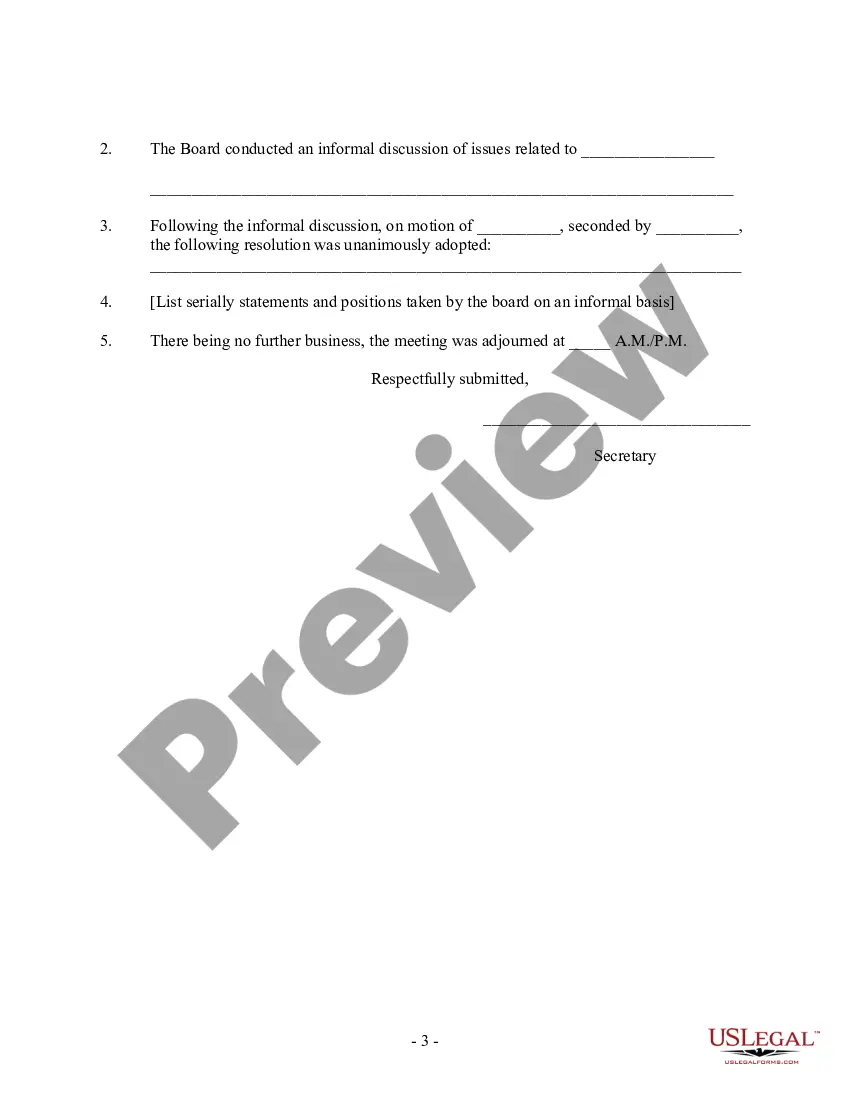




Get your form ready online
Our built-in tools help you complete, sign, share, and store your documents in one place.
Make edits, fill in missing information, and update formatting in US Legal Forms—just like you would in MS Word.
Download a copy, print it, send it by email, or mail it via USPS—whatever works best for your next step.
Sign and collect signatures with our SignNow integration. Send to multiple recipients, set reminders, and more. Go Premium to unlock E-Sign.
If this form requires notarization, complete it online through a secure video call—no need to meet a notary in person or wait for an appointment.
We protect your documents and personal data by following strict security and privacy standards.

Make edits, fill in missing information, and update formatting in US Legal Forms—just like you would in MS Word.

Download a copy, print it, send it by email, or mail it via USPS—whatever works best for your next step.

Sign and collect signatures with our SignNow integration. Send to multiple recipients, set reminders, and more. Go Premium to unlock E-Sign.

If this form requires notarization, complete it online through a secure video call—no need to meet a notary in person or wait for an appointment.

We protect your documents and personal data by following strict security and privacy standards.
Looking for another form?
Form popularity
FAQ
The agenda should include the meeting's goal, a list of topics to be discussed with their purposes, time allocations, and assigned facilitators. This structure provides a clear roadmap for the meeting, ensuring that all important points are covered. Share the agenda with all participants well in advance of the meeting.
With these management tools providing input in real time, organizations can quickly adjust course as circumstances present new opportunities or threats. A simple model made up of “Four Ps” can help companies create this advantage. These Ps are Perceptions, Performance, Purpose, and Process.
To make sure your meetings are effective, it helps to remember the four Ps — purpose, product, people and process. With these four Ps in mind, you can get more out of your meetings. In this blog, we'll talk about these four Ps and how you can apply them in your workplace.
What are the 4 Ps of a meeting agenda? They are Purpose, Product, People, and Process. The meeting agenda should be distributed ahead of time and should include the discussion topics, time allocations, and any materials participants need to review beforehand.
Enter the “Four P's of Governance”: Purpose, People, Process, and Performance. This straightforward, yet powerful framework empowers business owners and leaders to strengthen their organisations and build a sustainable future. Every great business begins with a clear sense of purpose; its reason for being.
All items on the agenda should fall into one of two categories: information or action. Information items are self-explanatory. They are intended to provide information to the board. Examples of information items are financial reports, executive summaries, committee reports, audit reports, and anything else informative.
The 4 Ps of a meeting agenda stands for Purpose, Product, People, and Process. These elements help guide the structure of a meeting, ensuring that it stays focused, efficient, and productive.
While meeting agendas may vary depending on the organization and meeting goals, a typical structure often includes the following: Call to order. This marks the official start of the meeting and sets the tone. Approval of previous meeting minutes. Reports. Old business. New business. Open floor (optional) ... Adjournment.
The 5Ps are Purpose, Participants, Process, Payoff, and Preparation (some suggest it should be 6Ps including Pizza). Purpose: Every meeting should have a clear purpose, which must be more specific than just a subject line calling for a 'daily meeting' (why should the team meet daily?).
