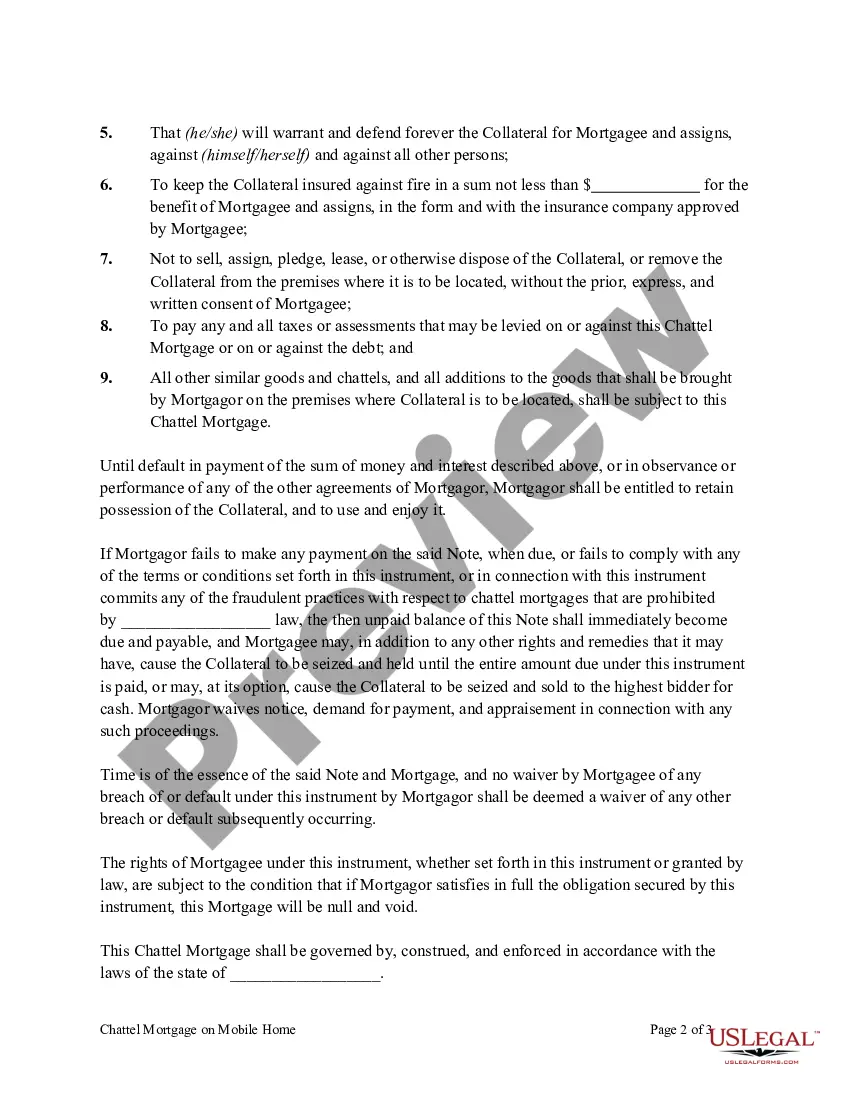
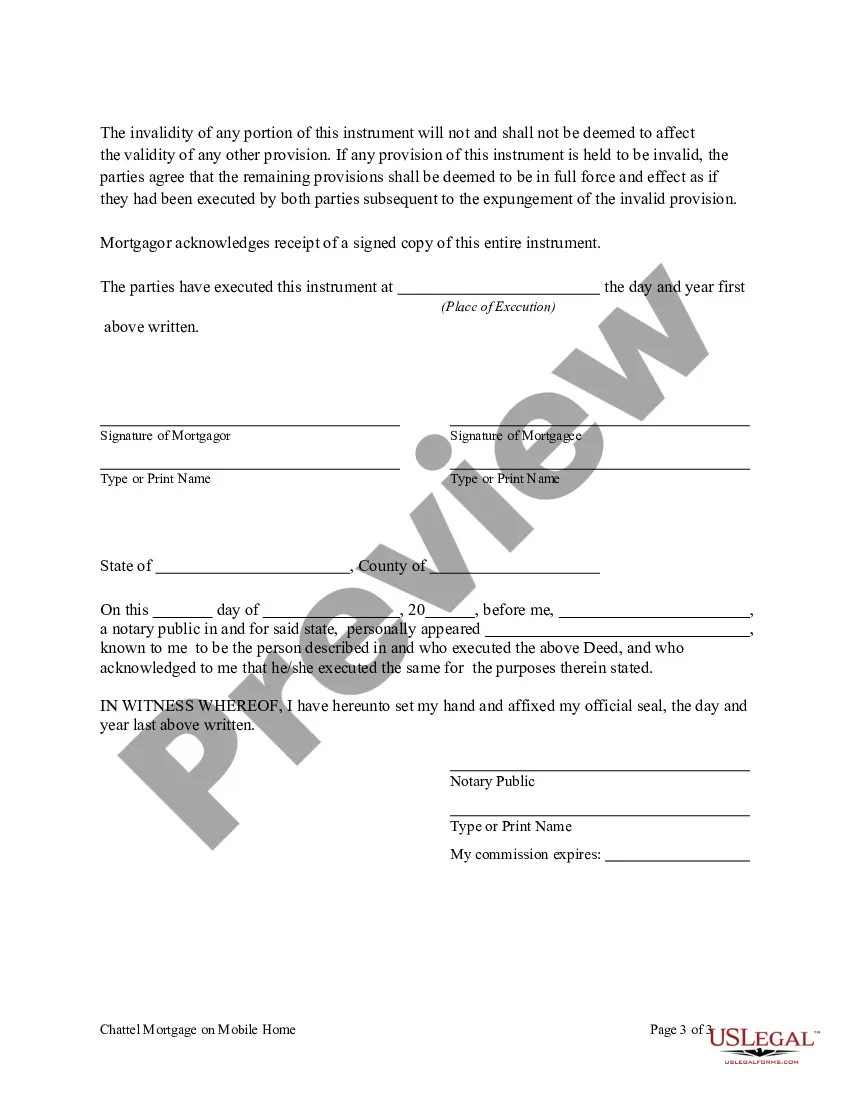
Chattel Mortgage Form With Extra Judicial Foreclosure In Washington
Description

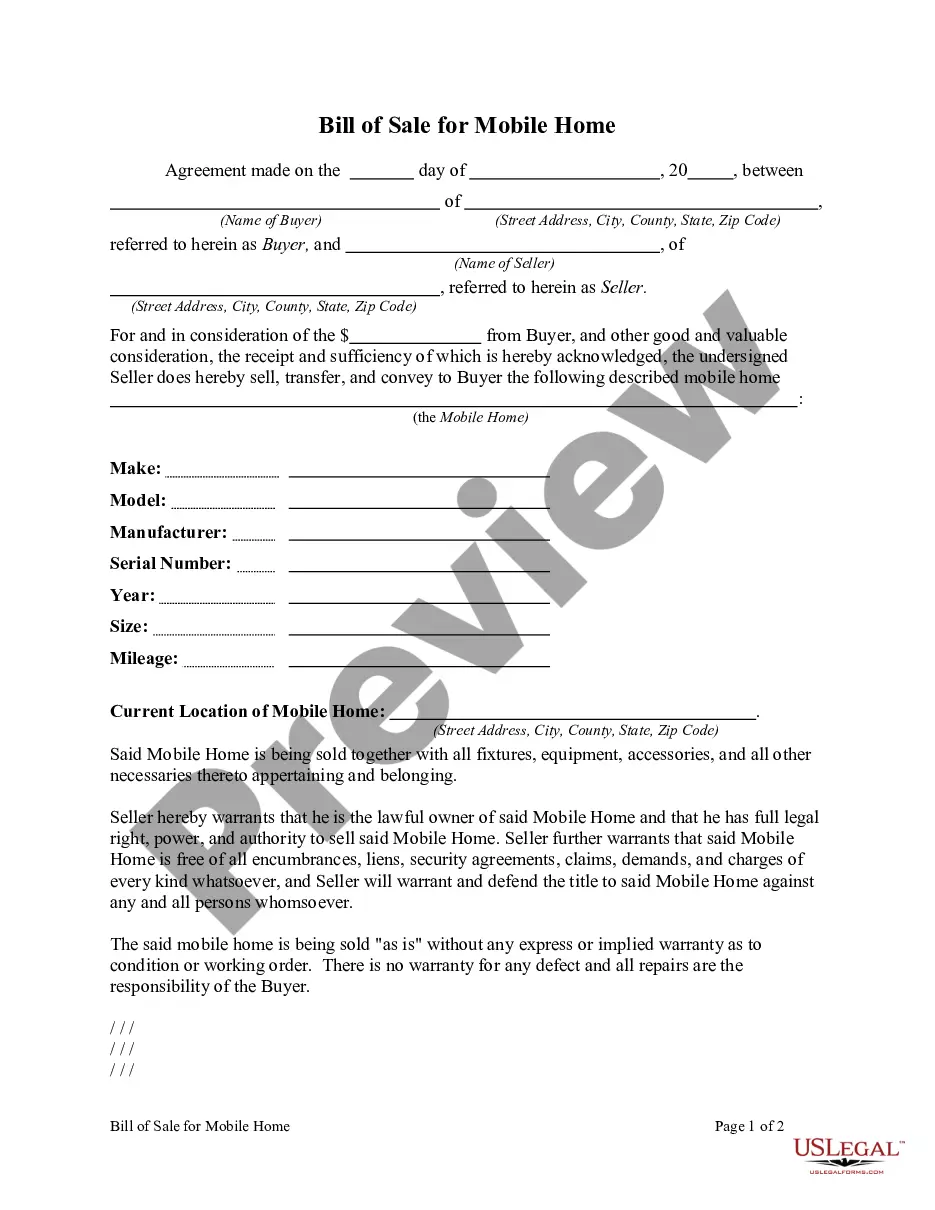
Get your form ready online
Our built-in tools help you complete, sign, share, and store your documents in one place.
Make edits, fill in missing information, and update formatting in US Legal Forms—just like you would in MS Word.
Download a copy, print it, send it by email, or mail it via USPS—whatever works best for your next step.
Sign and collect signatures with our SignNow integration. Send to multiple recipients, set reminders, and more. Go Premium to unlock E-Sign.
If this form requires notarization, complete it online through a secure video call—no need to meet a notary in person or wait for an appointment.
We protect your documents and personal data by following strict security and privacy standards.

Make edits, fill in missing information, and update formatting in US Legal Forms—just like you would in MS Word.

Download a copy, print it, send it by email, or mail it via USPS—whatever works best for your next step.

Sign and collect signatures with our SignNow integration. Send to multiple recipients, set reminders, and more. Go Premium to unlock E-Sign.

If this form requires notarization, complete it online through a secure video call—no need to meet a notary in person or wait for an appointment.

We protect your documents and personal data by following strict security and privacy standards.
Looking for another form?
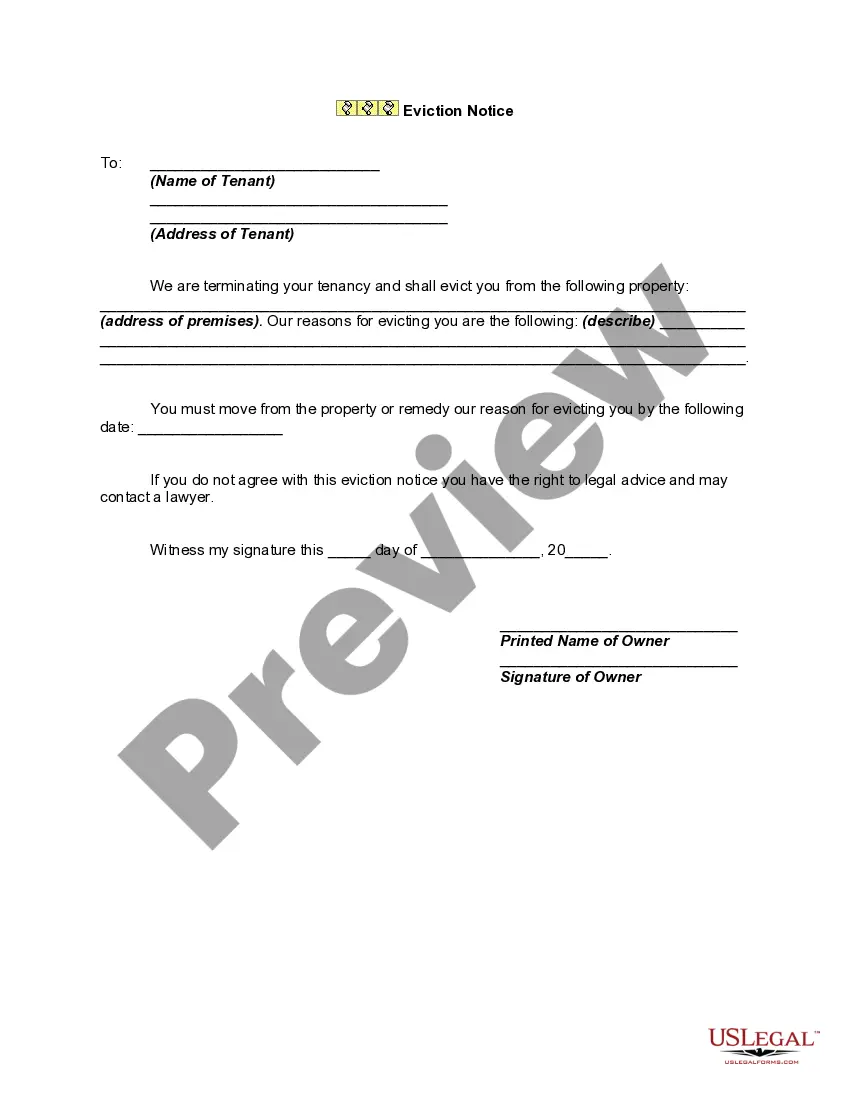

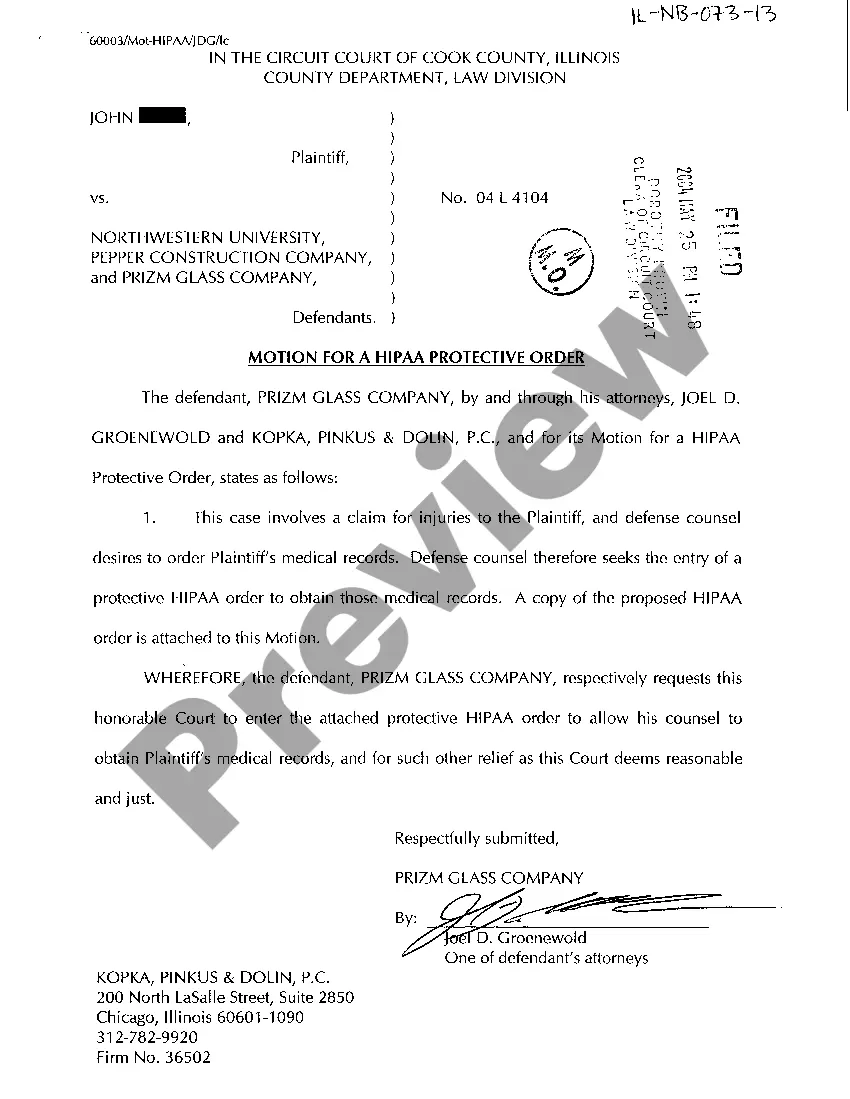


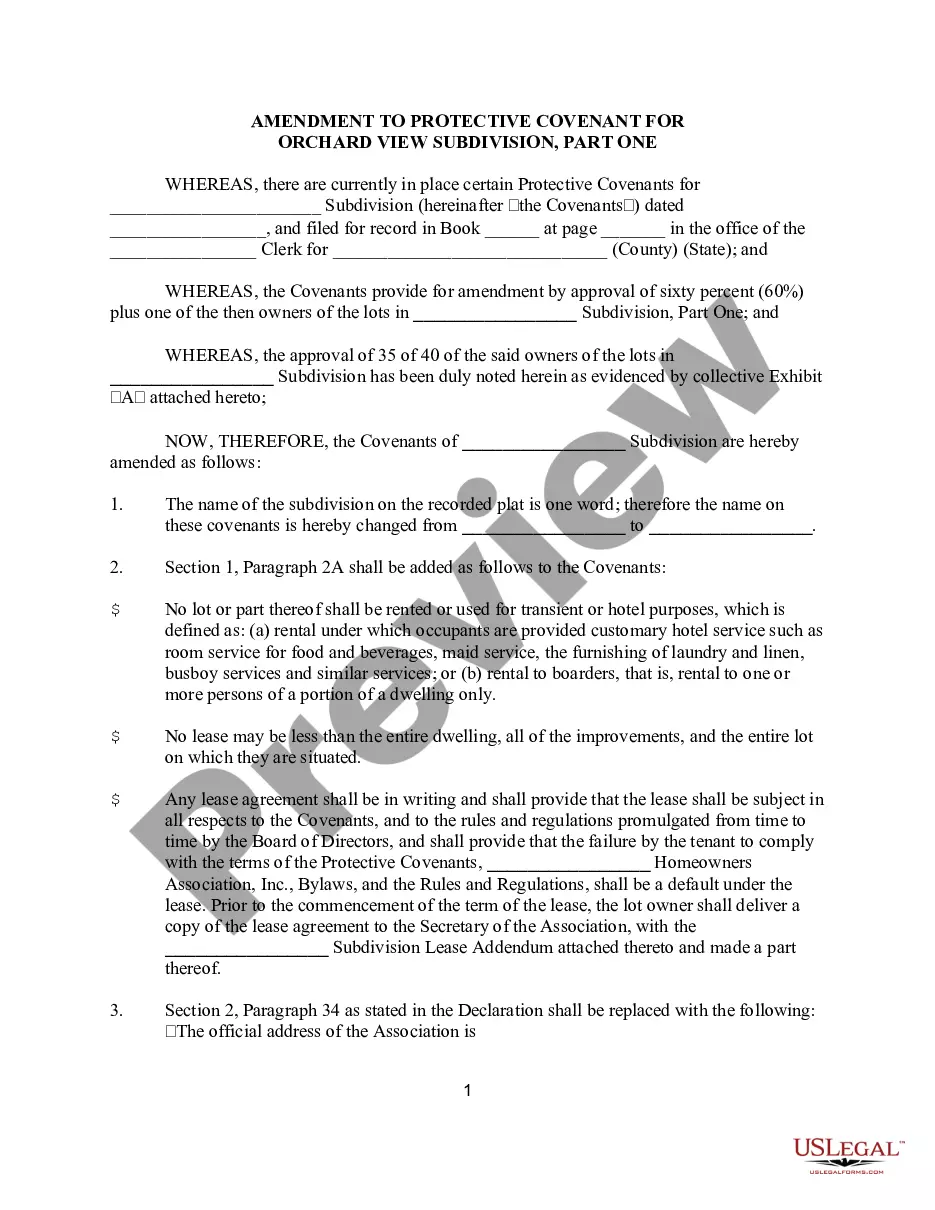


Form popularity
FAQ
Foreclosures are generally judicial in the following states: Connecticut, Delaware, District of Columbia (sometimes), Florida, Hawaii, Illinois, Indiana, Iowa, Kansas, Kentucky, Louisiana (executory proceeding), Maine, Nebraska (sometimes), New Jersey, New Mexico, New York, North Dakota, Ohio, Oklahoma (if the ...
Washington is a “non-judicial foreclosure” state, meaning a lender can foreclose on a property through a third party, the trustee, and not the court system.
When Can a Washington Foreclosure Start? Under federal law, the servicer usually can't officially begin a foreclosure until you're more than 120 days past due on payments, subject to a few exceptions. (12 C.F.R. § 1024.41 (2024).)
Nonjudicial foreclosures happen without court supervision. Washington law sets out the specifics of what steps the bank needs to complete. At the end of the process, assuming you don't successfully fight the foreclosure or work out a way to avoid it, your home is sold to a new owner at a foreclosure sale.
As part of the lawsuit, the foreclosing party includes a petition for foreclosure that explains why a judge should issue a foreclosure judgment. In most cases, the court will do so, unless the borrower has a defense that justifies the delinquent payments.
Foreclosures are generally judicial in the following states: Connecticut, Delaware, District of Columbia (sometimes), Florida, Hawaii, Illinois, Indiana, Iowa, Kansas, Kentucky, Louisiana (executory proceeding), Maine, Nebraska (sometimes), New Jersey, New Mexico, New York, North Dakota, Ohio, Oklahoma (if the ...
Washington is a “non-judicial foreclosure” state, meaning a lender can foreclose on a property through a third party, the trustee, and not the court system. However, the trustee has a duty of good faith towards both the lender and the homeowner.
093 et seq., the judgment debtor or any redemptioner may redeem the property from the purchaser at any time (a) within eight months after the date of the sale if the sale is pursuant to judgment and decree of foreclosure of any mortgage executed after June 30, 1961, which mortgage declares in its terms that the ...
Washington is a “non-judicial foreclosure” state, meaning a lender can foreclose on a property through a third party, the trustee, and not the court system.
action rule typically requires a lender to complete a judicial or nonjudicial foreclosure on the real property collateral before it can obtain a deficiency judgment against the borrower or take other action to collect against a borrower's assets.
