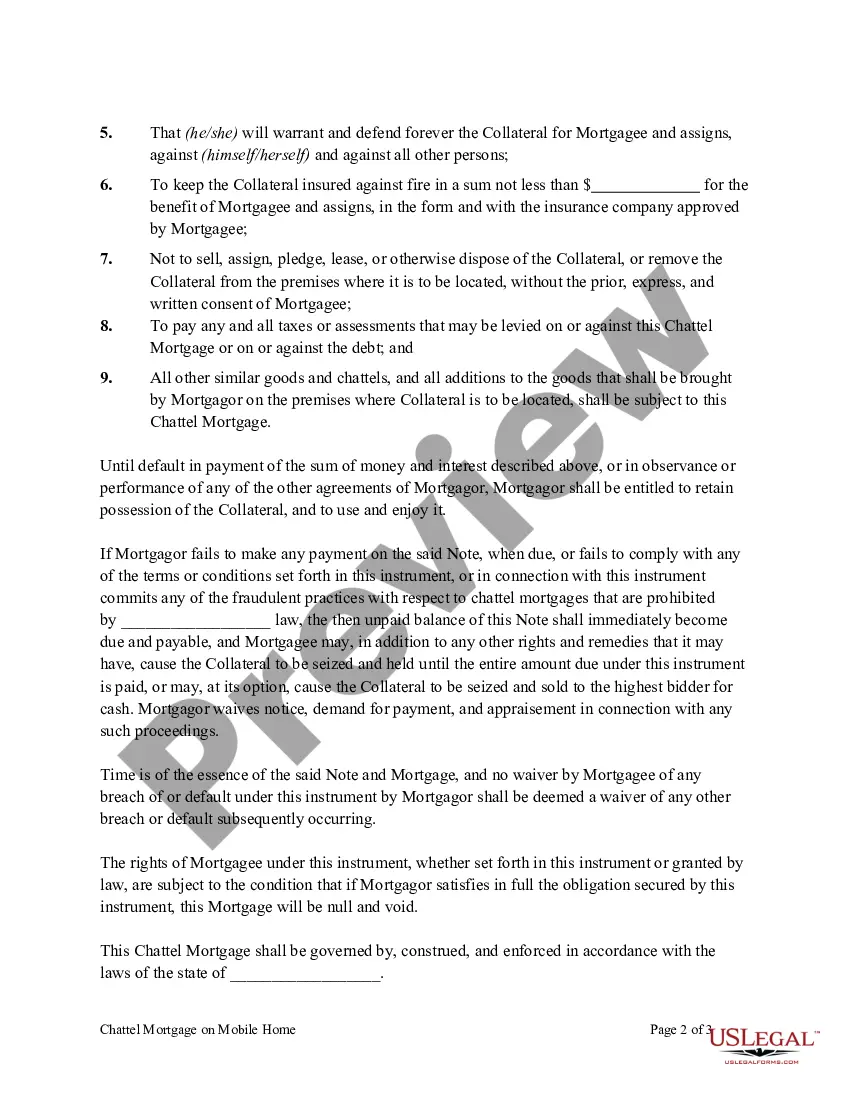
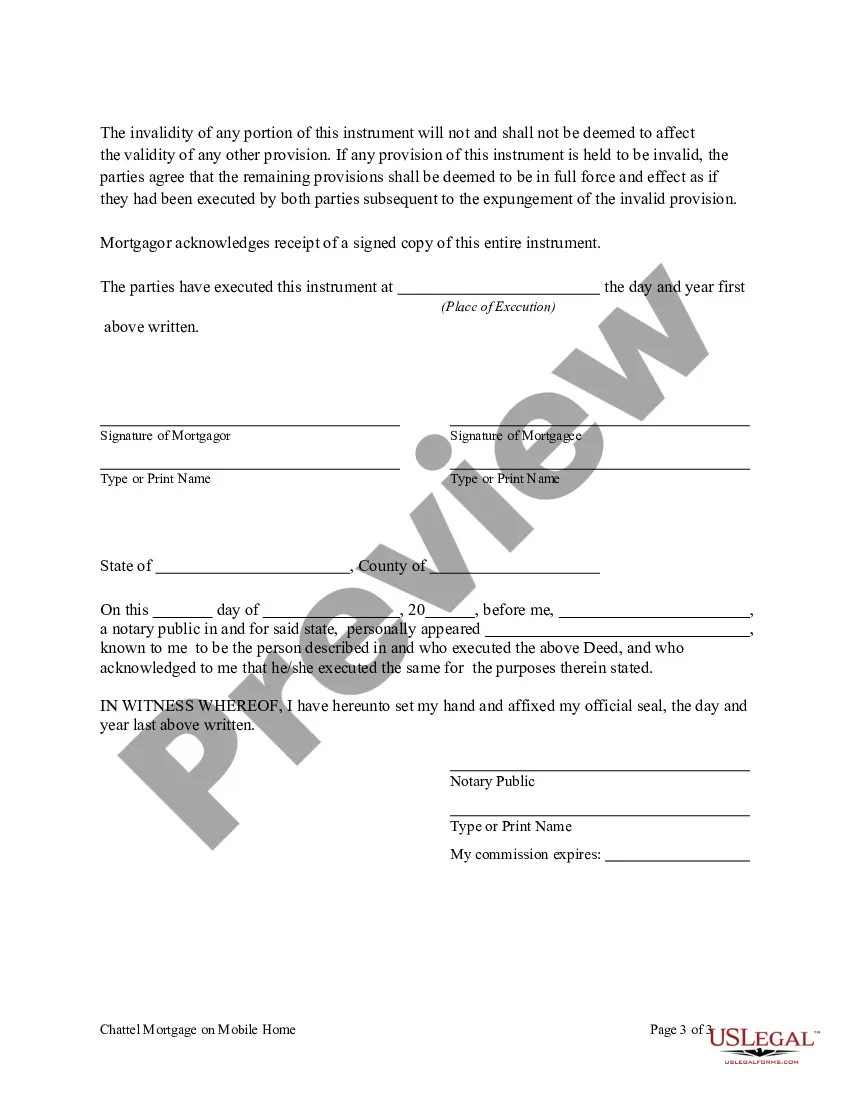
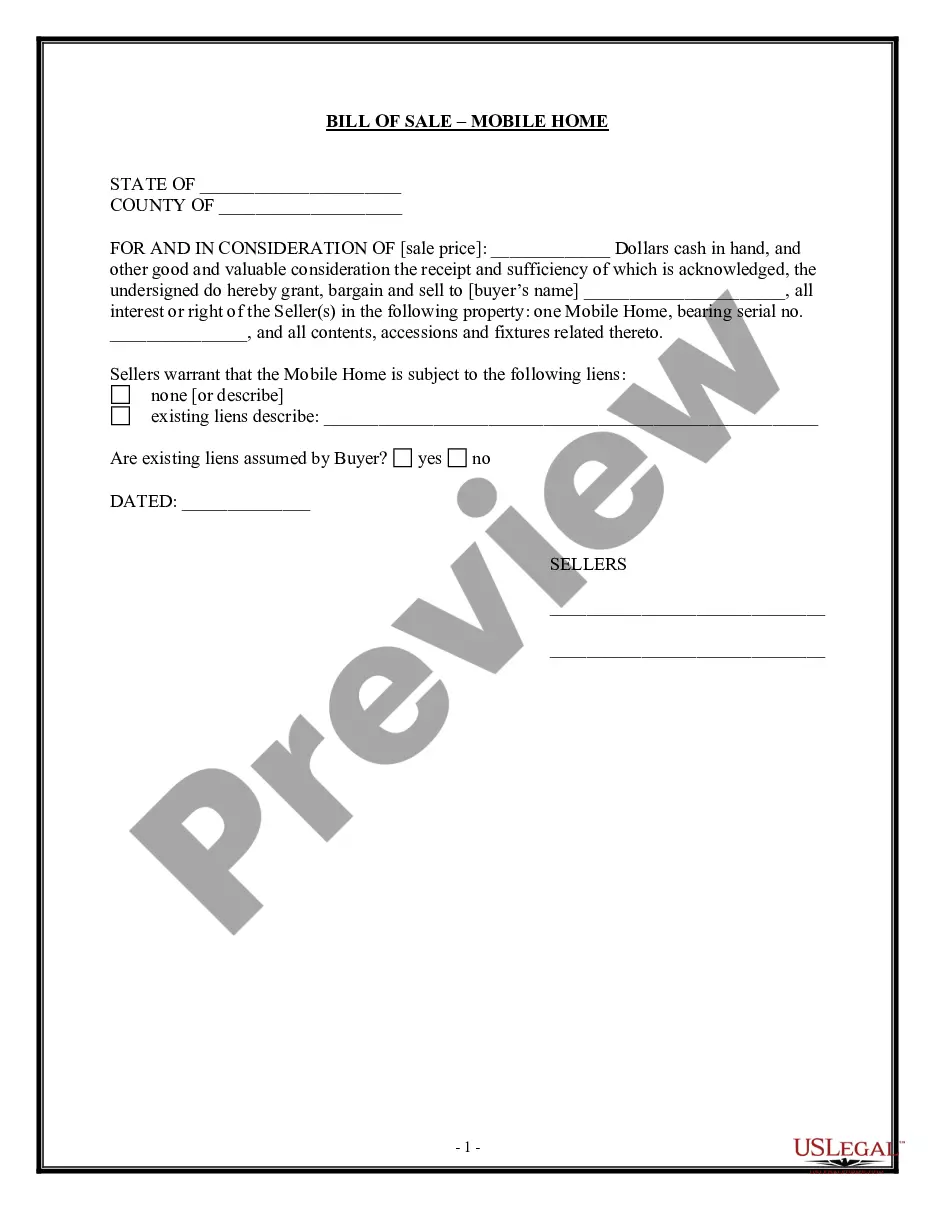
Chattel Mortgage Form Formal Contract In Ohio
Description

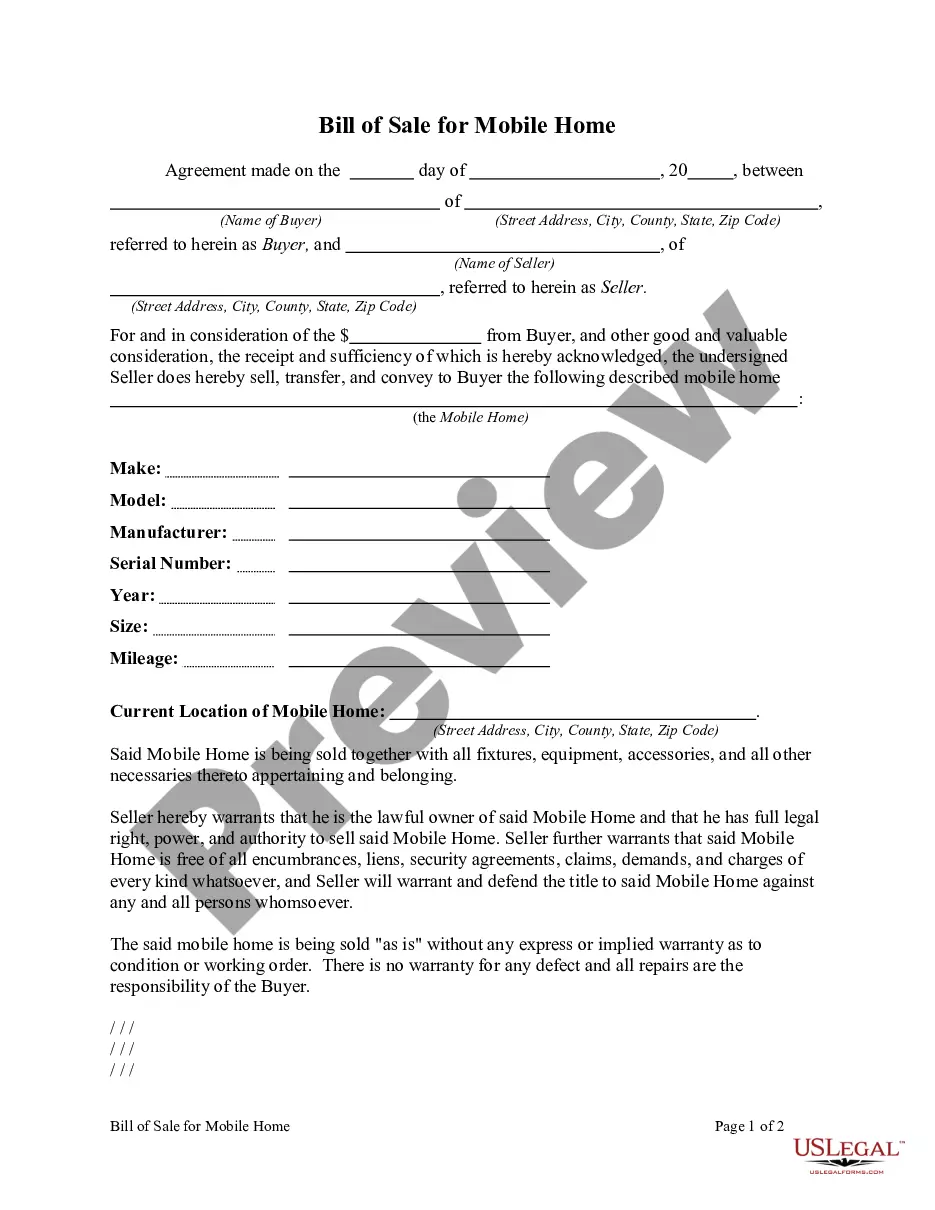
Get your form ready online
Our built-in tools help you complete, sign, share, and store your documents in one place.
Make edits, fill in missing information, and update formatting in US Legal Forms—just like you would in MS Word.
Download a copy, print it, send it by email, or mail it via USPS—whatever works best for your next step.
Sign and collect signatures with our SignNow integration. Send to multiple recipients, set reminders, and more. Go Premium to unlock E-Sign.
If this form requires notarization, complete it online through a secure video call—no need to meet a notary in person or wait for an appointment.
We protect your documents and personal data by following strict security and privacy standards.

Make edits, fill in missing information, and update formatting in US Legal Forms—just like you would in MS Word.

Download a copy, print it, send it by email, or mail it via USPS—whatever works best for your next step.

Sign and collect signatures with our SignNow integration. Send to multiple recipients, set reminders, and more. Go Premium to unlock E-Sign.

If this form requires notarization, complete it online through a secure video call—no need to meet a notary in person or wait for an appointment.

We protect your documents and personal data by following strict security and privacy standards.
Looking for another form?







Form popularity
FAQ
An attorney licensed to practice law in Ohio must prepare deeds, powers of attorney, and other instruments that are to be recorded.
All documents to be recorded must be prepared by an attorney other than the limited exceptions discussed above. A non-attorney may perform searches and examinations, sign documents, close transactions and disburse escrow funds. A non-attorney may not render an opinion of title.
In Ohio, only an attorney can draft a deed for others. All title companies must use an attorney to draft deeds.
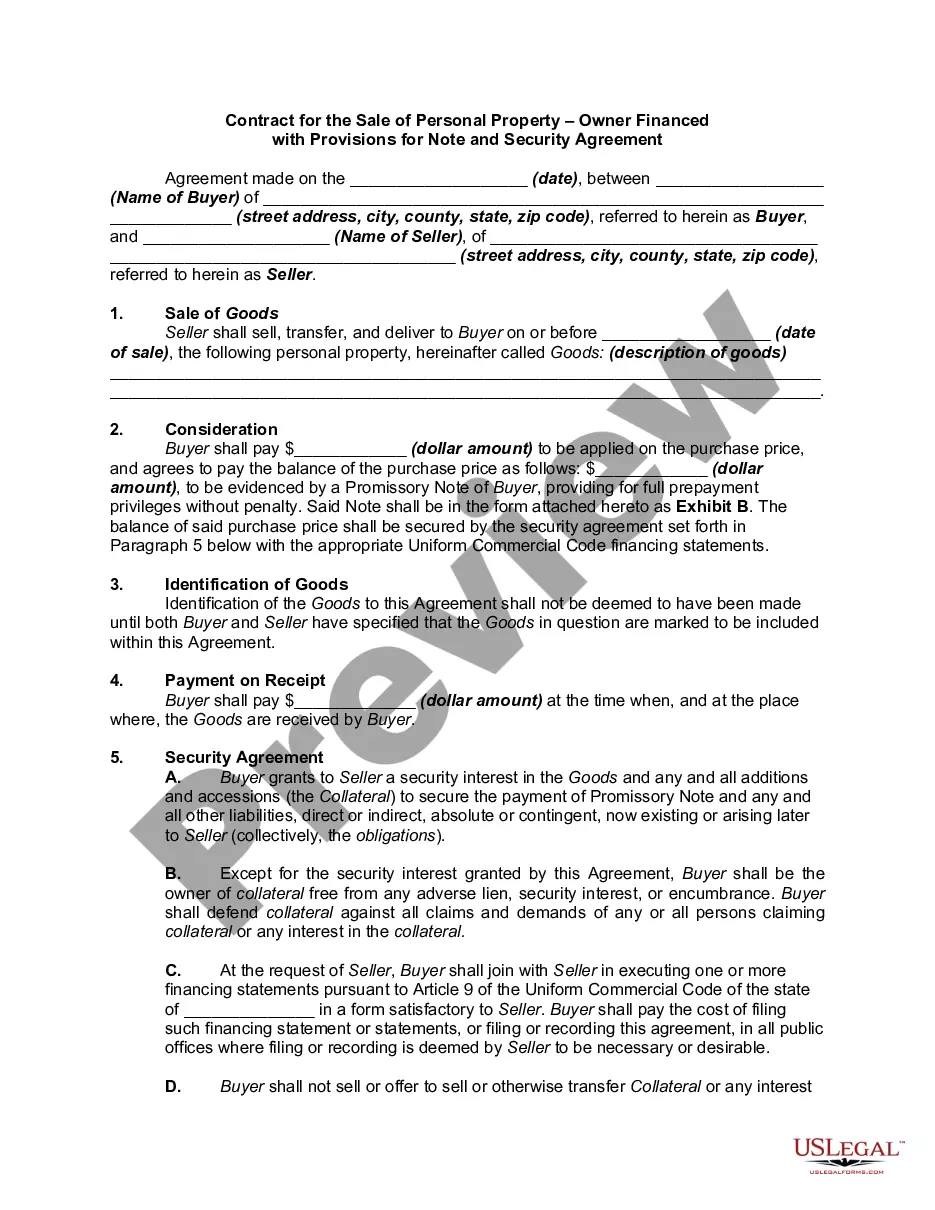
Chattel paper refers to a document used in secured transactions to sell property on credit while retaining some interest in the property. Chattel paper must show: A monetary obligation from Party A to Party B, and. A security interest or other interest retained in the property by Party B.
If the debtor defaults, the lender can gain all rights to the property, as laid under the security agreement. Mortgage is different from a security agreement. A mortgage is used to secure the lender's rights by placing a lien against the title of the property.
Deed not recognized in Ohio: Ohio does not recognize joint tenancy with right of survivorship—a common-law form of joint ownership under which a surviving co-owner automatically receives a deceased co-owner's interest.
The buyer who records their deed first is recognized as the legal property owner. Thus, it is a “race” between the two buyers to record their deeds. But, the subsequent bona fide buyer is only allowed to compete in the race if they didn't know about the earlier property transfer. Ohio is a race-notice jurisdiction.
