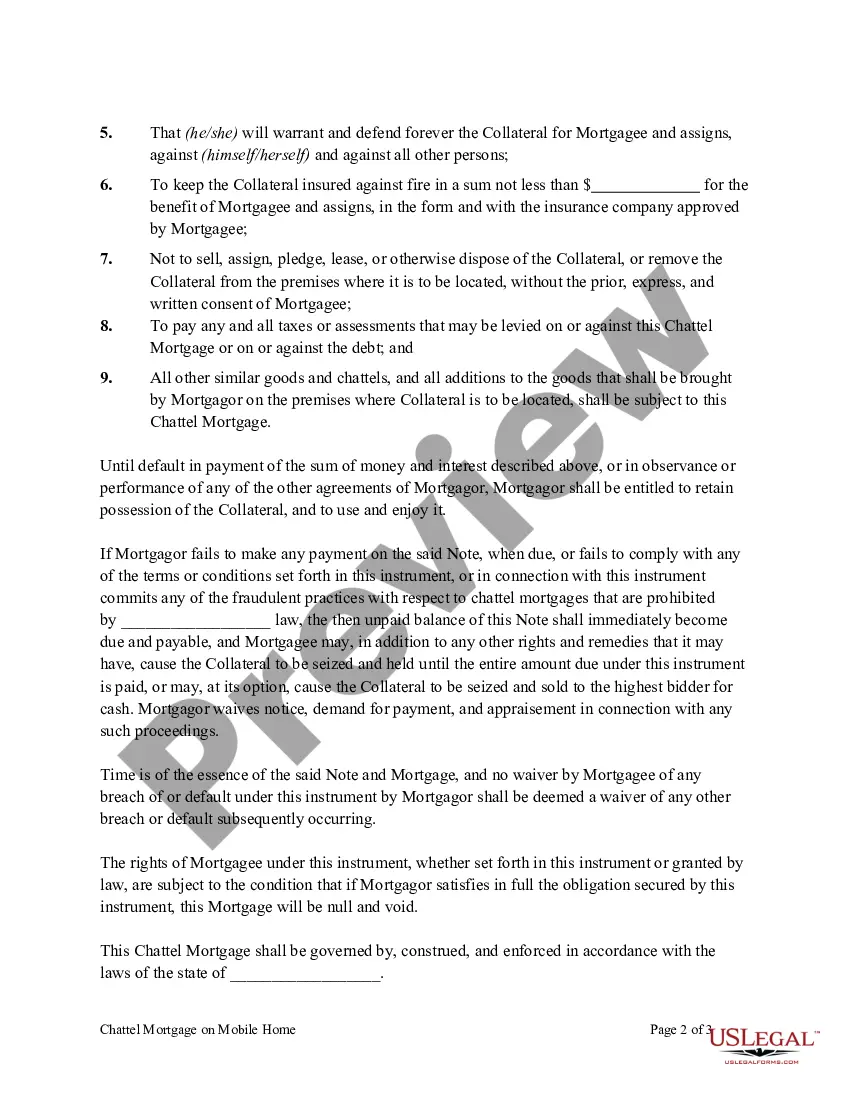
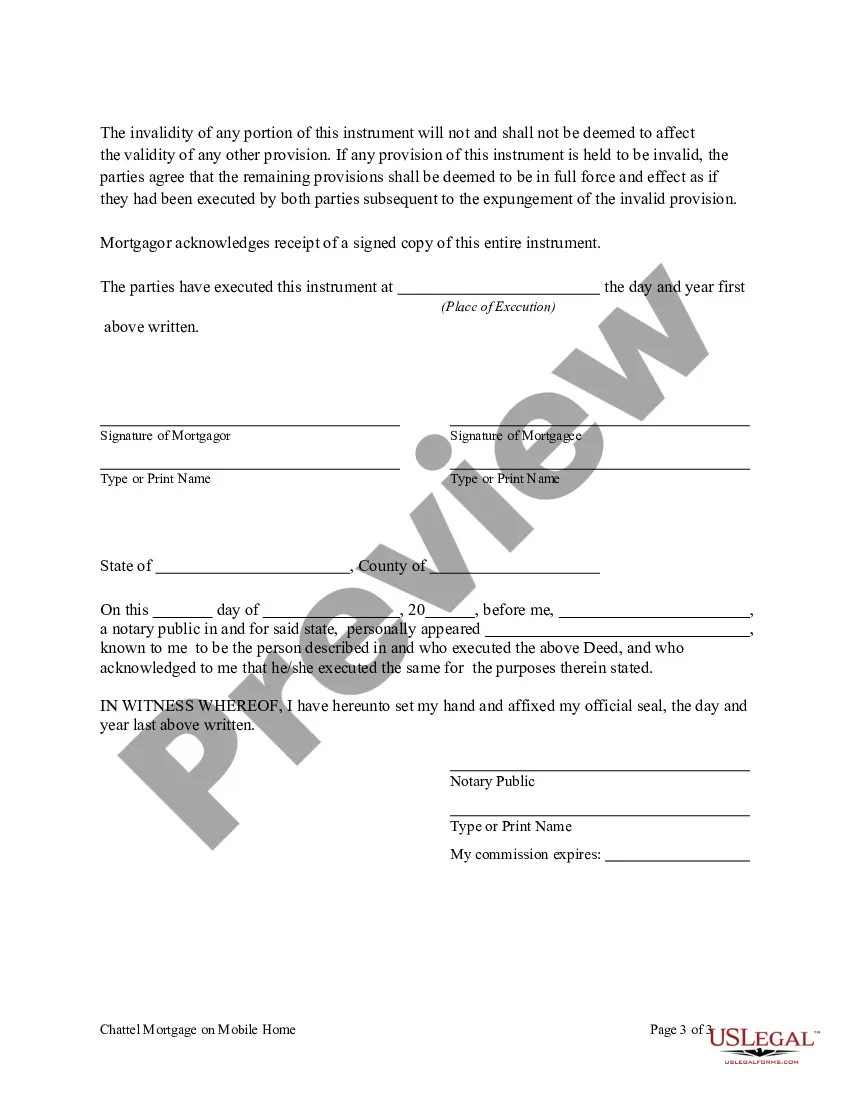
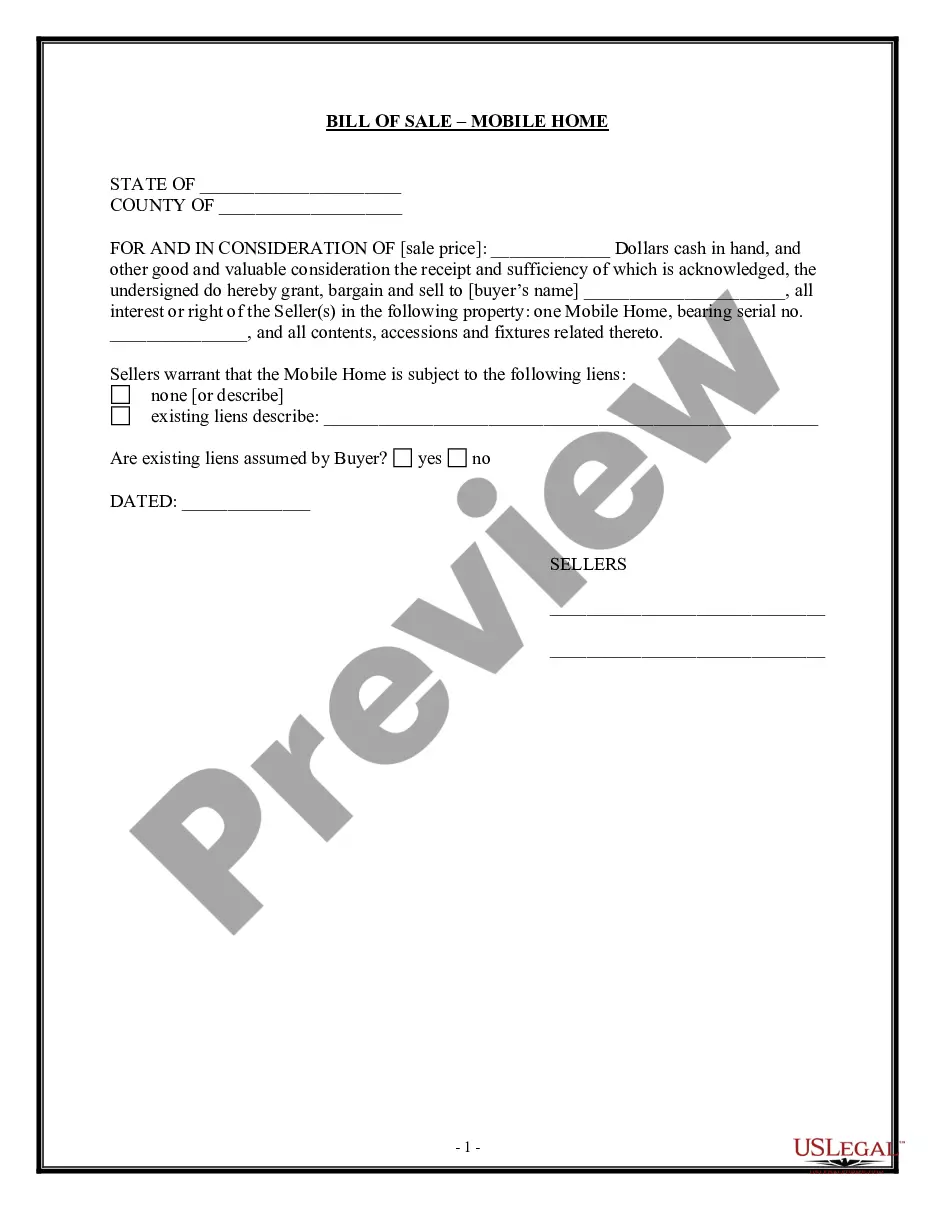
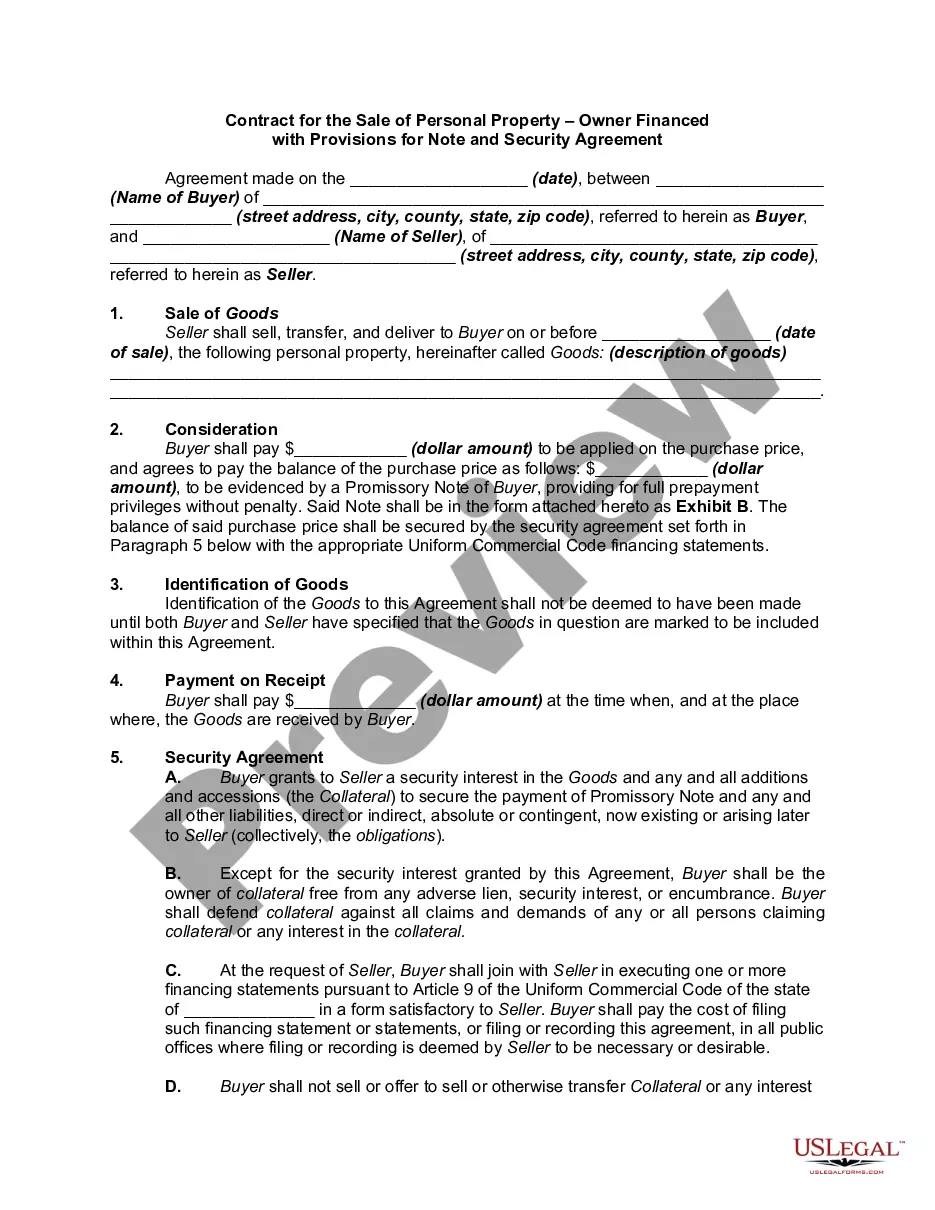
Chattel Mortgage Form With Extra Judicial Foreclosure In North Carolina
Description

Get your form ready online
Our built-in tools help you complete, sign, share, and store your documents in one place.
Make edits, fill in missing information, and update formatting in US Legal Forms—just like you would in MS Word.
Download a copy, print it, send it by email, or mail it via USPS—whatever works best for your next step.
Sign and collect signatures with our SignNow integration. Send to multiple recipients, set reminders, and more. Go Premium to unlock E-Sign.
If this form requires notarization, complete it online through a secure video call—no need to meet a notary in person or wait for an appointment.
We protect your documents and personal data by following strict security and privacy standards.

Make edits, fill in missing information, and update formatting in US Legal Forms—just like you would in MS Word.

Download a copy, print it, send it by email, or mail it via USPS—whatever works best for your next step.

Sign and collect signatures with our SignNow integration. Send to multiple recipients, set reminders, and more. Go Premium to unlock E-Sign.

If this form requires notarization, complete it online through a secure video call—no need to meet a notary in person or wait for an appointment.

We protect your documents and personal data by following strict security and privacy standards.
Looking for another form?




Form popularity
FAQ
Power of sale clause in a mortgage deed A power of sale clause written into a mortgage contract authorizes the mortgagee to sell the property in the event of default. These types of clauses invoke the right of foreclosure without going through the court process.
When You Can Claim Surplus Funds. If you suspect you have a right to surplus funds, you can file a special proceeding in the county where the foreclosure took place. You must show proof that you hold a legal claim to the excess proceeds. The clerk will review your evidence and assess whether other claimants exist.
Nonjudicial Foreclosure, also known as a power of sale, refers to a method of foreclosure that allows the Mortgagee to proceed with the foreclosure process without filing suit with the judicial system.
Timelines for distressed borrowers Borrowers have the most protections if a complete application for mortgage assistance is submitted within 120 days of the first missed payment because the servicer is not allowed to start a foreclosure process during those 120 days.
In North Carolina, the foreclosure process typically takes around 120 days from the date the first payment is missed to when the property is sold at a foreclosure sale. The timeline may vary depending on several factors, including: The lender's policies and procedures.
The statute of limitations for contesting a will in North Carolina is three years from the date of the decedent's death. This means that an individual must file a claim to contest the will within three years of the decedent's passing, or they will lose the right to challenge the will.
The statute applies the ten year period tothe foreclosure of a mortgage, or deed in trust for creditors with a power of sale,of real property, where the mortgagor or grantor has been in possession of the property, within ten years after the forfeiture of the mortgage, or after the power of sale became absolute, or ...
The foreclosure of a mortgage, or deed in trust for creditors with a power of sale, of real property, where the mortgagor or grantor has been in possession of the property, within ten years after the forfeiture of the mortgage, or after the power of sale became absolute, or within ten years after the last payment on ...
Most foreclosures in N.C. are "non-judicial" foreclosures, which means that they are heard in front of the county clerk, not a judge.
It's a voluntary transfer of property to the lender. The lender forgives the borrower's mortgage debt. The agreement must be in writing and signed by all parties involved.
