Chattel Mortgage Form With Balloon In Minnesota
Description

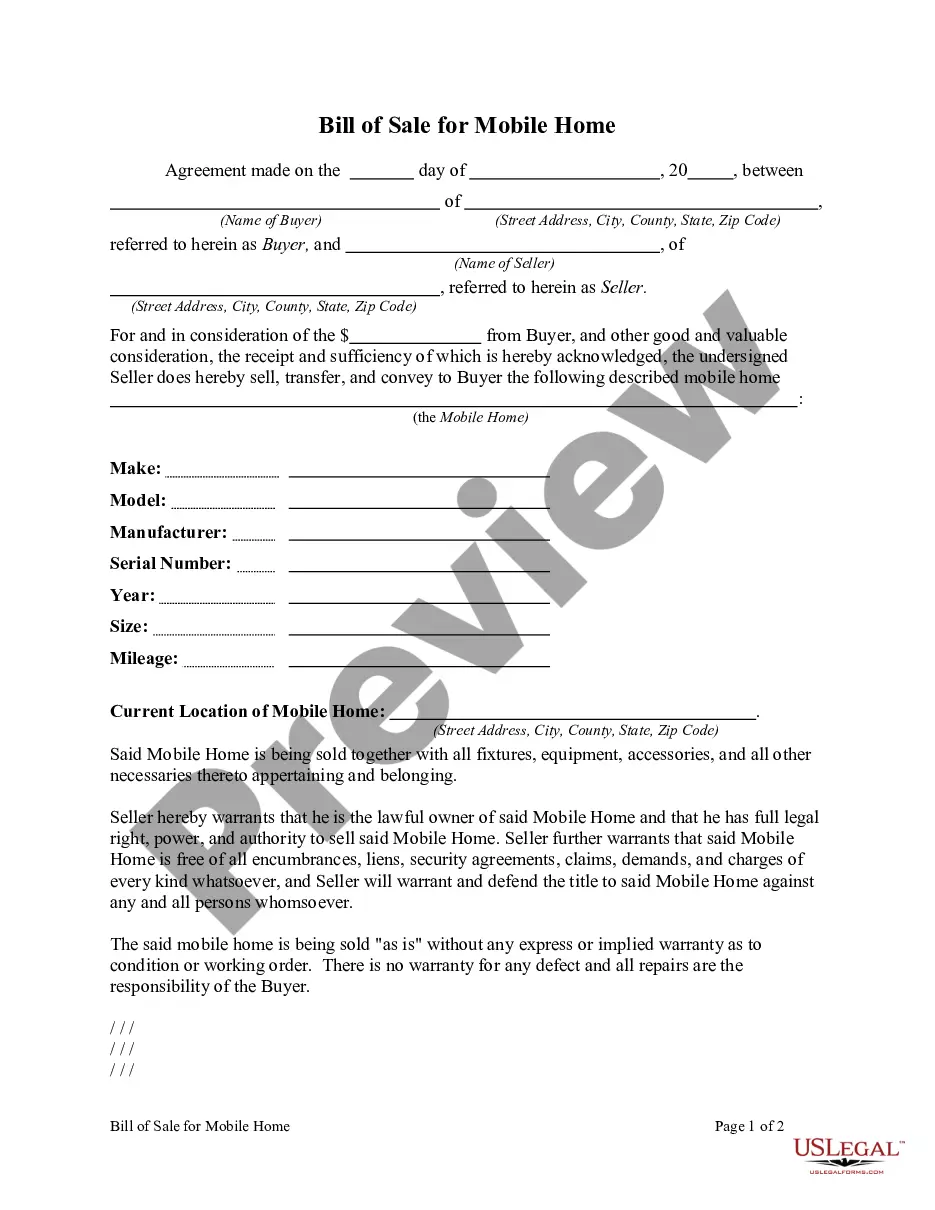
Get your form ready online
Our built-in tools help you complete, sign, share, and store your documents in one place.
Make edits, fill in missing information, and update formatting in US Legal Forms—just like you would in MS Word.
Download a copy, print it, send it by email, or mail it via USPS—whatever works best for your next step.
Sign and collect signatures with our SignNow integration. Send to multiple recipients, set reminders, and more. Go Premium to unlock E-Sign.
If this form requires notarization, complete it online through a secure video call—no need to meet a notary in person or wait for an appointment.
We protect your documents and personal data by following strict security and privacy standards.

Make edits, fill in missing information, and update formatting in US Legal Forms—just like you would in MS Word.

Download a copy, print it, send it by email, or mail it via USPS—whatever works best for your next step.

Sign and collect signatures with our SignNow integration. Send to multiple recipients, set reminders, and more. Go Premium to unlock E-Sign.

If this form requires notarization, complete it online through a secure video call—no need to meet a notary in person or wait for an appointment.

We protect your documents and personal data by following strict security and privacy standards.
Looking for another form?
Form popularity
FAQ
Is a contract for deed a good idea? The seller retains the title. This can extend through the completion of your payment plan, which can complicate things like ownership and taxes, as well as personal security and rights. Maintenance gets confusing. There's little regulation. Sellers don't have it easy.
There is new Minnesota contract for deed legislation passed in the last legislative session that went into effect August 1, 2024, impacting both buyers and sellers. A contract for deed is where a buyer purchases real estate by making payments to the seller over time, instead of paying the full amount upfront.
Contracts for deed are a form of seller financing, where the seller retains legal title of a home until the borrower completes the payments.
A contract for deed is a type of seller financing, where the seller agrees to give possession of the property to the buyer immediately. The buyer makes payments directly to the seller, usually monthly, over a period of time agreed upon by both parties and established within the contract.
A major drawback of a contract for deed for buyers is that the seller retains the legal title to the property until the payment plan is completed. On one hand, this means that they're responsible for things like property taxes. On the other hand, the buyer lacks security and rights to their home.
In order to cancel a contract for deed, a seller needs to complete a form called a notice of cancellation of contract for deed, and have the notice personally served on the buyer.
(a) A vendee who fails to record a contract for deed, as required by subdivision 1, is subject to a civil penalty, payable under subdivision 5, equal to two percent of the principal amount of the contract debt, unless the vendee has not received a copy of the contract for deed in recordable form, as required under ...
Under MN law, the legal maximum rate of interest on a written contract is 8%. See written MN statutes §334.01.
(2) record the contract for deed in the office of the county recorder or registrar of titles in the county in which the land is located.
Potential Downsides of Balloon Mortgages for Homebuyers Foreclosure can result in the loss of the home, emotional distress, and impact the borrower's credit negatively, generally for seven years. The first balloon mortgage payments primarily cover the interest rather than the principal.
