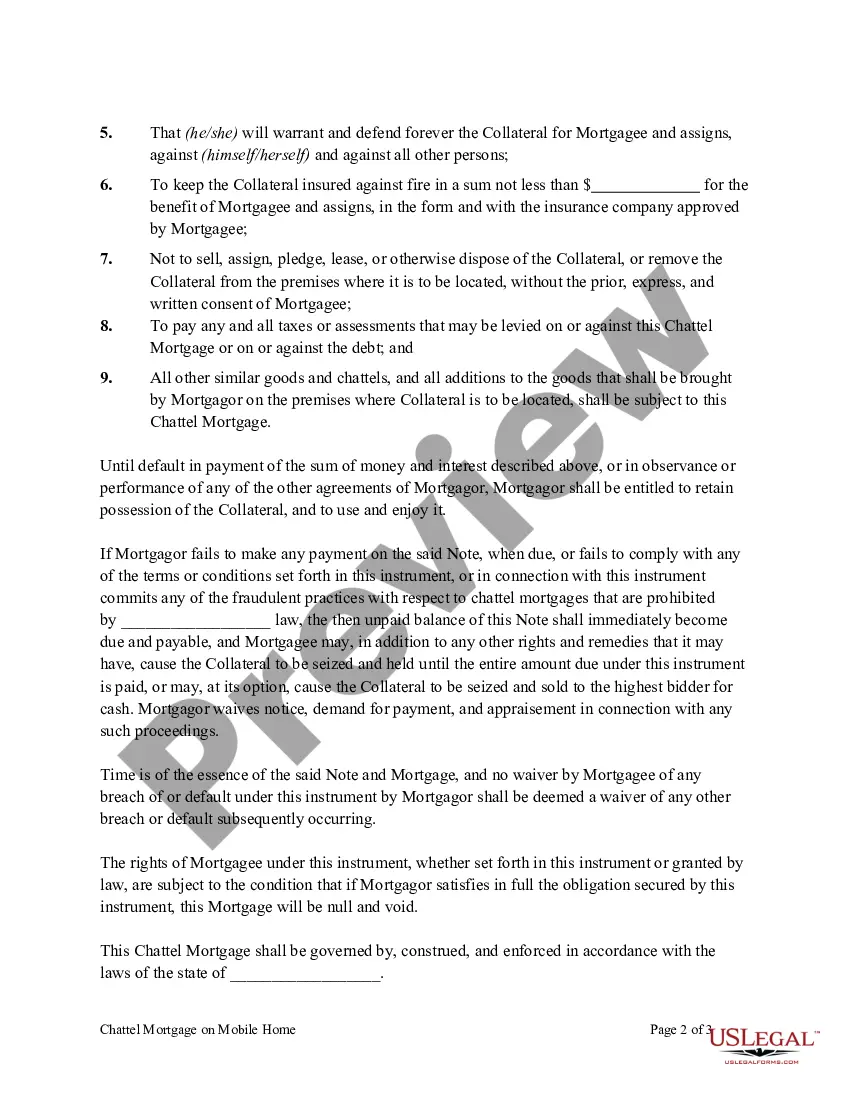
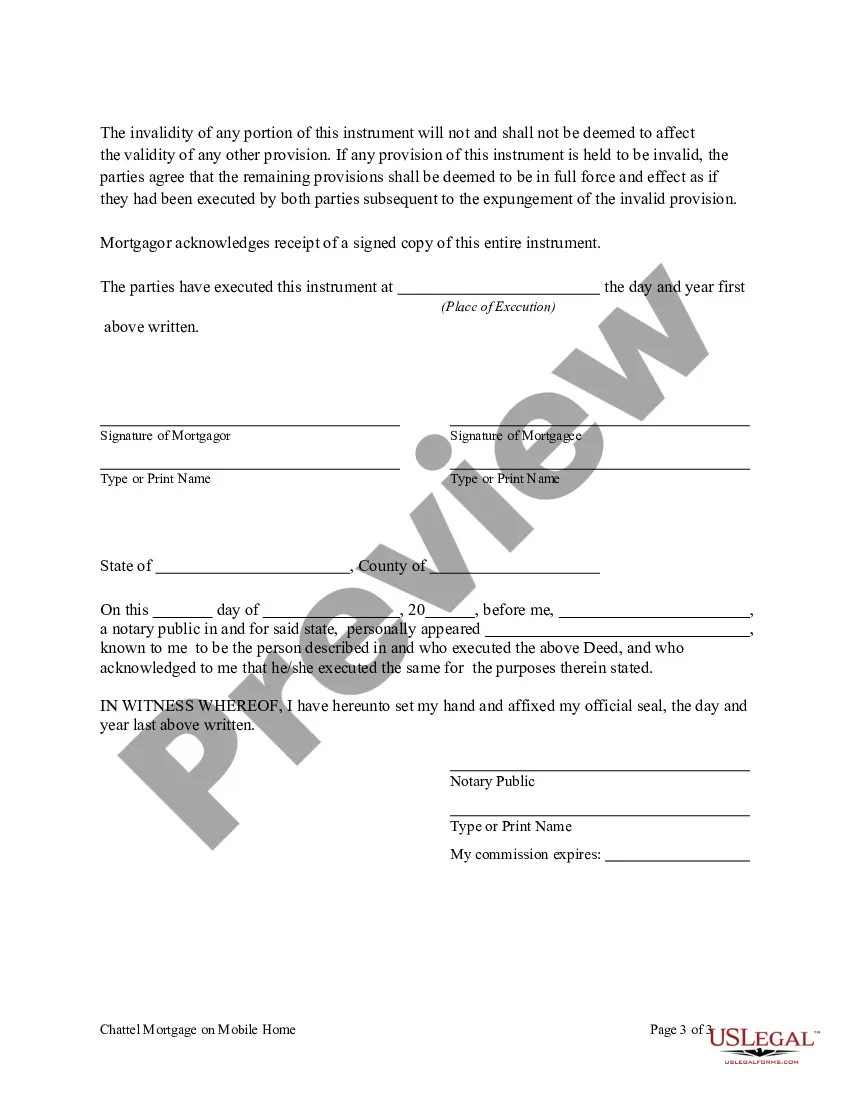
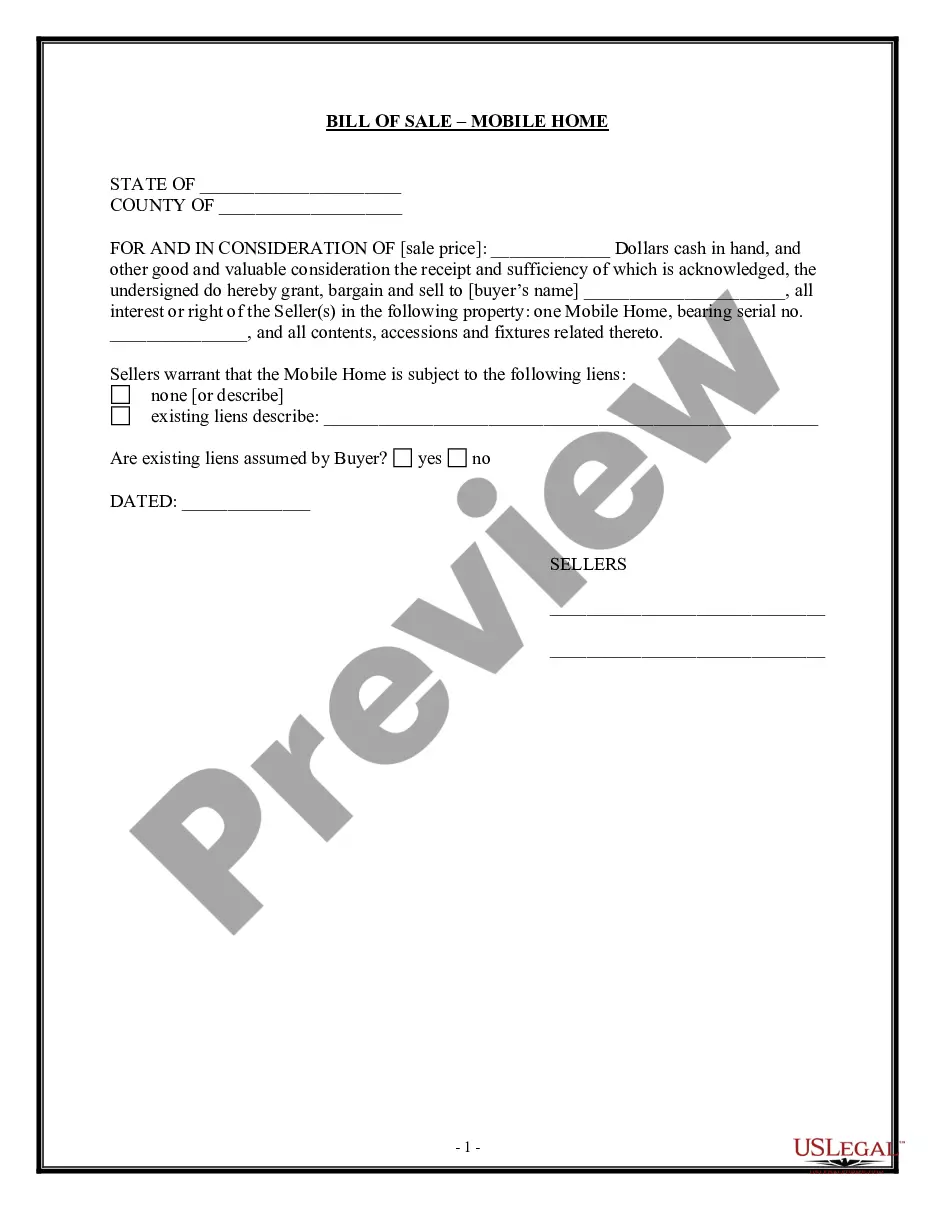
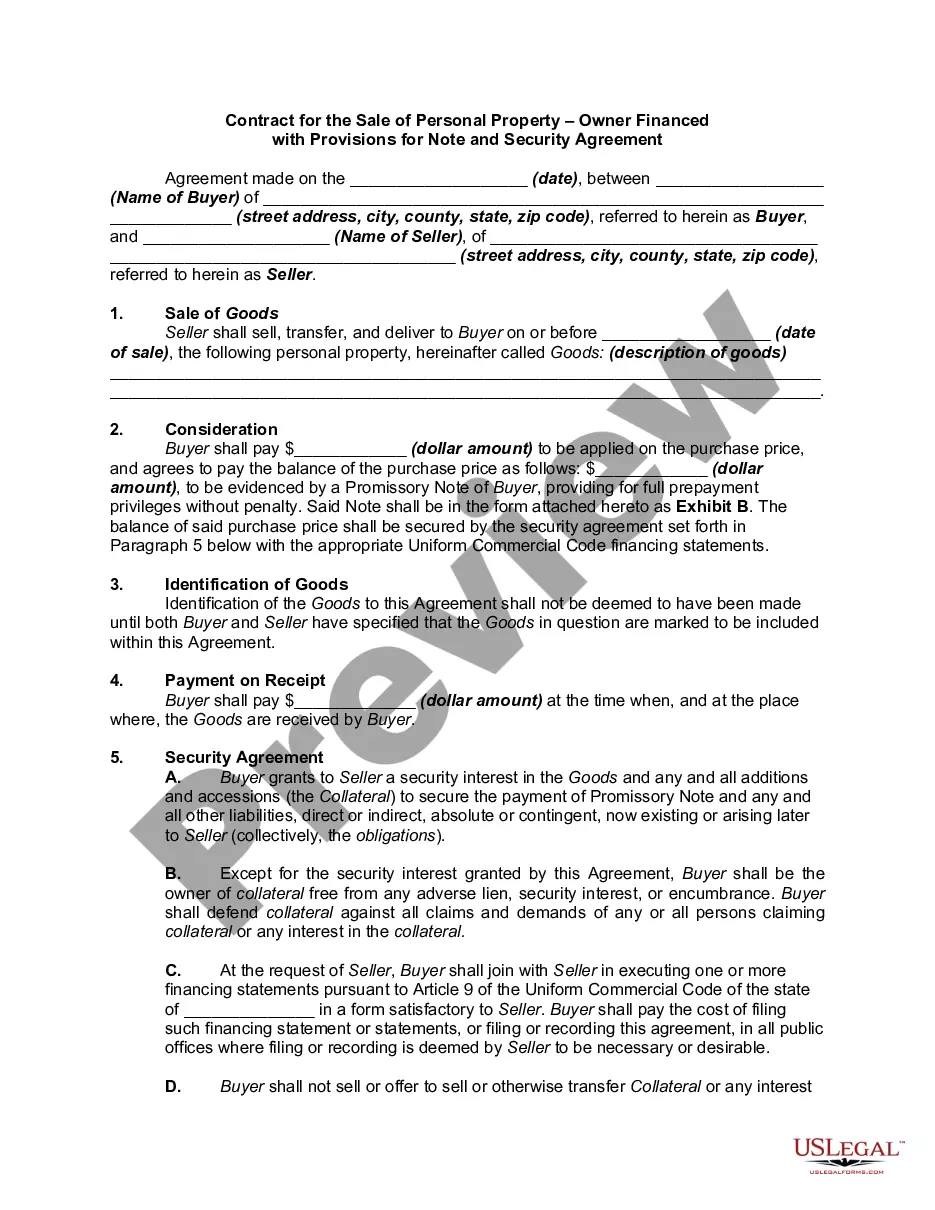
Chattel Mortgage Form For Car In Illinois
Description

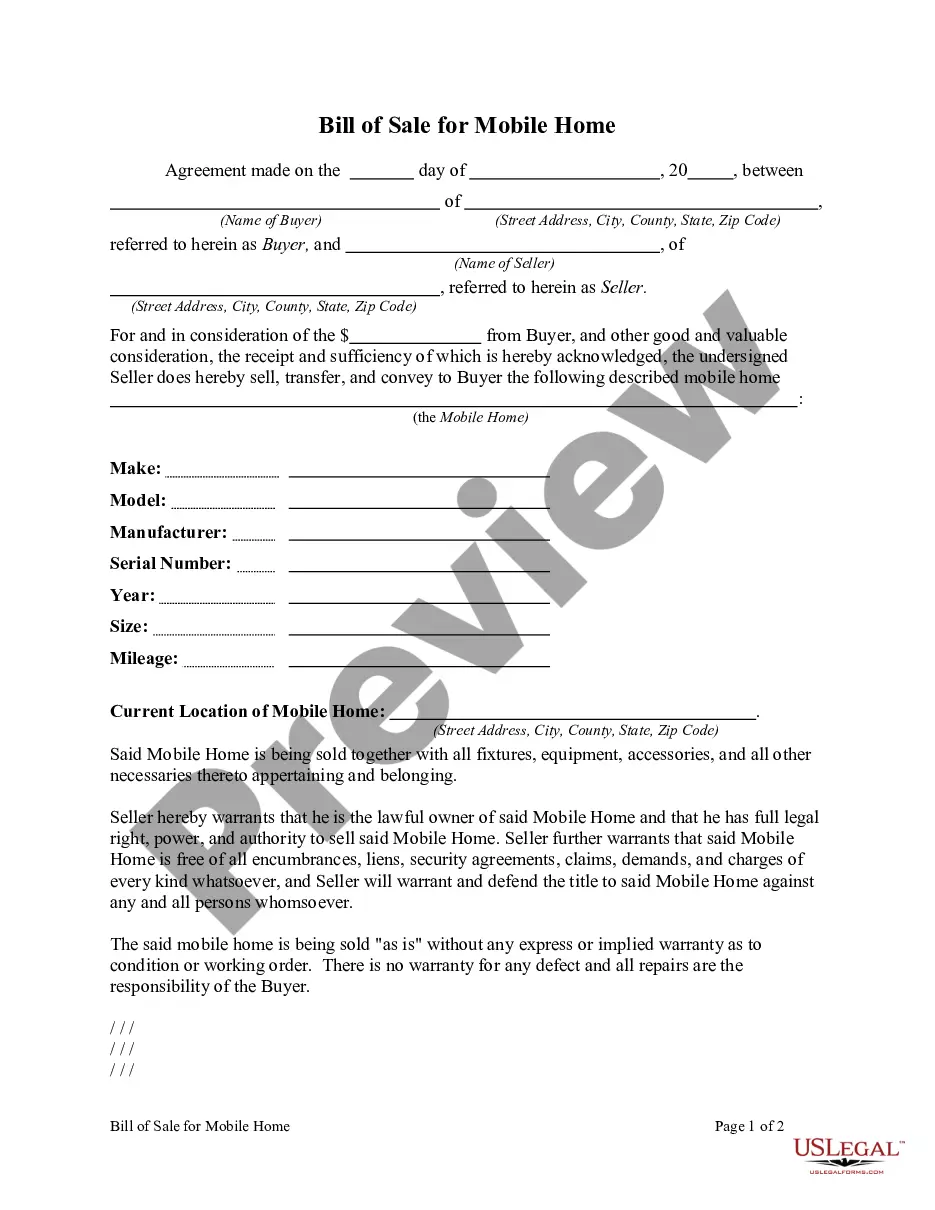
Get your form ready online
Our built-in tools help you complete, sign, share, and store your documents in one place.
Make edits, fill in missing information, and update formatting in US Legal Forms—just like you would in MS Word.
Download a copy, print it, send it by email, or mail it via USPS—whatever works best for your next step.
Sign and collect signatures with our SignNow integration. Send to multiple recipients, set reminders, and more. Go Premium to unlock E-Sign.
If this form requires notarization, complete it online through a secure video call—no need to meet a notary in person or wait for an appointment.
We protect your documents and personal data by following strict security and privacy standards.

Make edits, fill in missing information, and update formatting in US Legal Forms—just like you would in MS Word.

Download a copy, print it, send it by email, or mail it via USPS—whatever works best for your next step.

Sign and collect signatures with our SignNow integration. Send to multiple recipients, set reminders, and more. Go Premium to unlock E-Sign.

If this form requires notarization, complete it online through a secure video call—no need to meet a notary in person or wait for an appointment.

We protect your documents and personal data by following strict security and privacy standards.
Looking for another form?
Form popularity
FAQ
Required Documentation Vehicle Title: The current owner must provide the original vehicle title. Bill of Sale: A bill of sale is essential, documenting the transaction's details. Application for Title: Both parties need to complete the Illinois Application for Vehicle Transaction(s) (Form VSD 190).
Selling a vehicle for $1 instead of gifting it could result in your recipient paying sales tax based on the car's fair market value — it's better to stick with the official gifting process.
RUT-50 Instructions for Private Party Vehicle Use Tax Transaction. Form RUT-50 General Information. Who must file Form RUT-50? You must file Form RUT-50, Private Party Vehicle Use Tax Transaction, if you purchased or acquired by gift or transfer a motor vehicle from a. private party.
If you had the vehicle titled in another state for more than three months, no Illinois tax is due, but you still must file Form RUT-25 to reflect that fact. If you are leasing the vehicle from an unregistered out-of-state retailer, you must use Form RUT-25-LSE to report the transaction.
While Illinois law does not require an attorney's involvement when setting up a POA, hiring one can be beneficial. POAs are important legal documents that grant one person significant control over another's affairs.
Luckily Illinois is not a state that requires both parties to be present. Make sure that you both have filled out the title where you should be (or at least they have) and have a bill of sales if possible.
A power of attorney (POA) for vehicle titles enables one individual to act on behalf of another regarding vehicle transactions. This legal document streamlines processes like buying, selling, or titling vehicles.
An Illinois motor vehicle power of attorney (Form RT-5) allows an individual to grant another party the authority to handle vehicle-related transactions on their behalf. It identifies the representative and vehicle owner and describes the vehicle in question.
The principal — that is, the person who assigned POA to someone (an agent) on their behalf — can revoke it.
- The lienholder's complete name and address must be indicated on the application. Complete an application for corrected vehicle registration ID card (use form VSD 190). - Enter the current Illinois license plate on line #2 and the expiration date on line #4. - Submit a copy of the registration ID card.
