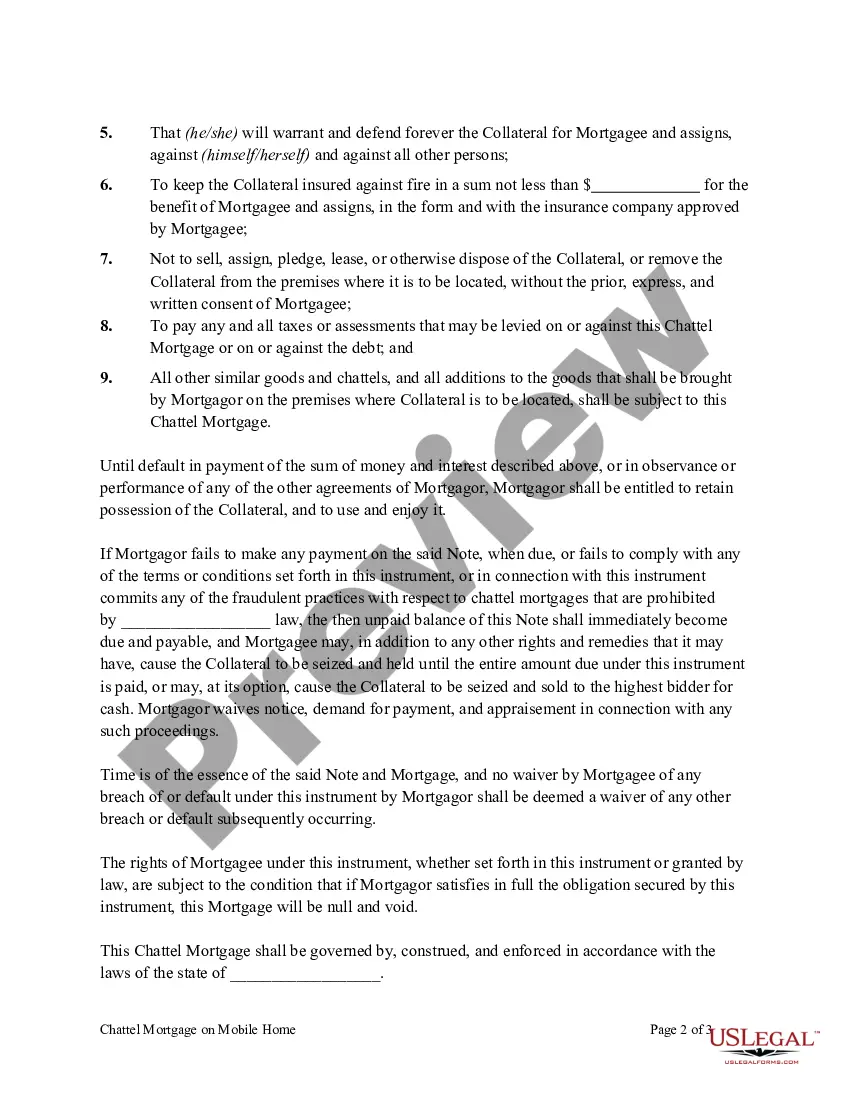
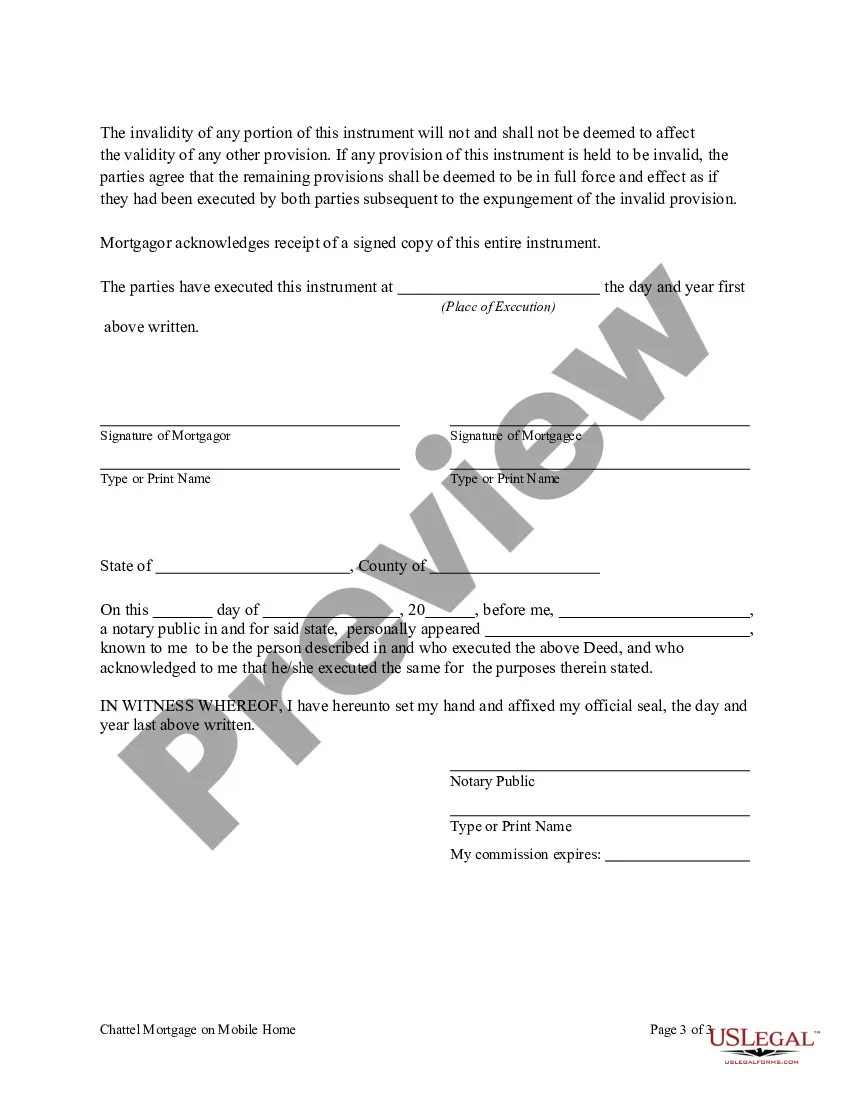
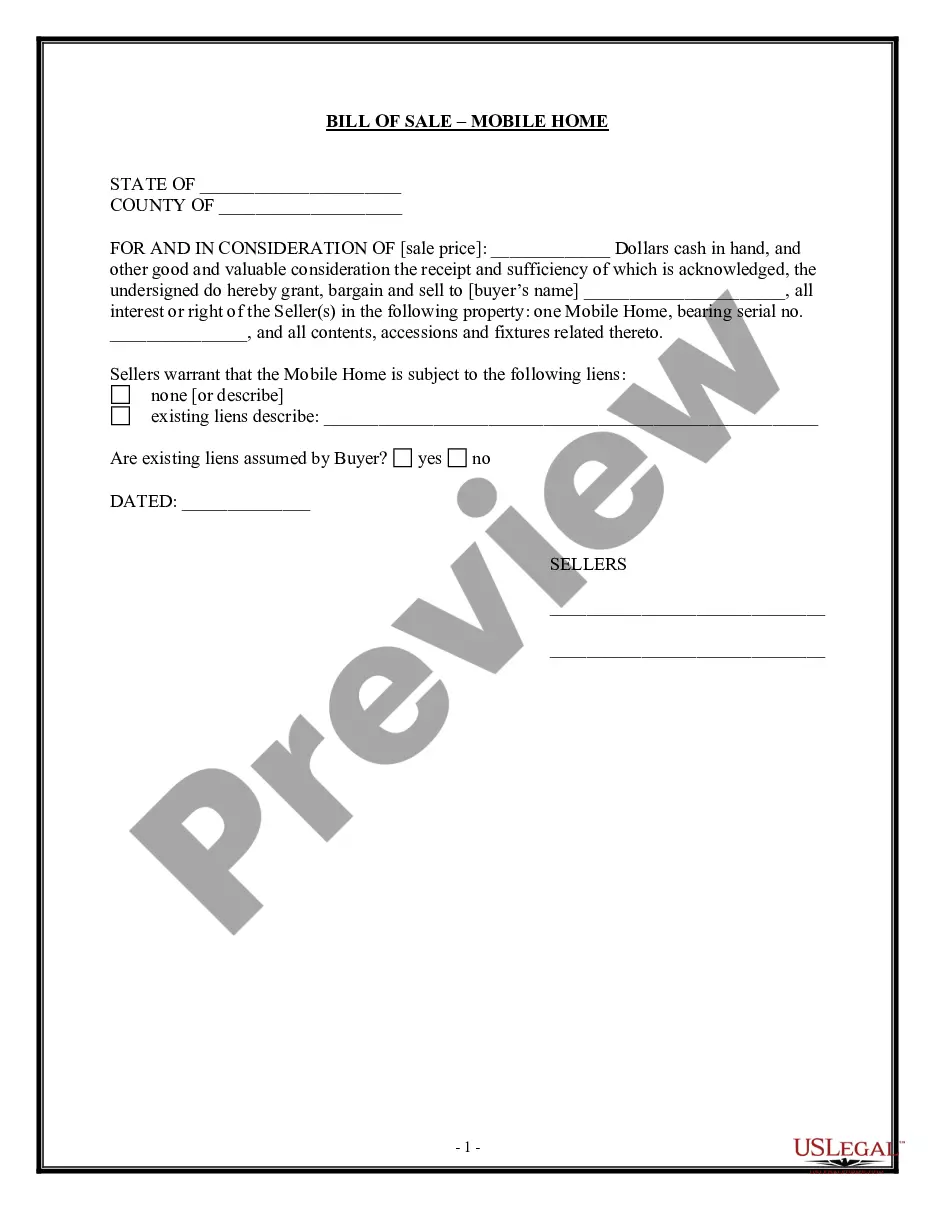
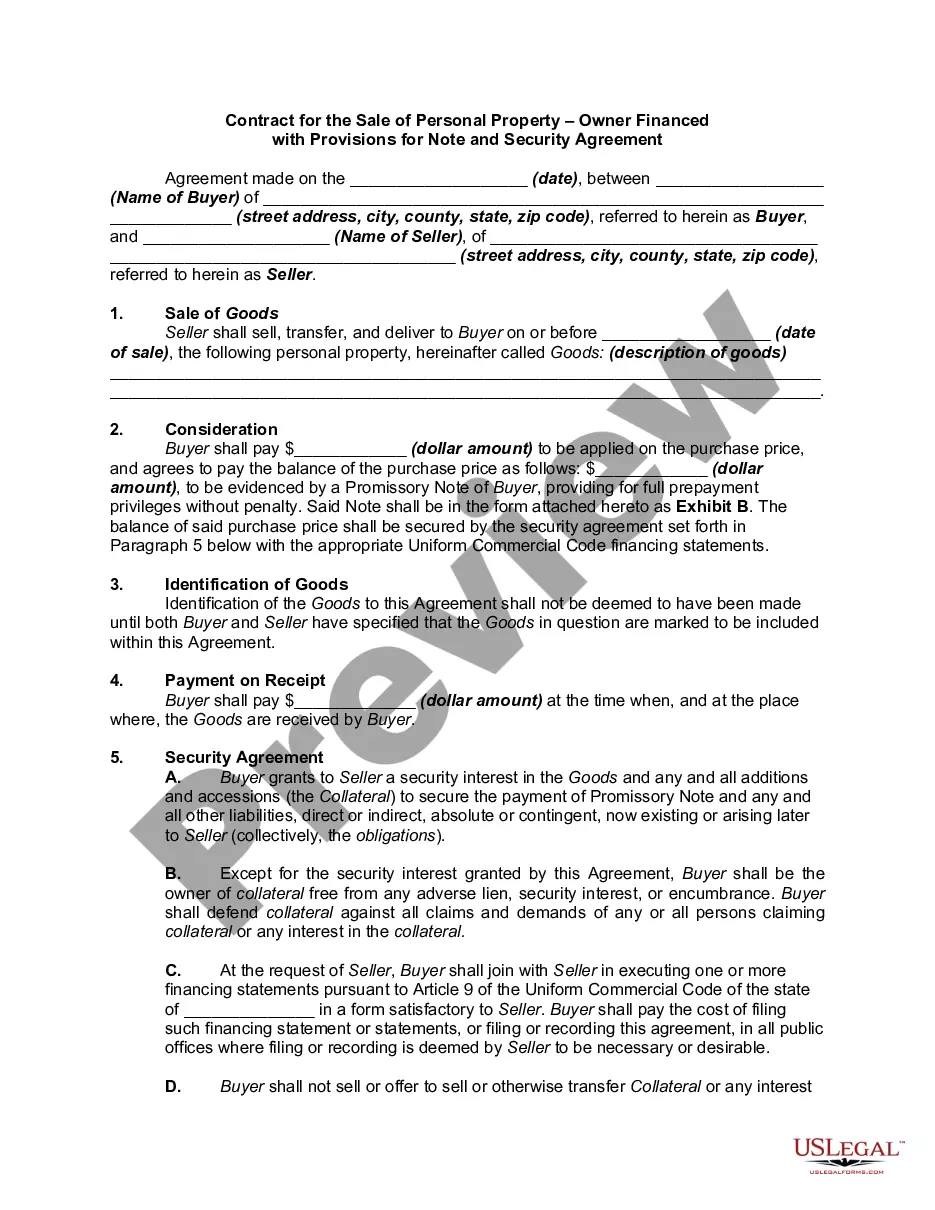
Chattel Mortgage Form With Extra Judicial Foreclosure In Hillsborough
Description

Get your form ready online
Our built-in tools help you complete, sign, share, and store your documents in one place.
Make edits, fill in missing information, and update formatting in US Legal Forms—just like you would in MS Word.
Download a copy, print it, send it by email, or mail it via USPS—whatever works best for your next step.
Sign and collect signatures with our SignNow integration. Send to multiple recipients, set reminders, and more. Go Premium to unlock E-Sign.
If this form requires notarization, complete it online through a secure video call—no need to meet a notary in person or wait for an appointment.
We protect your documents and personal data by following strict security and privacy standards.

Make edits, fill in missing information, and update formatting in US Legal Forms—just like you would in MS Word.

Download a copy, print it, send it by email, or mail it via USPS—whatever works best for your next step.

Sign and collect signatures with our SignNow integration. Send to multiple recipients, set reminders, and more. Go Premium to unlock E-Sign.

If this form requires notarization, complete it online through a secure video call—no need to meet a notary in person or wait for an appointment.

We protect your documents and personal data by following strict security and privacy standards.
Looking for another form?


Form popularity
FAQ
A person can file a quitclaim deed by (1) entering the relevant information on a quitclaim deed form, (2) signing the deed with two witnesses and a notary, and (3) recording the deed at the county comptroller's office. In Florida, quitclaim deeds must have the name and address of both the grantor and the grantee.
Filing a Complaint The lender files a foreclosure complaint in court. Judicial Proceedings The court evaluates the case, and a judgment is issued if the borrower is found in default. Issuance of Writ of Execution The court orders the sale of the property through a public auction.
Judicial Foreclosure: In contrast, judicial foreclosure is a court-supervised process. The lender files a complaint in court to obtain a judicial order for the sale of the mortgaged property. Judicial foreclosure is governed by Rule 68 of the Rules of Court and Republic Act No. 8791 (The General Banking Law of 2000).
Legal Steps for Evicting Occupants from a Foreclosed Property in the Philippines Filing for Unlawful Detainer. If a property is foreclosed and the previous owner or other occupants refuse to vacate, the new owner can file a case of "unlawful detainer" in the proper court. Barangay Conciliation. Issuance of Court Order.
All applications for extra-judicial foreclosure of mortgage whether under the direction of the sheriff or a notary public, pursuant to Act 3135, as amended by Act 4118, and Act 1508, as amended, shall be filed with the Executive Judge, through the Clerk of court who is also the Ex-Officio Sheriff.
Within the one-year redemption period, a purchaser in a foreclosure sale may apply for a writ of possession by filing a petition in the form of an ex-parte motion under oath for that purpose.
For extrajudicial settlement of estate, the following documents must be submitted with the BIR: Notice of Death. Certified true copy of the Death Certificate. Deed of Extra-Judicial Settlement of the Estate. Certified true copy of the land titles involved.
The right of redemption gives mortgagors the opportunity to reclaim their property and stop a foreclosure sale from happening, or, in some cases, even repurchase their property after a sale has occurred.
Right of redemption is a legal process that allows a delinquent mortgage borrower to reclaim their home or other property subject to foreclosure if they are able to repay their obligations in time.
After a property is sold at a sheriff's sale (foreclosure sale), there is a period of time referred to as the “redemption period” during which you still have some rights. For most properties it is a six month period.
