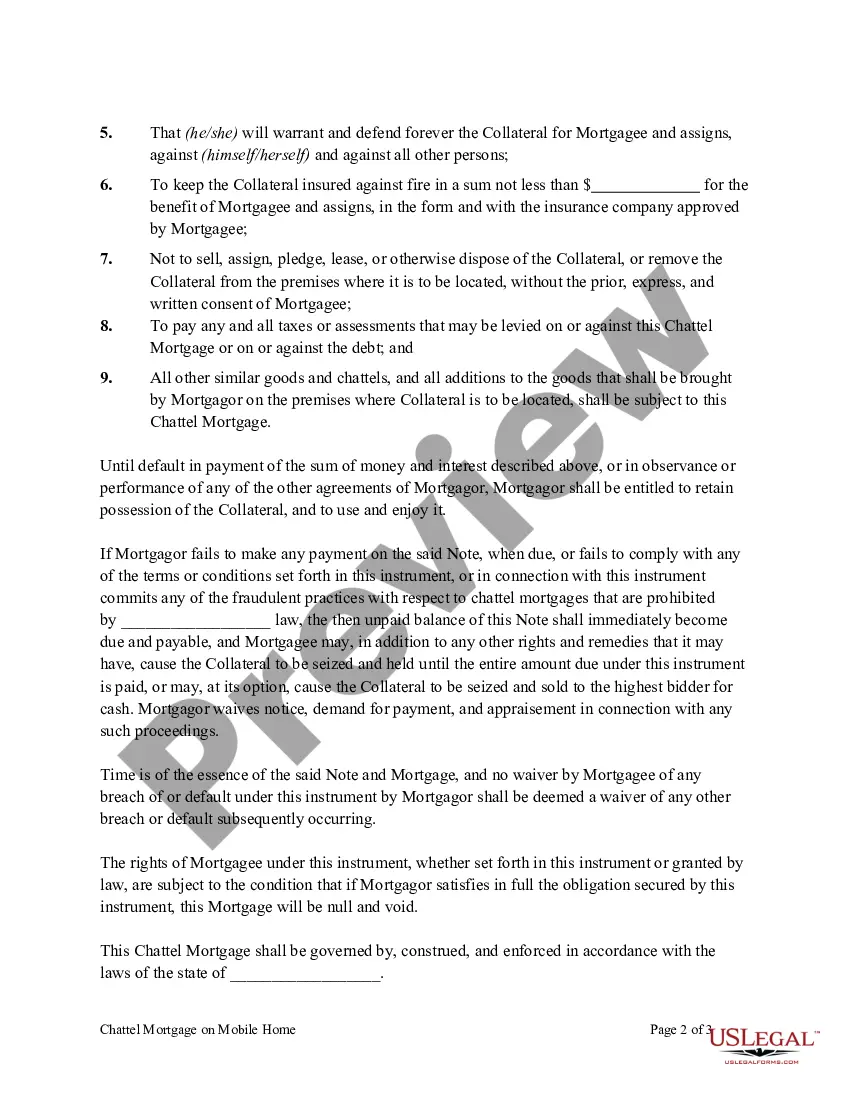
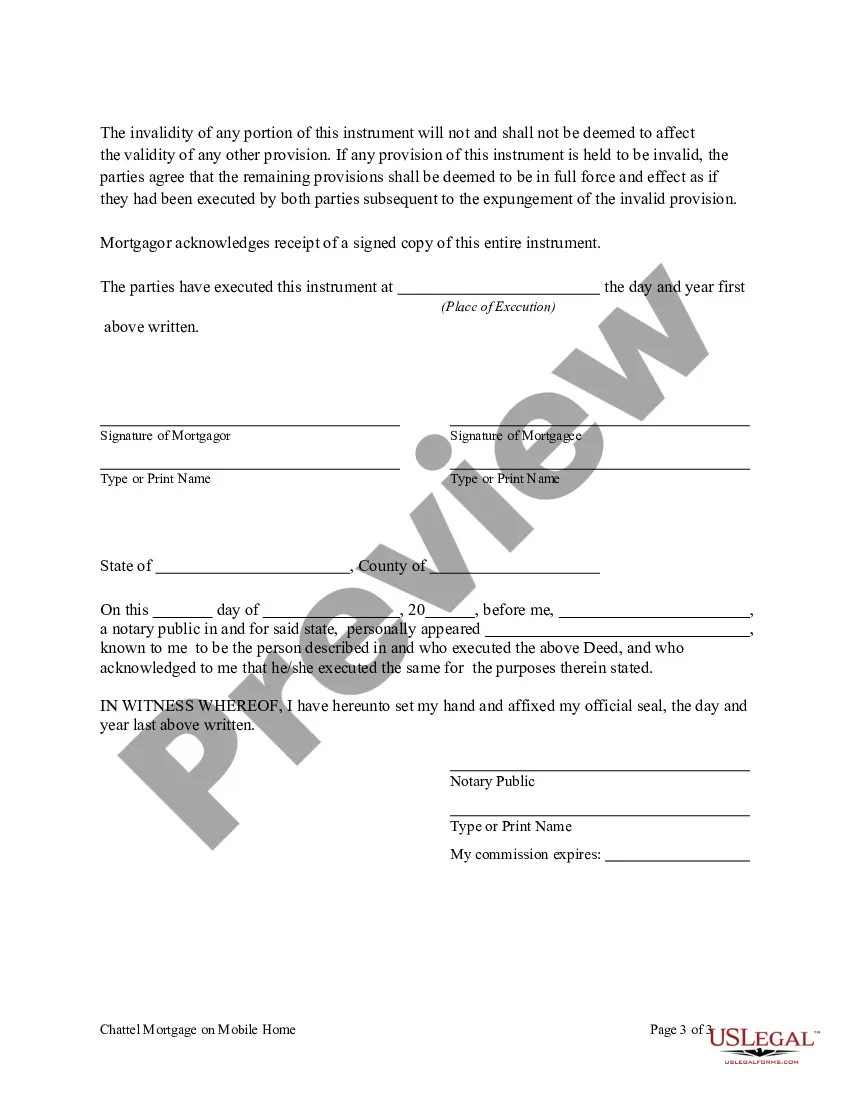
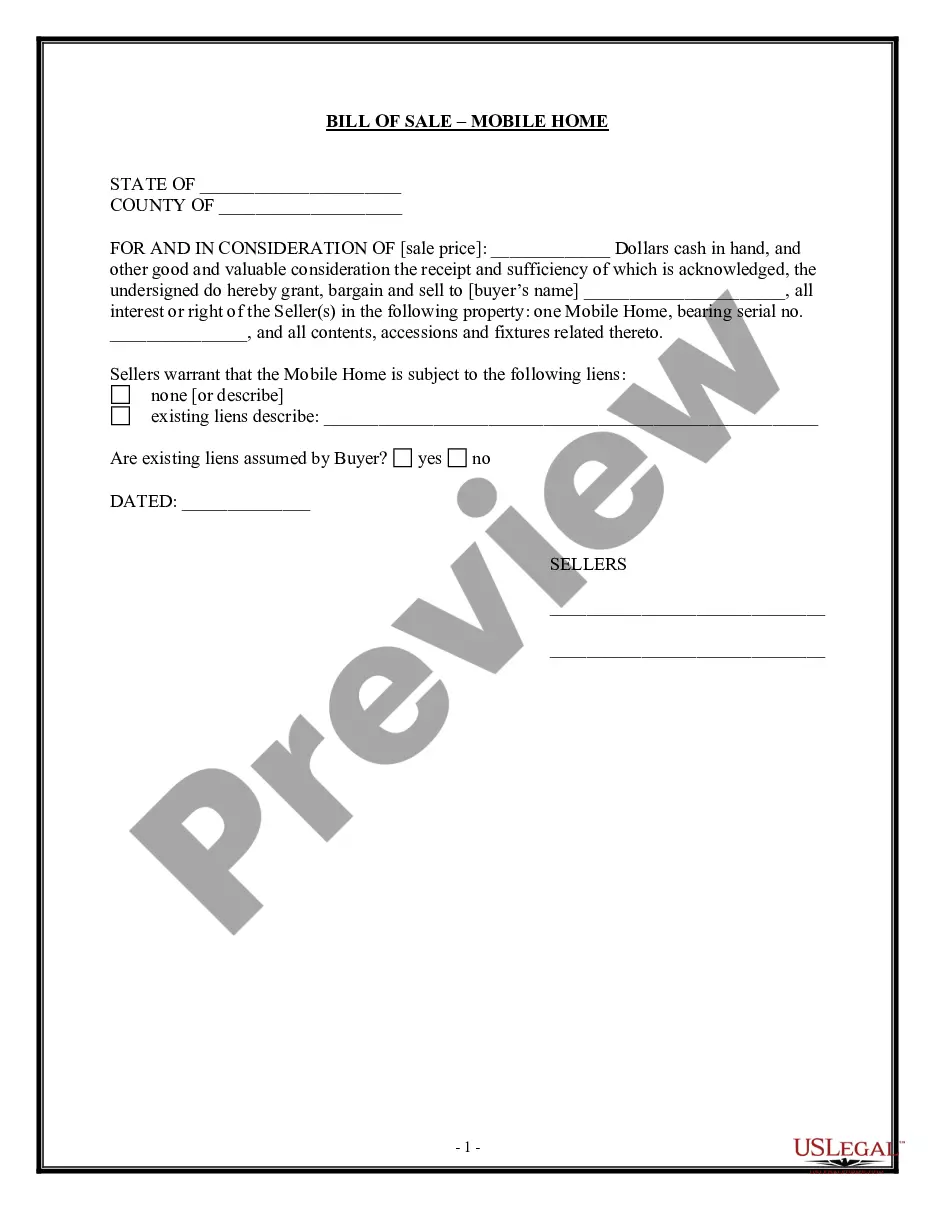
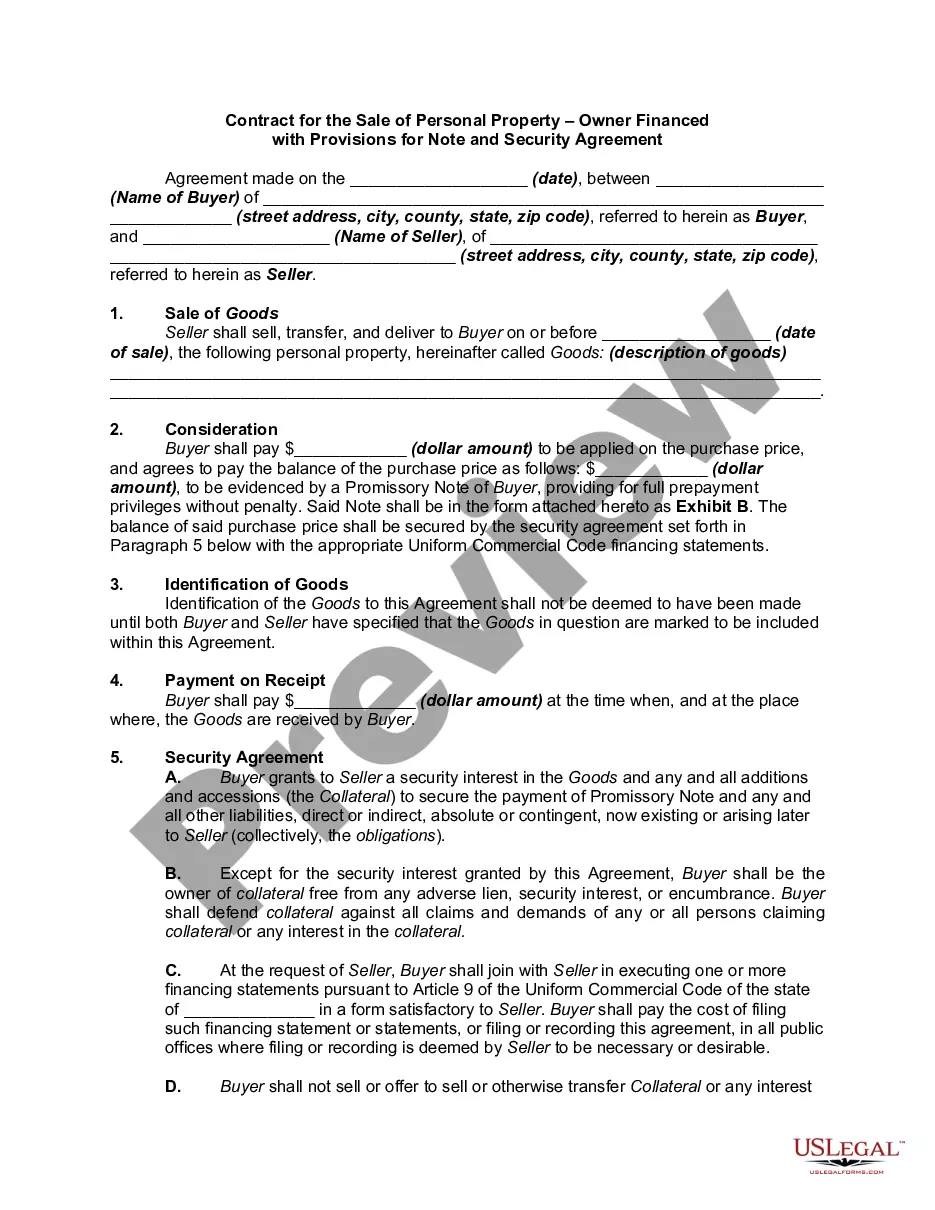
Chattel Mortgage Form With Extra Judicial Foreclosure In Broward
Description

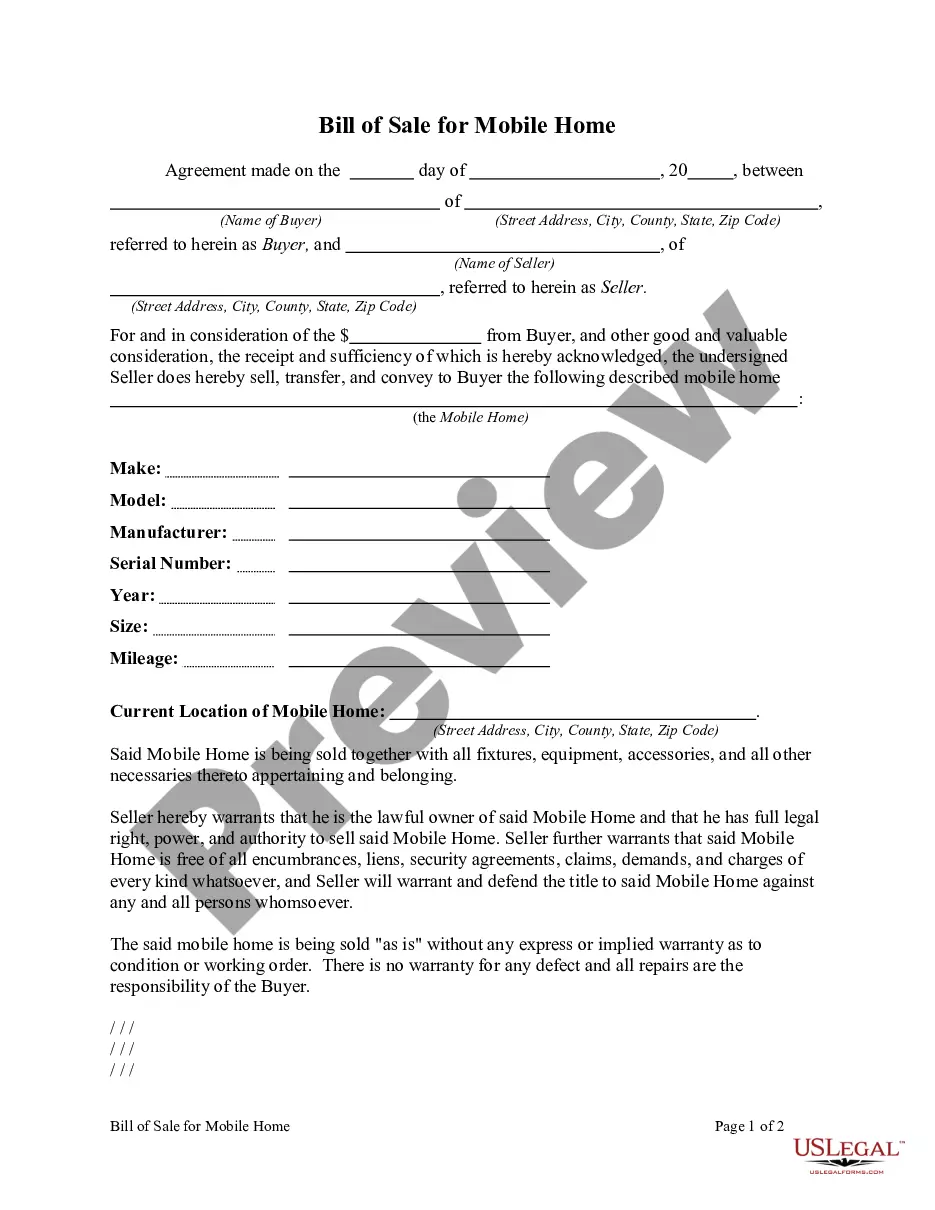
Get your form ready online
Our built-in tools help you complete, sign, share, and store your documents in one place.
Make edits, fill in missing information, and update formatting in US Legal Forms—just like you would in MS Word.
Download a copy, print it, send it by email, or mail it via USPS—whatever works best for your next step.
Sign and collect signatures with our SignNow integration. Send to multiple recipients, set reminders, and more. Go Premium to unlock E-Sign.
If this form requires notarization, complete it online through a secure video call—no need to meet a notary in person or wait for an appointment.
We protect your documents and personal data by following strict security and privacy standards.

Make edits, fill in missing information, and update formatting in US Legal Forms—just like you would in MS Word.

Download a copy, print it, send it by email, or mail it via USPS—whatever works best for your next step.

Sign and collect signatures with our SignNow integration. Send to multiple recipients, set reminders, and more. Go Premium to unlock E-Sign.

If this form requires notarization, complete it online through a secure video call—no need to meet a notary in person or wait for an appointment.

We protect your documents and personal data by following strict security and privacy standards.
Looking for another form?








Form popularity
FAQ
Power of Sales clauses include language in the deed of trust which states that the lender has the power to sell the real property that secures the agreement should the borrower breach their contract. Deeds of Trusts with Power of Sale clauses attached give lenders the right to foreclose the property nonjudicially.
What is provision is required in a mortgage to allow a non-judicial foreclosure to force a sale without a foreclosure suit? A power of sale clause.
The most common type of foreclosure used when a deed of trust is the security instrument is known as non-judicial foreclosure. This process does not require the involvement of the court system and is governed by state-specific laws.
The "power of sale" clause in effect enables the mortgagee to order a public sale without court decree.
Under federal law, the servicer usually can't officially begin a foreclosure until you're more than 120 days past due on payments, subject to a few exceptions. (12 C.F.R. § 1024.41 (2024).) This 120-day period provides most homeowners ample opportunity to submit a loss mitigation application to the servicer.
If the buyer defaults on payments. The seller can start the foreclosure process by providing aMoreIf the buyer defaults on payments. The seller can start the foreclosure process by providing a notice of default. The next step is to file a lawsuit in court seeking to foreclose on the property.
A power of sale clause written into a mortgage contract authorizes the mortgagee to sell the property in the event of default. These types of clauses invoke the right of foreclosure without going through the court process.
What is the biggest differences between judicial foreclosure and strict foreclosure? that strict foreclosure does NOT involve a foreclosure sale.
Florida is known as a judicial foreclosure state. This means the mortgage company is required to get approval from the court before they can proceed with a foreclosure process.
