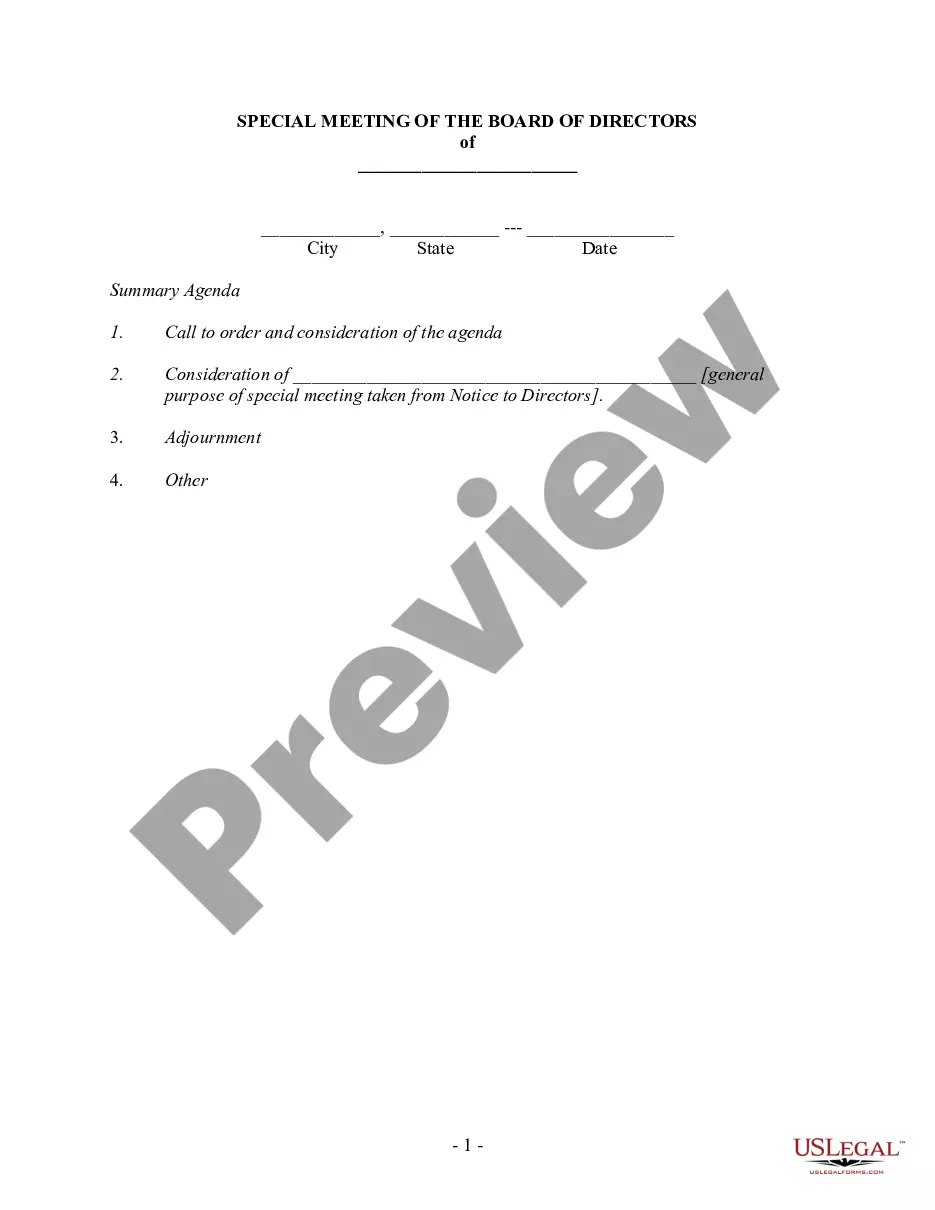
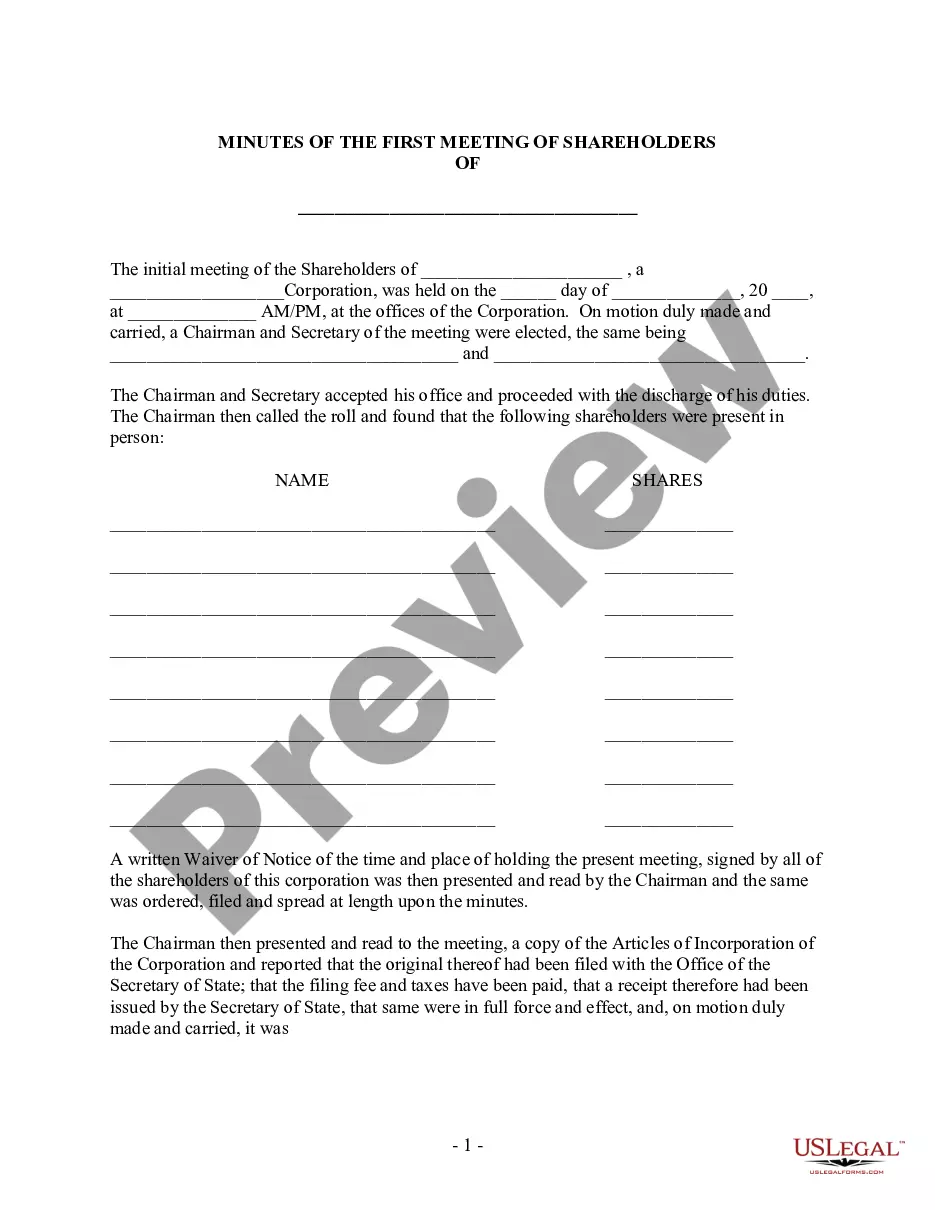
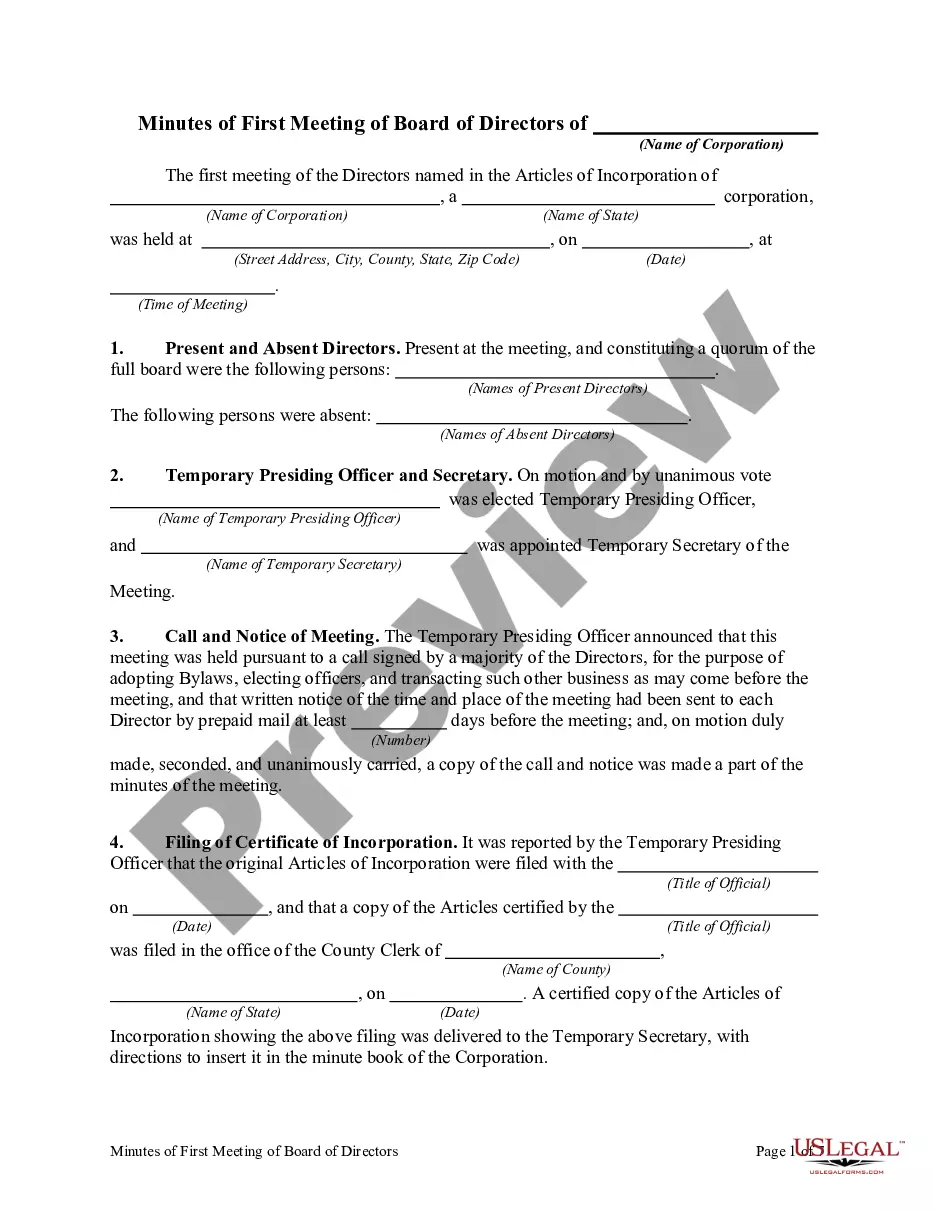
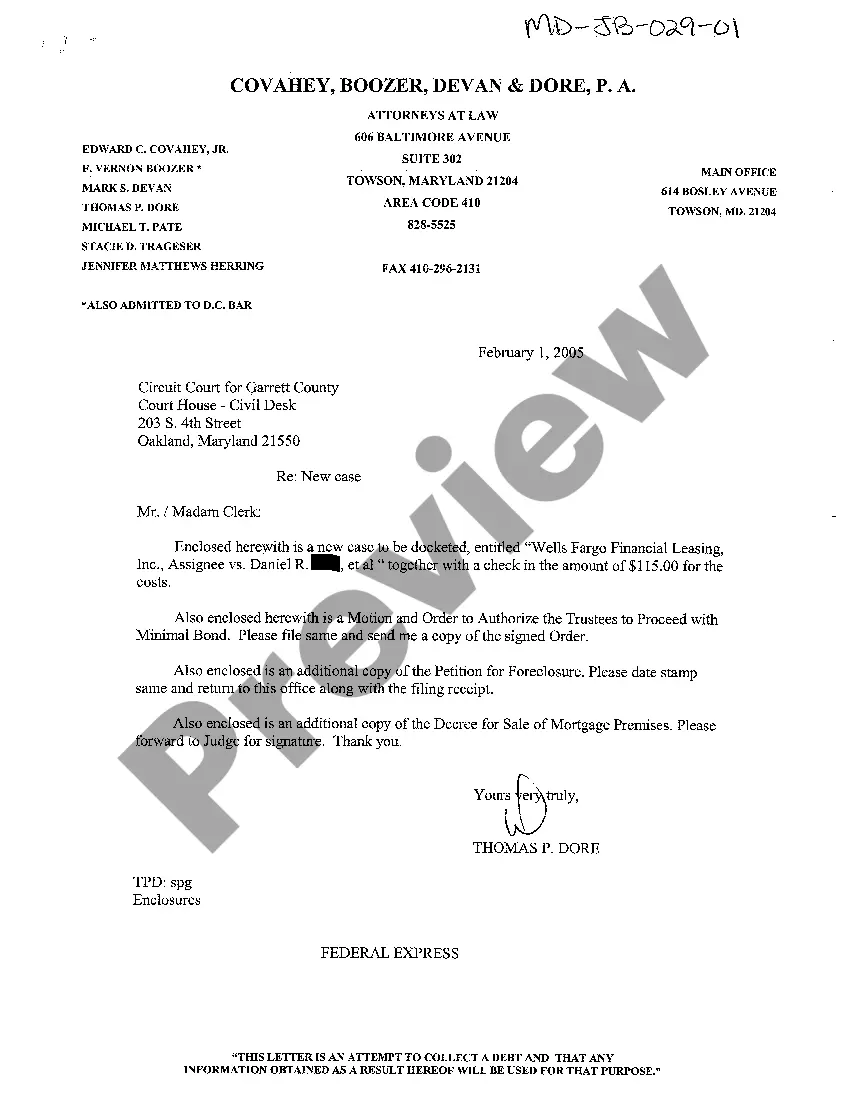
Acta Directorio With Translation In San Antonio
Description


Get your form ready online
Our built-in tools help you complete, sign, share, and store your documents in one place.
Make edits, fill in missing information, and update formatting in US Legal Forms—just like you would in MS Word.
Download a copy, print it, send it by email, or mail it via USPS—whatever works best for your next step.
Sign and collect signatures with our SignNow integration. Send to multiple recipients, set reminders, and more. Go Premium to unlock E-Sign.
If this form requires notarization, complete it online through a secure video call—no need to meet a notary in person or wait for an appointment.
We protect your documents and personal data by following strict security and privacy standards.

Make edits, fill in missing information, and update formatting in US Legal Forms—just like you would in MS Word.

Download a copy, print it, send it by email, or mail it via USPS—whatever works best for your next step.

Sign and collect signatures with our SignNow integration. Send to multiple recipients, set reminders, and more. Go Premium to unlock E-Sign.

If this form requires notarization, complete it online through a secure video call—no need to meet a notary in person or wait for an appointment.

We protect your documents and personal data by following strict security and privacy standards.
Looking for another form?



Form popularity
FAQ
The person certifying the translation must that state s/he is fluent or conversant in English and the foreign language, and that the translation is accurate. The certification should include the certifier's name, signature, address, and date of certification.
In the United States, immigration documents do not require a notarized translation. However, USCIS (the United States Citizenship and Immigration Services) does require documents in a foreign language to be submitted with a certified translation.
The person certifying the translation must that state s/he is fluent or conversant in English and the foreign language, and that the translation is accurate. The certification should include the certifier's name, signature, address, and date of certification.
The translator does not need to be certified or accredited by an organization such as the American Translators Association. This means that you or a family member could certify your translations. However, that is generally a risky undertaking because USCIS could question your translations or consider them biased.
Notarizing a translated document is relatively straightforward. The translator will sign their translation in front of the notary public, who will then notarize it. The notary usually requests an ID from the translator so they can verify their identity.
APPOINTMENTS AT CONSULATE OF MEXICO IN SANTA ANA: Mi Consulado at (424) 309-0009 or .
1. Accessing the Portal: Visit the official website at citas.sre.gob.mx to initiate the appointment process. 2. Language Selection: Upon accessing the account creation page, select your preferred language from the options available at the top of the page, including English and French, amongst others.
To schedule your appointment at a Mexican consulate in the U.S., you can do so directly on the official Mi Consulado website or Mexitel, by clicking on citas.sre.gob.mx. You can also schedule an appointment by phone at +1 (424) 309-0009. As of 2023, appointments can also be scheduled via WhatsApp.
Here's how it works Send renew mexican consular id card online via email, link, or fax. You can also download it, export it or print it out. Draw your signature, type it, upload its image, or use your mobile device as a signature pad. Send renew mexican consular id card online via email, link, or fax.
Book an appointment calling MiConsulado at 1-424-309-0009 or visiting the website citas.sre.gob.mx.