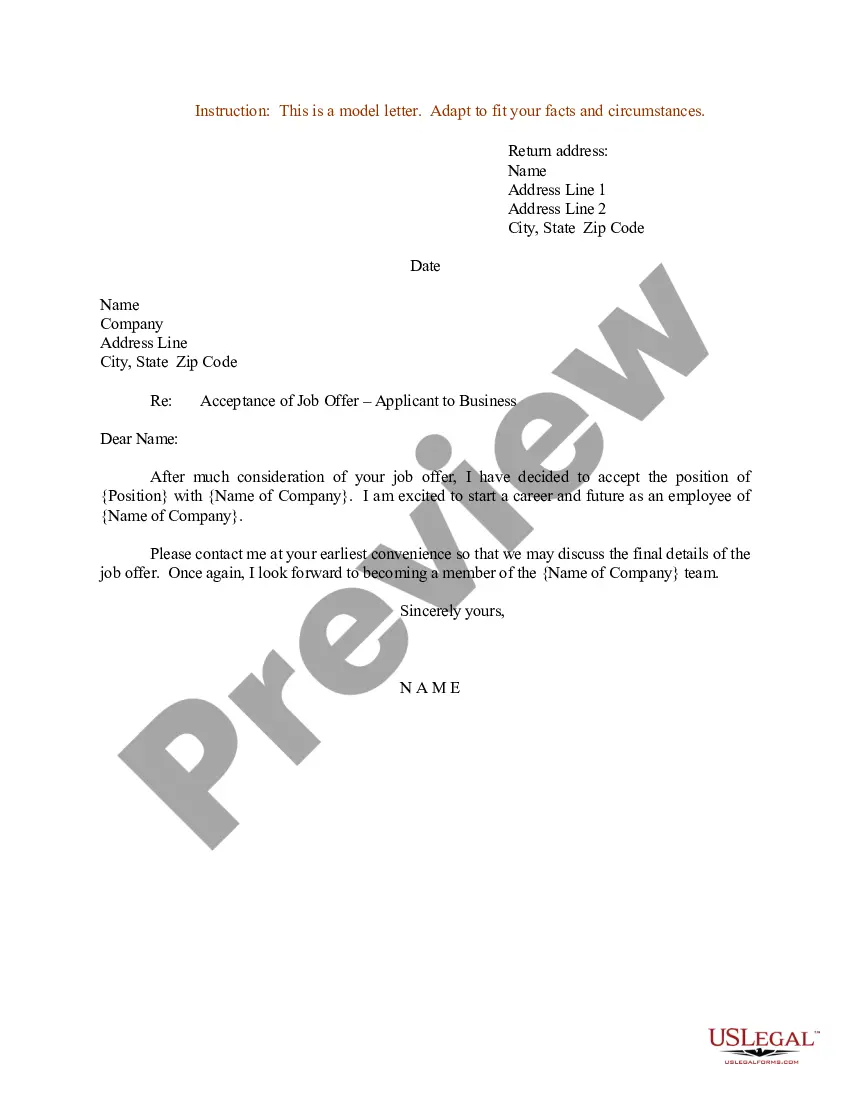
Cover Letter For Interior Design Position In San Diego
Description
Get your form ready online
Our built-in tools help you complete, sign, share, and store your documents in one place.
Make edits, fill in missing information, and update formatting in US Legal Forms—just like you would in MS Word.
Download a copy, print it, send it by email, or mail it via USPS—whatever works best for your next step.
Sign and collect signatures with our SignNow integration. Send to multiple recipients, set reminders, and more. Go Premium to unlock E-Sign.
If this form requires notarization, complete it online through a secure video call—no need to meet a notary in person or wait for an appointment.
We protect your documents and personal data by following strict security and privacy standards.

Make edits, fill in missing information, and update formatting in US Legal Forms—just like you would in MS Word.

Download a copy, print it, send it by email, or mail it via USPS—whatever works best for your next step.

Sign and collect signatures with our SignNow integration. Send to multiple recipients, set reminders, and more. Go Premium to unlock E-Sign.

If this form requires notarization, complete it online through a secure video call—no need to meet a notary in person or wait for an appointment.

We protect your documents and personal data by following strict security and privacy standards.
Looking for another form?
Form popularity
FAQ
What to include in a graphic designer cover letter? Primary contact information. Professional greeting. Previous design experience. Relevant graphic design skills and qualifications. Examples of your previous clients or graphic design projects. Reasons for applying.
As an Interior Designer, your cover letter introduction should immediately highlight your creative vision and technical skills. Mention a specific project where your innovative design solutions met client needs and enhanced the aesthetic or functionality of a space.
A cover letter usually is three paragraphs long and outlines why you are applying for a specific position, a brief overview of your professional background and what makes you uniquely qualified for the job. While some employers require a cover letter to apply, others make it optional.Read more: What Is a Cover Letter?
The following are tips to keep in mind when crafting a cover letter for a designer position: Create a new cover letter for each application. Research the company. Review a template. Incorporate your personality throughout the letter. Keep your cover letter brief. Include only relevant skills and qualifications.
You should aim for a concise one-page cover letter, around 250 to 400 words. Be brief and impactful, focusing on key skills and experiences.
Your interior designer cover letter must highlight your creative prowess. Demonstrate your understanding of space, color, and materials. Showcase your portfolio with brief, engaging explanations. Let your experience and projects illuminate your proficiency and style.
Your set designer cover letter is your opportunity to showcase your creative vision and attention to detail. Ensure that your passion for crafting immersive environments shines through each word. In your letter, highlight the projects you've contributed to and the specific challenges you've overcome.
While interior design roles often require a formal education, there are pathways to join this profession without a degree, such as learning a designers' duties, acquiring the required skills and gaining experience under an expert's supervision.
To become a Certified Interior Designer (CID), candidates must have a minimum of six years combined accredited interior design education and experience (or) a minimum of 8 years combined interior design education and experience. All candidates must pass the IDEX California® exam.
Passage of the NCIDQ Examination is required for interior design licensure/registration in every regulated jurisdiction within the United States and Canada with the exception of California.