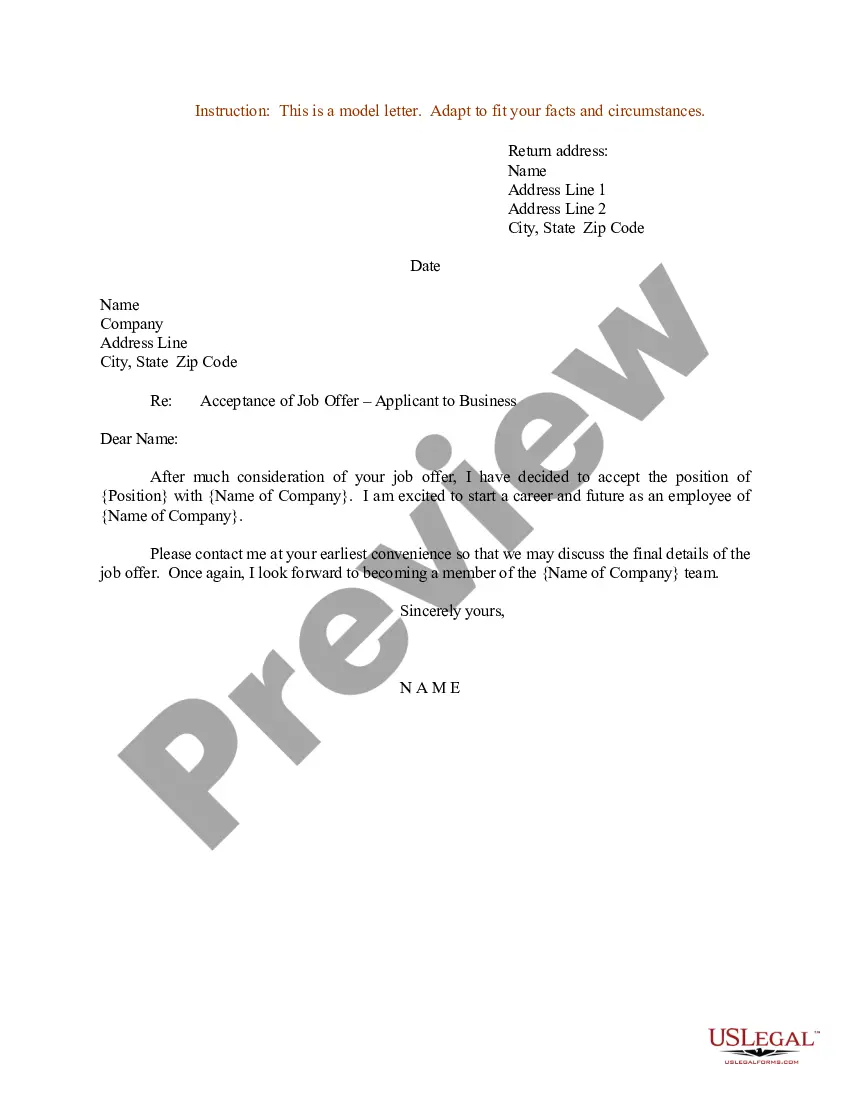
Cover Letter For Interior Design Position In Nassau
Description
Get your form ready online
Our built-in tools help you complete, sign, share, and store your documents in one place.
Make edits, fill in missing information, and update formatting in US Legal Forms—just like you would in MS Word.
Download a copy, print it, send it by email, or mail it via USPS—whatever works best for your next step.
Sign and collect signatures with our SignNow integration. Send to multiple recipients, set reminders, and more. Go Premium to unlock E-Sign.
If this form requires notarization, complete it online through a secure video call—no need to meet a notary in person or wait for an appointment.
We protect your documents and personal data by following strict security and privacy standards.

Make edits, fill in missing information, and update formatting in US Legal Forms—just like you would in MS Word.

Download a copy, print it, send it by email, or mail it via USPS—whatever works best for your next step.

Sign and collect signatures with our SignNow integration. Send to multiple recipients, set reminders, and more. Go Premium to unlock E-Sign.

If this form requires notarization, complete it online through a secure video call—no need to meet a notary in person or wait for an appointment.

We protect your documents and personal data by following strict security and privacy standards.
Looking for another form?






Form popularity
FAQ
A great interior design concept statement should . . . effectively convey your inspiration and vision for the space. briefly address how you went about creating the design and how you handled specific design challenges. articulate the room's overall ambiance. tell your client the origin of the design.
As an Interior Designer, your cover letter introduction should immediately highlight your creative vision and technical skills. Mention a specific project where your innovative design solutions met client needs and enhanced the aesthetic or functionality of a space.
Your interior designer cover letter must highlight your creative prowess. Demonstrate your understanding of space, color, and materials. Showcase your portfolio with brief, engaging explanations. Let your experience and projects illuminate your proficiency and style.
I have a degree in Interior Design and I have worked on a few projects in the past. I can use some design software and I have good taste in choosing furniture and decor. I have designed a few homes and offices and people generally like my work. I am good at picking colors and arranging furniture.
Example: “After having many varied experiences, I truly think I can contribute to university in a positive way, and would love to study in England where I believe I would gain more skills and education doing a first degree than in any other country. “
What to include in a graphic designer cover letter? Primary contact information. Professional greeting. Previous design experience. Relevant graphic design skills and qualifications. Examples of your previous clients or graphic design projects. Reasons for applying.
I am anxious to become a creator. I wish to help people to live in appropriate and attractive homes. My intention is to learn to provide beauty and cosiness to their lives. And I believe I can achieve that through hard work, great effort and devoting a sufficient amount of time. That is why I have chosen interior desig.
Organize your personal statement into clear paragraphs with a logical flow. Start with a compelling introduction, followed by sections focusing on your academic background, extracurricular activities, interests, and future goals. Be genuine in your writing and avoid exaggerating or fabricating information.
In summary, while not always a mistake, omitting a cover letter can limit your chances of making a strong impression. If possible, it's generally a good idea to include one unless the application explicitly states otherwise.
It's generally considered good practice to inform your boss or supervisor before interviewing for a different position within the same company. This approach fosters transparency and maintains a positive relationship. Here are a few reasons why you might want to do so: