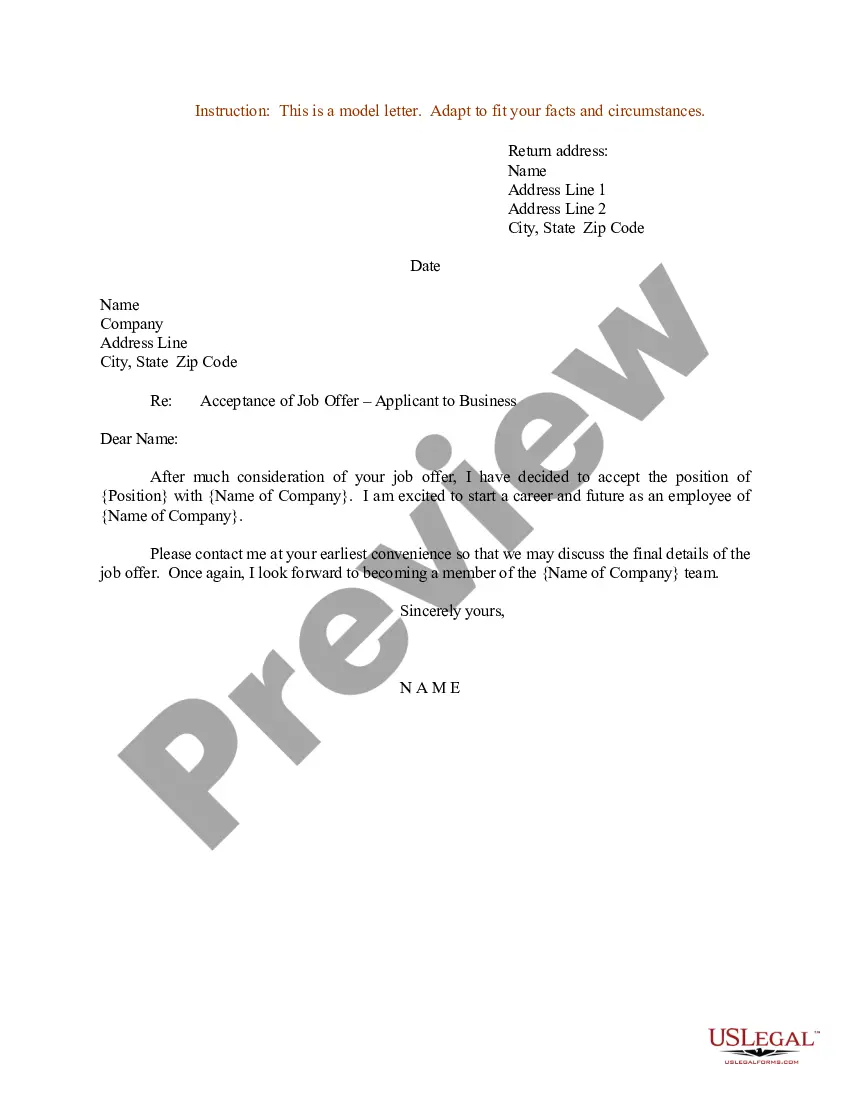
Interior Design Covering Letter With Logo In Allegheny
Description
Get your form ready online
Our built-in tools help you complete, sign, share, and store your documents in one place.
Make edits, fill in missing information, and update formatting in US Legal Forms—just like you would in MS Word.
Download a copy, print it, send it by email, or mail it via USPS—whatever works best for your next step.
Sign and collect signatures with our SignNow integration. Send to multiple recipients, set reminders, and more. Go Premium to unlock E-Sign.
If this form requires notarization, complete it online through a secure video call—no need to meet a notary in person or wait for an appointment.
We protect your documents and personal data by following strict security and privacy standards.

Make edits, fill in missing information, and update formatting in US Legal Forms—just like you would in MS Word.

Download a copy, print it, send it by email, or mail it via USPS—whatever works best for your next step.

Sign and collect signatures with our SignNow integration. Send to multiple recipients, set reminders, and more. Go Premium to unlock E-Sign.

If this form requires notarization, complete it online through a secure video call—no need to meet a notary in person or wait for an appointment.

We protect your documents and personal data by following strict security and privacy standards.
Looking for another form?

Form popularity
FAQ
With a registered trademark, interior designers can enforce their rights to the exclusive use of their branding elements, and keep others from using these assets to confuse consumers.
12 Fundamental Principles for Logo Design Represent Your Brand. Fostering Creativity through Ideation. Simplicity Reigns . Navigating the Spectrum of Size. Color as a Language of Expression. Typography: Crafting the Voice of Identity. Harmony in Symmetry and Balance. Pioneering Originality in a Sea of Imitation:
5 tips for creating an interior designer cover letter Create a new cover letter for each position. Use the hiring manager's name when possible. Include information not covered in your resume. Highlight information relevant to the position. Be as specific as possible.
Look for a color palette that reflects your interior design work, whether that's classic and neutral or modern and bright. Many interior design logos keep their color schemes black and white, which adds an air of luxury to their brand.
I have a degree in Interior Design and I have worked on a few projects in the past. I can use some design software and I have good taste in choosing furniture and decor. I have designed a few homes and offices and people generally like my work. I am good at picking colors and arranging furniture.
15 Cover Letter Tips Customize Your Cover Letter for Each Job. Make sure your cover letter is tailored to the job you're applying for. Showcase Your Skills. Avoid Fluff. Use Specific Examples. Research the Company. Follow the Application Instructions. Use the Right Template and Format. Express Your Enthusiasm.
No, you shouldn't add a photo to your cover letter. Even if your resume includes a photo, there's no need to oversaturate your application by adding it to your cover letter, too. At worst, it could mess up your layout and formatting, and at best - it could distract from your actual cover letter's text.
5 tips for creating an interior designer cover letter Create a new cover letter for each position. Use the hiring manager's name when possible. Include information not covered in your resume. Highlight information relevant to the position. Be as specific as possible.
Use your cover letter to add context and detail to certain skills and experiences, while keeping in mind the job description and person specification. Writing your life story - It's easier to waffle in your cover letter than on your CV but it's important to keep it concise and to the point.
Generally speaking, yes, you should tailor/customize your cover letter for each company you're applying to. However, tailoring does not mean recreating the entire cover letter, it just involves a little bit of tweaking here and there.