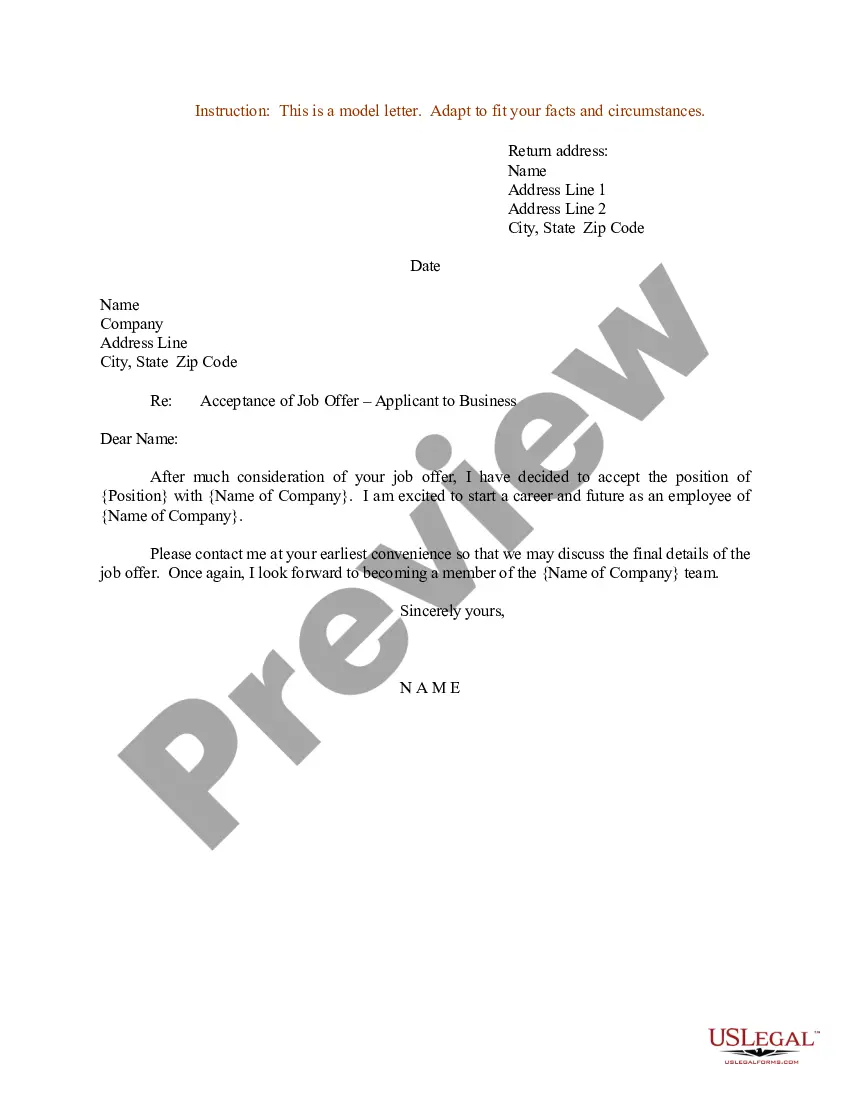
Cover Letter For Interior Design Position In Alameda
Description
Get your form ready online
Our built-in tools help you complete, sign, share, and store your documents in one place.
Make edits, fill in missing information, and update formatting in US Legal Forms—just like you would in MS Word.
Download a copy, print it, send it by email, or mail it via USPS—whatever works best for your next step.
Sign and collect signatures with our SignNow integration. Send to multiple recipients, set reminders, and more. Go Premium to unlock E-Sign.
If this form requires notarization, complete it online through a secure video call—no need to meet a notary in person or wait for an appointment.
We protect your documents and personal data by following strict security and privacy standards.

Make edits, fill in missing information, and update formatting in US Legal Forms—just like you would in MS Word.

Download a copy, print it, send it by email, or mail it via USPS—whatever works best for your next step.

Sign and collect signatures with our SignNow integration. Send to multiple recipients, set reminders, and more. Go Premium to unlock E-Sign.

If this form requires notarization, complete it online through a secure video call—no need to meet a notary in person or wait for an appointment.

We protect your documents and personal data by following strict security and privacy standards.
Looking for another form?







Form popularity
FAQ
How to write a work experience cover letter Research the position. Start by learning more about the position or organisation. Format your letter. Add your contact information. Address the letter. Introduce yourself. Explain your interests and goals. Discuss your qualifications. Mention your interests.
One type of document is the cover letter, which is included with your resume when requesting a job interview. An effective cover letter is directed towards a specific position or company, and describes examples from your experience that highlight your skills related to the role.
How to write a cover letter for an internship Research the role and company. Be clear about the position. Highlight your educational background. Talk about your extracurricular activities. Emphasize your skills. Describe why you chose the company. Proofread and review your cover letter. Send your cover letter.
What to include in a graphic designer cover letter? Primary contact information. Professional greeting. Previous design experience. Relevant graphic design skills and qualifications. Examples of your previous clients or graphic design projects. Reasons for applying.
Yes! When you're applying for a job within the same company, you're not starting from scratch. The hiring manager already knows you and has very easy access to a reference check, so your cover letter must reflect proximity. Balancing familiarity with professionalism is key.
Your interior designer cover letter must highlight your creative prowess. Demonstrate your understanding of space, color, and materials. Showcase your portfolio with brief, engaging explanations. Let your experience and projects illuminate your proficiency and style.
Draw attention to your expertise and how it's relevant to the position to which you're applying. Be sure to include strong (and diverse) examples of how past experiences have prepared you to handle the duties of the job you're seeking. Lastly, briefly recap why you're a great candidate for the position.
How to write a cover letter for a placement Step 1: Dear Sir / Madam? The first three words of your cover letter are crucial. Step 2: Swift intro. Next, you need to disclose what placement you're applying for. Step 3: Why are you interested? ... Step 4: What can YOU bring? ... Step 5: Final flourish. Step 6: Farewell.
As an Interior Designer, your cover letter introduction should immediately highlight your creative vision and technical skills. Mention a specific project where your innovative design solutions met client needs and enhanced the aesthetic or functionality of a space.