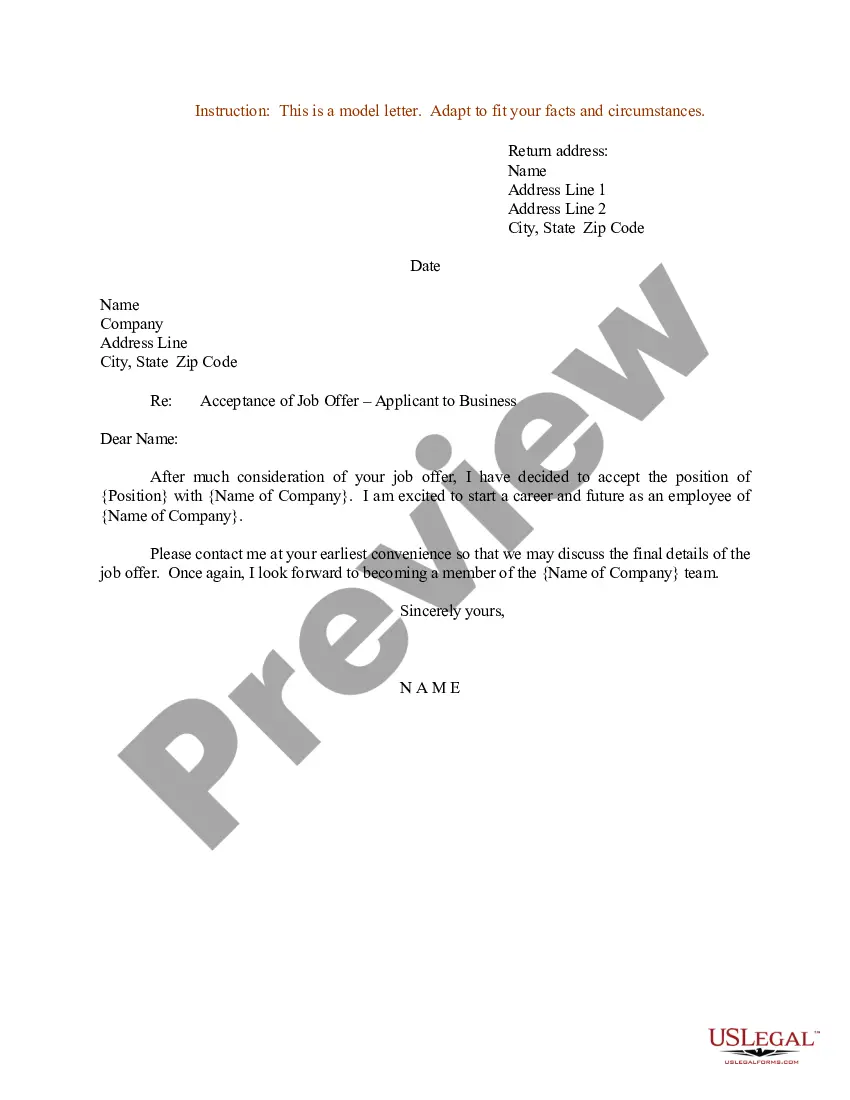
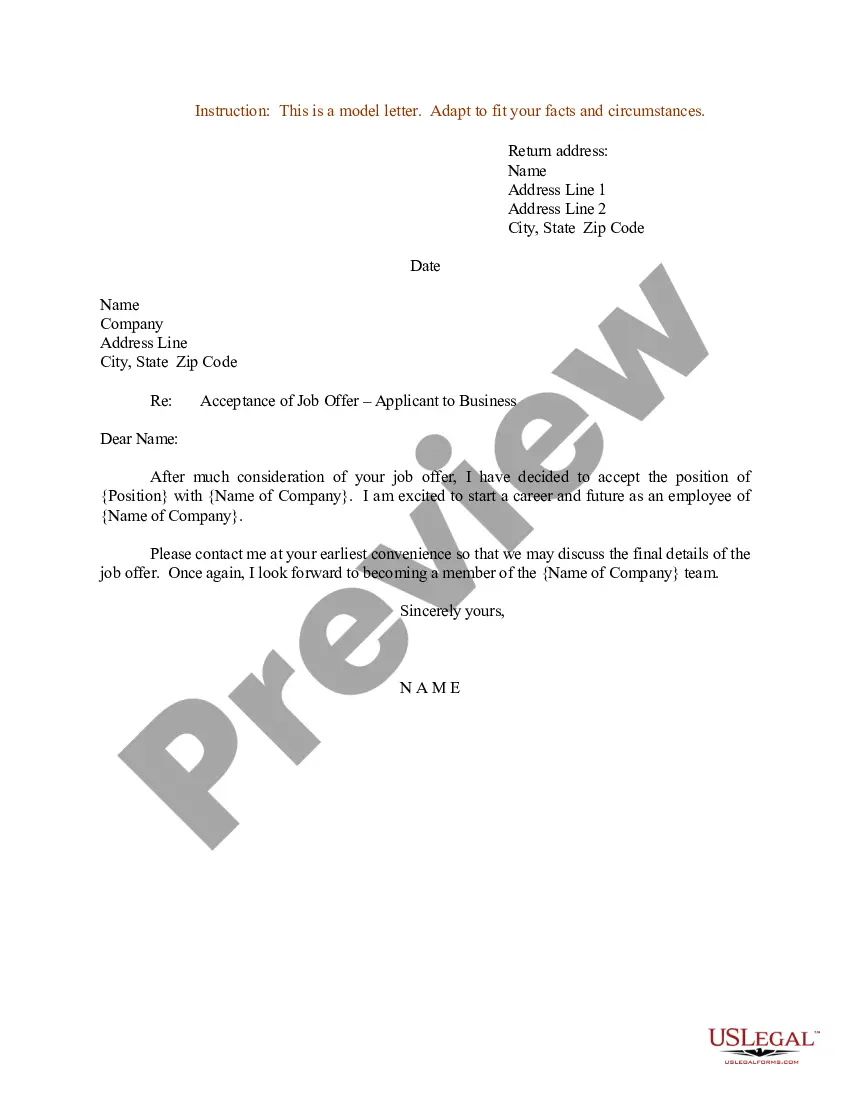
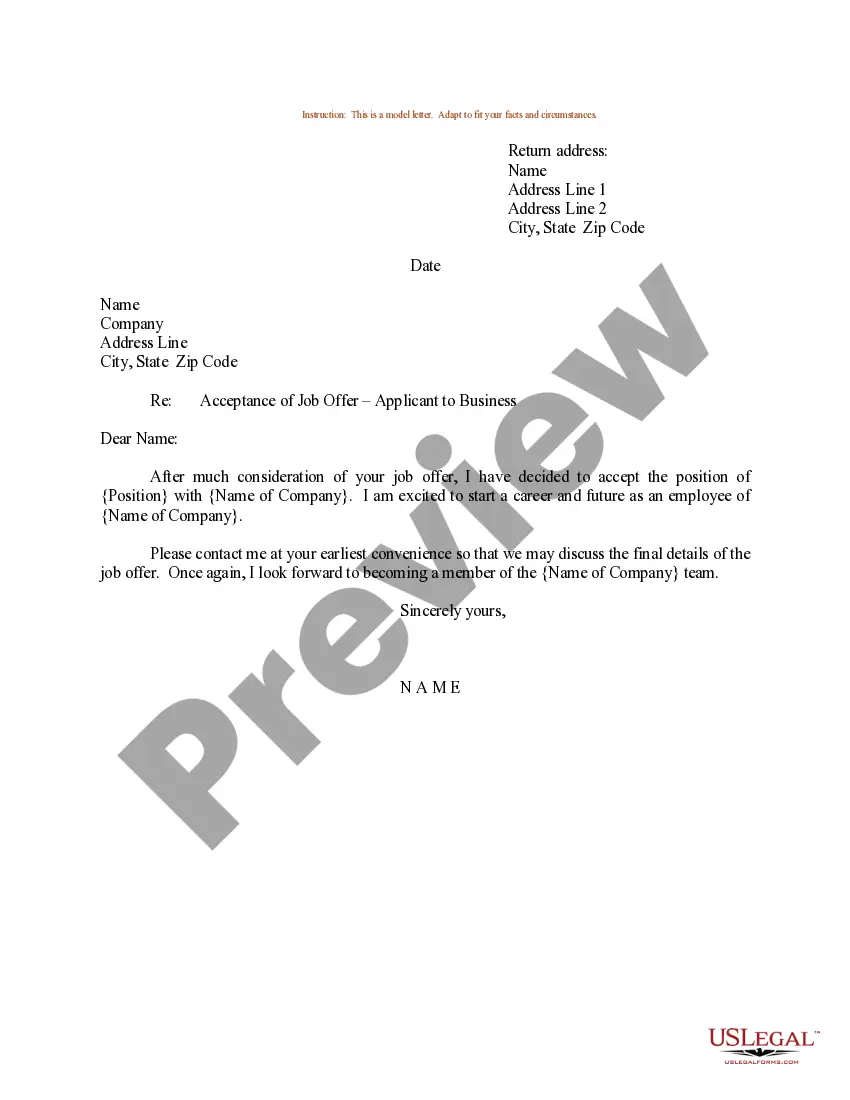
Police Acceptance Letter Without Experience In Minnesota
Description
Get your form ready online
Our built-in tools help you complete, sign, share, and store your documents in one place.
Make edits, fill in missing information, and update formatting in US Legal Forms—just like you would in MS Word.
Download a copy, print it, send it by email, or mail it via USPS—whatever works best for your next step.
Sign and collect signatures with our SignNow integration. Send to multiple recipients, set reminders, and more. Go Premium to unlock E-Sign.
If this form requires notarization, complete it online through a secure video call—no need to meet a notary in person or wait for an appointment.
We protect your documents and personal data by following strict security and privacy standards.

Make edits, fill in missing information, and update formatting in US Legal Forms—just like you would in MS Word.

Download a copy, print it, send it by email, or mail it via USPS—whatever works best for your next step.

Sign and collect signatures with our SignNow integration. Send to multiple recipients, set reminders, and more. Go Premium to unlock E-Sign.

If this form requires notarization, complete it online through a secure video call—no need to meet a notary in person or wait for an appointment.

We protect your documents and personal data by following strict security and privacy standards.
Looking for another form?









Form popularity
FAQ
Law enforcement experience means experience gained by a law enforcement officer whose primary job function is the enforcement of criminal laws and the prevention and detection of crime.
The requirements for taking Minnesota's Peace Officer Licensing Examination are: Earn a postsecondary degree from a regionally accredited college or university, and. Successfully complete a board-approved Professional Peace Officer Education program.
Volunteer with some law enforcement agencies. With a small agency like that you may be able to contact the department and ask if they offer any volunteer opportunities or speak to a chief or other LE admin about it. It depends on what state you're in.
No applicant may be appointed to the position of peace officer who has been convicted: (1) of a felony in this state or in any other state or federal jurisdiction; (2) of any offense in any other state or federal jurisdiction which would have been a felony if committed in Minnesota; (3) under MN STAT, section 609.224, ...
1. Minnesota requires a degree from a regionally accredited school.