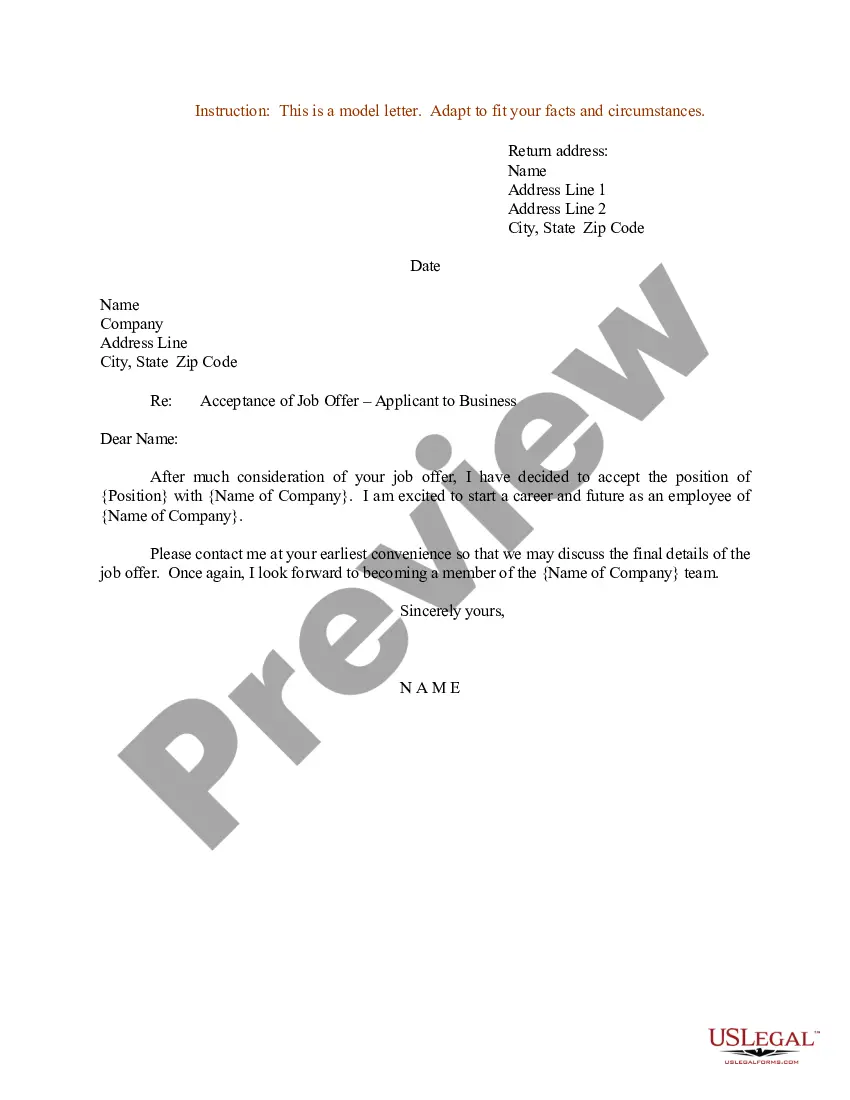
Police Acceptance Letter Format Tamil In King
Description
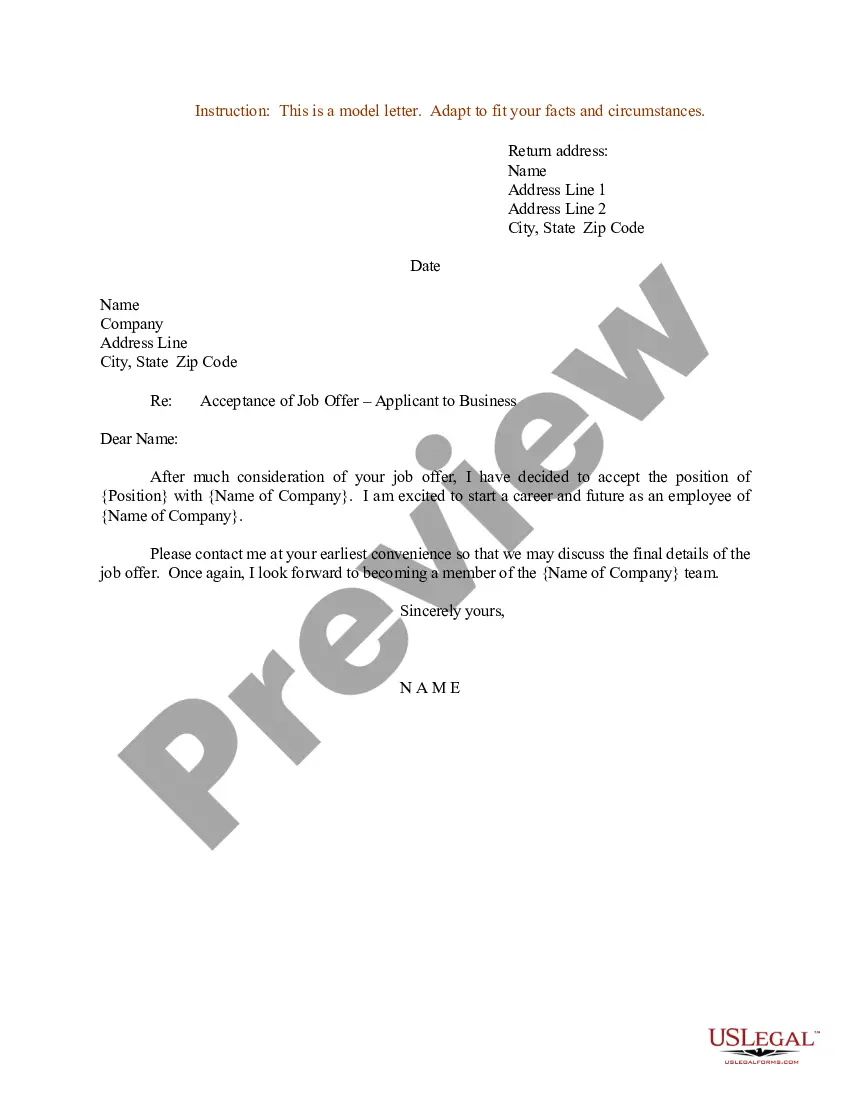
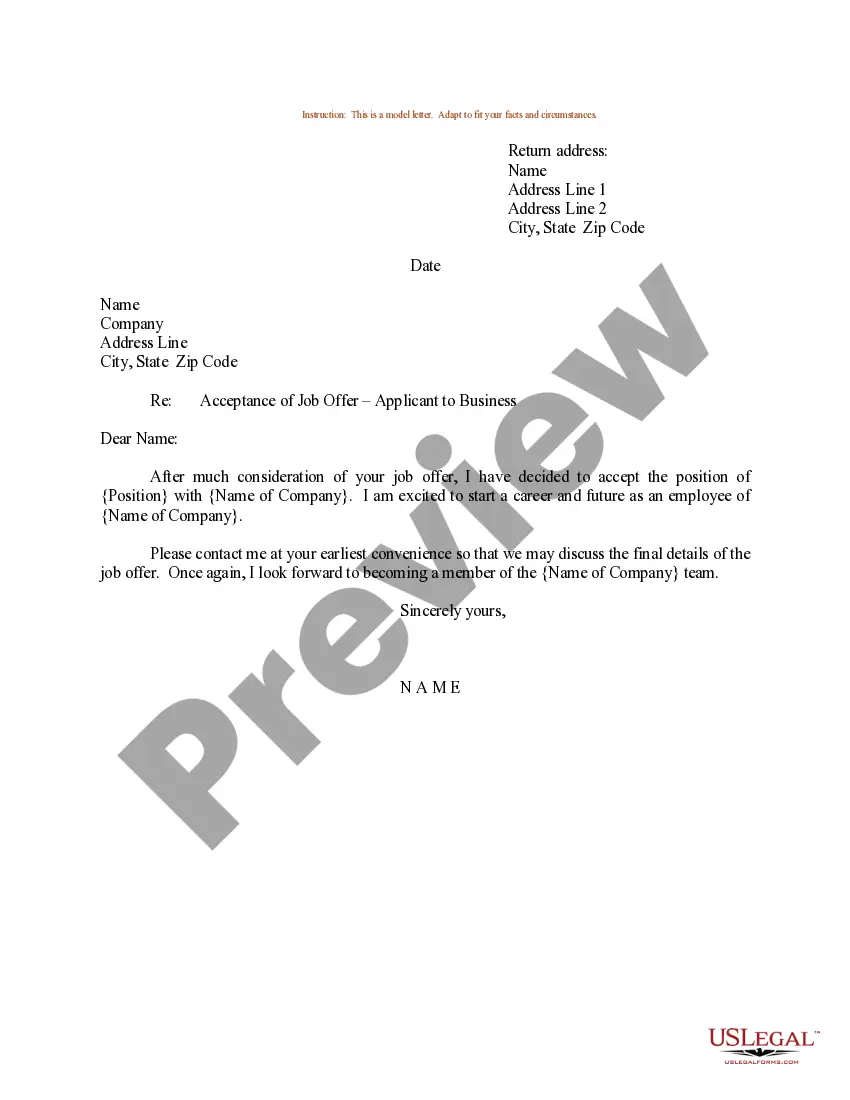
Get your form ready online
Our built-in tools help you complete, sign, share, and store your documents in one place.
Make edits, fill in missing information, and update formatting in US Legal Forms—just like you would in MS Word.
Download a copy, print it, send it by email, or mail it via USPS—whatever works best for your next step.
Sign and collect signatures with our SignNow integration. Send to multiple recipients, set reminders, and more. Go Premium to unlock E-Sign.
If this form requires notarization, complete it online through a secure video call—no need to meet a notary in person or wait for an appointment.
We protect your documents and personal data by following strict security and privacy standards.

Make edits, fill in missing information, and update formatting in US Legal Forms—just like you would in MS Word.

Download a copy, print it, send it by email, or mail it via USPS—whatever works best for your next step.

Sign and collect signatures with our SignNow integration. Send to multiple recipients, set reminders, and more. Go Premium to unlock E-Sign.

If this form requires notarization, complete it online through a secure video call—no need to meet a notary in person or wait for an appointment.

We protect your documents and personal data by following strict security and privacy standards.
Looking for another form?








Form popularity
FAQ
Tips for writing a successful complaint letter Structure. Address the letter to a real person. Be honest and straightforward. Maintain a firm but respectful tone, and avoid aggressive, accusing language. Include your contact information. Tell them what you want. Do not threaten action. Keep copies and records.
Their full name, followed by their title; for example, “Mary Black, Assistant County Attorney,” with a salutation of “Dear Ms. Black.”
Most formal letters will start with 'Dear' before the name of the person that you are writing to. You can choose to use first name and surname, or title. and surname. However, if you don't know the name of the person you are writing to, you must use 'Dear Sir or Madam,'.
Write “Dear Commissioner” and their last name as a salutation. Don't stress about sounding too formal or casual—with letter headers, “Dear” works perfectly fine as a salutation. Use “Commissioner” and their last name, and skip over their first name altogether.
Tips for writing a successful complaint letter Structure. Address the letter to a real person. Be honest and straightforward. Maintain a firm but respectful tone, and avoid aggressive, accusing language. Include your contact information. Tell them what you want. Do not threaten action. Keep copies and records.
How to write an official letter Set up your font and margins. Create your heading. Write your salutation. Use your body paragraphs to state your reasons for writing. Add your closing body paragraph and signature. Mention and add your enclosures. Proofread and send your letter.