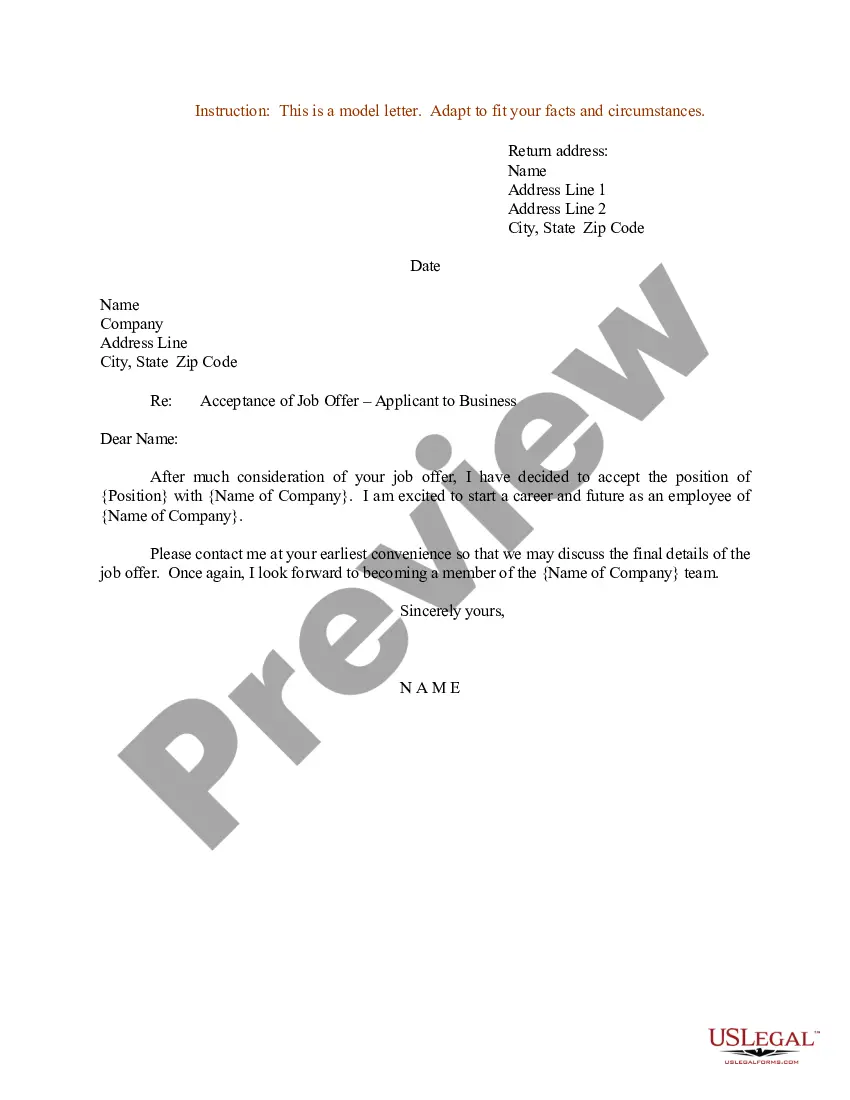
Police Acceptance Letter For Speeding In Harris
Description
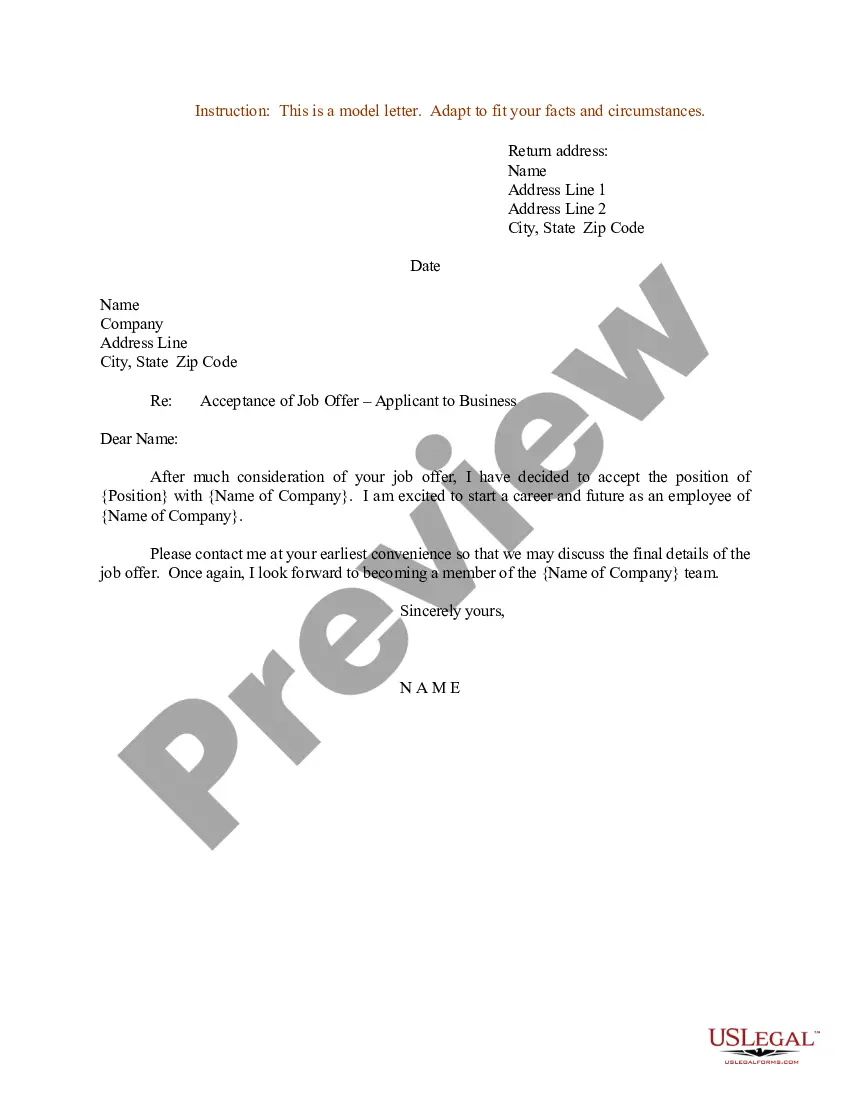
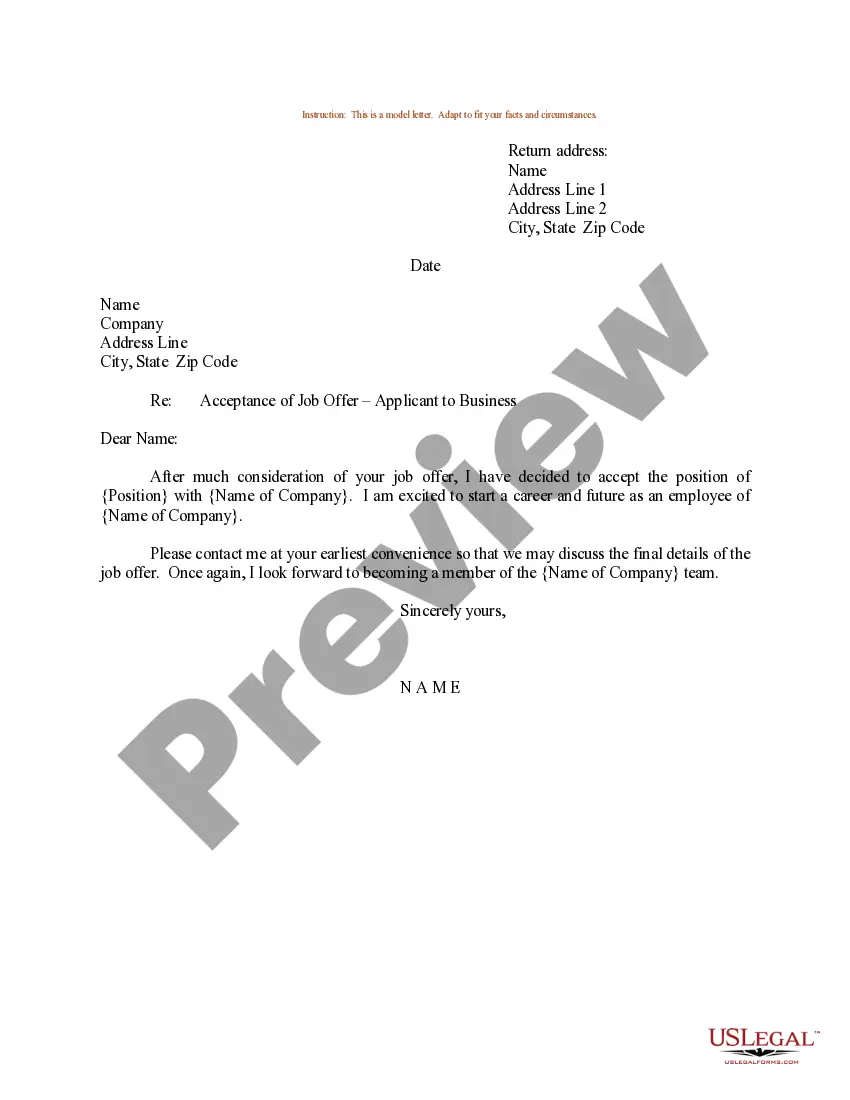
Get your form ready online
Our built-in tools help you complete, sign, share, and store your documents in one place.
Make edits, fill in missing information, and update formatting in US Legal Forms—just like you would in MS Word.
Download a copy, print it, send it by email, or mail it via USPS—whatever works best for your next step.
Sign and collect signatures with our SignNow integration. Send to multiple recipients, set reminders, and more. Go Premium to unlock E-Sign.
If this form requires notarization, complete it online through a secure video call—no need to meet a notary in person or wait for an appointment.
We protect your documents and personal data by following strict security and privacy standards.

Make edits, fill in missing information, and update formatting in US Legal Forms—just like you would in MS Word.

Download a copy, print it, send it by email, or mail it via USPS—whatever works best for your next step.

Sign and collect signatures with our SignNow integration. Send to multiple recipients, set reminders, and more. Go Premium to unlock E-Sign.

If this form requires notarization, complete it online through a secure video call—no need to meet a notary in person or wait for an appointment.

We protect your documents and personal data by following strict security and privacy standards.
Looking for another form?





Form popularity
FAQ
Answer: To ask a judge to reduce a ticket, you should attend your court hearing punctually and present a polite and concise request, explaining any mitigating circumstances or evidence. It's also beneficial to demonstrate a clean driving record and express willingness to attend a traffic school if necessary.
Your argument should be clear, concise, and persuasive. State the reasons why you believe you should not have been charged and present any evidence that supports your case. Use specific examples and be as detailed as possible.
Writing a Persuasive Motion to Dismiss Be Clear and Concise: Use straightforward language and be diligent with proofreading. Stay Focused on the Legal Issues: Avoid unnecessary details and stick to the relevant legal arguments. Support Every Claim: Use statutes, case law, and rules of procedure to back up your points.
For example, before disgraced comedian Bill Cosby's retrial, his defense team filed a motion to dismiss, arguing that the sexual assault alleged in the criminal complaint had happened outside of the statute of limitations.
Begin drafting the motion by addressing the court and providing your own identifying information. This typically includes your name, address, contact information, and the case or citation number. Clearly state the grounds for your motion to dismiss.
Answer: To ask a judge to reduce a ticket, you should attend your court hearing punctually and present a polite and concise request, explaining any mitigating circumstances or evidence. It's also beneficial to demonstrate a clean driving record and express willingness to attend a traffic school if necessary.
Your argument should be clear, concise, and persuasive. State the reasons why you believe you should not have been charged and present any evidence that supports your case. Use specific examples and be as detailed as possible.
Traffic Ticket Defenses that Can Succeed Show That a Necessary Element of the Traffic Offense Is Missing. Challenge the Officer's Subjective Conclusion. Challenge the Officer's Observation of What Happened. Prove Your Conduct Was Based on a Legitimate "Mistake of Fact" ... Prove Your Conduct Was Necessary to Avoid Serious Harm.