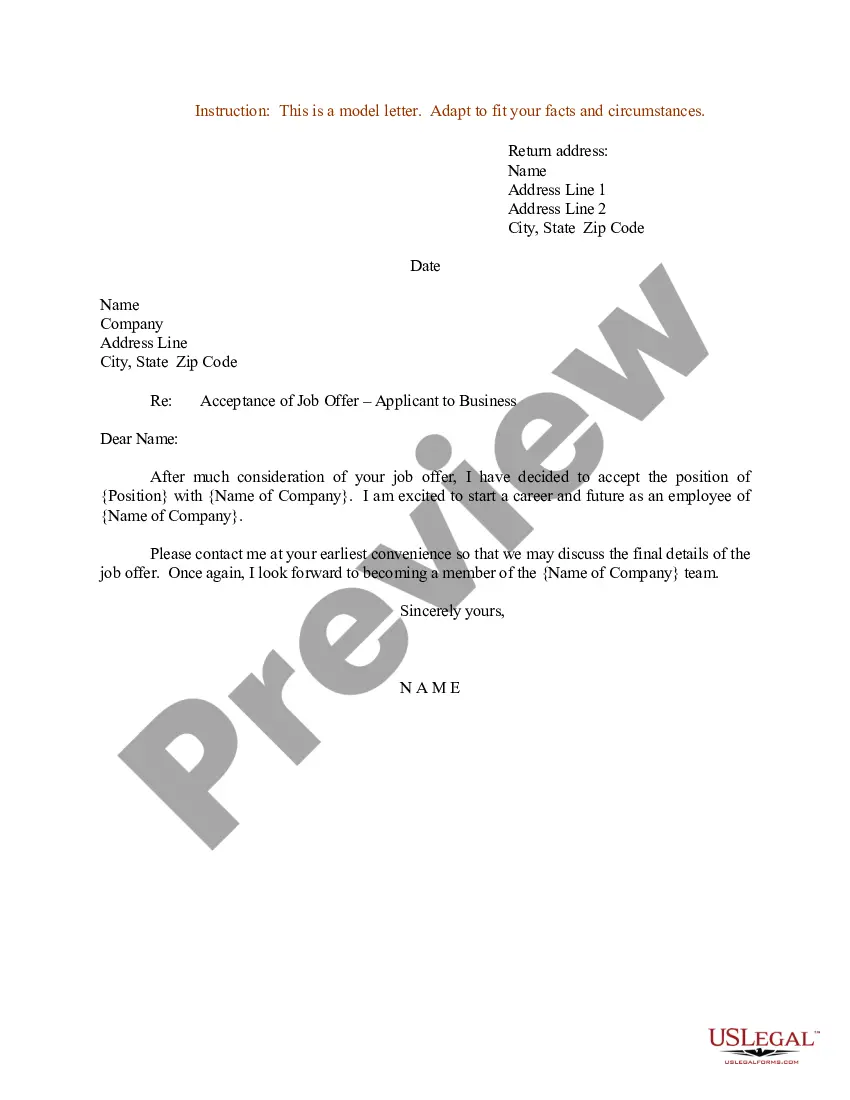
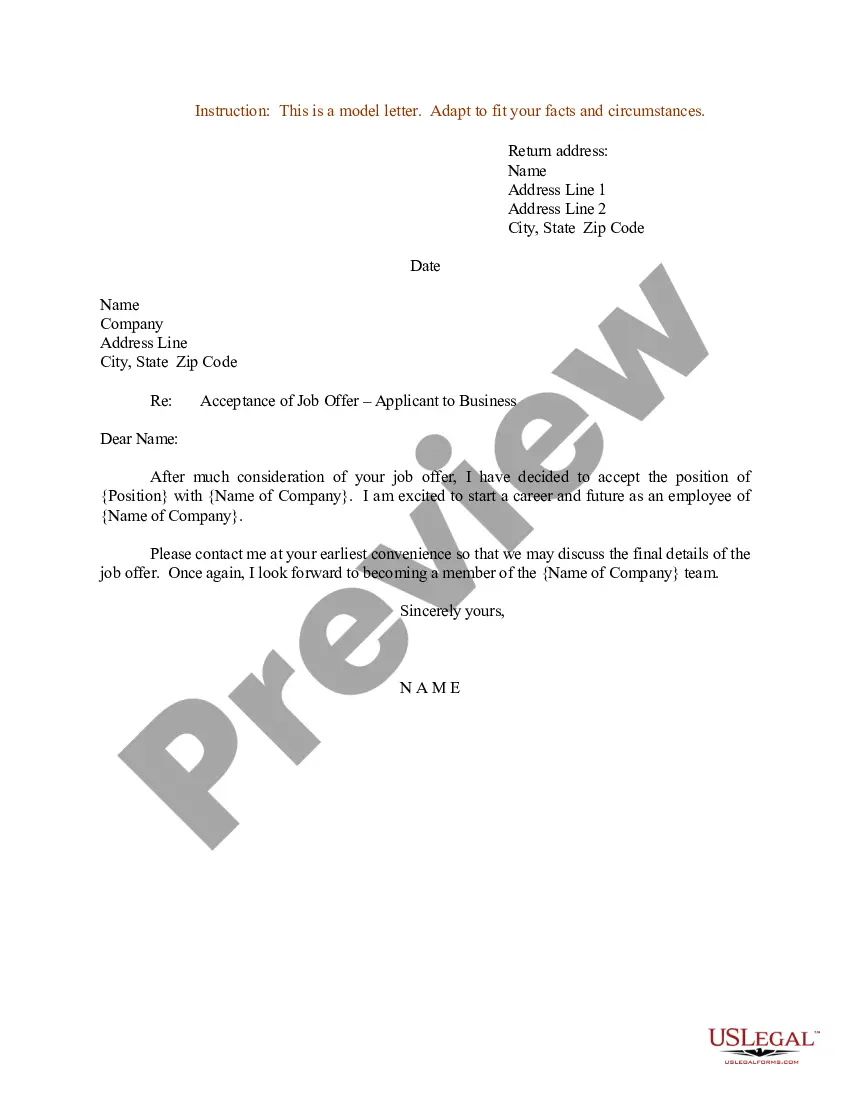
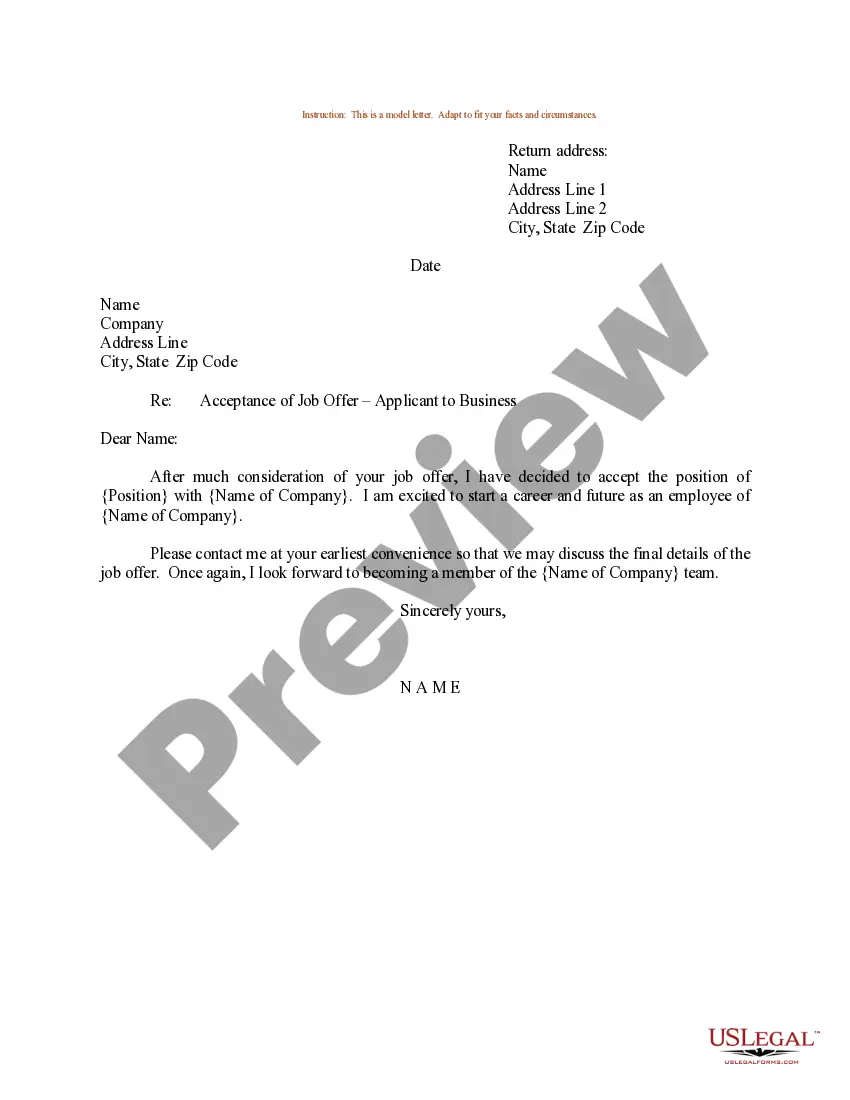
Police Acceptance Letter Withdrawal In Georgia
Description
Get your form ready online
Our built-in tools help you complete, sign, share, and store your documents in one place.
Make edits, fill in missing information, and update formatting in US Legal Forms—just like you would in MS Word.
Download a copy, print it, send it by email, or mail it via USPS—whatever works best for your next step.
Sign and collect signatures with our SignNow integration. Send to multiple recipients, set reminders, and more. Go Premium to unlock E-Sign.
If this form requires notarization, complete it online through a secure video call—no need to meet a notary in person or wait for an appointment.
We protect your documents and personal data by following strict security and privacy standards.

Make edits, fill in missing information, and update formatting in US Legal Forms—just like you would in MS Word.

Download a copy, print it, send it by email, or mail it via USPS—whatever works best for your next step.

Sign and collect signatures with our SignNow integration. Send to multiple recipients, set reminders, and more. Go Premium to unlock E-Sign.

If this form requires notarization, complete it online through a secure video call—no need to meet a notary in person or wait for an appointment.

We protect your documents and personal data by following strict security and privacy standards.
Looking for another form?



Form popularity
FAQ
California takes a strong stance against domestic violence (DV). When a victim decides to change their story or retract their statement, it's called "recanting." This can occur at any point in the case and often occurs after the incident in an attempt to get the charges dropped.
An attorney desiring to withdraw as counsel must comply with the following procedure: (1) The attorney must give fourteen days' notice to the client of the attorney's intention to request permission to withdraw.
Other situations permitting withdrawal include, for example: (1) where the client insists on action that the lawyer believes is criminal or fraudulent, (2) certain instances where the lawyer has an inability to work with co-counsel, (3) the lawyer's mental or physical condition renders it difficult for the lawyer to ...
Rule 4.3 - Withdrawal (1) An attorney appearing of record in any matter pending in any superior court, who wishes to withdraw as counsel for any party, shall submit a written request to an appropriate judge of the court for an order permitting such withdrawal.
(d) A lawyer shall not terminate a representation until the lawyer has taken reasonable steps to avoid reasonably foreseeable prejudice to the rights of the client, such as giving the client sufficient notice to permit the client to retain other counsel, and complying with paragraph (e).
Client Consent: The simplest way is if you, as the client, agree to the attorney's withdrawal. The attorney should provide you with a request to withdraw in writing, and you can give your consent, also preferably in writing.