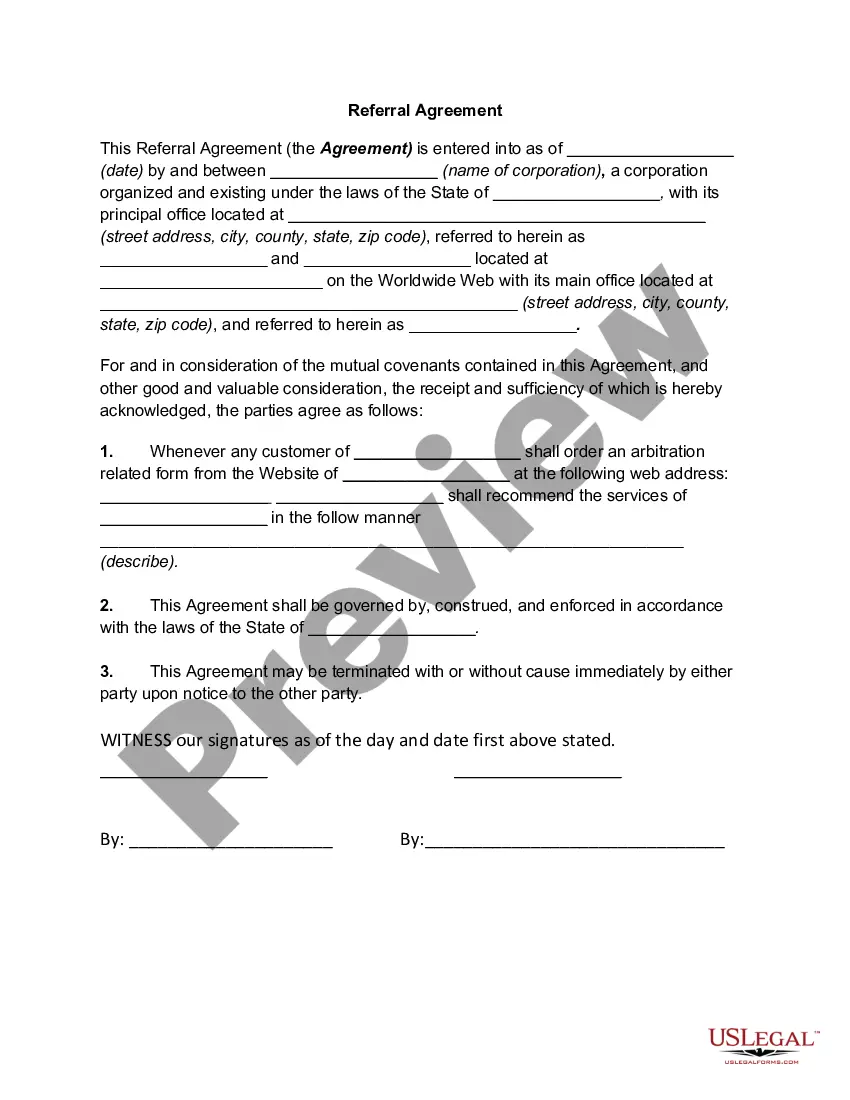
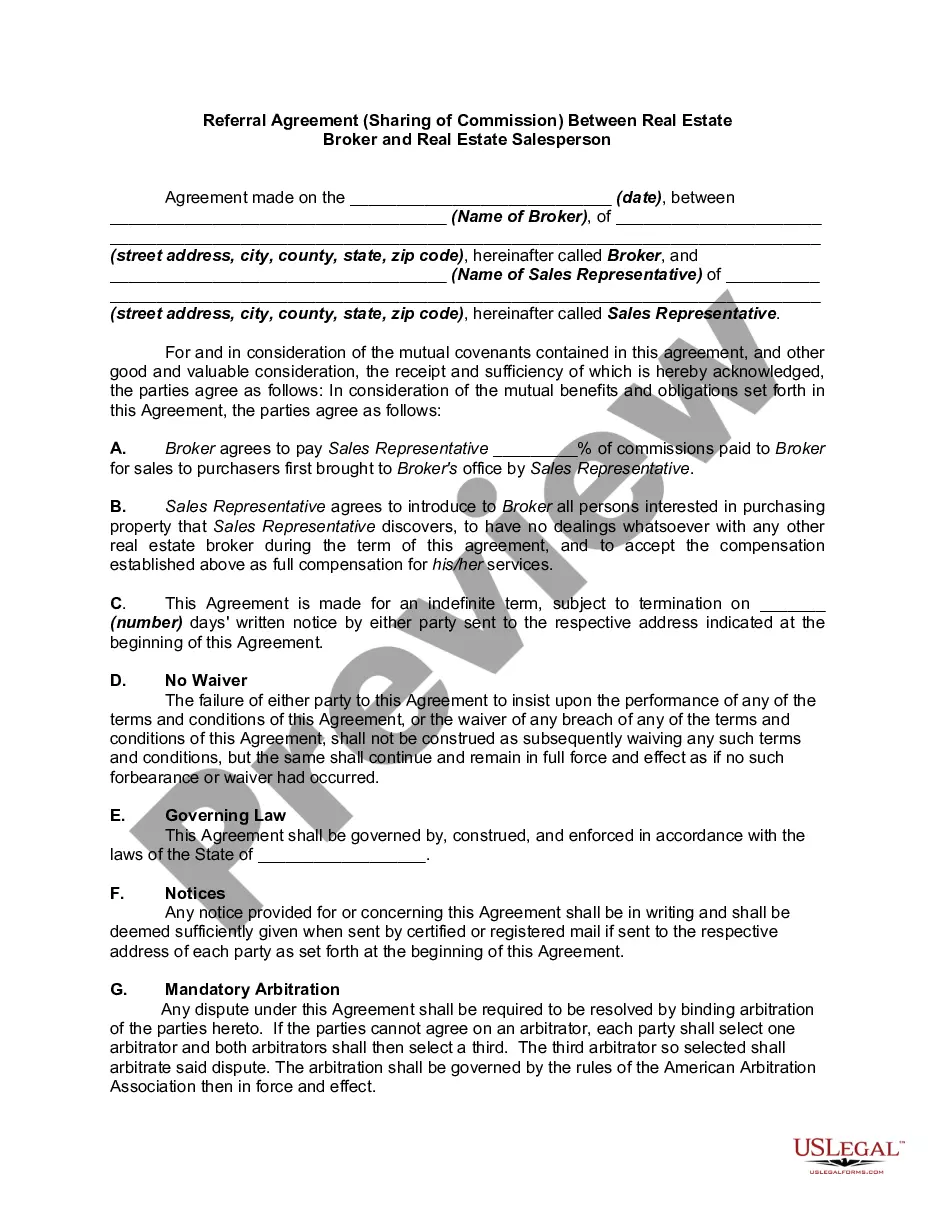
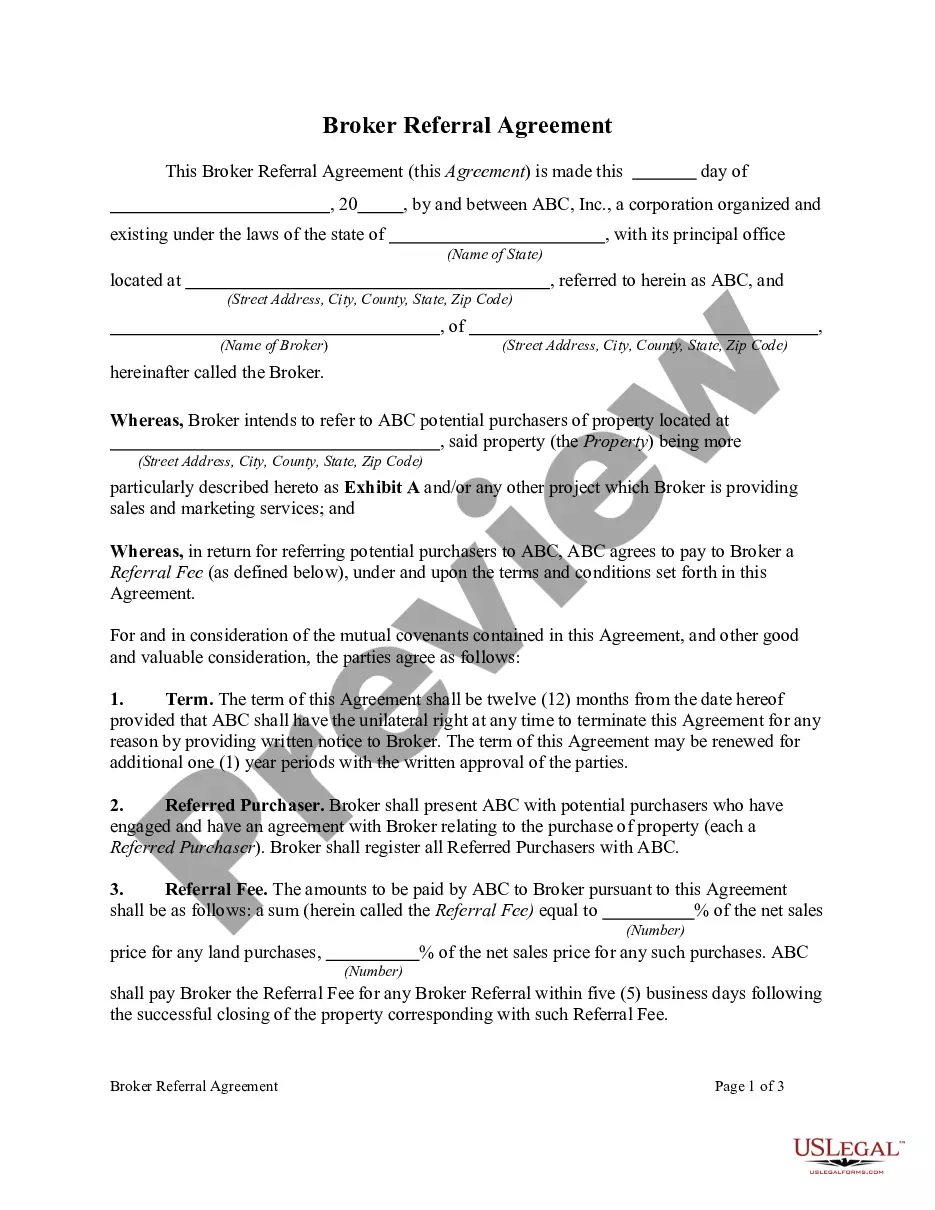
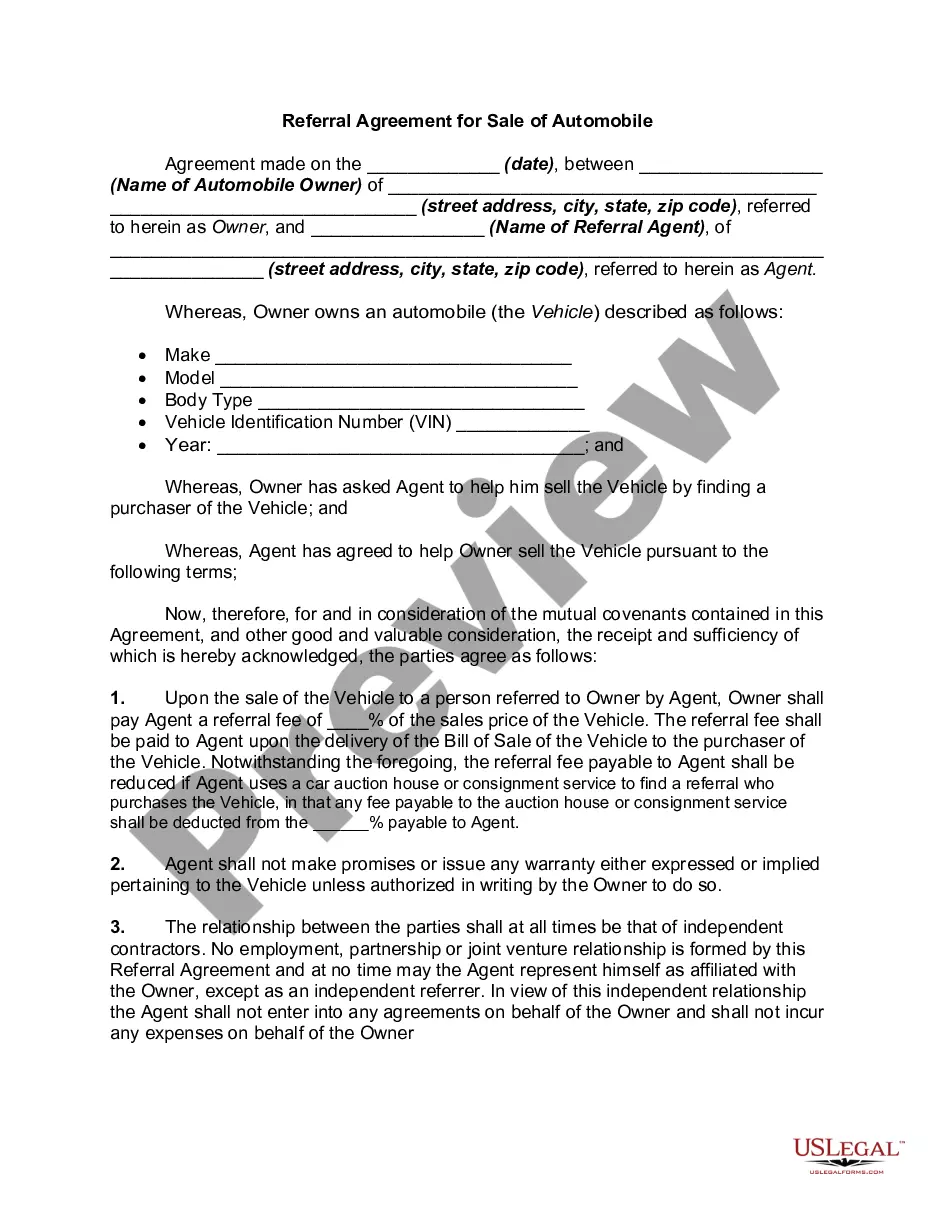
Client Referral Agreement For Physical Therapy In Georgia
Description
Get your form ready online
Our built-in tools help you complete, sign, share, and store your documents in one place.
Make edits, fill in missing information, and update formatting in US Legal Forms—just like you would in MS Word.
Download a copy, print it, send it by email, or mail it via USPS—whatever works best for your next step.
Sign and collect signatures with our SignNow integration. Send to multiple recipients, set reminders, and more. Go Premium to unlock E-Sign.
If this form requires notarization, complete it online through a secure video call—no need to meet a notary in person or wait for an appointment.
We protect your documents and personal data by following strict security and privacy standards.

Make edits, fill in missing information, and update formatting in US Legal Forms—just like you would in MS Word.

Download a copy, print it, send it by email, or mail it via USPS—whatever works best for your next step.

Sign and collect signatures with our SignNow integration. Send to multiple recipients, set reminders, and more. Go Premium to unlock E-Sign.

If this form requires notarization, complete it online through a secure video call—no need to meet a notary in person or wait for an appointment.

We protect your documents and personal data by following strict security and privacy standards.
Looking for another form?
Form popularity
FAQ
What does Referral arrangement mean? Any arrangement to refer or recommend a client to a third party or to be introduced to a client by a third party.
The subsequent paragraphs of the referral letter contain information about the person you are writing on, their qualification, skills and positive qualities they offer. It is preferable to include precise details that correspond to the role for which they are applying.
Parts of a referral agreement Date. The date should appear at the beginning and end of the contract. Names and roles of the parties involved. Identify the parties to the agreement. Duration of the agreement. State how long the agreement will last. Consideration. Acceptance.
As with all agreements, referral contracts must have the following to be legally enforceable: Date. The date should appear at the beginning and end of the contract. Names and roles of the parties involved. Identify the parties to the agreement. Duration of the agreement. Consideration. Acceptance.
Today, thanks to direct access, you have two ways to receive PT care: through physician referral or by contacting a physical therapist directly.
Components of a Physical Therapy Prescription Name, Age, Date of Birth of the patient. One or more International Classification of Diseases diagnosis code(s), associated with the need for physical therapy treatment. A written explanation of the chief complaint or reason for the need for physical therapy intervention.
Physical Therapist Salary in Georgia Annual SalaryHourly Wage Top Earners $102,592 $49 75th Percentile $90,800 $44 Average $81,647 $39 25th Percentile $70,100 $34
In California, direct access to physical therapy has been legally supported since 2014 through Assembly Bill 1000. This law allows you to receive physical therapy services directly, provided the treatment extends for no more than 45 days or 12 visits, whichever comes first.
Physical therapists contribute to patient diagnosis of pathological processes by initiating a timely referral to physicians. The reviewed patient cases illustrate the importance of a multifactorial examination strategy and carefully monitoring patient response to treatment to identify such patients.
Since 2005, Medicare patients don't need to have a referral or prescription to see a physical therapist, but they still must be “under the care of a physician.” All 50 states allow enrollees some sort of direct access to PT, but the rules differ.