Borrowing For Rental Property In Sacramento
Description
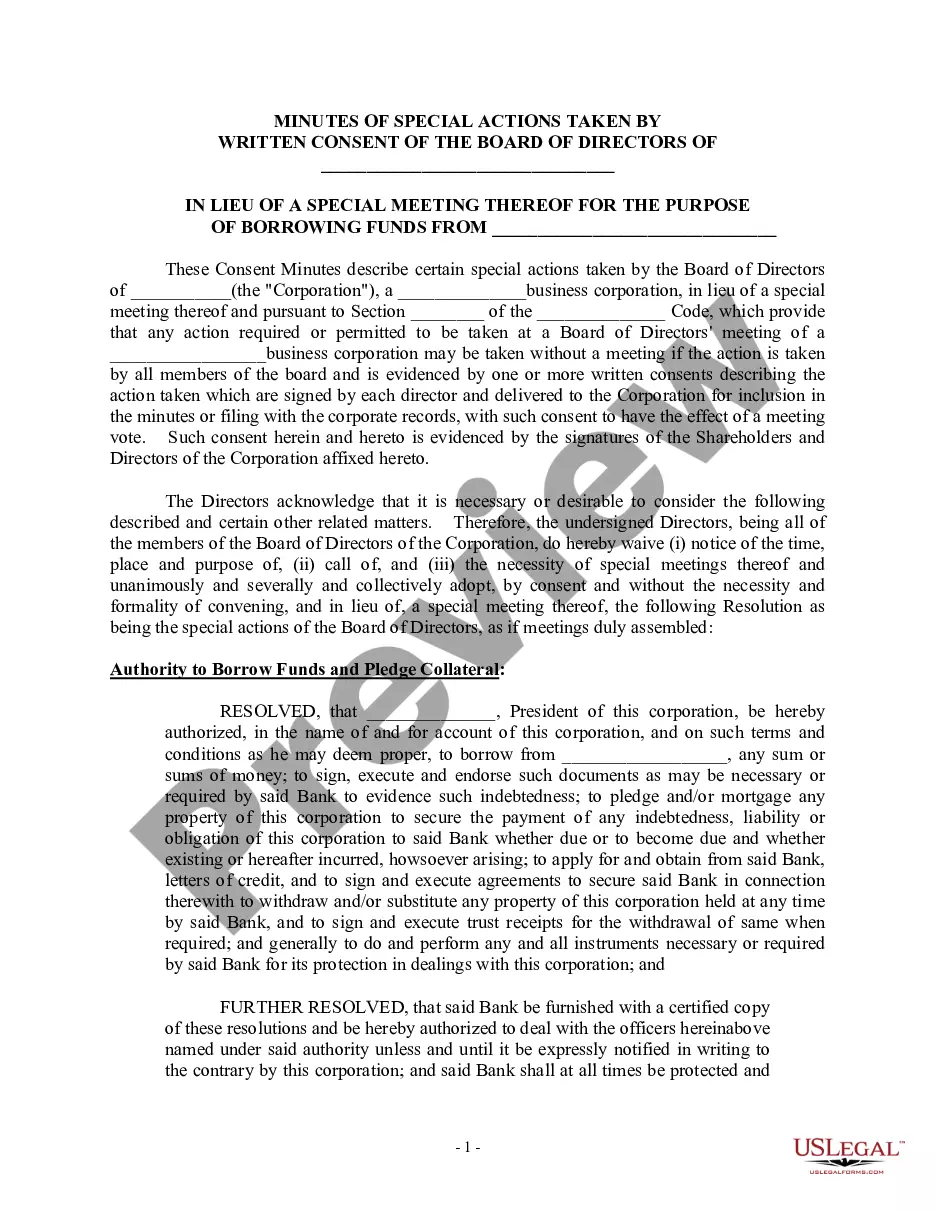
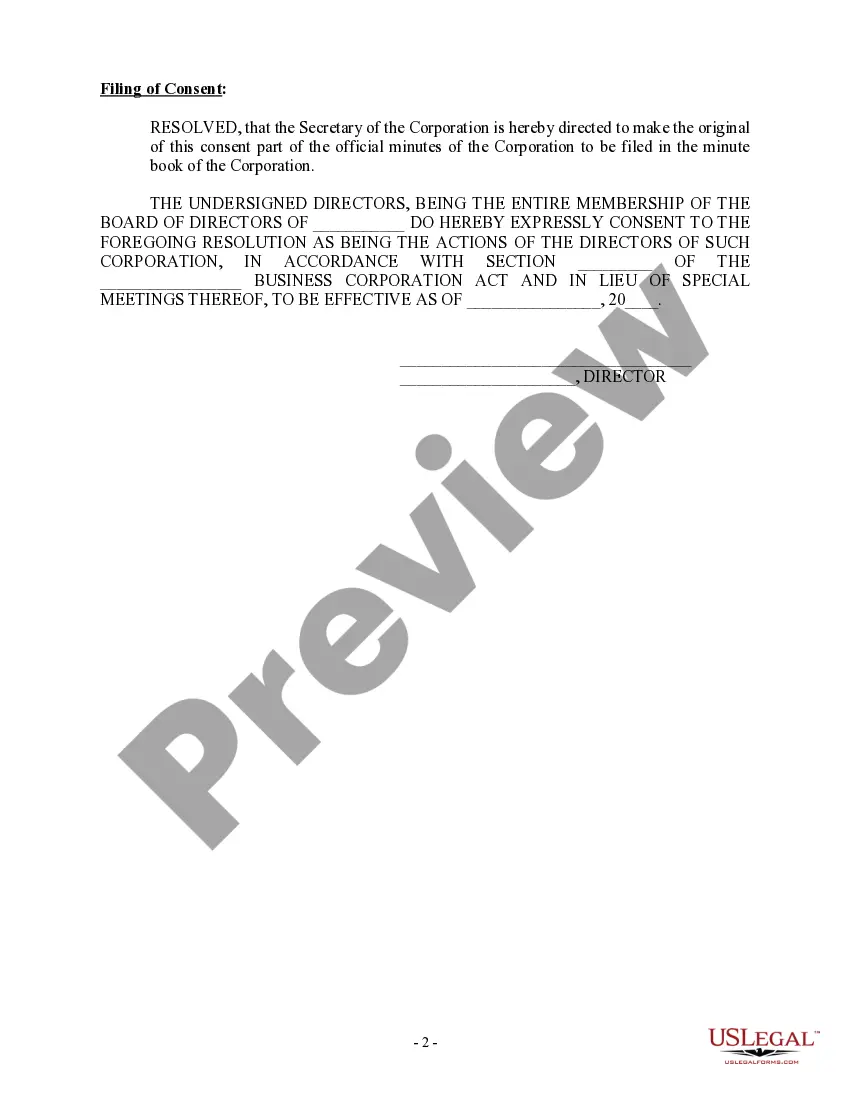
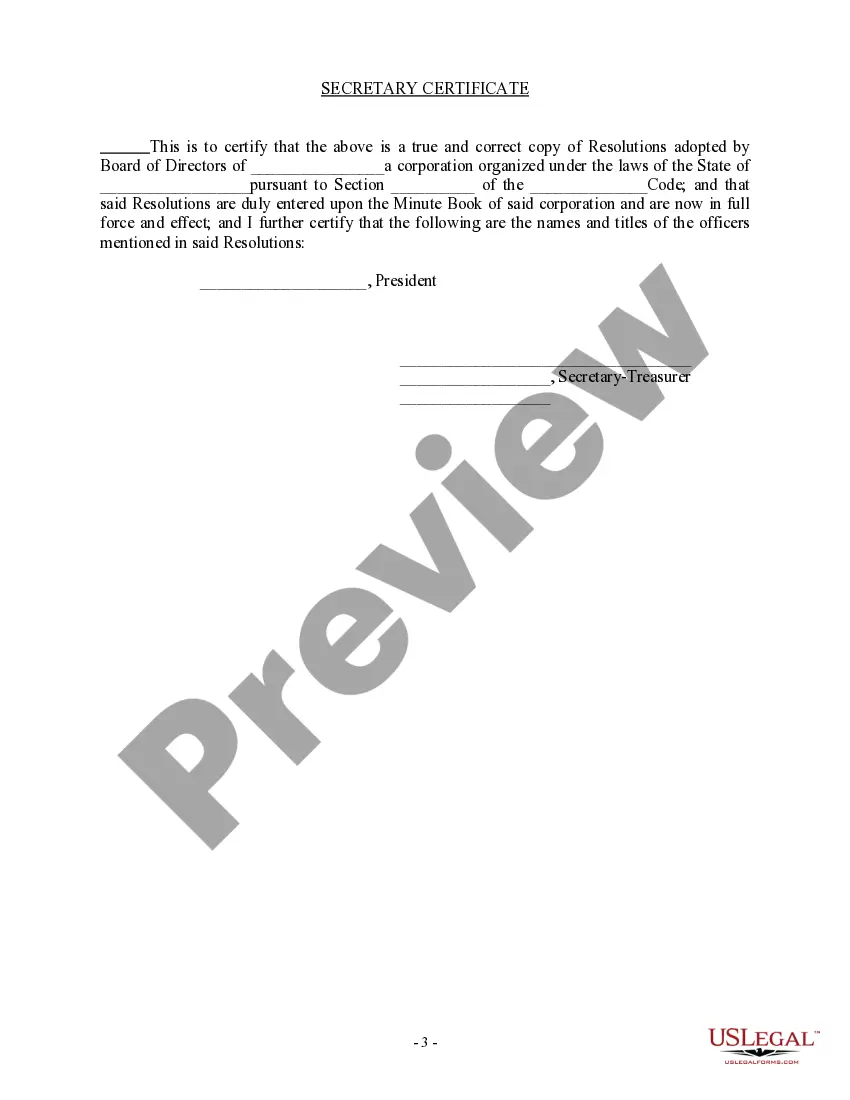
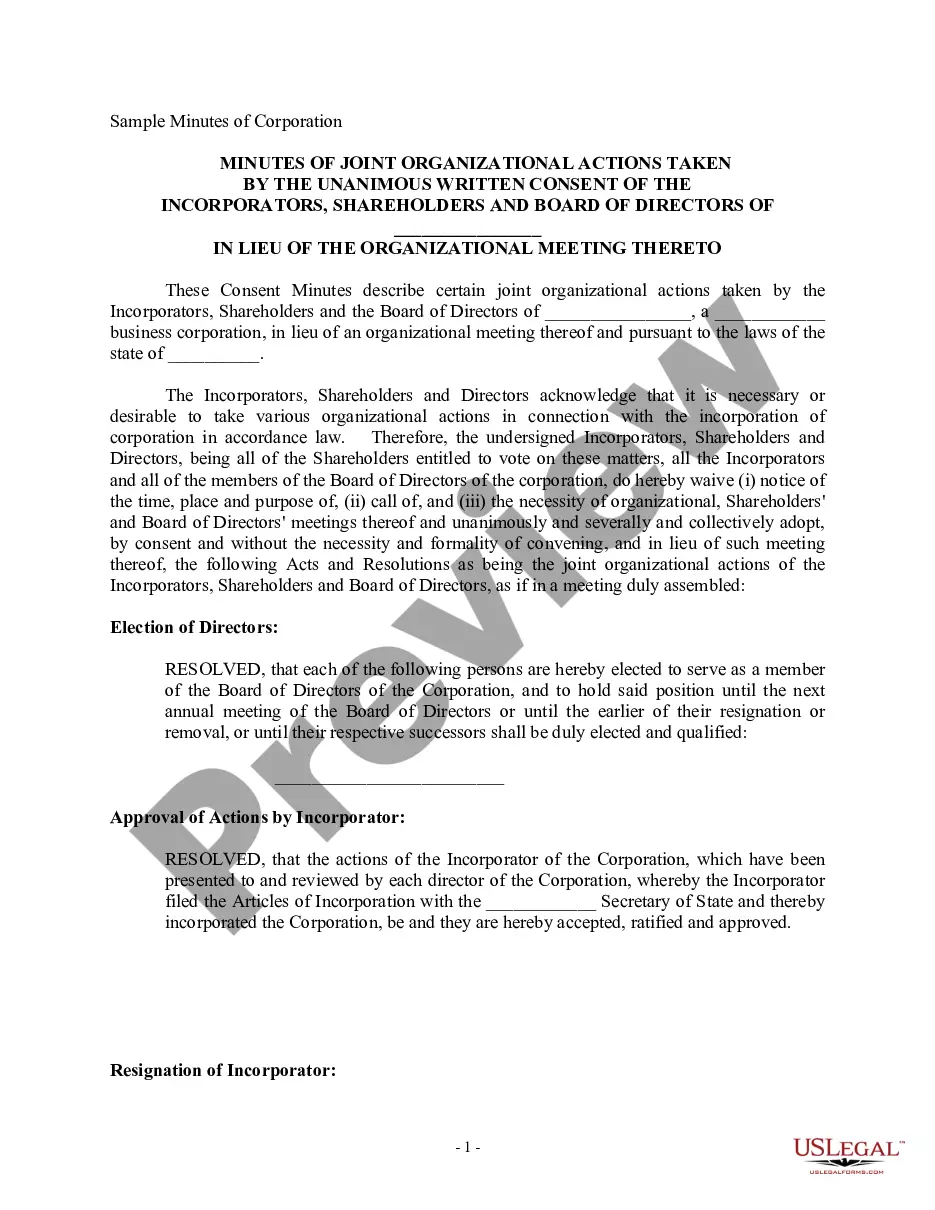
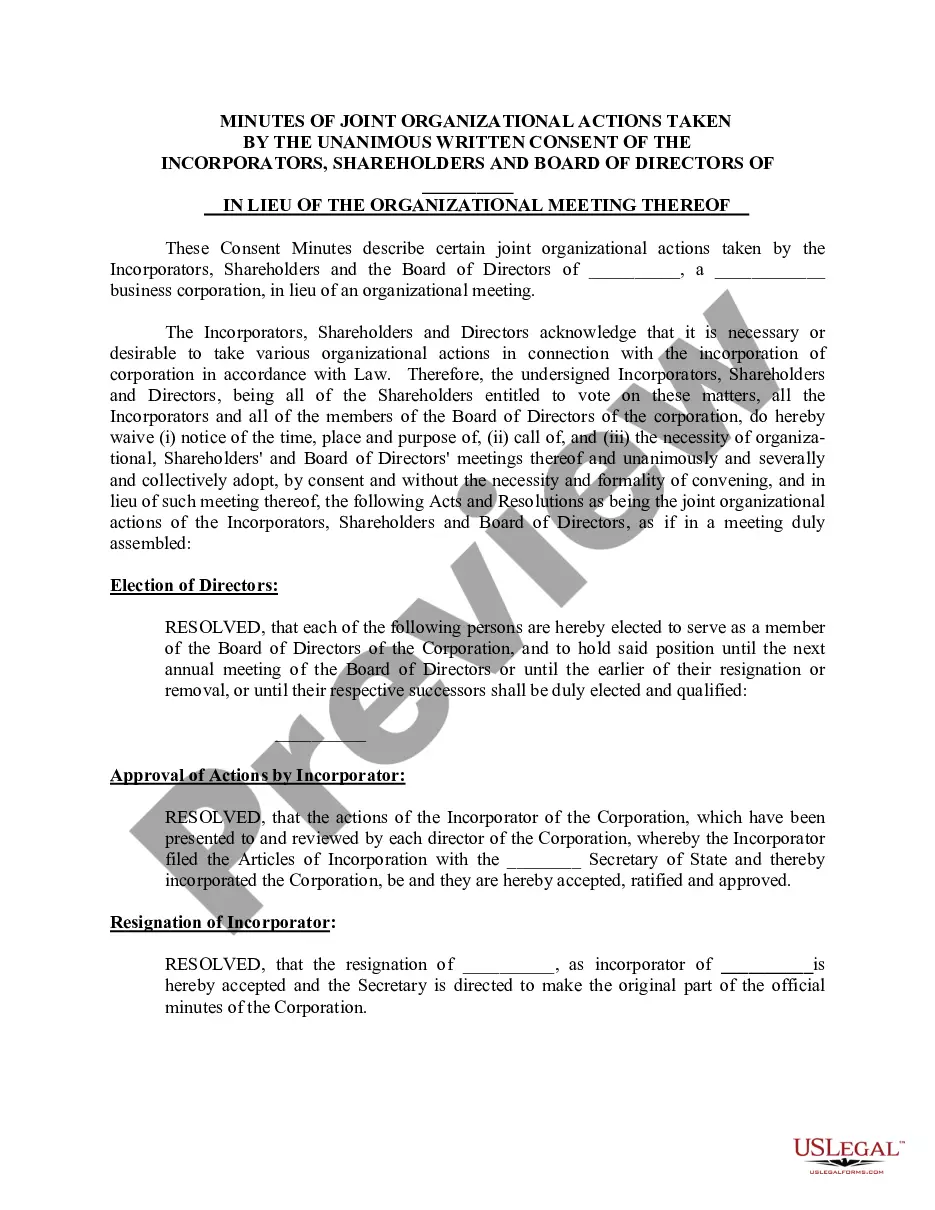
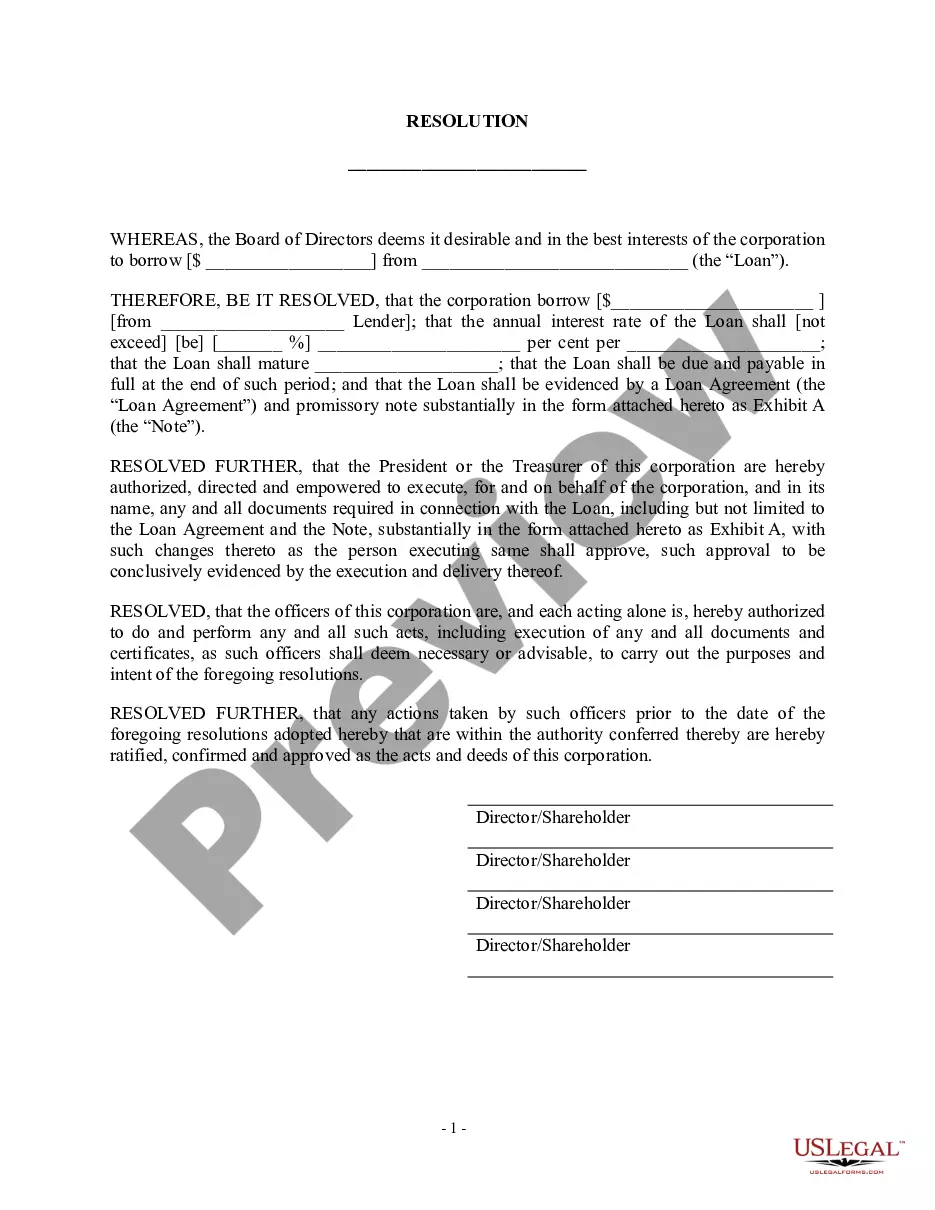
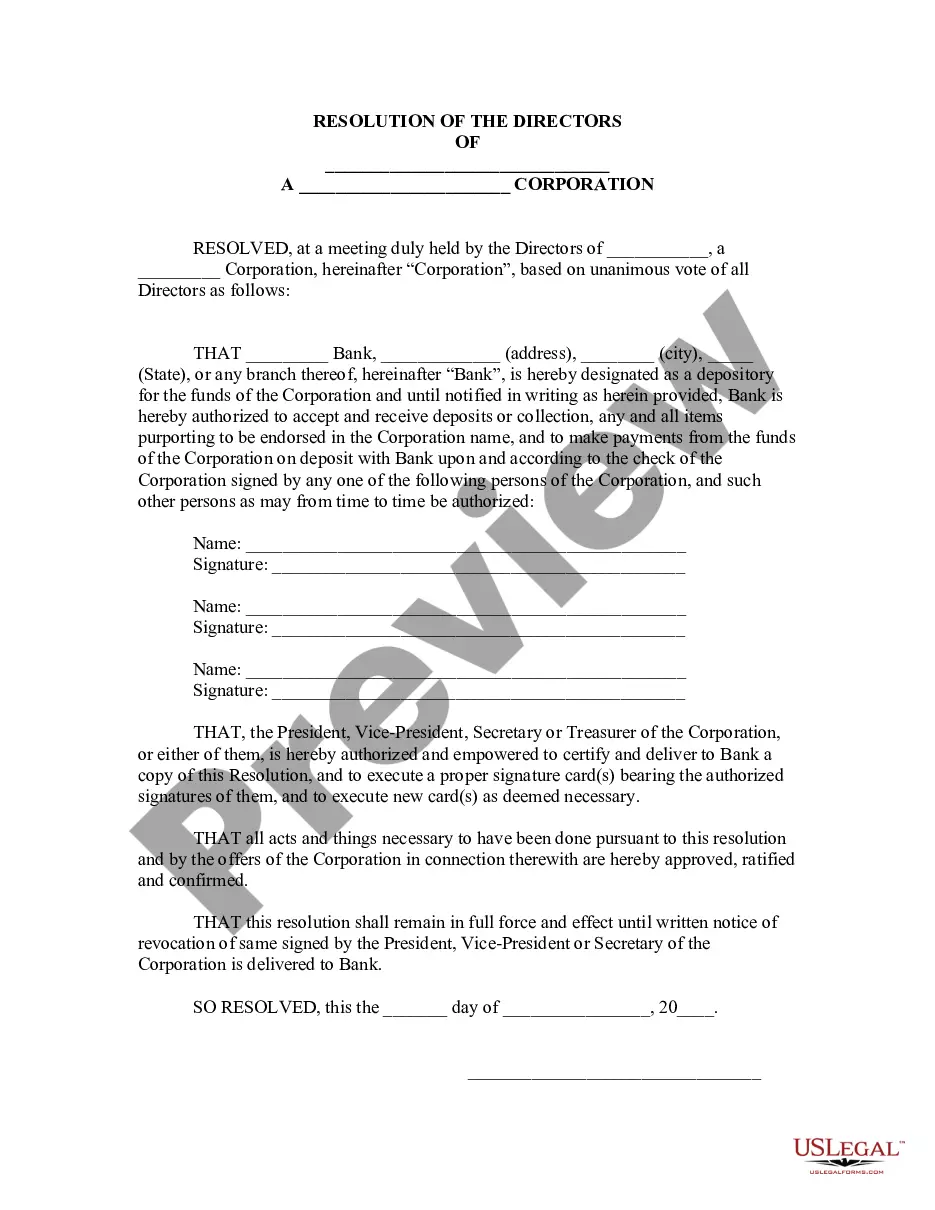
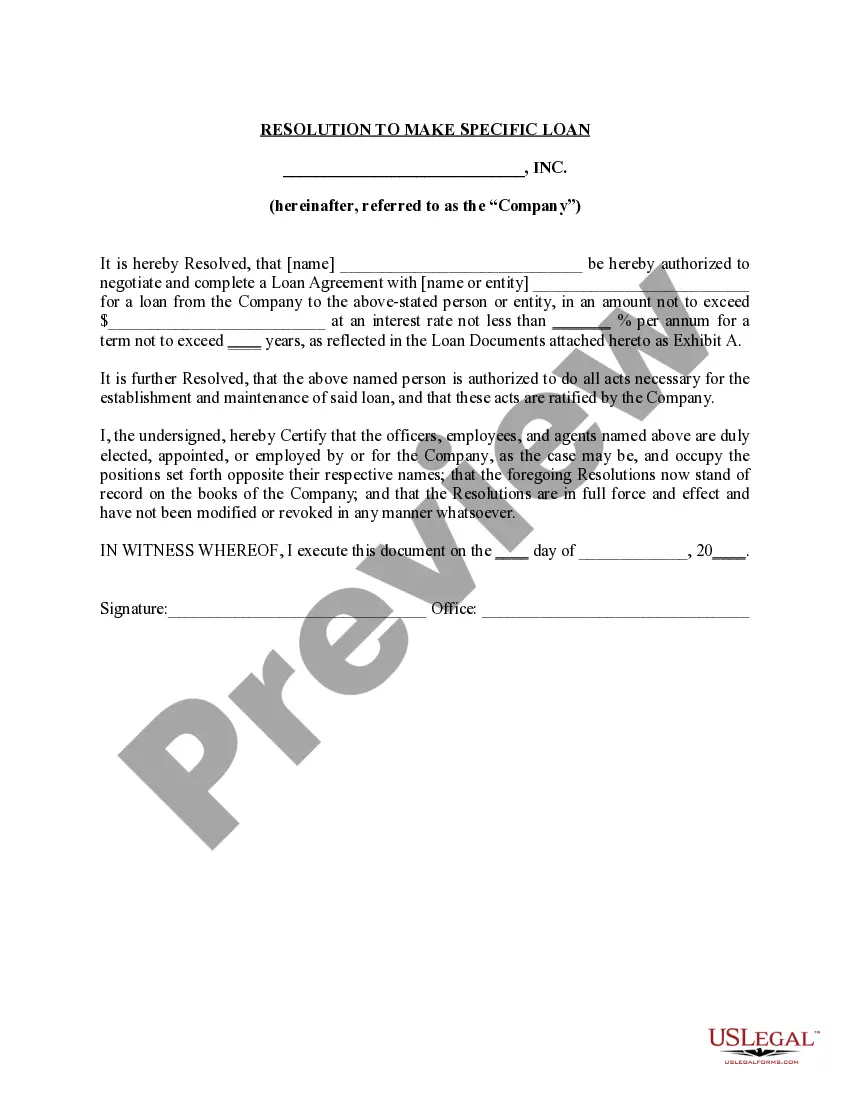
Get your form ready online
Our built-in tools help you complete, sign, share, and store your documents in one place.
Make edits, fill in missing information, and update formatting in US Legal Forms—just like you would in MS Word.
Download a copy, print it, send it by email, or mail it via USPS—whatever works best for your next step.
Sign and collect signatures with our SignNow integration. Send to multiple recipients, set reminders, and more. Go Premium to unlock E-Sign.
If this form requires notarization, complete it online through a secure video call—no need to meet a notary in person or wait for an appointment.
We protect your documents and personal data by following strict security and privacy standards.

Make edits, fill in missing information, and update formatting in US Legal Forms—just like you would in MS Word.

Download a copy, print it, send it by email, or mail it via USPS—whatever works best for your next step.

Sign and collect signatures with our SignNow integration. Send to multiple recipients, set reminders, and more. Go Premium to unlock E-Sign.

If this form requires notarization, complete it online through a secure video call—no need to meet a notary in person or wait for an appointment.

We protect your documents and personal data by following strict security and privacy standards.
Looking for another form?








Form popularity
FAQ
The 50% rule or 50 rule in real estate says that half of the gross income generated by a rental property should be allocated to operating expenses when determining profitability. The rule is designed to help investors avoid the mistake of underestimating expenses and overestimating profits.
The rule suggests that about half of the property's rental income should cover expenses, and the other half is an estimate of the property's net operating income (NOI). The 50% rule is a starting point and not a strict formula. Different property types, locations, and market conditions can affect actual expenses.
Minimizing or eradicating taxes on rental income involves employing strategies such as 1031 exchanges, utilizing self-directed IRAs, claiming depreciation and deductions, leveraging equity through borrowing, deferring sales, and potentially becoming a real estate agent.
50 Percent Rule Formula For Real Estate You are literally just multiplying the monthly rent by 0.5 to estimate the property 's operating expenses. To do the calculation in your head, you can just divide the rental income by 2 (mathematically this is exactly the same as multiplying the rent by 0.5).
What is the safest method to collect rent? The safest way for a tenant to make rent payments is through an online payment provider or using a certified payment method. This is because it gives them a record of the transaction, proof of payment, that can be used should a dispute arise.
You'll typically need a 20% deposit to buy an investment property. This can come from your savings or equity from your existing home. Learn how to supercharge your savings and use equity to buy an investment property. If you don't have a full 20% deposit, you can take out Lender's Mortgage Insurance (LMI).
When applied to your property finances, it reveals that a small percentage of your investment properties will likely generate the majority of your rental income and property value. Imagine if 80% of your revenue comes from only 20% of your properties—this insight can drastically shape your management strategies.
The 50 Percent Rule is a shortcut that real estate investors can use to quickly predict the total operating expenses that a rental property investment is likely to generate. To work out a property's monthly operating expenses using the 50 rule, you simply multiply the property 's gross rent income by 50%.
