Borrowing For Commercial Property In Ohio
Description
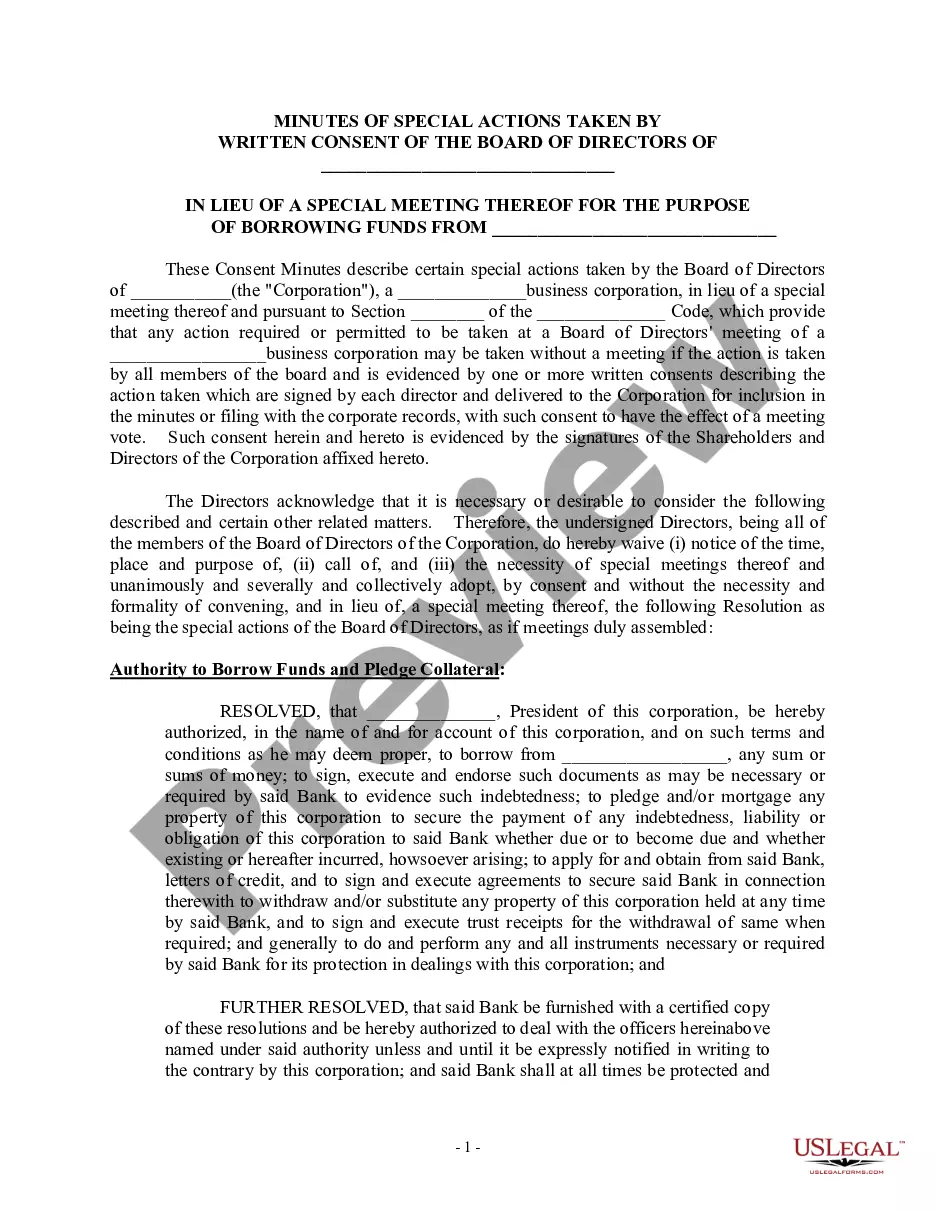
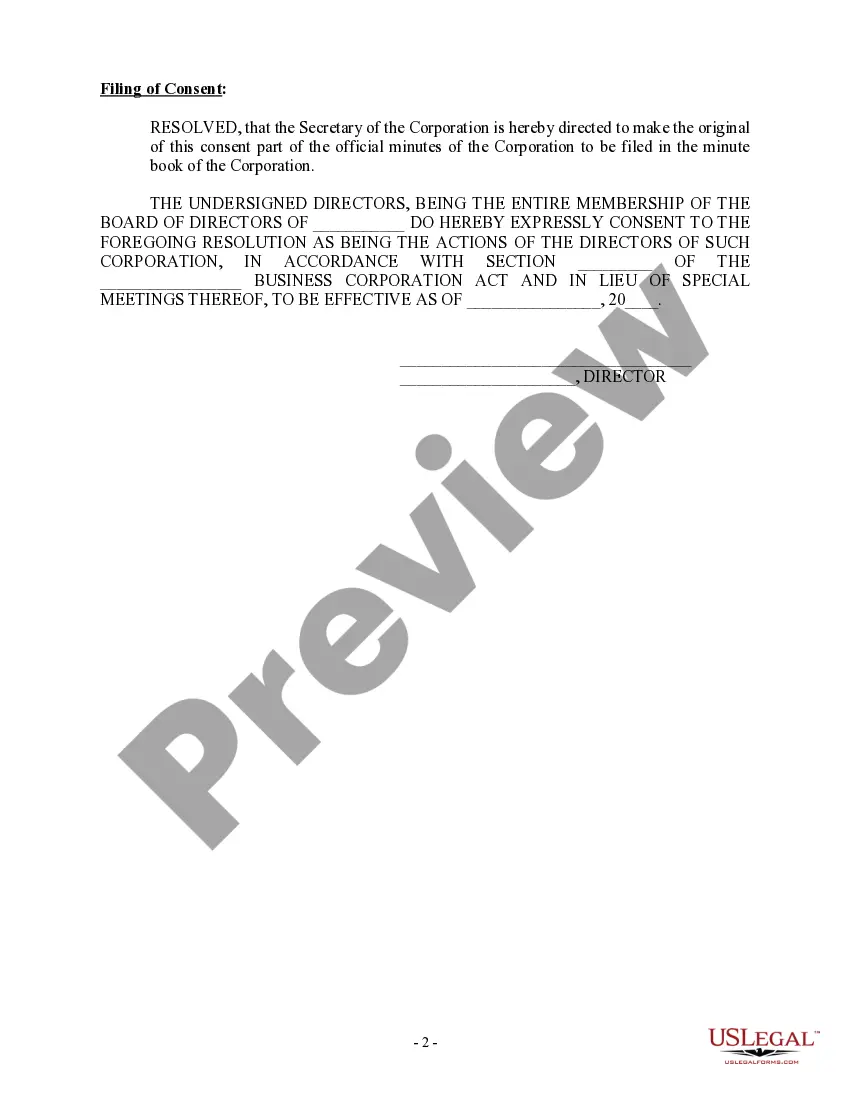
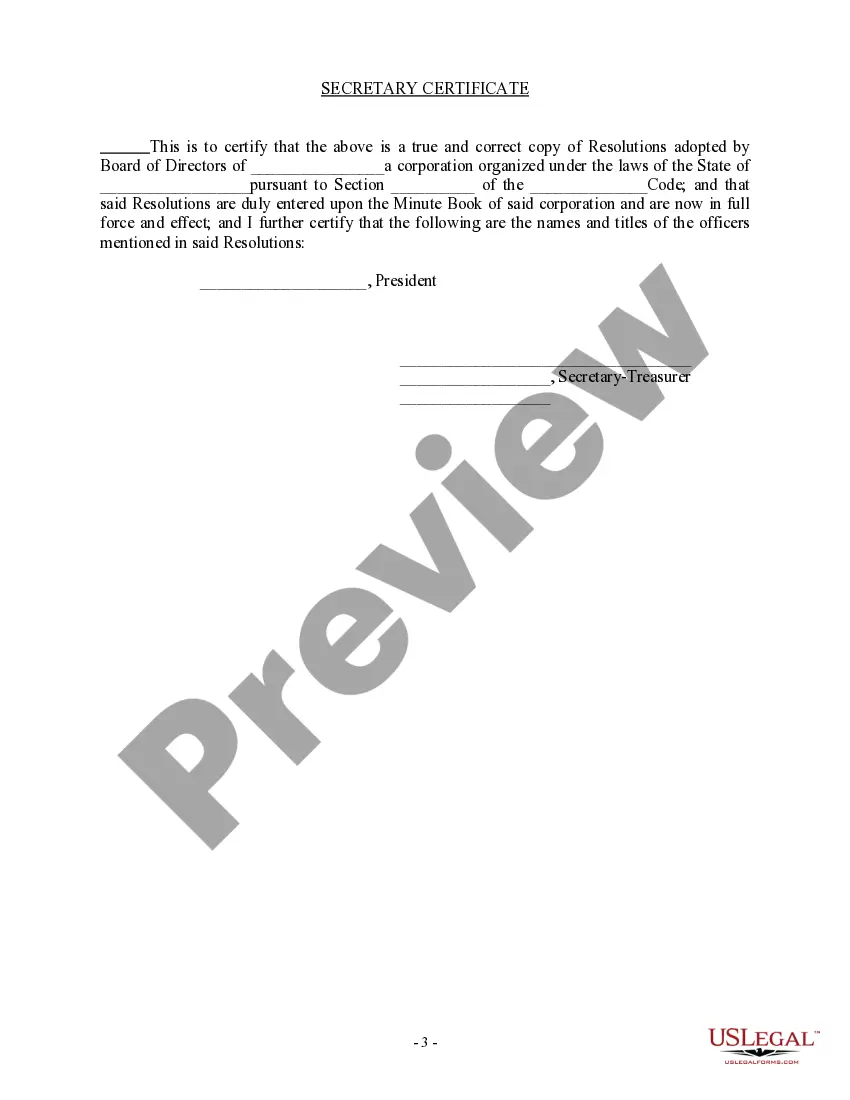
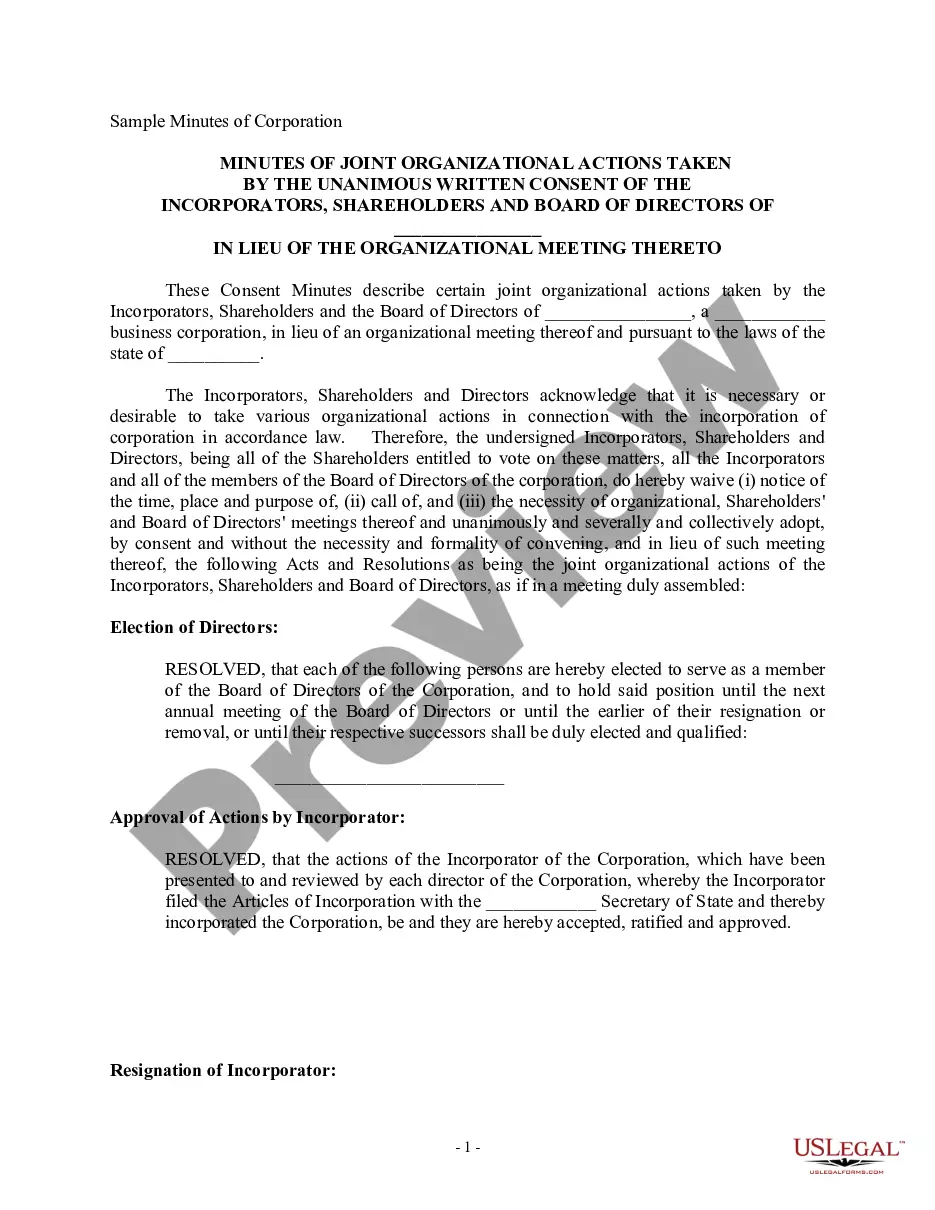
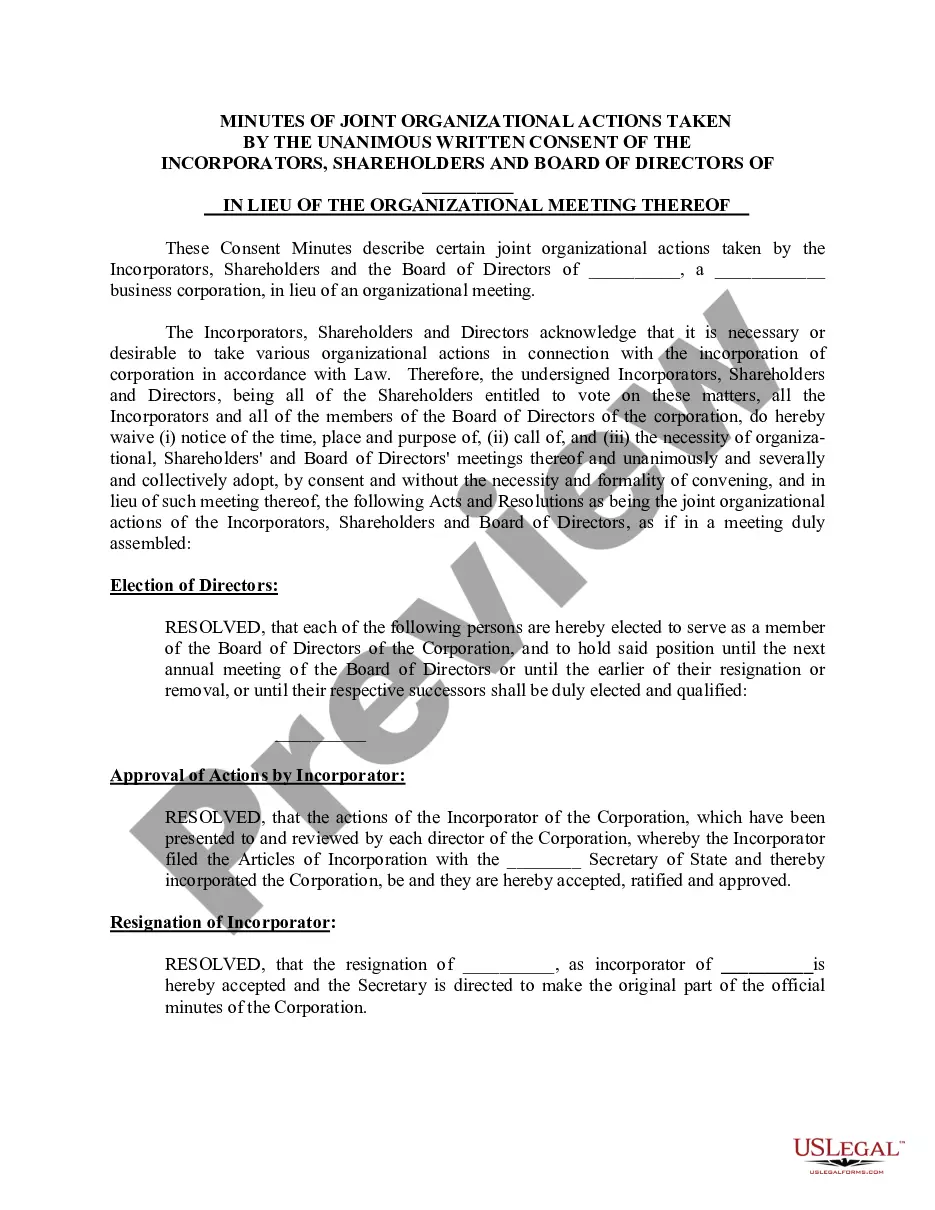
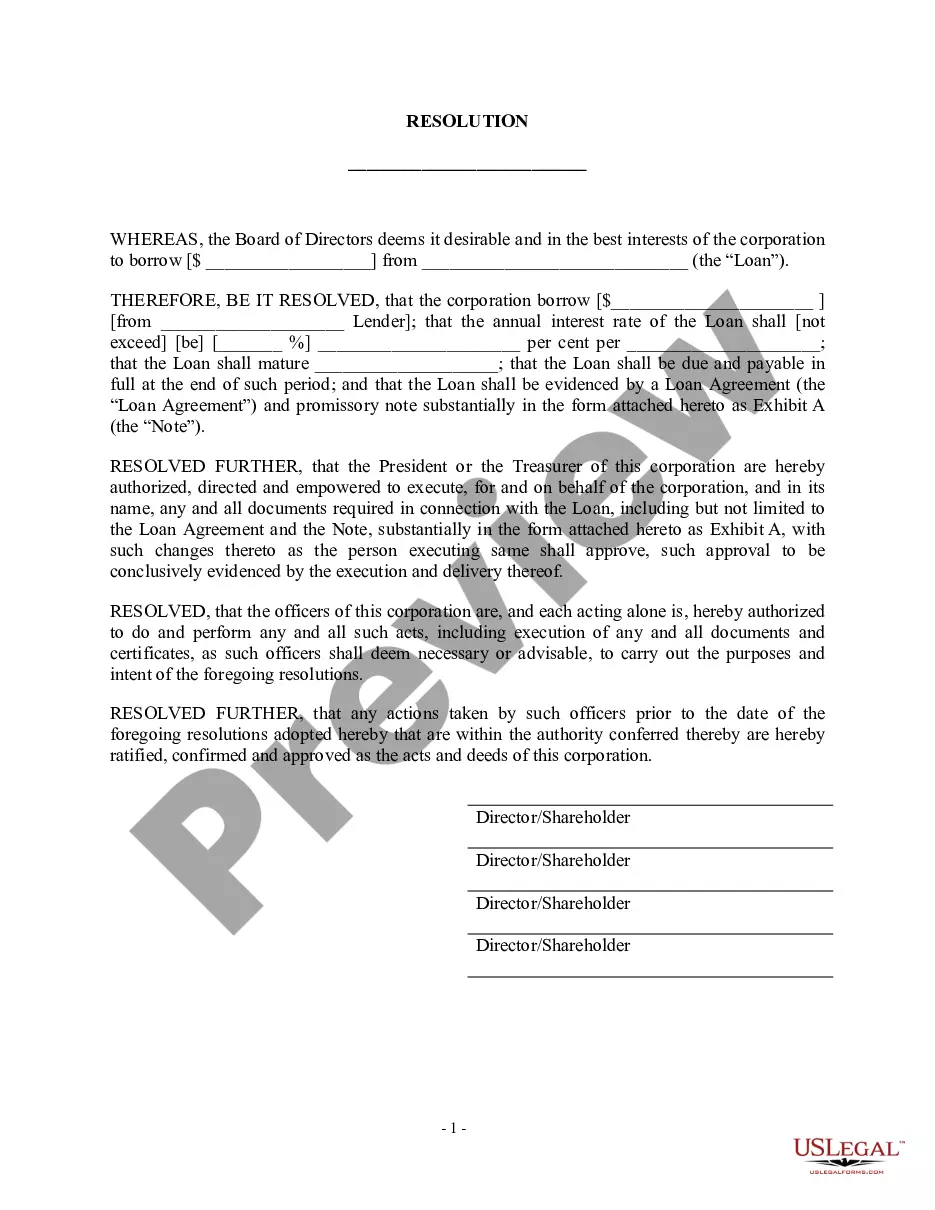
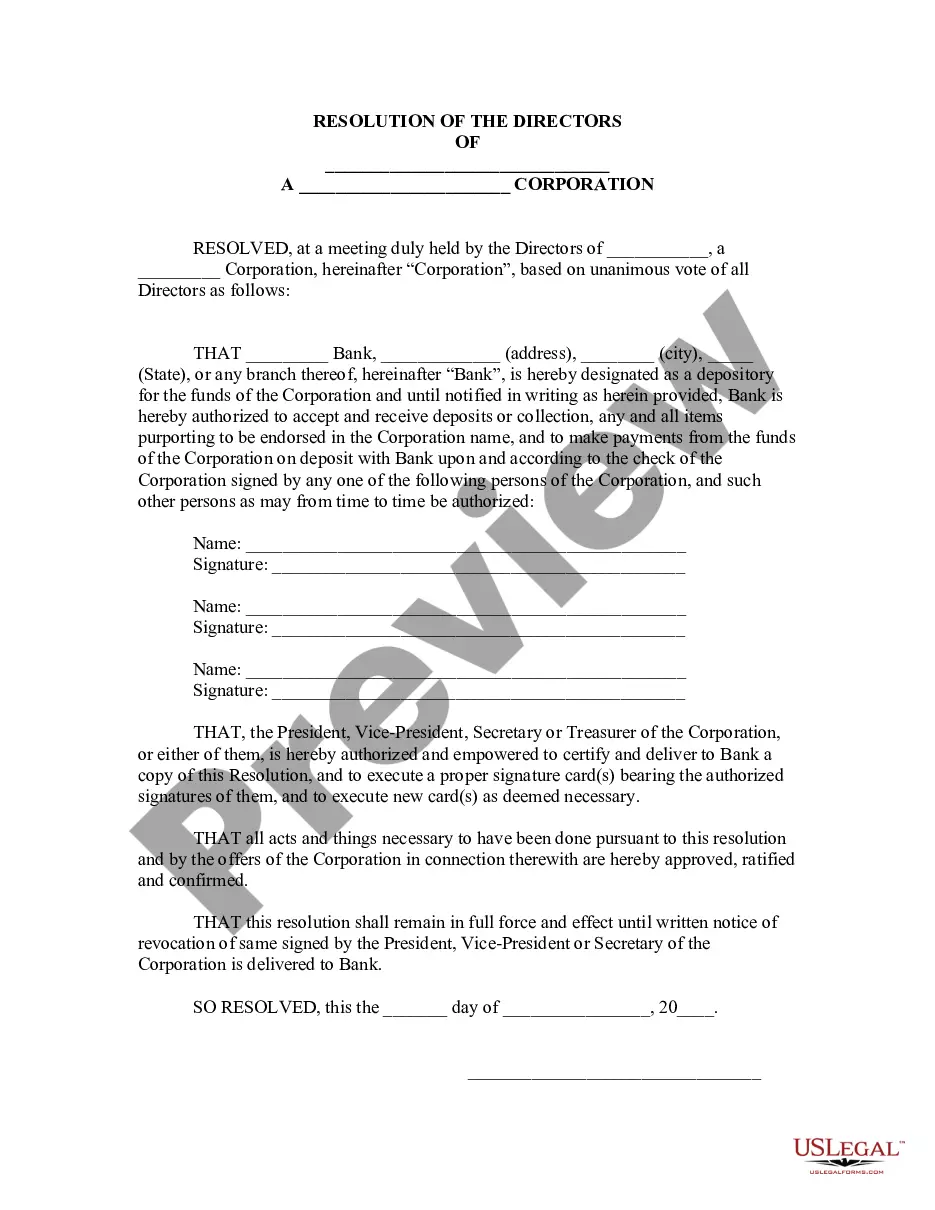
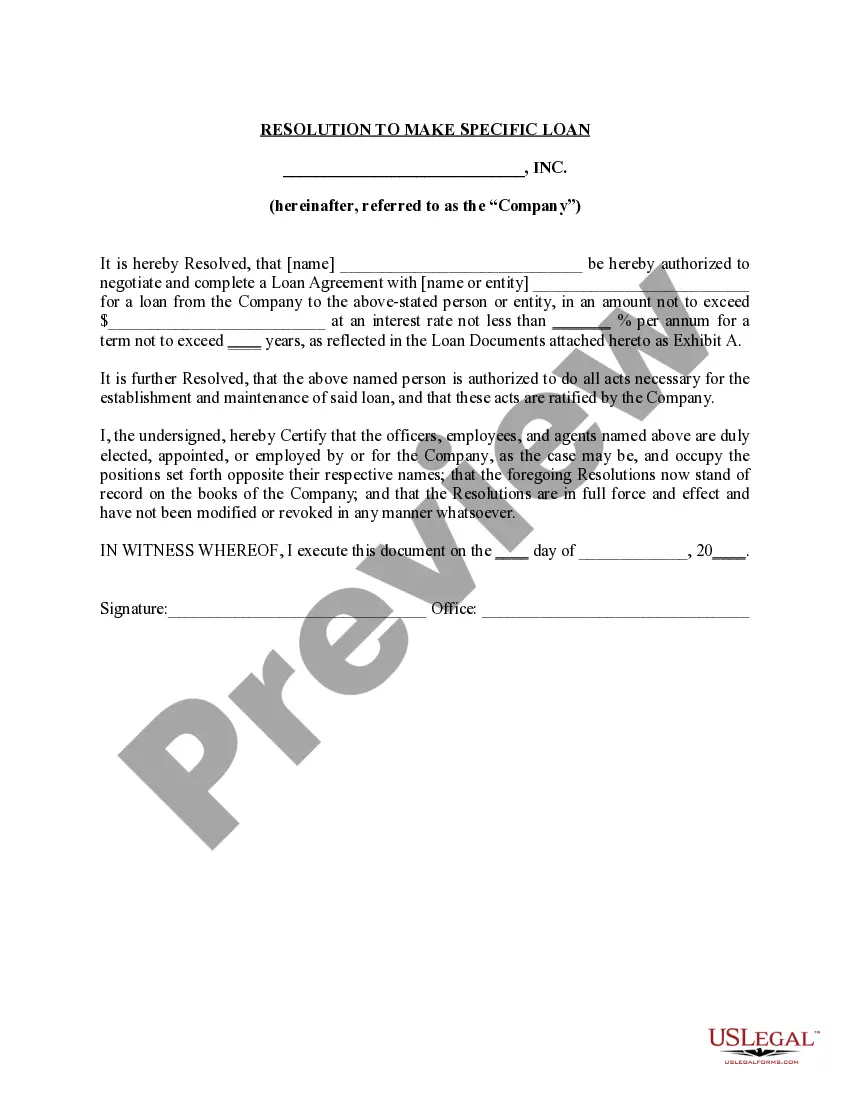
Get your form ready online
Our built-in tools help you complete, sign, share, and store your documents in one place.
Make edits, fill in missing information, and update formatting in US Legal Forms—just like you would in MS Word.
Download a copy, print it, send it by email, or mail it via USPS—whatever works best for your next step.
Sign and collect signatures with our SignNow integration. Send to multiple recipients, set reminders, and more. Go Premium to unlock E-Sign.
If this form requires notarization, complete it online through a secure video call—no need to meet a notary in person or wait for an appointment.
We protect your documents and personal data by following strict security and privacy standards.

Make edits, fill in missing information, and update formatting in US Legal Forms—just like you would in MS Word.

Download a copy, print it, send it by email, or mail it via USPS—whatever works best for your next step.

Sign and collect signatures with our SignNow integration. Send to multiple recipients, set reminders, and more. Go Premium to unlock E-Sign.

If this form requires notarization, complete it online through a secure video call—no need to meet a notary in person or wait for an appointment.

We protect your documents and personal data by following strict security and privacy standards.
Looking for another form?









Form popularity
FAQ
Ohio law does not differentiate between commercial and residential Realtors. They carry the exact same license, but that is where the similarities end. Like Venus and Mars, black and white, fast and slow, there are stark differences in the skill sets needed to successfully represent clients in either arena.
Many of the issues confronting industry stakeholders in the new year are interrelated. High Financing Costs. Massive Commercial Real Estate Debt. High Cap Rates. Soaring Insurance Costs. Increasingly Unaffordable Housing. Rise in Artificial Intelligence. Impact of Extreme Weather. Lingering Office Vacancies.
When a brokerage and its agents become “dual agents,” they must maintain a neutral position between the buyer and the seller. They may not advocate the position of one client over the best interests of the other client, or disclose any personal or confidential information to the other party without written consent.
While it is indeed a broad term, to put it simply, commercial real estate is every single property short of a single-family residential home. If it's not a single-family detached residential home, condo, or town-home — you can place a safe bet on the fact that it's commercial.
Steps to selling commercial property Set your goals and objectives. It's important to set out what you want your end result to be. Communicate with your buyer. Communication is key during selling negotiations. Liaise with solicitors. Due diligence. Negotiations. Exchange contracts. Handover to new buyer (Completion)
Find the state agency, board, or commission that issues certain types of professional licenses and permits. Businesses are required to register with the Ohio Secretary of State to legally conduct business in the state — this is commonly called a business license.
Typically, the tenant pays the equivalent of one month's rent to the landlord when signing a lease. This covers any incidental costs, damages or missed rent payments in the event of a lease default.
Each lender has its own method for analyzing a borrower's creditworthiness. Most lenders use the five Cs—character, capacity, capital, collateral, and conditions—when analyzing individual or business credit applications.
