Sample Email To Client After Meeting In San Jose
Description
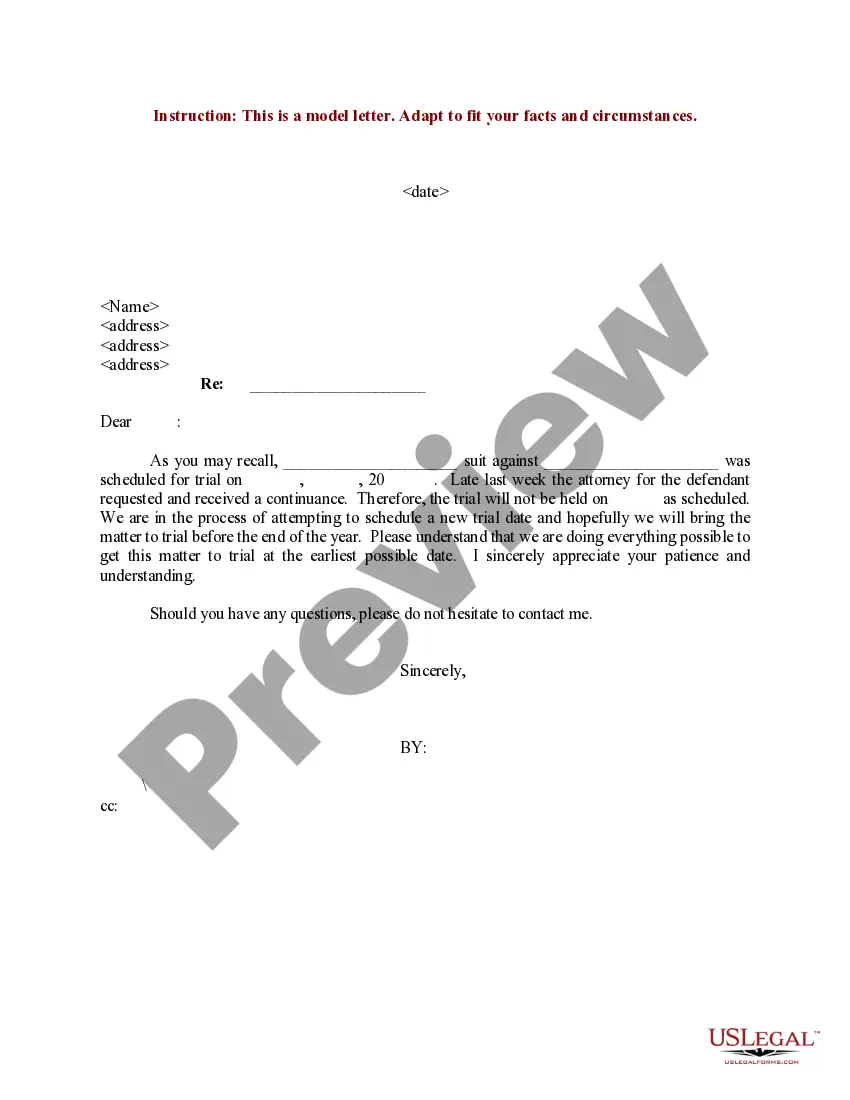
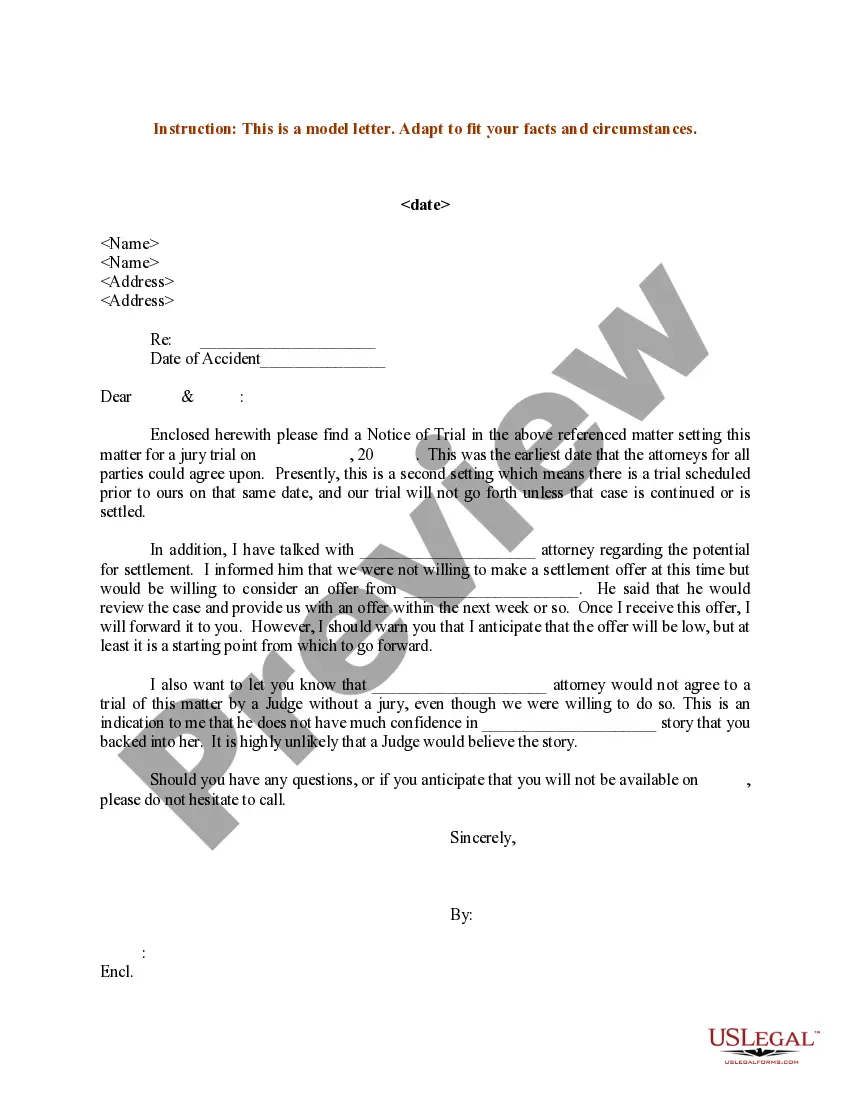
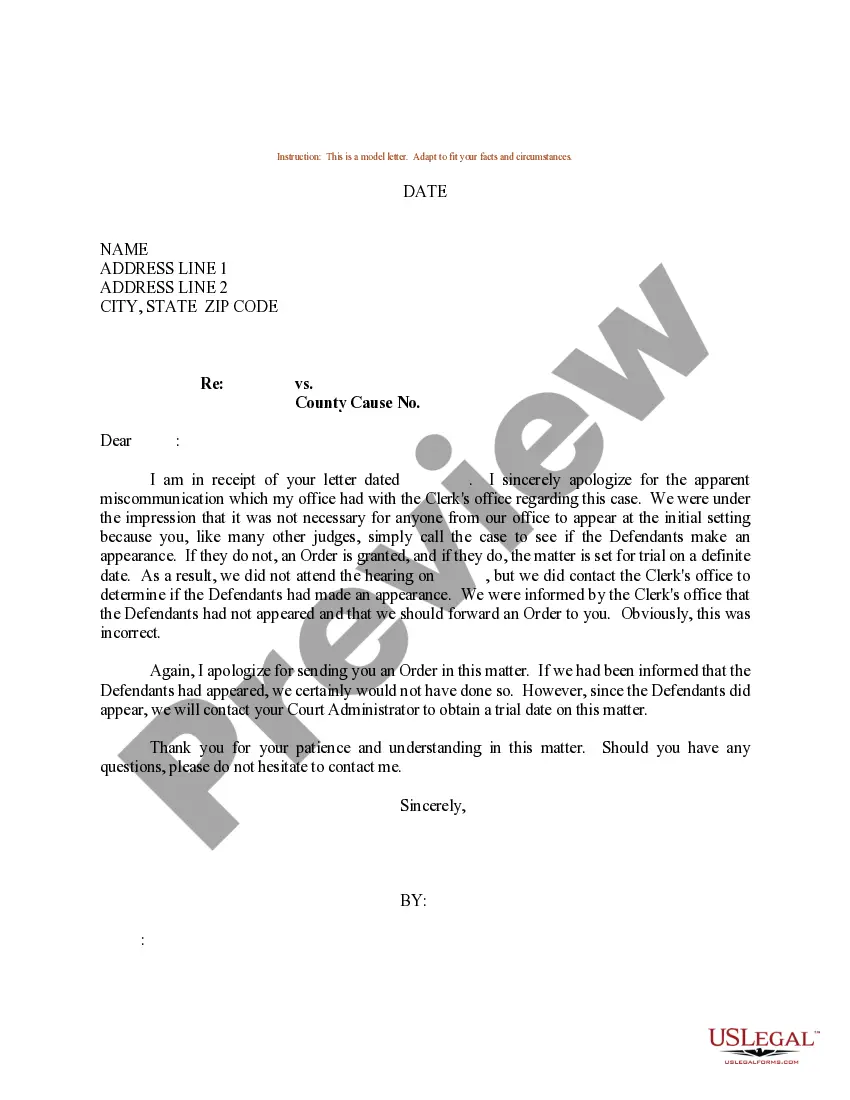
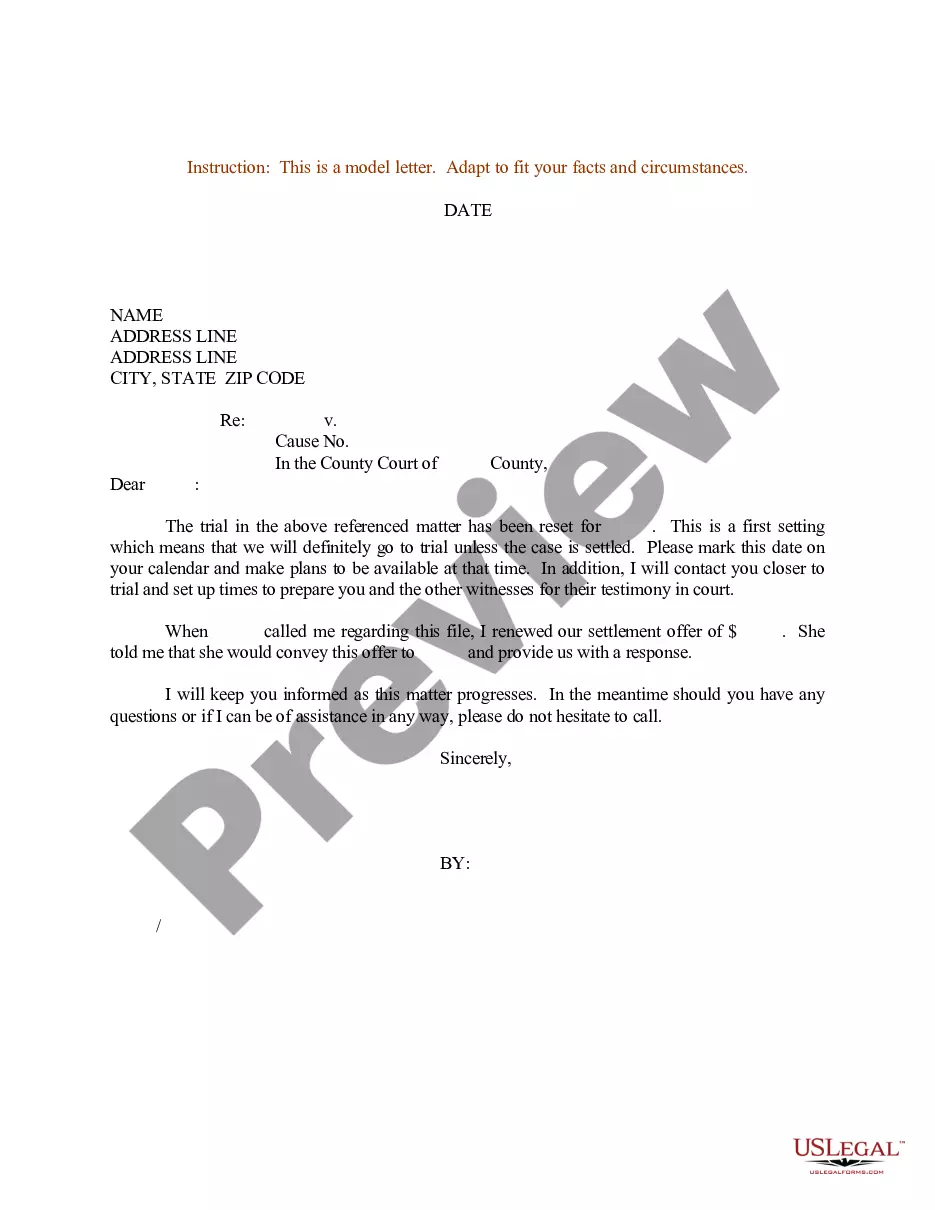
Get your form ready online
Our built-in tools help you complete, sign, share, and store your documents in one place.
Make edits, fill in missing information, and update formatting in US Legal Forms—just like you would in MS Word.
Download a copy, print it, send it by email, or mail it via USPS—whatever works best for your next step.
Sign and collect signatures with our SignNow integration. Send to multiple recipients, set reminders, and more. Go Premium to unlock E-Sign.
If this form requires notarization, complete it online through a secure video call—no need to meet a notary in person or wait for an appointment.
We protect your documents and personal data by following strict security and privacy standards.

Make edits, fill in missing information, and update formatting in US Legal Forms—just like you would in MS Word.

Download a copy, print it, send it by email, or mail it via USPS—whatever works best for your next step.

Sign and collect signatures with our SignNow integration. Send to multiple recipients, set reminders, and more. Go Premium to unlock E-Sign.

If this form requires notarization, complete it online through a secure video call—no need to meet a notary in person or wait for an appointment.

We protect your documents and personal data by following strict security and privacy standards.
Looking for another form?







Form popularity
FAQ
Compose a new draft message that will say all the generic things you want to say to everyone you met. Stuff along the lines of ``it was great to meet you at Conference X'' and a reminder about who you were in case they forgot should go in here. Instead of sending it, use the Canned Responses lab to save it for later.
How to write a meeting follow-up email Show appreciation. Recap the meeting. Summarize key decisions. Add next steps. Include the next meeting date.
How to write a meeting follow-up email Show appreciation. Recap the meeting. Summarize key decisions. Add next steps. Include the next meeting date.
2.1 1. Check When You Sent the Initial Email. 2.2 2. Keep the Follow-Up Under the Same Thread. 2.3 3. Write a Short Subject Line. 2.4 4. Start with a Warm & Personalized Greeting. 2.5 5. Remind Them of Your Previous Interaction. 2.6 6. Mention the Clear Purpose. 2.7 7. Show How You Can Provide Value. 2.8 8.
Professional email characteristics A professional tone. An appropriate greeting. A clear and direct subject line. A concise message that states its purpose. An appropriate closing that explains what action should be taken. A sign-off.
Tips for Writing Effective Post-Event Follow-Up Emails Start with Gratitude. Be Specific and Reference the Event. Highlight Key Points and Insights. Provide Value or Additional Resources. Set Clear Expectations for Next Steps. Use a Professional and Friendly Tone. Proofread and Edit Before Sending.
Here's what you can include in your meeting recap: Meeting details. People/departments involved. Updates. Decisions. Action items/key discussion points/important details discussed. Deadlines. Next steps. Ideas set aside for future reference.
Text or Email: If you had previously communicated via text or email, this might be the best option. Social Media: If you're connected on platforms like Facebook or LinkedIn, a message there can feel more casual. Phone Call: If you feel comfortable, a phone call can be more personal.
Here's a proven 'sandwich' on how to write a follow-up email after meeting someone: Greeting; Quick reference to where you've met / what you've discussed; Purpose of the email/value or ideas proposed; Call to action; Thanks for your time + Sign off (preferably with an email signature).

