Sample Email To Client For New Business In Palm Beach
Description
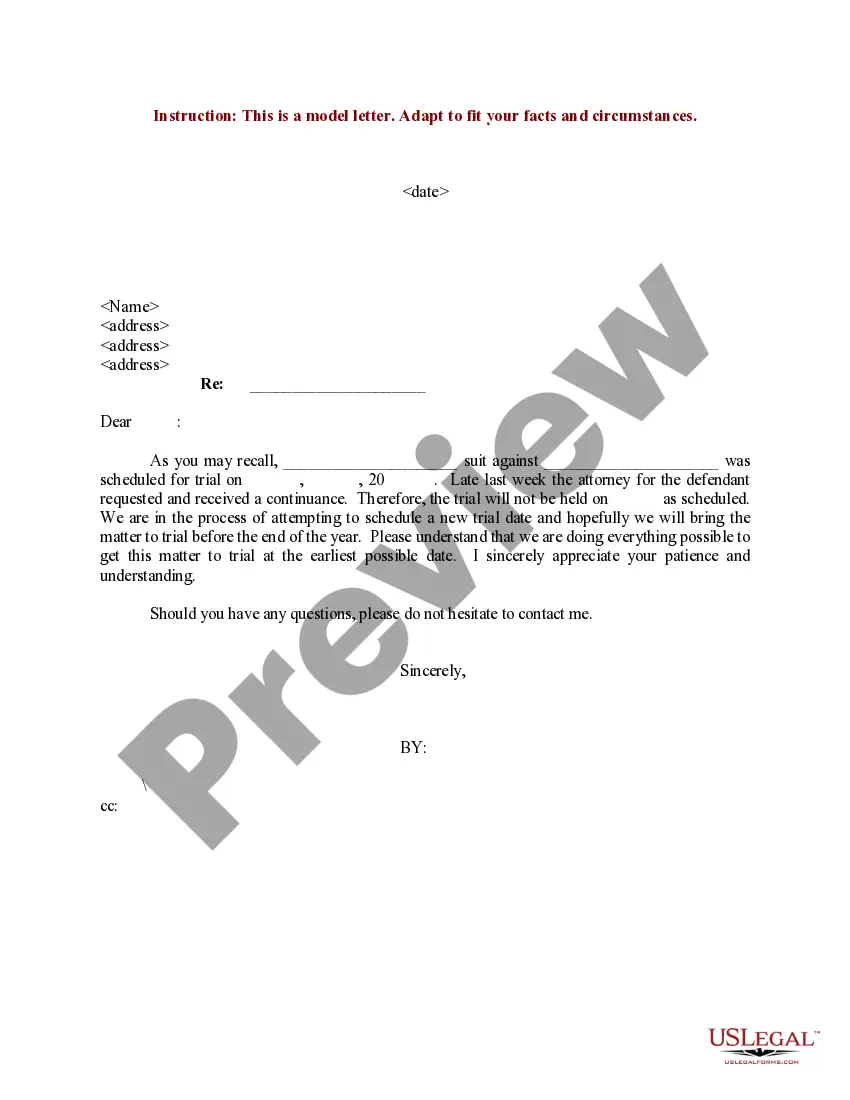
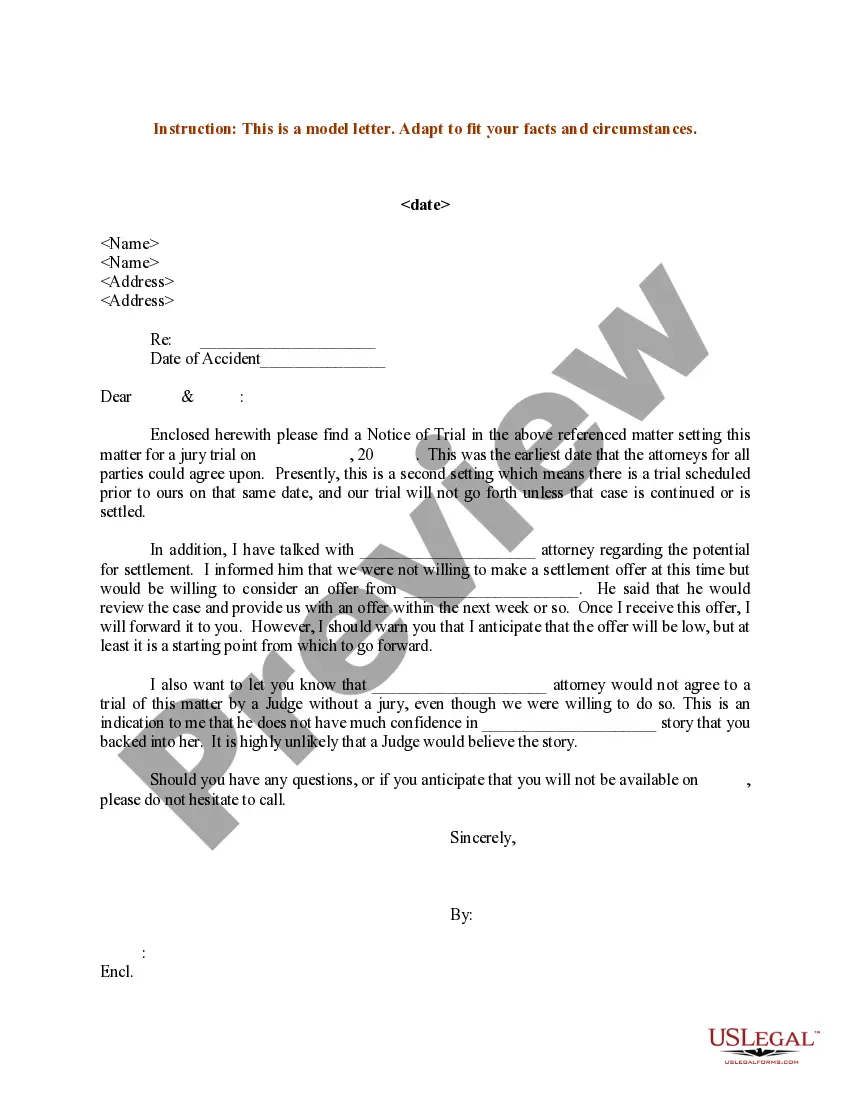
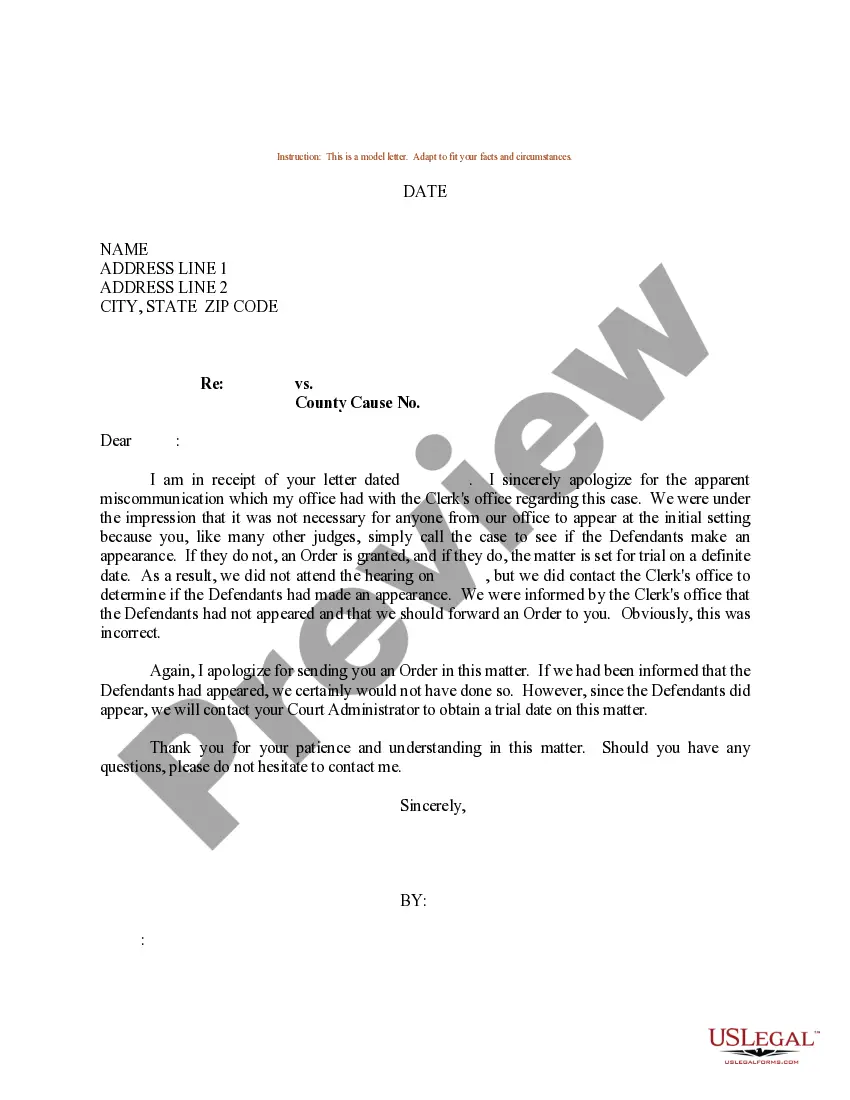
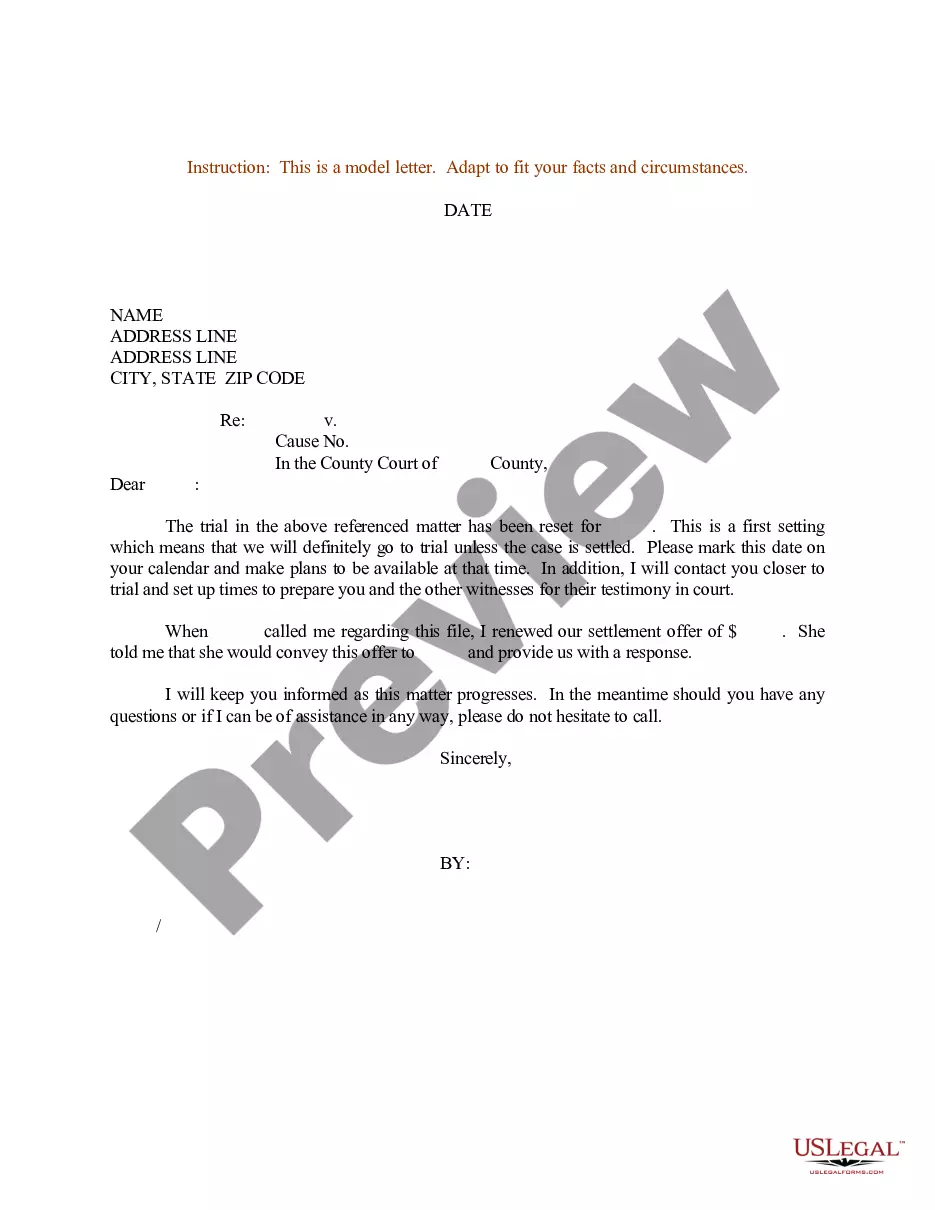
Get your form ready online
Our built-in tools help you complete, sign, share, and store your documents in one place.
Make edits, fill in missing information, and update formatting in US Legal Forms—just like you would in MS Word.
Download a copy, print it, send it by email, or mail it via USPS—whatever works best for your next step.
Sign and collect signatures with our SignNow integration. Send to multiple recipients, set reminders, and more. Go Premium to unlock E-Sign.
If this form requires notarization, complete it online through a secure video call—no need to meet a notary in person or wait for an appointment.
We protect your documents and personal data by following strict security and privacy standards.

Make edits, fill in missing information, and update formatting in US Legal Forms—just like you would in MS Word.

Download a copy, print it, send it by email, or mail it via USPS—whatever works best for your next step.

Sign and collect signatures with our SignNow integration. Send to multiple recipients, set reminders, and more. Go Premium to unlock E-Sign.

If this form requires notarization, complete it online through a secure video call—no need to meet a notary in person or wait for an appointment.

We protect your documents and personal data by following strict security and privacy standards.
Looking for another form?





Form popularity
FAQ
Use a professional email address. Add a concise, informative subject line. Greet the recipient with a proper salutation. Write the body of your email. End emails with a sign-off and signature. Proofread your email. Check your recipient fields. Schedule your email and send.
Start with a Personal Touch: Address the recipient by name and mention something specific about their business. For example, “Hi Name, I noticed your company Company Name is growing rapidly in Industry.” Explain Your Purpose: Briefly explain why you are reaching out.
How to Write A Sample Email to Client (For New Business) Start with a Personal Connection. Use a Compelling Subject Line. Clearly State Your Value Proposition. Keep the Email Short and Focused. Show Social Proof or Credibility. End with a Clear Call-to-Action (CTA) Follow-Up with Consistency.
Introduce yourself in the first sentence, and then let the businessperson know the reason for the email. Briefly address an inquiry, question or feedback. Use the second paragraph to state details or ask specific questions. Be direct.
Personalize the email: Address the recipient by name and mention any relevant details about their company or position. State the purpose of the email: Clearly and concisely explain why you're reaching out. Demonstrate value: Show how your product or service can solve a problem or improve the recipient's business.
How do you write an email asking for more work? Be concise: Often with email requests, the shorter the better. Make it a new email: It is recommended to let your clients know why you are emailing as early as possible. Be clear. Try to stay light. Be clear. Show a track record. Show samples. Be sure to ask:
Greeting email to a client - sample I hope this message finds you well. My name is Your Name, and I am delighted to extend a warm greeting as a representative from Your Company. I wanted to take this opportunity to introduce myself and express our appreciation for the opportunity to work with you.
Start with a clear and concise subject line that grabs attention and sets the right expectations. A personalized greeting, using the customer's name, adds a warm touch and makes the email feel more personal. Follow this with a brief introduction to your company or product, highlighting its unique value proposition.
How To Approach A Client For The First Time Via Email? A strong and personalized subject line. No two clients are the same. Start with a strong hook. Introduce yourself. Relevant pitch or sales proposal that pushes your ultimate value proposition. End with a click-worthy CTA.
