Sample Letter To Customer For Business In Maricopa
Description

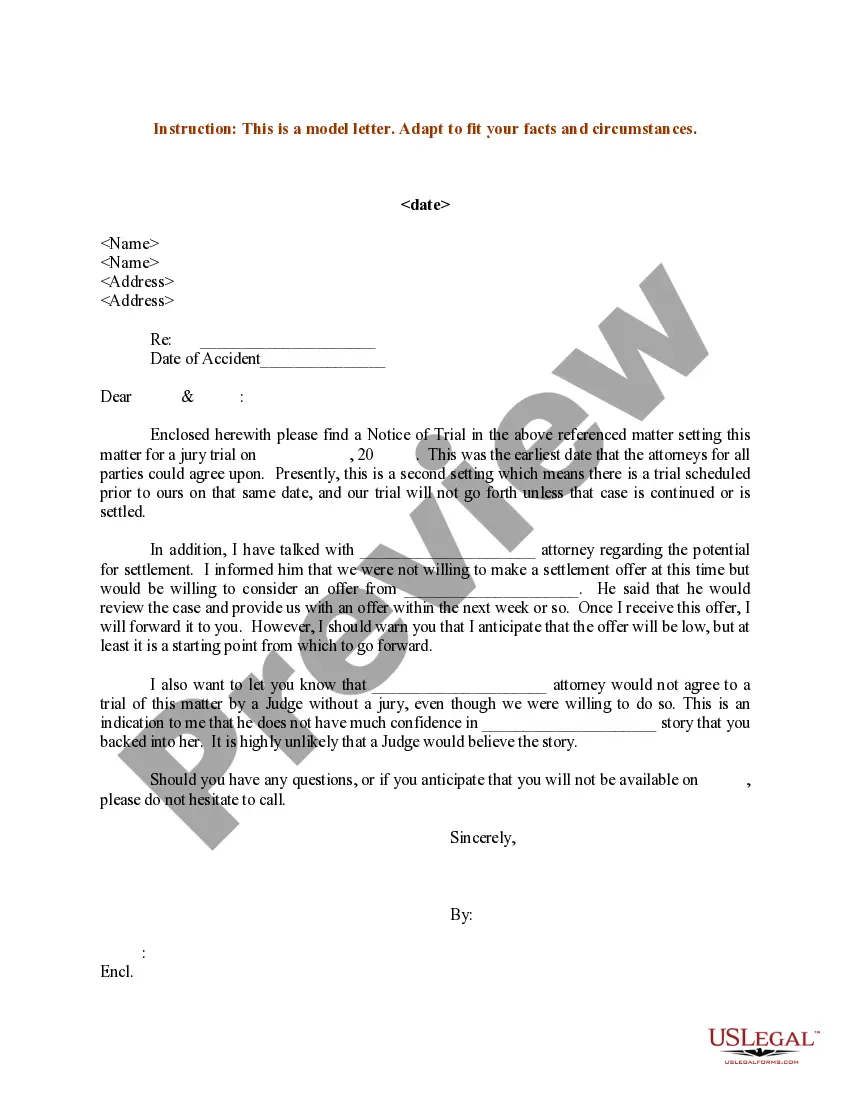
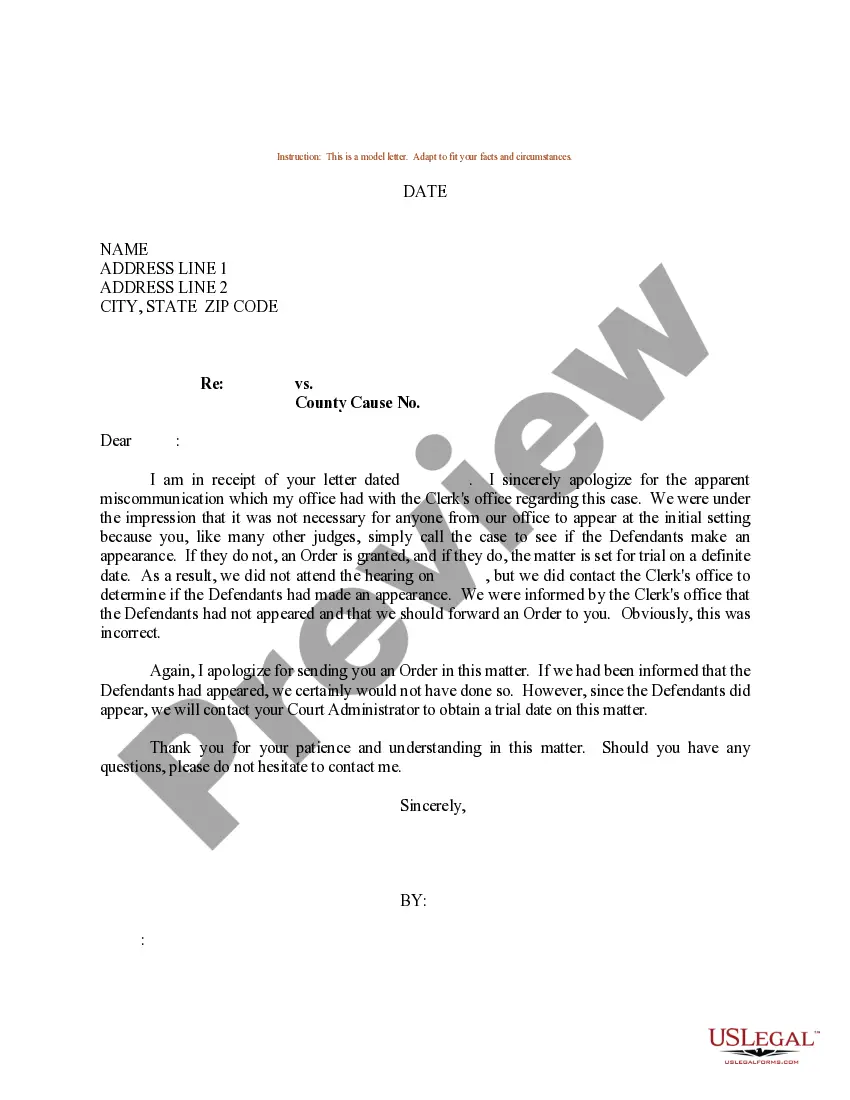
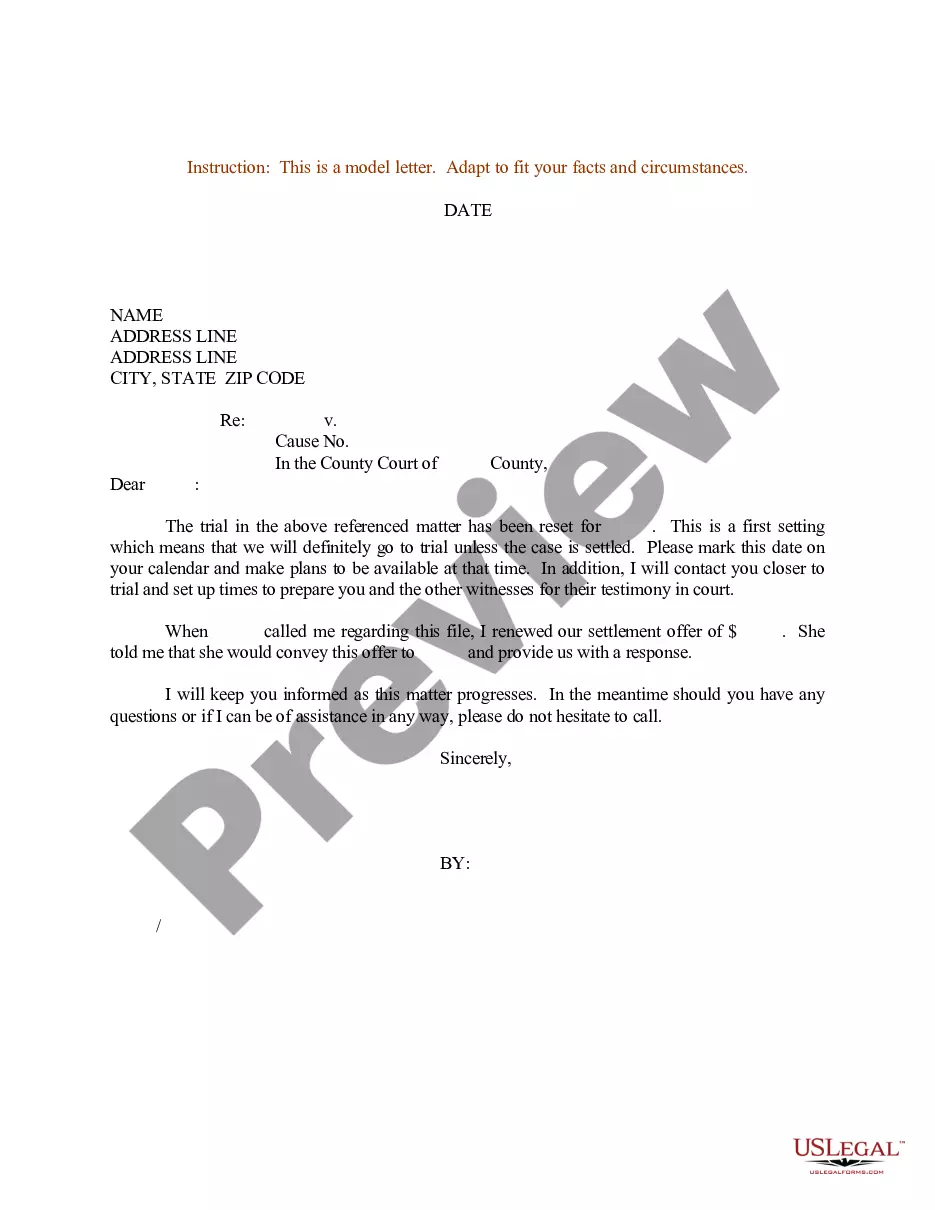
Get your form ready online
Our built-in tools help you complete, sign, share, and store your documents in one place.
Make edits, fill in missing information, and update formatting in US Legal Forms—just like you would in MS Word.
Download a copy, print it, send it by email, or mail it via USPS—whatever works best for your next step.
Sign and collect signatures with our SignNow integration. Send to multiple recipients, set reminders, and more. Go Premium to unlock E-Sign.
If this form requires notarization, complete it online through a secure video call—no need to meet a notary in person or wait for an appointment.
We protect your documents and personal data by following strict security and privacy standards.

Make edits, fill in missing information, and update formatting in US Legal Forms—just like you would in MS Word.

Download a copy, print it, send it by email, or mail it via USPS—whatever works best for your next step.

Sign and collect signatures with our SignNow integration. Send to multiple recipients, set reminders, and more. Go Premium to unlock E-Sign.

If this form requires notarization, complete it online through a secure video call—no need to meet a notary in person or wait for an appointment.

We protect your documents and personal data by following strict security and privacy standards.
Looking for another form?




Form popularity
FAQ
Elements: full mailing address of the sender. date on which letter is written. address of person to whom letter is addressed. subject line. salutation. body (the main message) complimentary closing. signature line (be sure to sign your letter)
Format of a Formal Letter Sender's address: This should be your full name and address, including your city, state, and zip code. Date: The date should be written in the following format: month day, year. Recipient's address: This is the full name and address of the person you are writing to.
Maricopa County does not issue or require a General Business license for unincorporated areas of the County. If you are located in an incorporated city or town, check with your municipality. For more information, the Arizona Department of Revenue provides a Licensing Guide for obtaining business licenses in Arizona.
Write to the department or team responsible for the matter you're writing about if you know it. Here are some examples: “Dear Human Resources Department,” “Dear Customer Service Team,”
Follow these steps for how to write a letter to clients and customers: Determine the audience. Write the date and address. Include a salutation. State the purpose of your letter. Refer to previous communication if necessary. Offer help or make a request. Conclude the letter.
Most business letters must include a return address (letterhead or your name and address), date, an inside address (receiver's name and address), a salutation, body paragraphs, and a closing.
Here are some of the most common types of business letters and when to use them: Cover letters. Letters of recommendation. Interview follow-up letters. Offer letters. Sales letters. Letters of commendation. Letters of resignation. Thank you letters.
If you have a new product or offer, you can use e-mail to send out newsletters and/or personalized messages. In addition, your customers can use e-mail to get in touch with you about everything from complaints to new orders. It's an essential component of any business communications platform.
Elements of a Standard Business Letter Return Address: Your address (or the address of the company you represent). Date: Leave two blank lines after the return address. Inside Address: Leave two blank lines after the date. Salutation: Type Dear, followed by the person's name. Body: Align your message on the left margin.
The first paragraph of a business letter should state the letter's purpose. While a first sentence may establish goodwill – e.g., “I hope this letter finds you well” – you should arrive quickly at the reason you're writing. Don't be impolite but do be concise and professional in tone.

