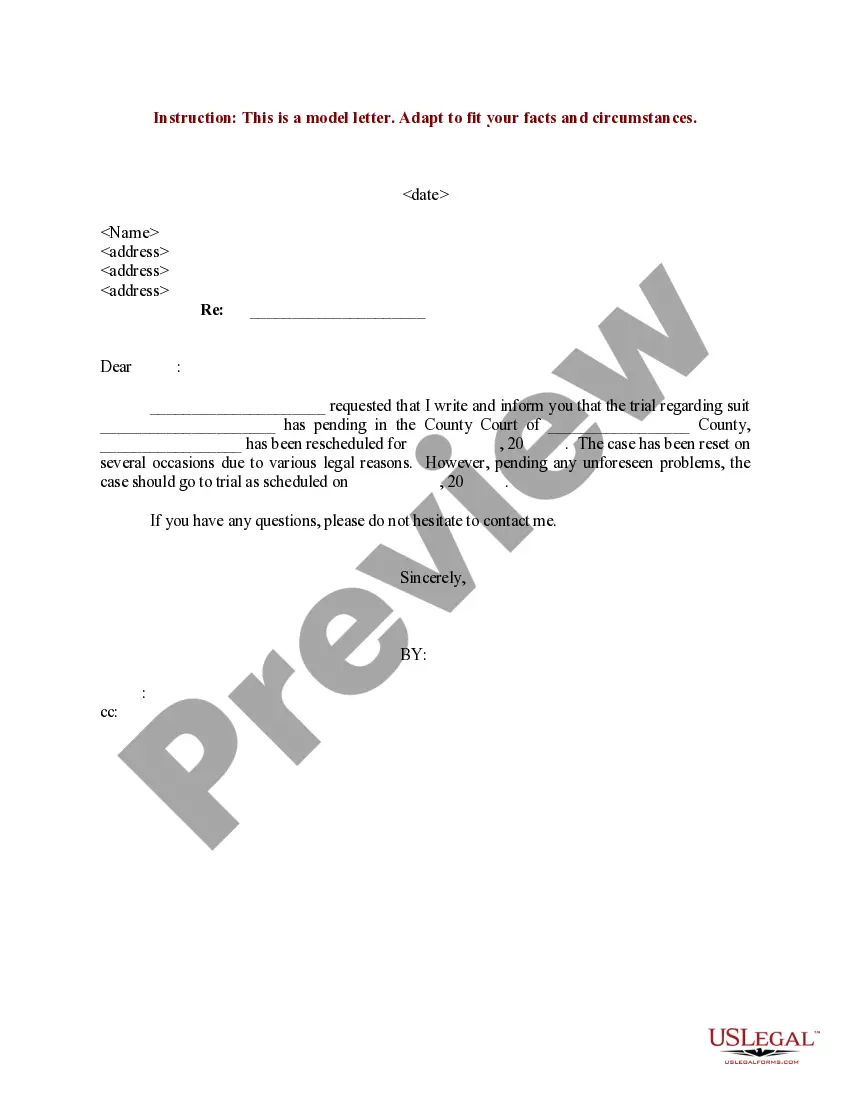
Sample Attorney Withdrawal Letter To Client In Clark
Description
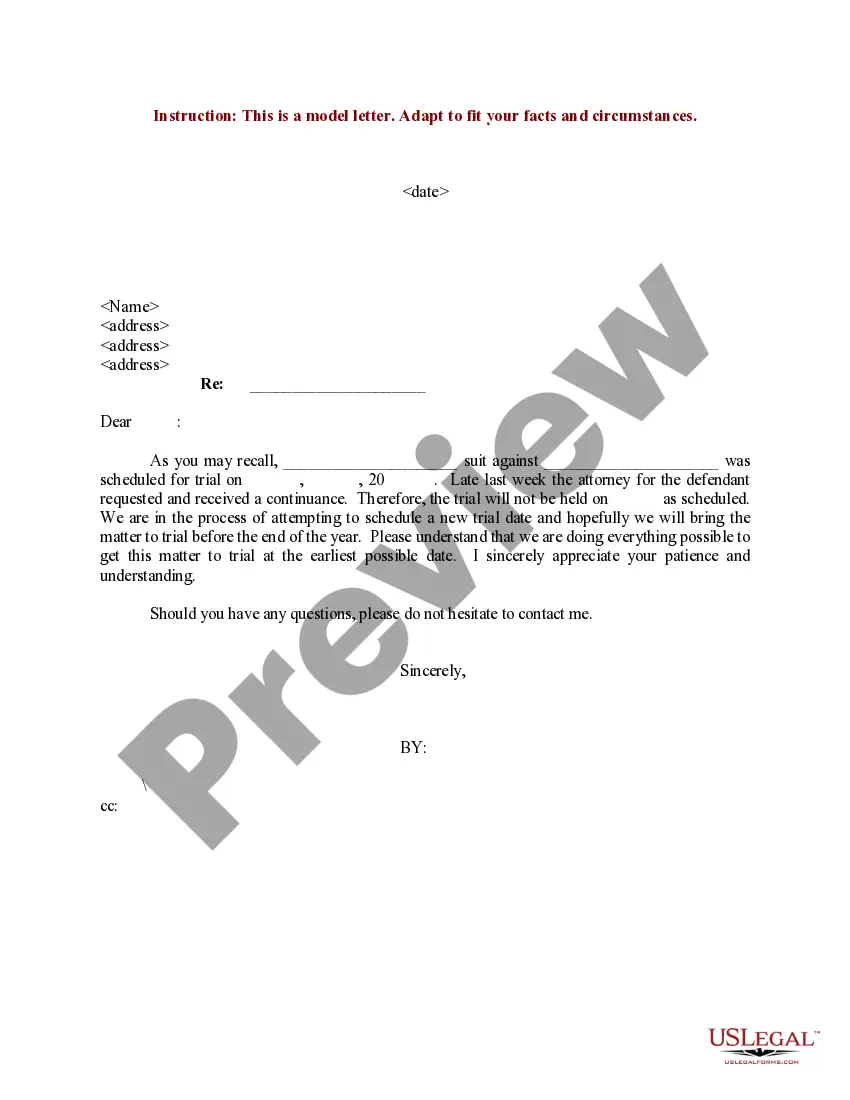
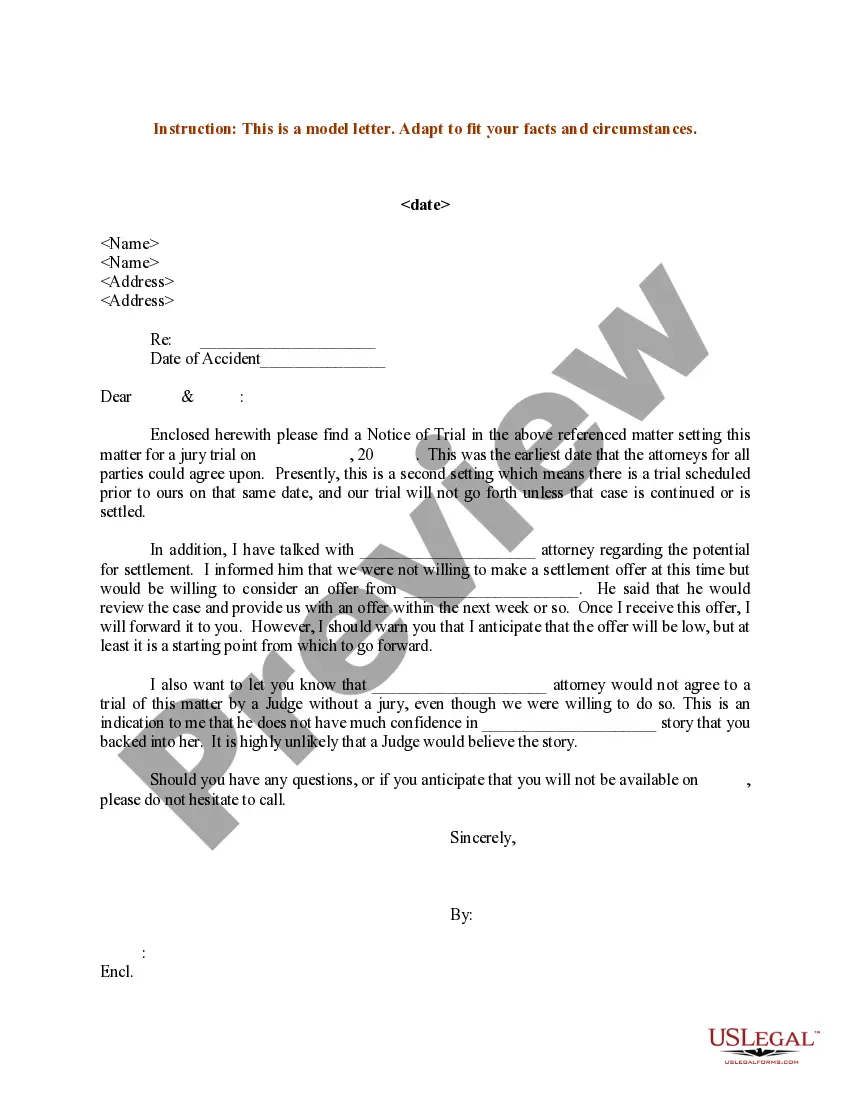
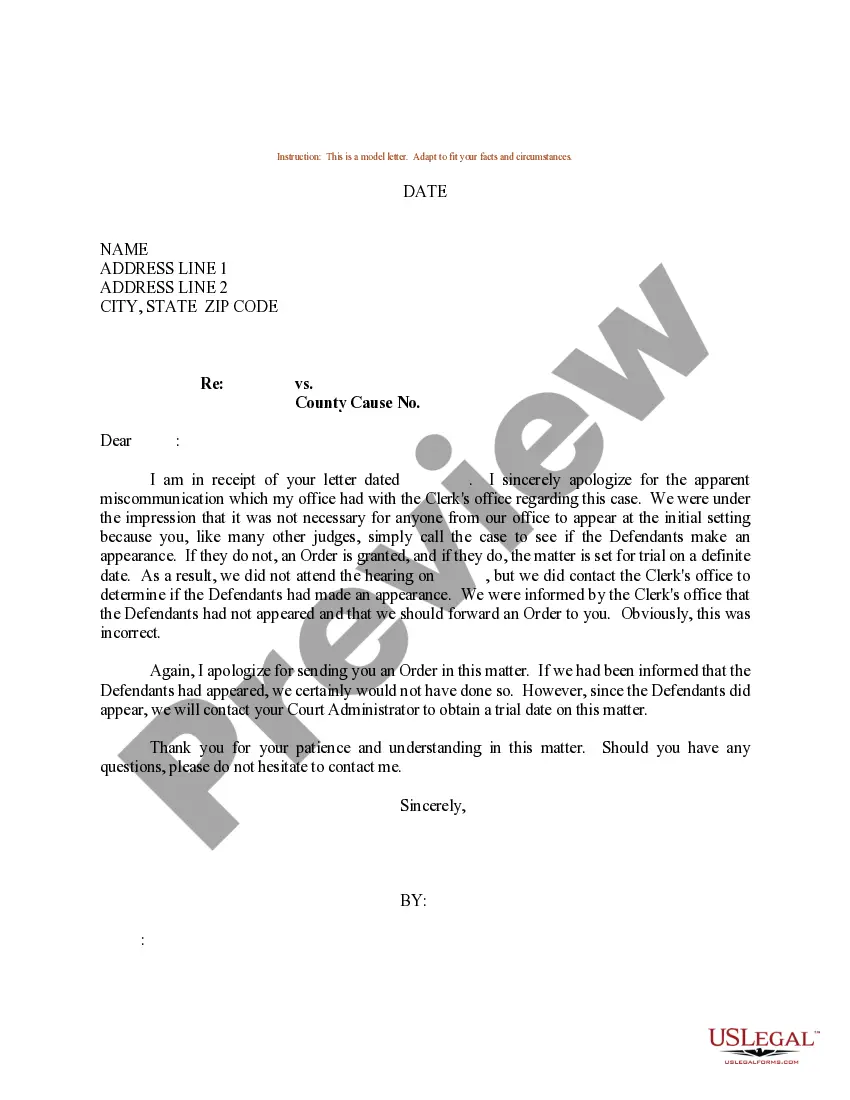
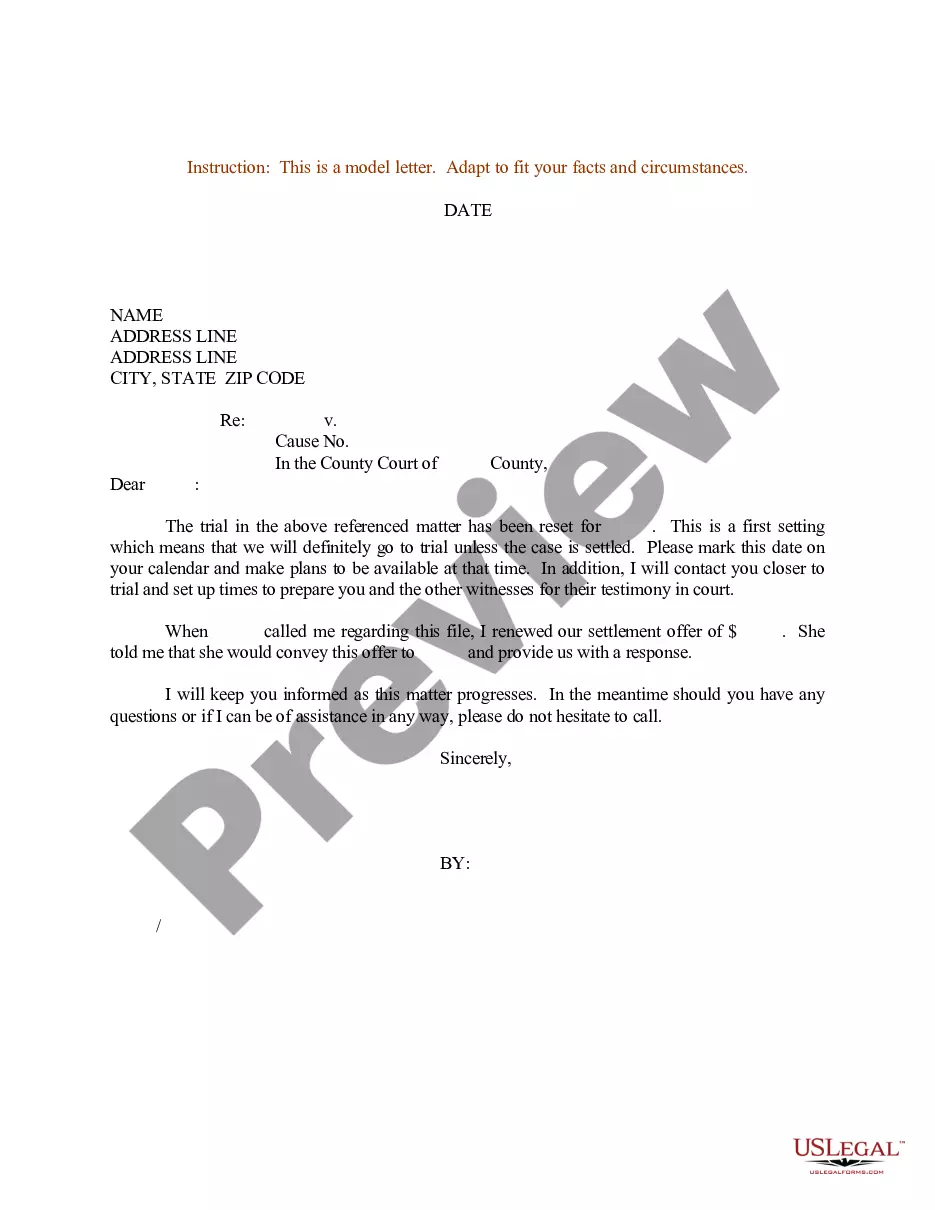
Get your form ready online
Our built-in tools help you complete, sign, share, and store your documents in one place.
Make edits, fill in missing information, and update formatting in US Legal Forms—just like you would in MS Word.
Download a copy, print it, send it by email, or mail it via USPS—whatever works best for your next step.
Sign and collect signatures with our SignNow integration. Send to multiple recipients, set reminders, and more. Go Premium to unlock E-Sign.
If this form requires notarization, complete it online through a secure video call—no need to meet a notary in person or wait for an appointment.
We protect your documents and personal data by following strict security and privacy standards.

Make edits, fill in missing information, and update formatting in US Legal Forms—just like you would in MS Word.

Download a copy, print it, send it by email, or mail it via USPS—whatever works best for your next step.

Sign and collect signatures with our SignNow integration. Send to multiple recipients, set reminders, and more. Go Premium to unlock E-Sign.

If this form requires notarization, complete it online through a secure video call—no need to meet a notary in person or wait for an appointment.

We protect your documents and personal data by following strict security and privacy standards.
Looking for another form?





Form popularity
FAQ
What to include in a closing letter to clients Specifics about the case and its status. A final billing and payment statement. The date. The reason for the end of representation. The status of any client documents. Next steps. A feedback request. A note of appreciation.
The closing should summarize the points of the case. Mention your theme at the start, then what you have to prove and by what standard of proof (beyond a reasonable doubt presumably here), then mention how you've proven it (by the evidence that came out at trial), then mention your theme again.
Even if the matter is not pending before a tribunal, the ethics rules of most states provide that a lawyer cannot withdraw until he or she has taken reasonable steps to avoid foreseeable prejudice to the rights of his client, such as giving notice to the client, allowing time for employment of other counsel, delivering ...
One of the teaching points is to end correspondence with “Yours sincerely” or a similar phrase when writing to someone by name. “Yours sincerely”, “Sincerely yours” and “Sincerely” are all possible. “Yours sincerely” is the most common. “Sincerely” is one often used by lawyers.
Use 'Yours sincerely,' when writing to a named person. Use 'Yours faithfully,' when using the 'Dear Sir/Madam' greeting. Use the semi-formal 'Best regards,' or 'Kind regards,' if you wish the tone to be slightly less formal.
Be heartfelt and share your raw emotions. You don't necessarily need to forgive your ex, but you do owe it to yourself to be honest about your feelings to help you actually move on. "Express what you wanted and needed and did not get. Say goodbye.
A disengagement letter is especially critical when a lawyer decides not to continue past a specific stage in a case. The lawyer should send a disengagement letter to establish that the relationship is no longer continuing, and to refer the client to another lawyer.
Start by expressing appreciation for the client's partnership. Clearly communicate the reasons for the termination without assigning blame. Listen actively and empathetically to their responses. Be prepared to answer questions and offer assistance with the transition.
In the course of representation of a client, an attorney may be required or permitted to withdraw from representation of the client in situations such as where a client demands that the lawyer engage in conduct that is illegal or violates applicable rules of professional conduct, the client discharges the lawyer, or ...
Noun. 1. : a letter mailed at a post office not having carrier service and addressed locally to someone who is to call for it at the same office.