Wholesale Agreement Template For House In Wayne
Description

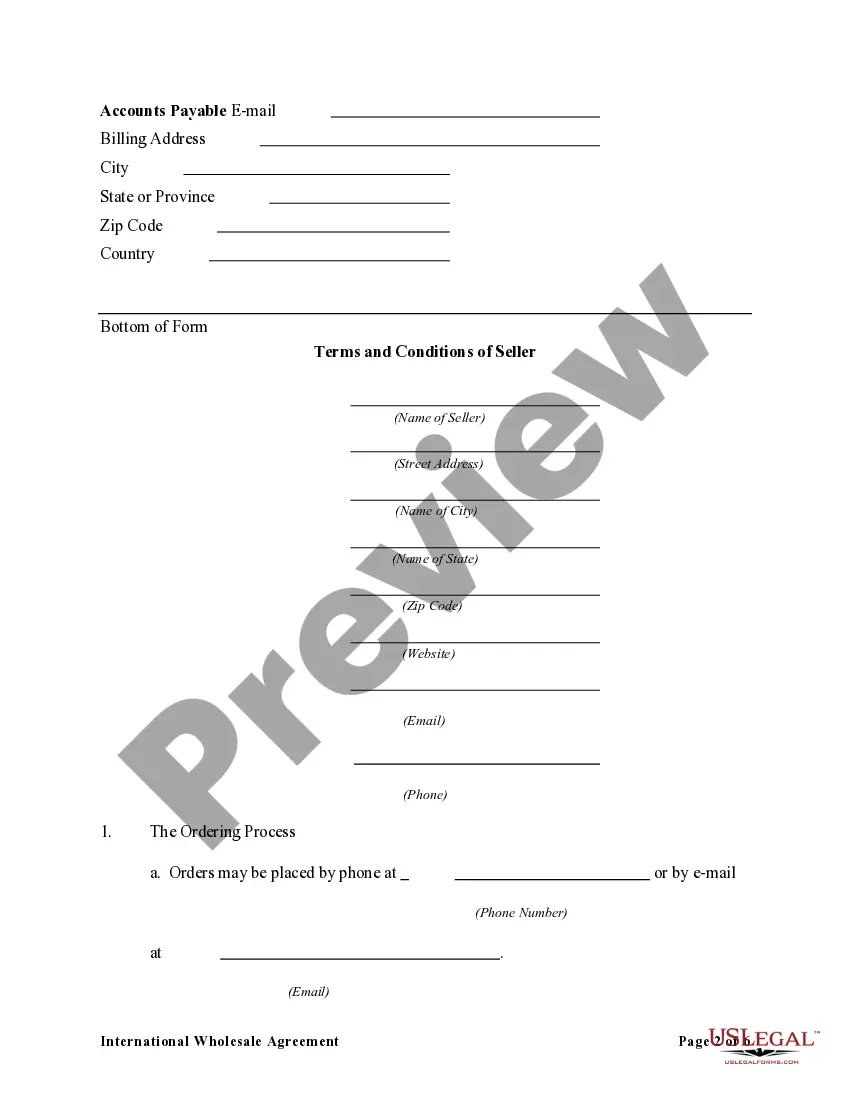
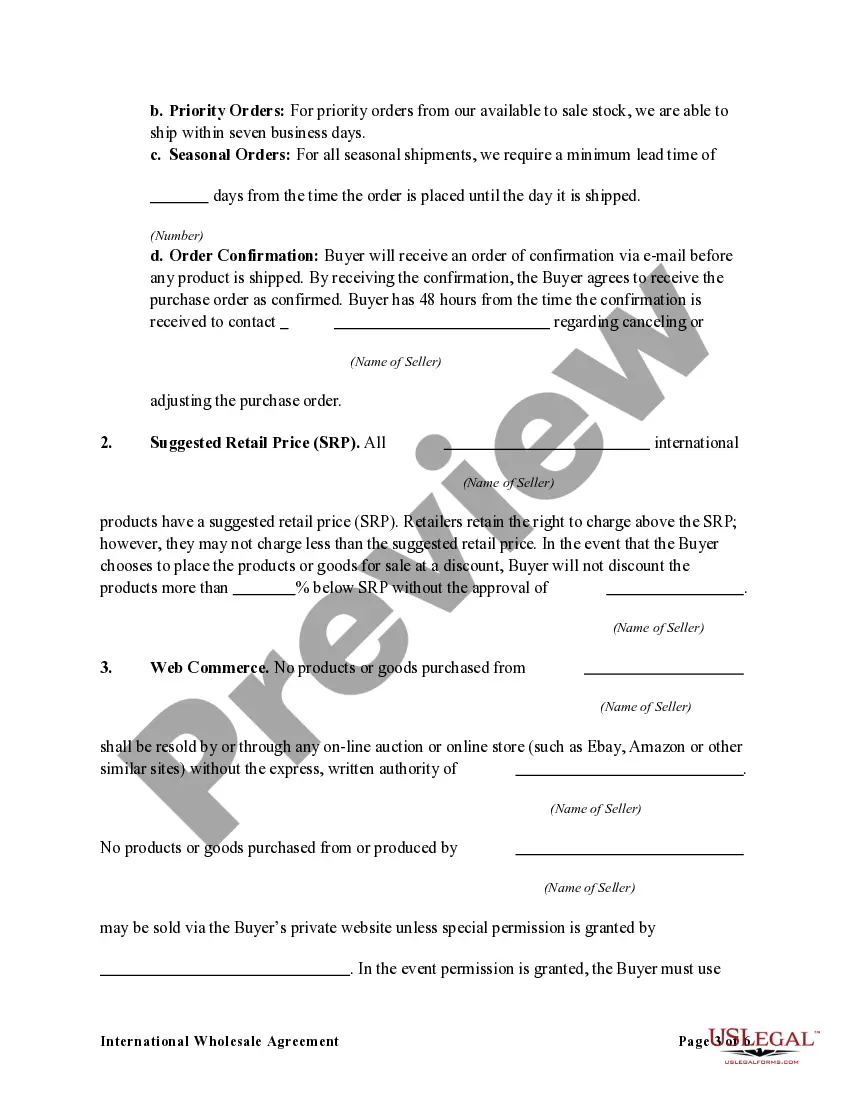
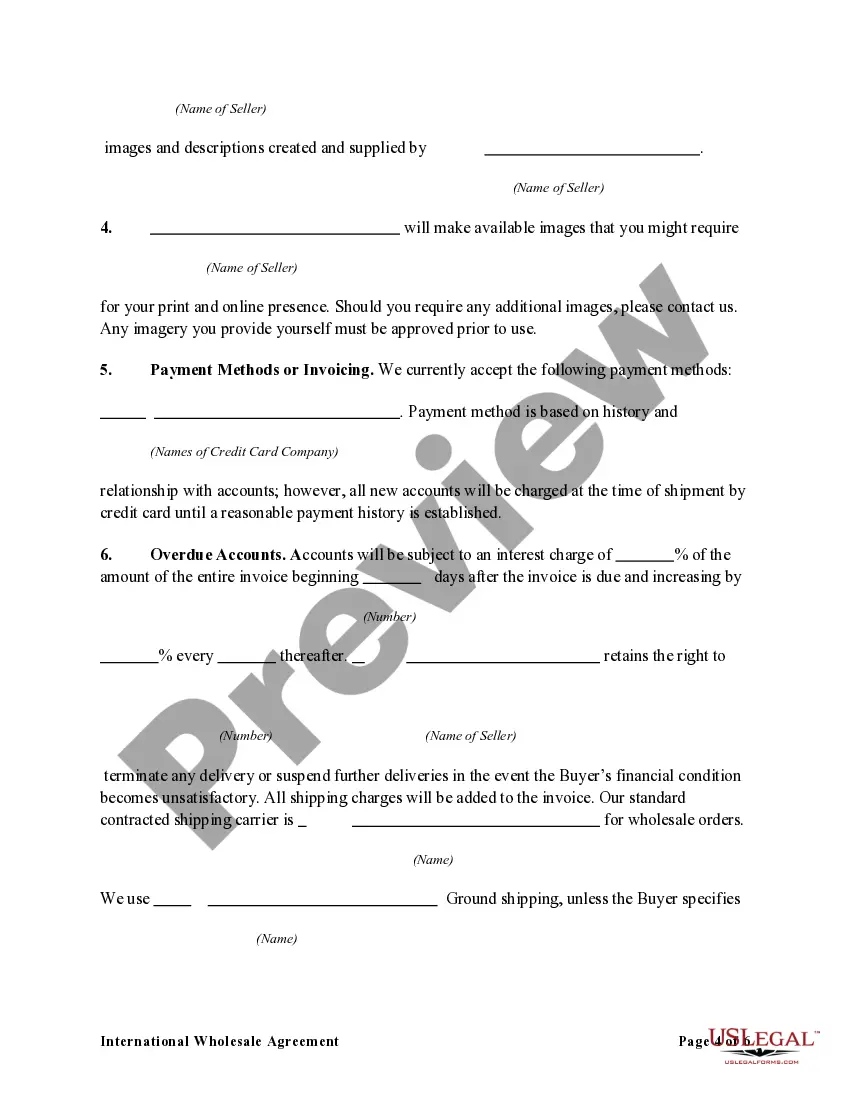
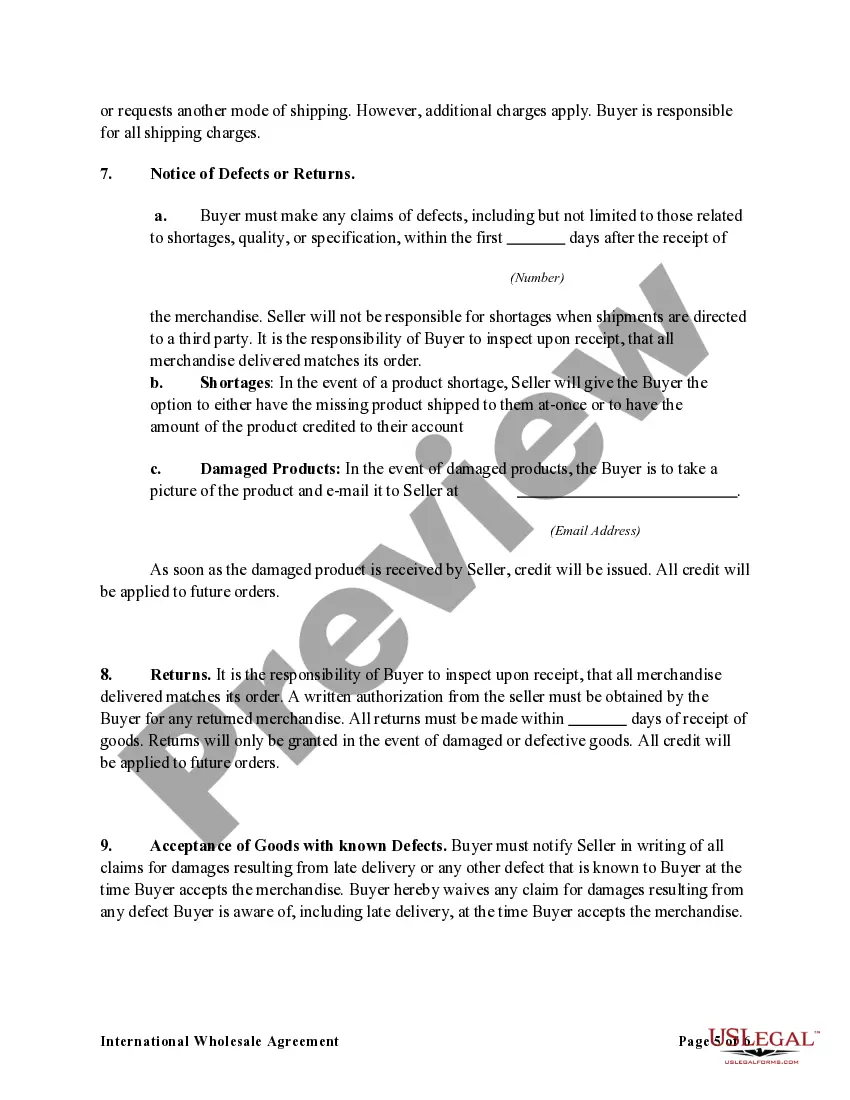
Get your form ready online
Our built-in tools help you complete, sign, share, and store your documents in one place.
Make edits, fill in missing information, and update formatting in US Legal Forms—just like you would in MS Word.
Download a copy, print it, send it by email, or mail it via USPS—whatever works best for your next step.
Sign and collect signatures with our SignNow integration. Send to multiple recipients, set reminders, and more. Go Premium to unlock E-Sign.
If this form requires notarization, complete it online through a secure video call—no need to meet a notary in person or wait for an appointment.
We protect your documents and personal data by following strict security and privacy standards.

Make edits, fill in missing information, and update formatting in US Legal Forms—just like you would in MS Word.

Download a copy, print it, send it by email, or mail it via USPS—whatever works best for your next step.

Sign and collect signatures with our SignNow integration. Send to multiple recipients, set reminders, and more. Go Premium to unlock E-Sign.

If this form requires notarization, complete it online through a secure video call—no need to meet a notary in person or wait for an appointment.

We protect your documents and personal data by following strict security and privacy standards.
Looking for another form?




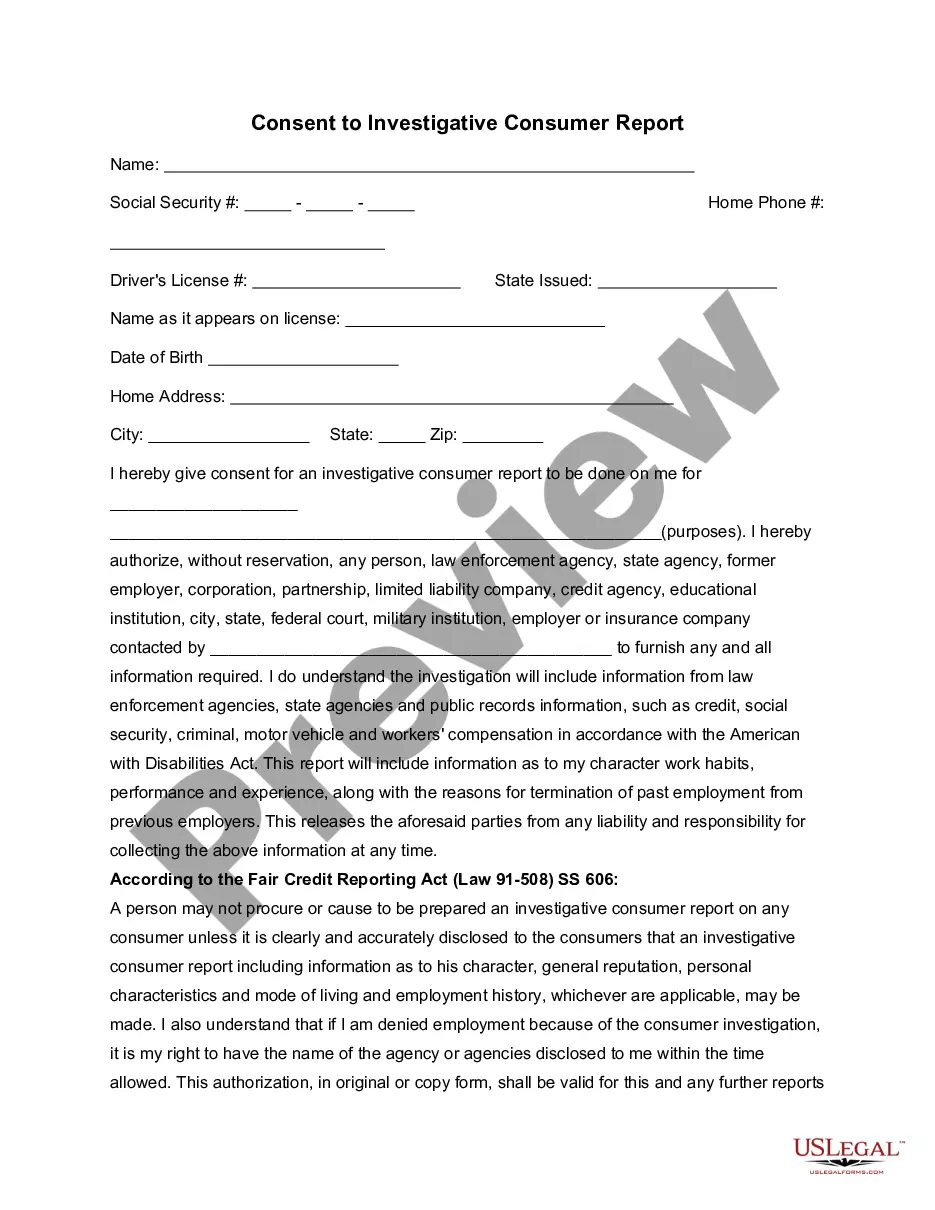

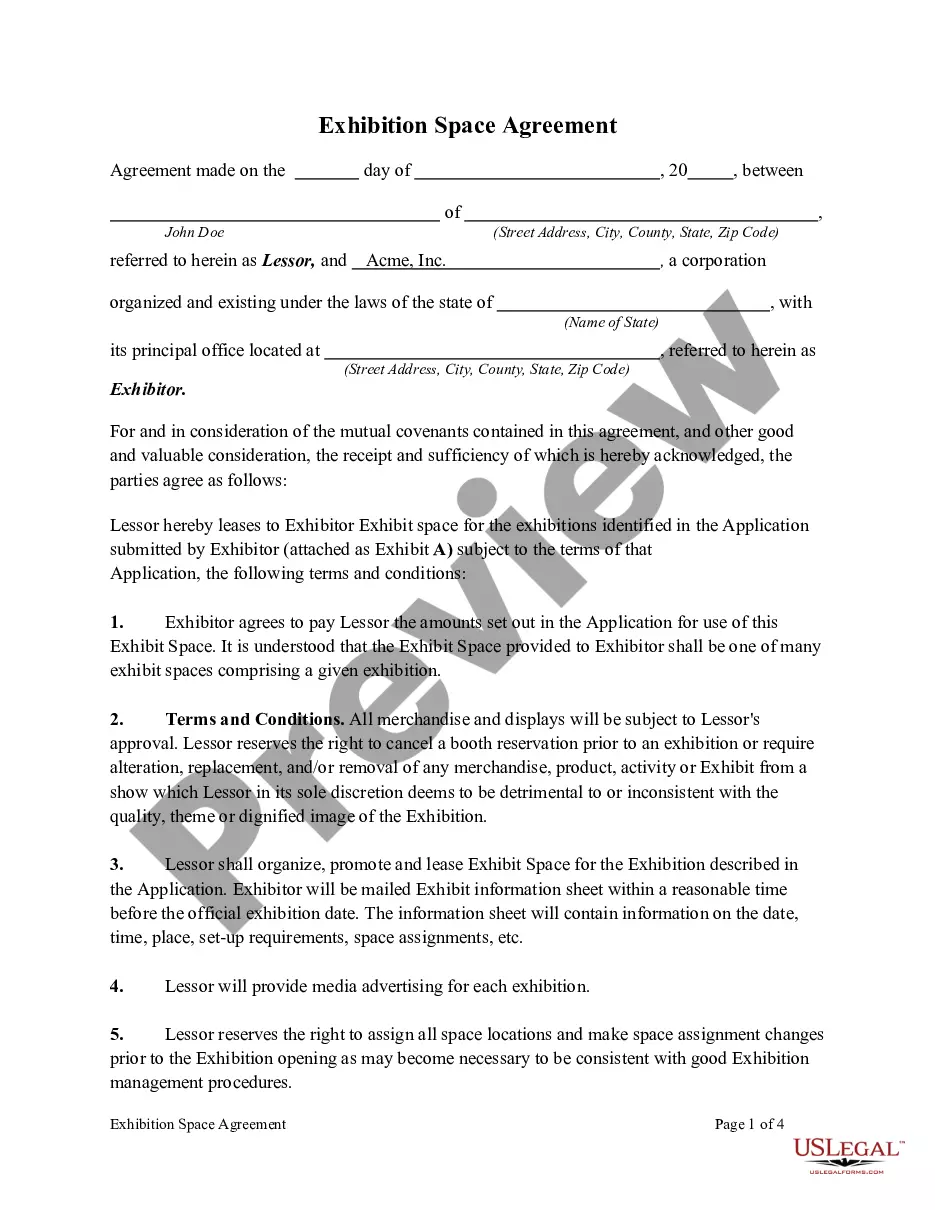
Form popularity
FAQ
Your local real estate investment association(s). Put an ad in Craigslist. Look for ``Bandit Signs.'' Most of the people who put up bandit signs are wholesalers, not rehabbers. Check Meetup. There are some very good groups on Facebook. Do an online search, making it local. Contact some investor-friendly Realtors.
"South Carolina passed a hard and fast law stating that wholesaling without a license is going to be illegal if you don't own the property as well."
The wholesaler contracts with the seller and structures the deal as a middleman. The buyer is buying the contract and, ultimately, the property.
Investors can unearth wholesale real estate deals that might not be readily visible to the general market by employing the following strategies: Driving for Dollars. Searching Public Records. Networking. Working with an Investor-Friendly Real Estate Agent. Finding a Wholesaling Partner. Using Online Real Estate Platforms.
While it's not strictly required, creating an LLC can bring significant perks to your wholesaling venture. For starters, it shields your personal assets from any business-related debts or legal troubles.
Real estate wholesaling requires minimal upfront capital compared to other real estate investment strategies, making it attractive to beginners. However, it demands a deep understanding of the local real estate market, strong negotiation skills and a robust network of potential buyers.
A contract has to be understandable for all parties and it should not be necessary to contact a lawyer in order to comprehend one's contracts. Generally, the contract should be precise, clear and stringent. Law has traditionally been associated with legalese - a very stiff and formal style.
Here are the key elements to include in your wholesale contract template: Parties Involved: Names of the seller(s) and buyer(s), along with their signatures. Legal Description: Property description, street address, assessor parcel number (APN), and type of property.
