Wholesale Agreement Contract For Chef In Bronx
Description

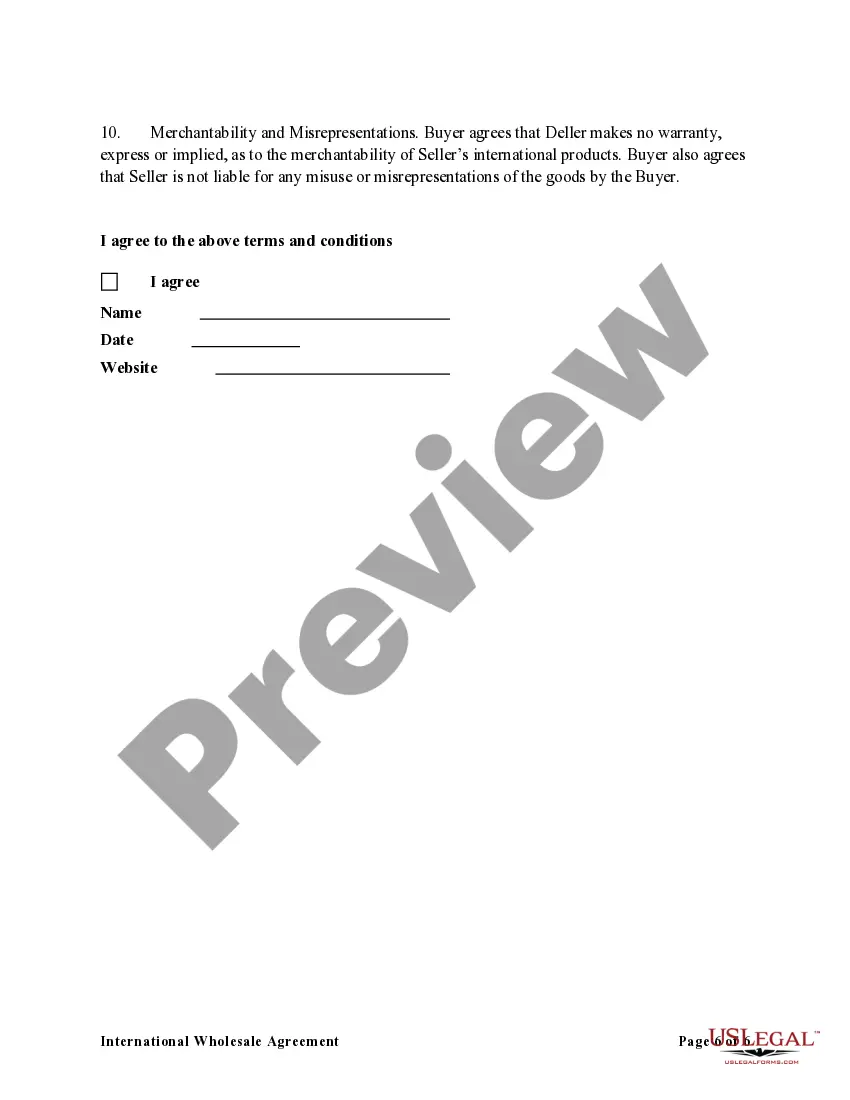
Get your form ready online
Our built-in tools help you complete, sign, share, and store your documents in one place.
Make edits, fill in missing information, and update formatting in US Legal Forms—just like you would in MS Word.
Download a copy, print it, send it by email, or mail it via USPS—whatever works best for your next step.
Sign and collect signatures with our SignNow integration. Send to multiple recipients, set reminders, and more. Go Premium to unlock E-Sign.
If this form requires notarization, complete it online through a secure video call—no need to meet a notary in person or wait for an appointment.
We protect your documents and personal data by following strict security and privacy standards.

Make edits, fill in missing information, and update formatting in US Legal Forms—just like you would in MS Word.

Download a copy, print it, send it by email, or mail it via USPS—whatever works best for your next step.

Sign and collect signatures with our SignNow integration. Send to multiple recipients, set reminders, and more. Go Premium to unlock E-Sign.

If this form requires notarization, complete it online through a secure video call—no need to meet a notary in person or wait for an appointment.

We protect your documents and personal data by following strict security and privacy standards.
Looking for another form?



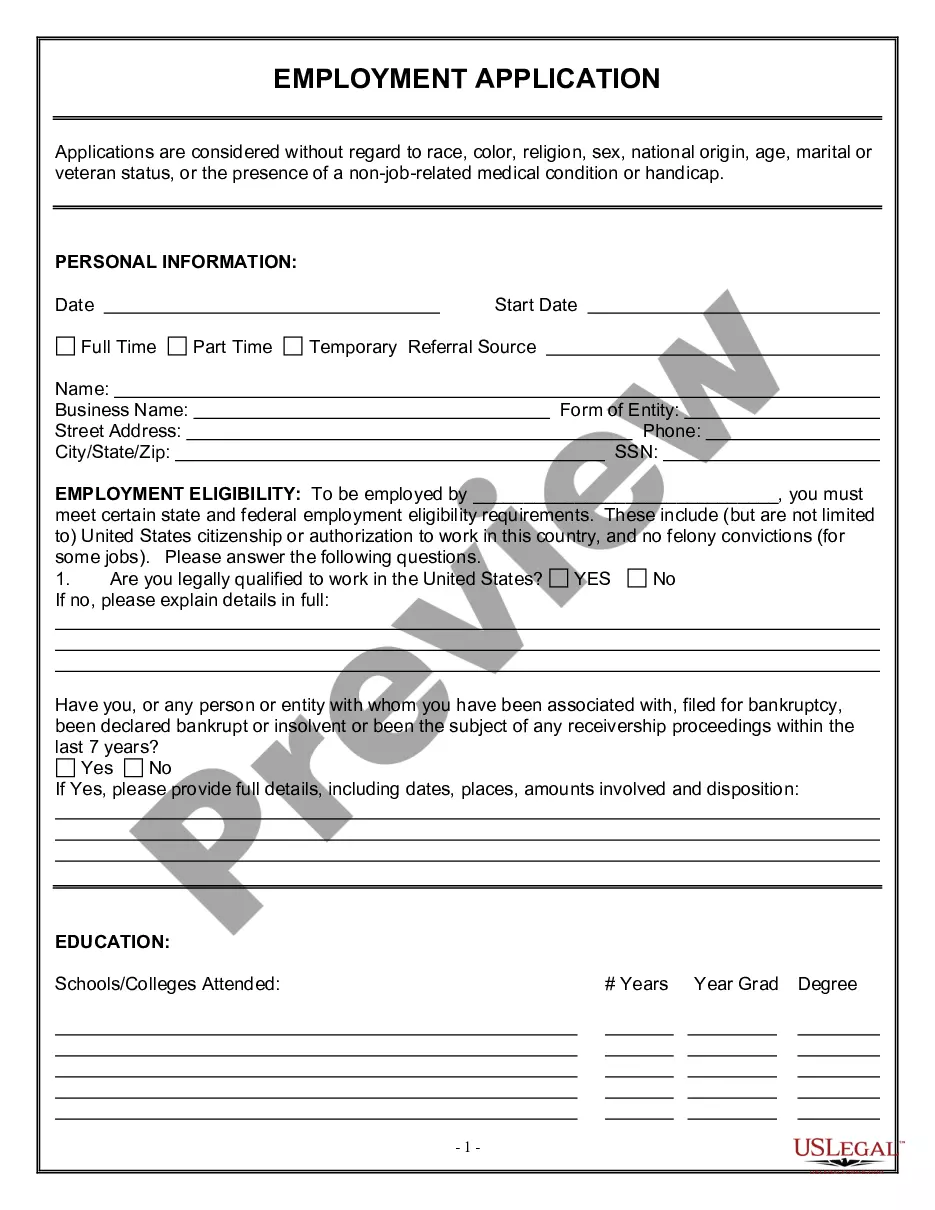

Form popularity
FAQ
A wholesale agreement is a contract that transfers the ownership of goods from an original seller to the buyer through an intermediary, called the wholesaler. In this type of agreement, the original seller sells the product to the wholesaler.
For example, a wholesaler finds a motivated homeowner and gets a distressed property under contract for $200,000. Then, they market the property to their buyers list. A flipper sees potential and agrees to buy the home for $210,000.
Published . A wholesale agreement binds a supplier and a customer and establishes the business's rights and obligations between the two parties.
The wholesaler contracts with the seller and structures the deal as a middleman. The buyer is buying the contract and, ultimately, the property.
Investors can unearth wholesale real estate deals that might not be readily visible to the general market by employing the following strategies: Driving for Dollars. Searching Public Records. Networking. Working with an Investor-Friendly Real Estate Agent. Finding a Wholesaling Partner. Using Online Real Estate Platforms.
On average, profit per wholesale deal typically ranges from $5,000 to $20,000, though it can be higher or lower. Wholesaling real estate presents investors with a unique profit avenue without the typical property investment.
But in most cases, sellers can find legal justification to back out of a deal if they have included clauses in their contract and are motivated to void the agreement. This can happen for many reasons such as: The owner got a higher offer from another buyer outside of the wholesale contract.
A wholesaling deal typically takes anywhere from a few days to a few weeks to close. The timeline depends on factors like the speed of contract negotiation, finding an end buyer, and completing due diligence. On average, you can expect the process to take around 15 to 30 days.
