Formal Agreement Example In Wake
Description

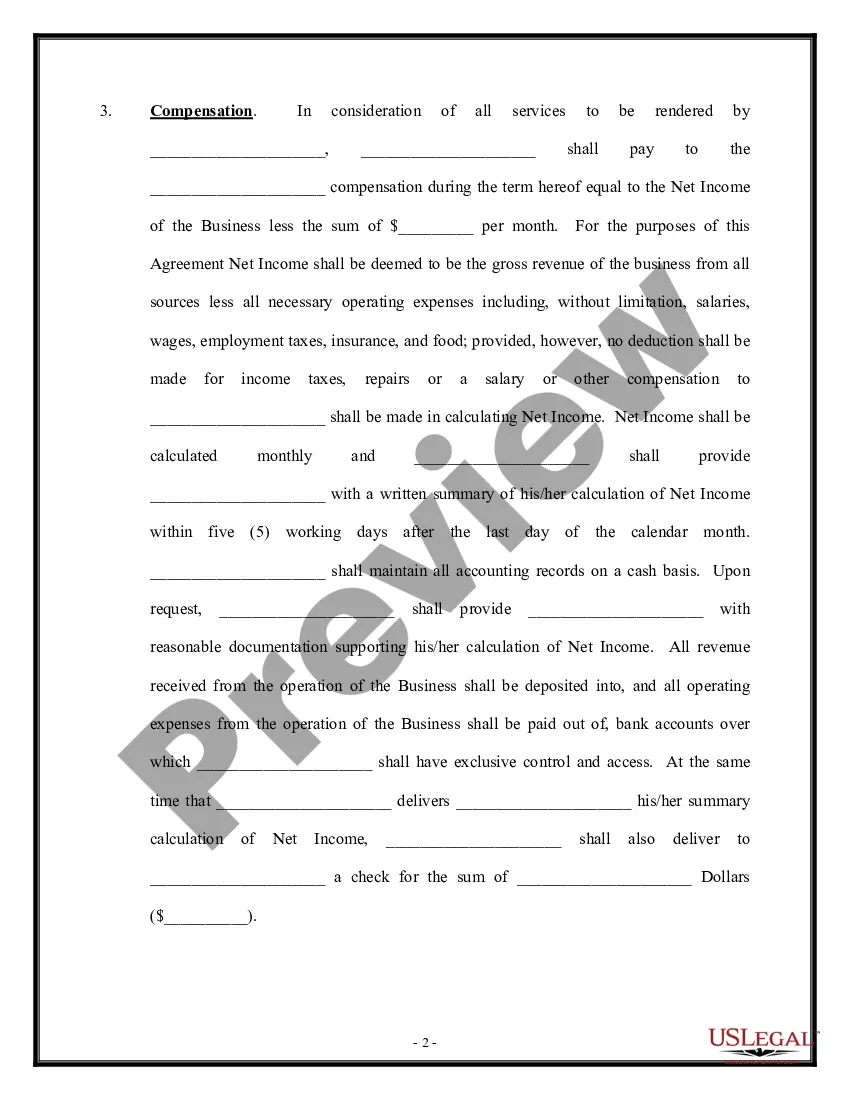
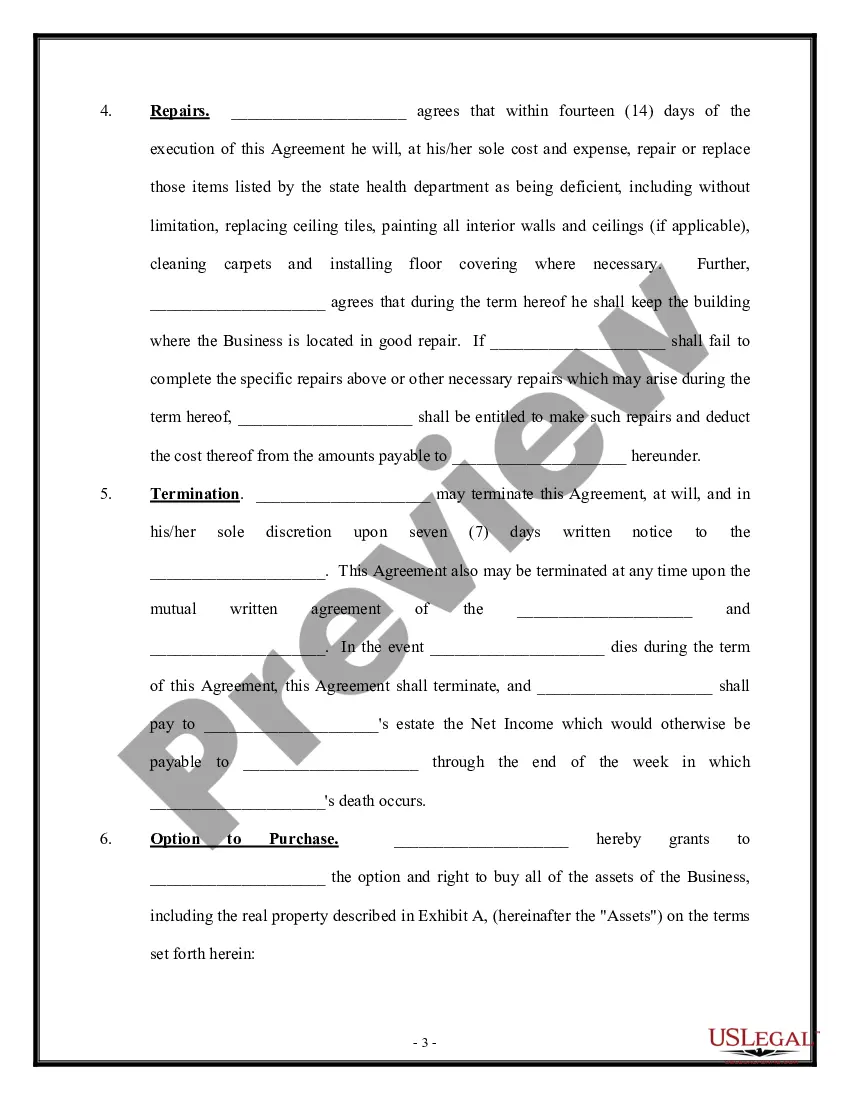
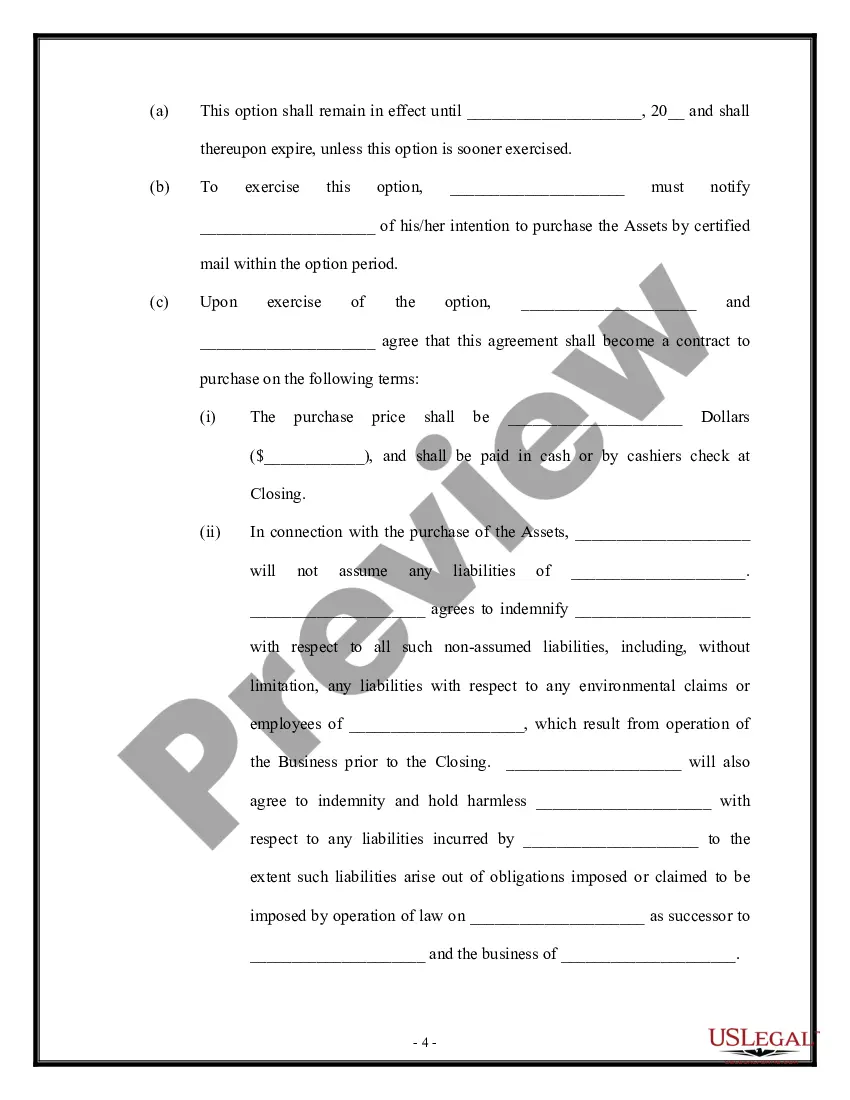
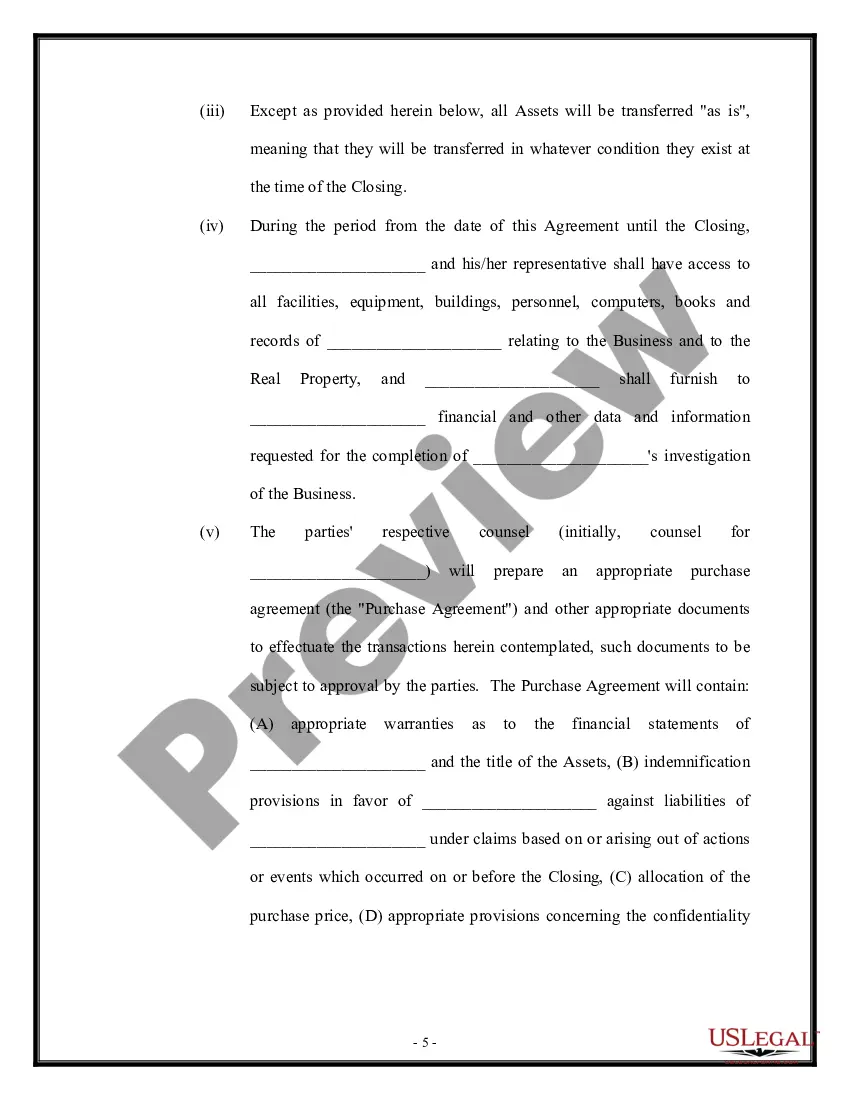
Get your form ready online
Our built-in tools help you complete, sign, share, and store your documents in one place.
Make edits, fill in missing information, and update formatting in US Legal Forms—just like you would in MS Word.
Download a copy, print it, send it by email, or mail it via USPS—whatever works best for your next step.
Sign and collect signatures with our SignNow integration. Send to multiple recipients, set reminders, and more. Go Premium to unlock E-Sign.
If this form requires notarization, complete it online through a secure video call—no need to meet a notary in person or wait for an appointment.
We protect your documents and personal data by following strict security and privacy standards.

Make edits, fill in missing information, and update formatting in US Legal Forms—just like you would in MS Word.

Download a copy, print it, send it by email, or mail it via USPS—whatever works best for your next step.

Sign and collect signatures with our SignNow integration. Send to multiple recipients, set reminders, and more. Go Premium to unlock E-Sign.

If this form requires notarization, complete it online through a secure video call—no need to meet a notary in person or wait for an appointment.

We protect your documents and personal data by following strict security and privacy standards.
Looking for another form?





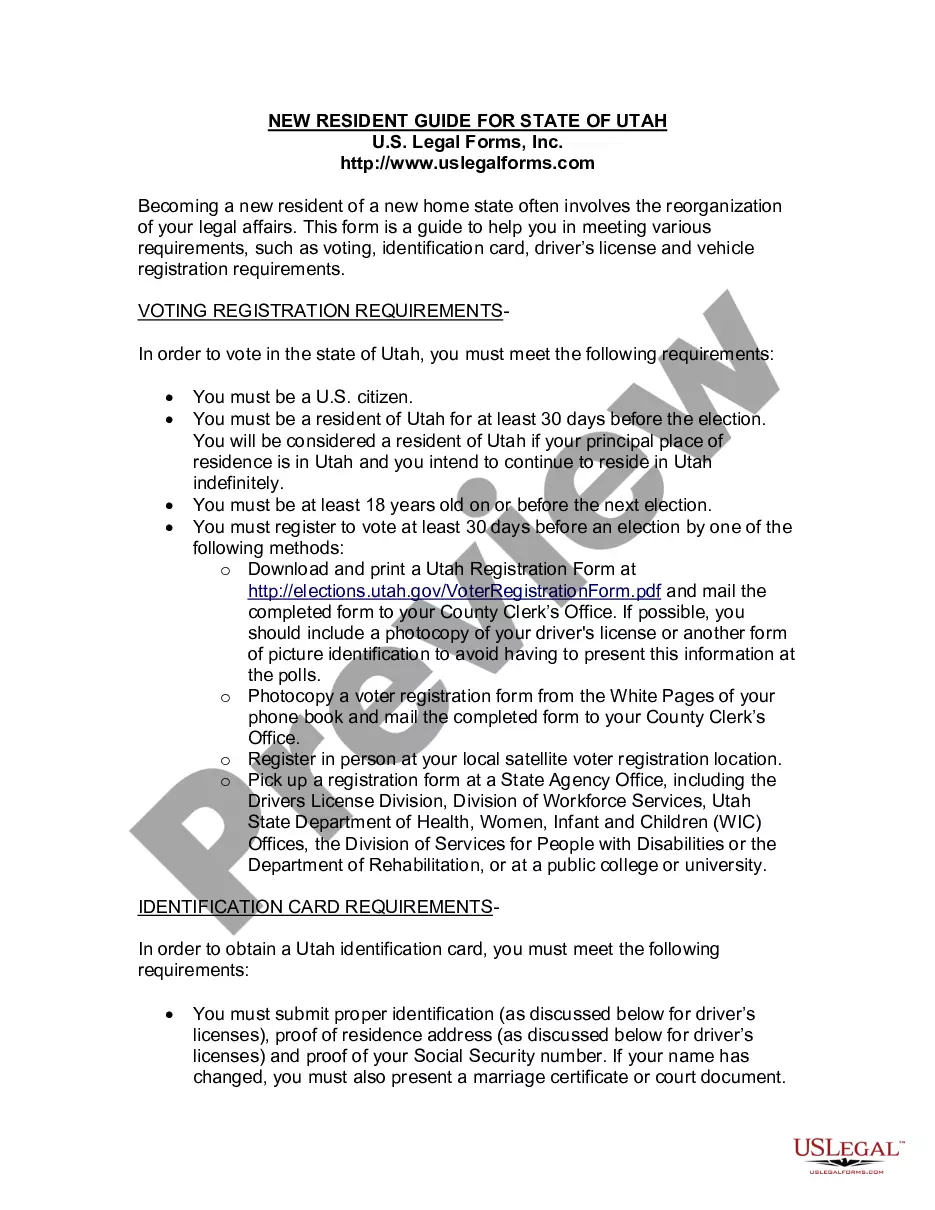


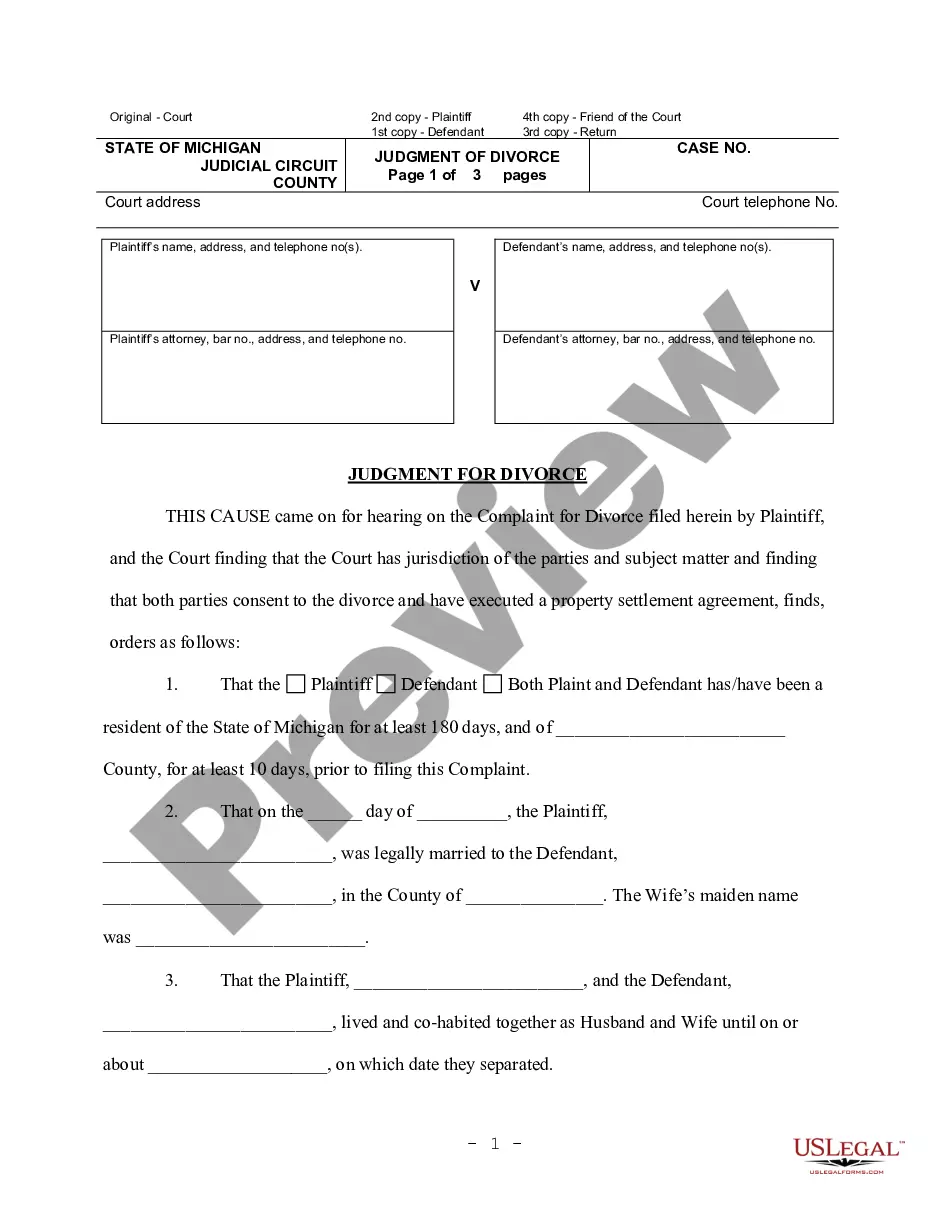
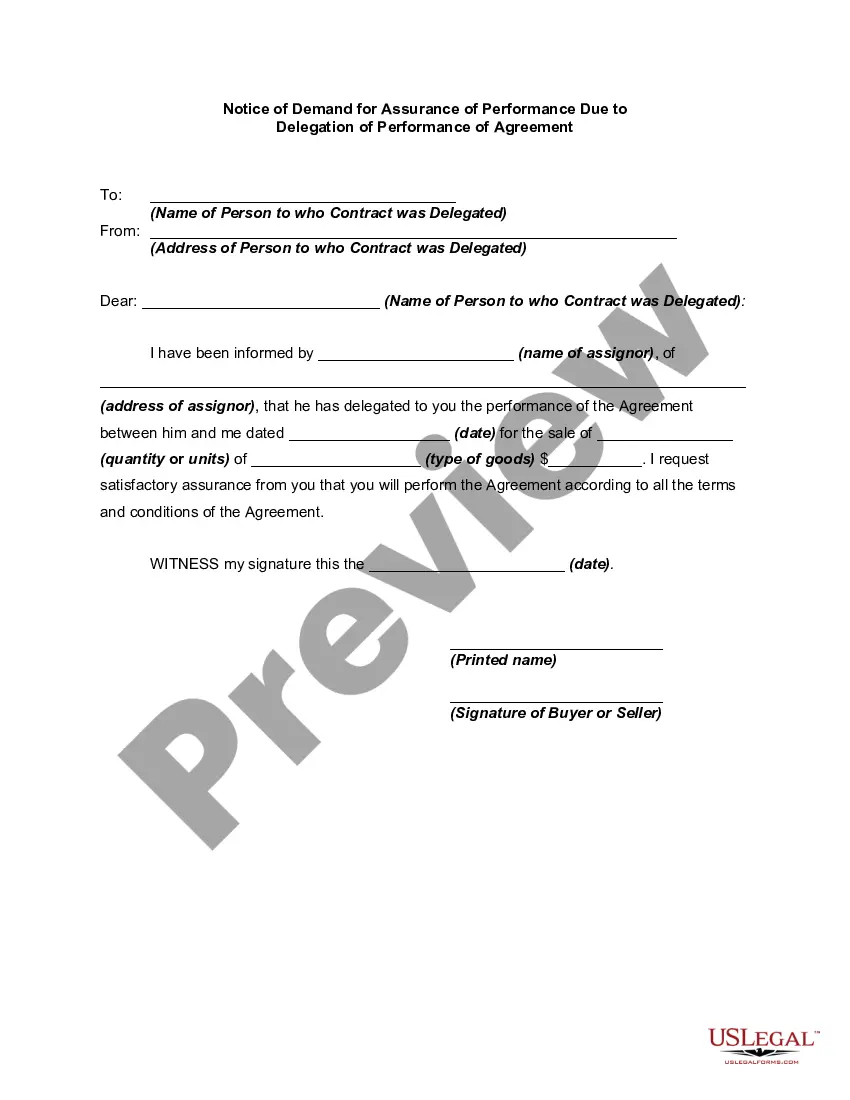
Form popularity
FAQ
An agreement is a promise or arrangement between two or more parties to do, or not do, something. It's usually informal and sometimes unwritten (but not always). Some examples of agreements include a letter of intent, or a confidentiality agreement that precedes a commercial discussion.
A contract is a formal, legally binding agreement made between two parties with a common interest in mind. This creates “mutual obligations that are enforceable by law.”
Write the contract in six steps Start with a contract template. Open with the basic information. Describe in detail what you have agreed to. Include a description of how the contract will be ended. Write into the contract which laws apply and how disputes will be resolved. Include space for signatures.
A formal contract is a contract where the parties have signed under seal, while an informal contract is one not under seal. A seal can be any impression made upon the document by the parties to the contract. This was traditionally done in wax stating the intentions of the parties to be bound by the contract.
Both parties have to mutually assent and be legally able to enter a contract, while the agreement has to follow the laws and regulations in your state or country. Ideally, an informal contract should also be witnessed by a third party to be legally enforceable.
Informal contracts are agreements between two or more parties that establish obligations without the need for a formal written document. They rely on mutual understanding and trust, forming the foundation of many everyday transactions.
Informal contracts generally become legally binding contracts when there is: Mutual assent: This is fairly objective and can be shown when both parties agree to a singular offer. This can be either simple or complex. Consideration: This element conveys the intent between both parties toward the agreement.
Write the contract in six steps Start with a contract template. Open with the basic information. Describe in detail what you have agreed to. Include a description of how the contract will be ended. Write into the contract which laws apply and how disputes will be resolved. Include space for signatures.
A formal agreement requires a signed document in addition to verbal consent. If this written contract does not exist, the formal agreement is not legally enforceable. An agreement refers to any understanding between at least two parties regarding specific responsibilities and rights.
