Operating Agreement Template For Llc In Tarrant
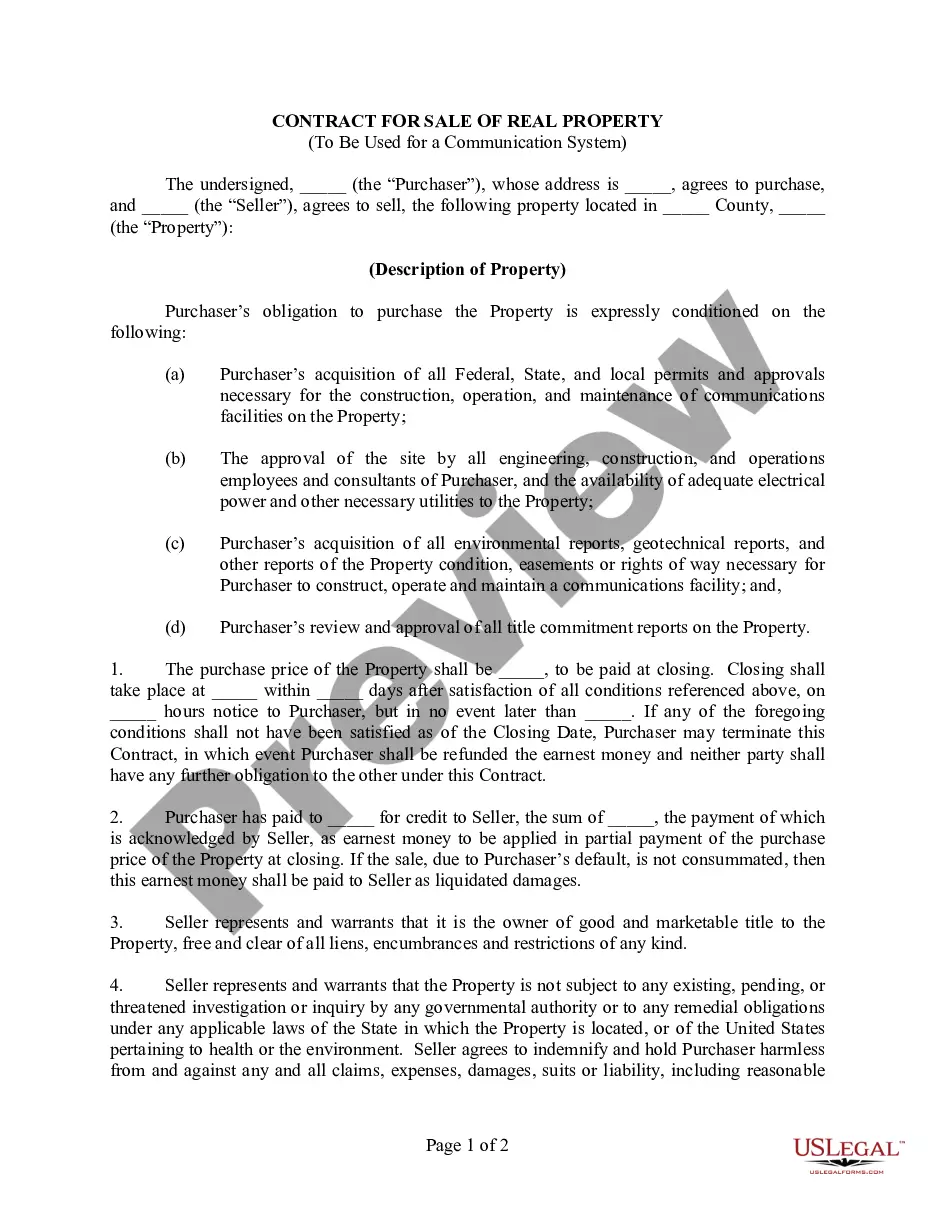
Description

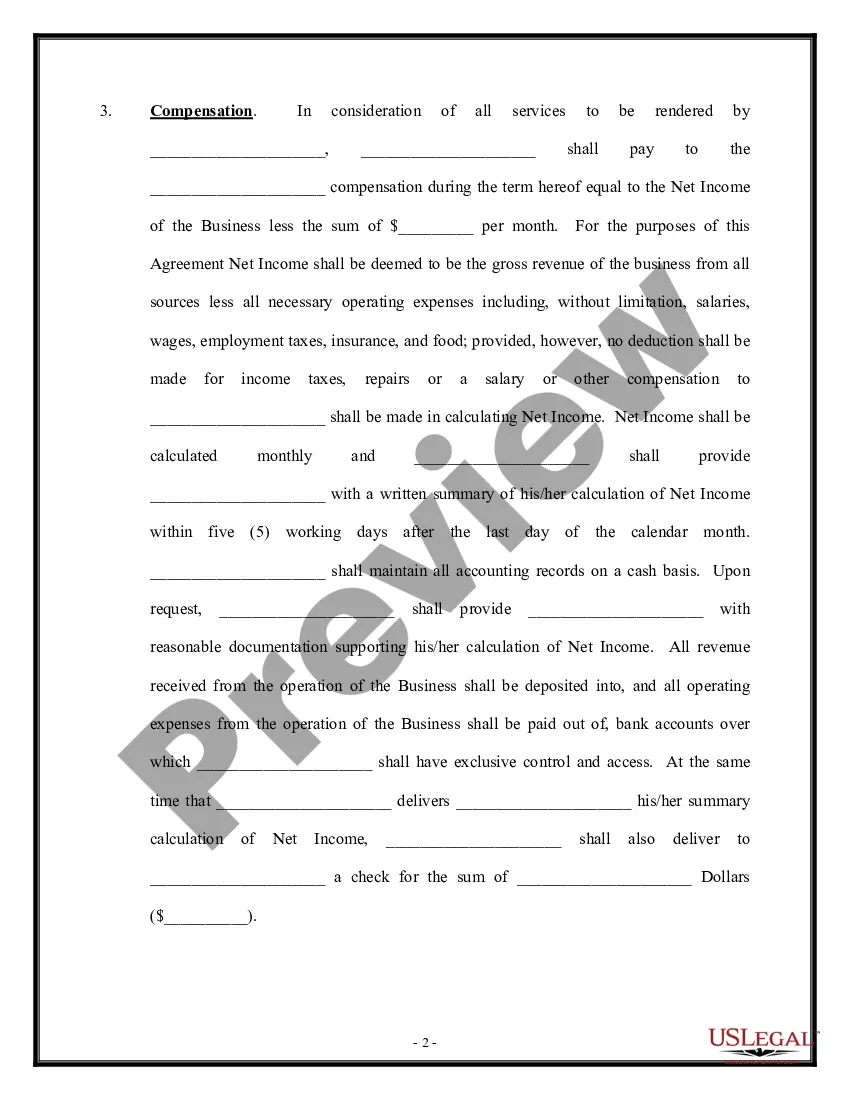
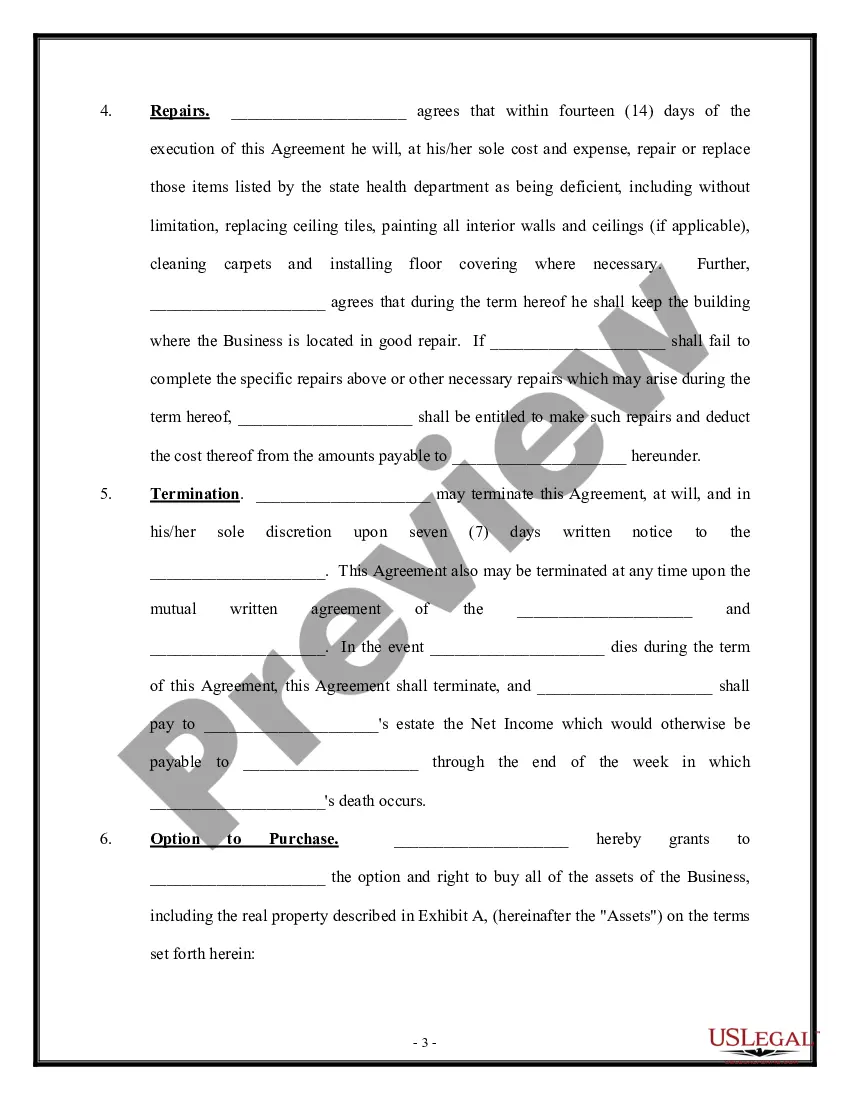
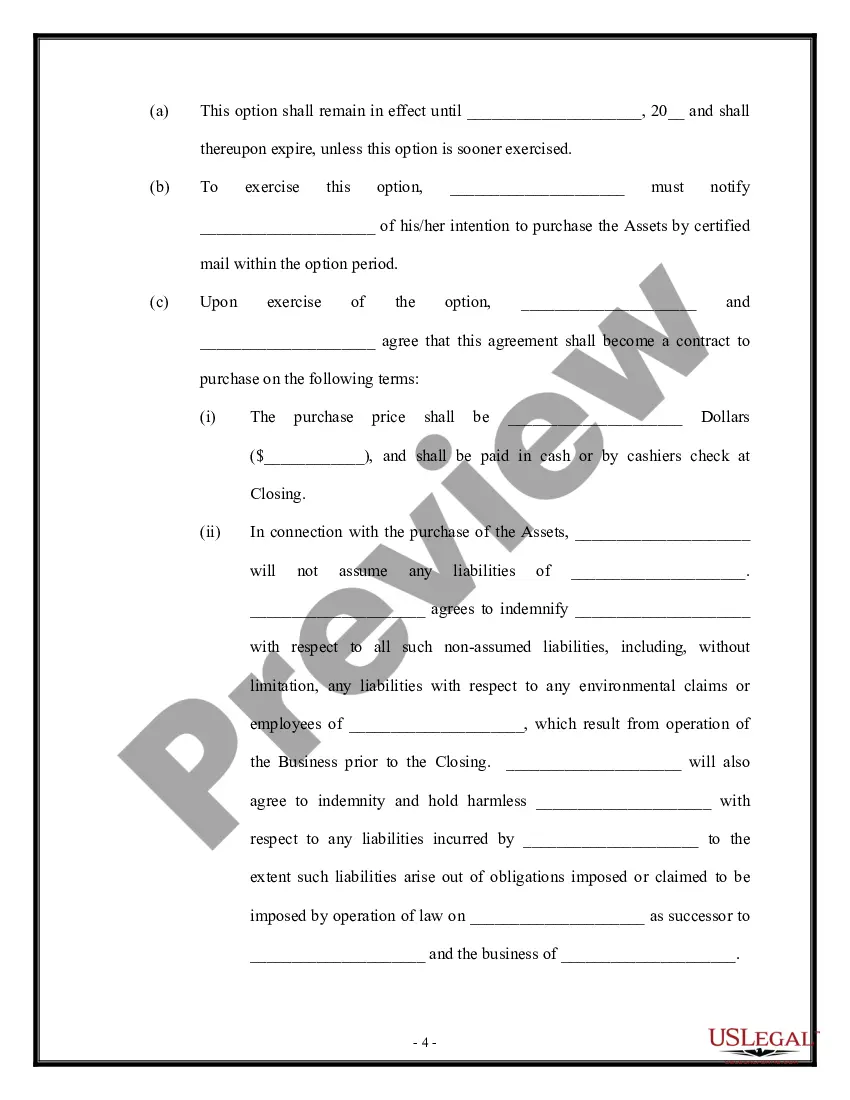
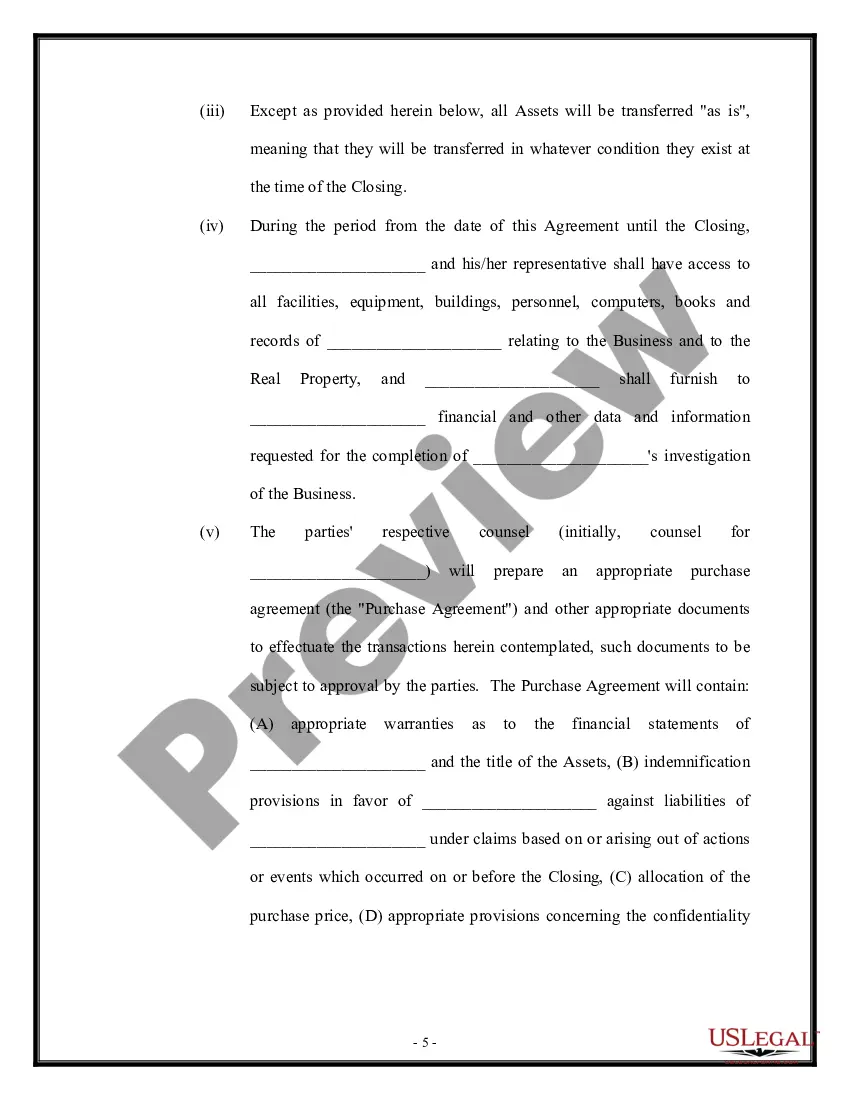
Get your form ready online
Our built-in tools help you complete, sign, share, and store your documents in one place.
Make edits, fill in missing information, and update formatting in US Legal Forms—just like you would in MS Word.
Download a copy, print it, send it by email, or mail it via USPS—whatever works best for your next step.
Sign and collect signatures with our SignNow integration. Send to multiple recipients, set reminders, and more. Go Premium to unlock E-Sign.
If this form requires notarization, complete it online through a secure video call—no need to meet a notary in person or wait for an appointment.
We protect your documents and personal data by following strict security and privacy standards.

Make edits, fill in missing information, and update formatting in US Legal Forms—just like you would in MS Word.

Download a copy, print it, send it by email, or mail it via USPS—whatever works best for your next step.

Sign and collect signatures with our SignNow integration. Send to multiple recipients, set reminders, and more. Go Premium to unlock E-Sign.

If this form requires notarization, complete it online through a secure video call—no need to meet a notary in person or wait for an appointment.

We protect your documents and personal data by following strict security and privacy standards.
Looking for another form?









Form popularity
FAQ
California is one of the few states that legally require an LLC to have an Operating Agreement. It's recommended that you have a completed Operating Agreement within 90 days after filing the Articles of Organization.
Increased Legal Vulnerability: An operating agreement strengthens the LLC's limited liability status, protecting your personal assets from business debts. Without it, there's a higher risk of personal liability for business obligations if the LLC is sued.
Default State Laws Apply: Without an operating agreement, the LLC will be subject to the default state laws governing LLCs in the state where it is formed. These laws vary from state to state and may not necessarily reflect the wishes or intentions of the LLC members.
If you're forming—or have formed—an LLC in California, New York, Missouri, Maine, or Delaware, state laws require you to create an LLC Operating Agreement. But no matter what state you're in, it's always a good idea to create a formal agreement between LLC members.
Why do you need an operating agreement? To protect the business' limited liability status: Operating agreements give members protection from personal liability to the LLC. Without this specific formality, your LLC can closely resemble a sole proprietorship or partnership, jeopardizing your personal liability.
How to create an LLC operating agreement in 9 steps Decide between a template or an attorney. Include your business information. List your LLC's members. Choose a management structure. Outline ownership transfers and dissolution. Determine tax structure. Gather LLC members to sign the agreement. Distribute copies.
LLC members may prepare and sign their own operating agreement. There is no obligation to use one prepared by a lawyer or an online filing service (though a lawyer-prepared agreement is most likely to be written correctly).
No requirement exists under Texas law for a Texas LLC to create an operating agreement. However, it is recommended. Both sole owners and multi-members benefit from a Texas LLC operating agreement.
How to create an LLC operating agreement in 9 steps Decide between a template or an attorney. Include your business information. List your LLC's members. Choose a management structure. Outline ownership transfers and dissolution. Determine tax structure. Gather LLC members to sign the agreement. Distribute copies.
What To Include in a Single-Member LLC Operating Agreement Name of LLC. Principal Place of Business. State of Organization/Formation. Registered Office and Registered Agent. Operating the LLC in Another State (Foreign LLC) Duration of LLC. Purpose of LLC. Powers of LLC.
