All Business Purchase Format In Tarrant
Description


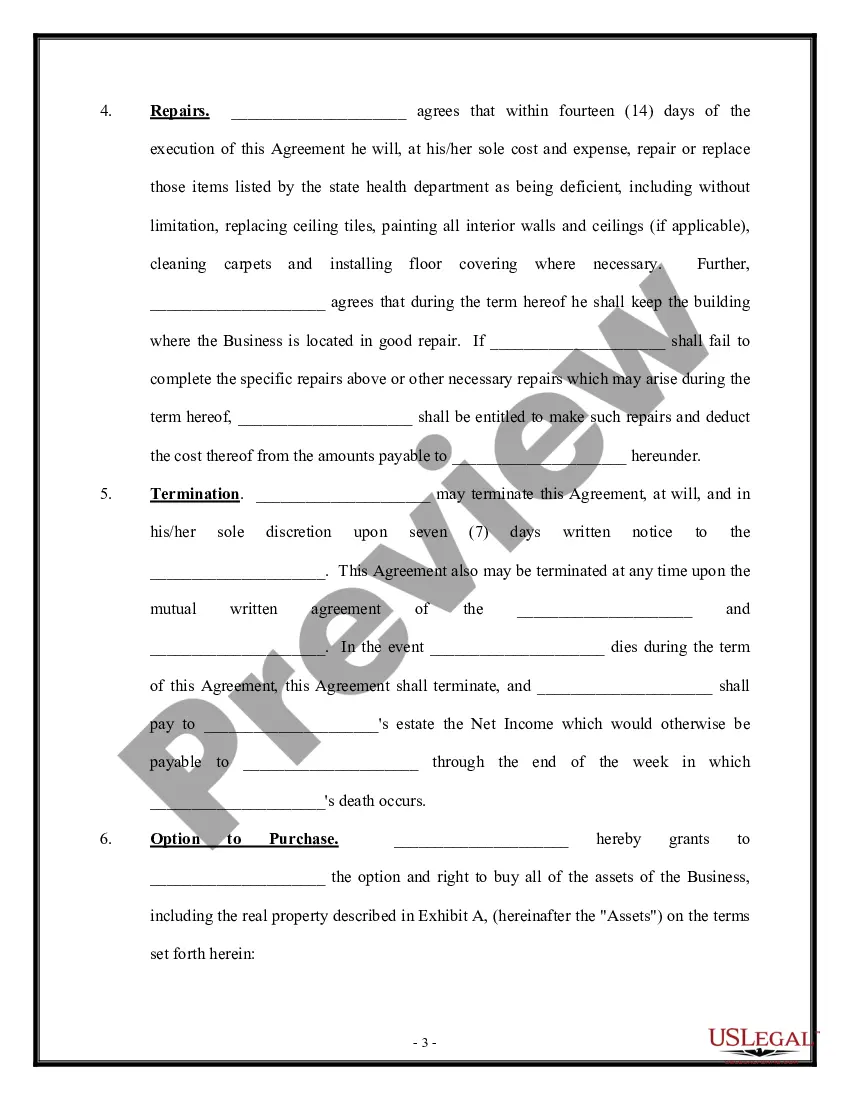
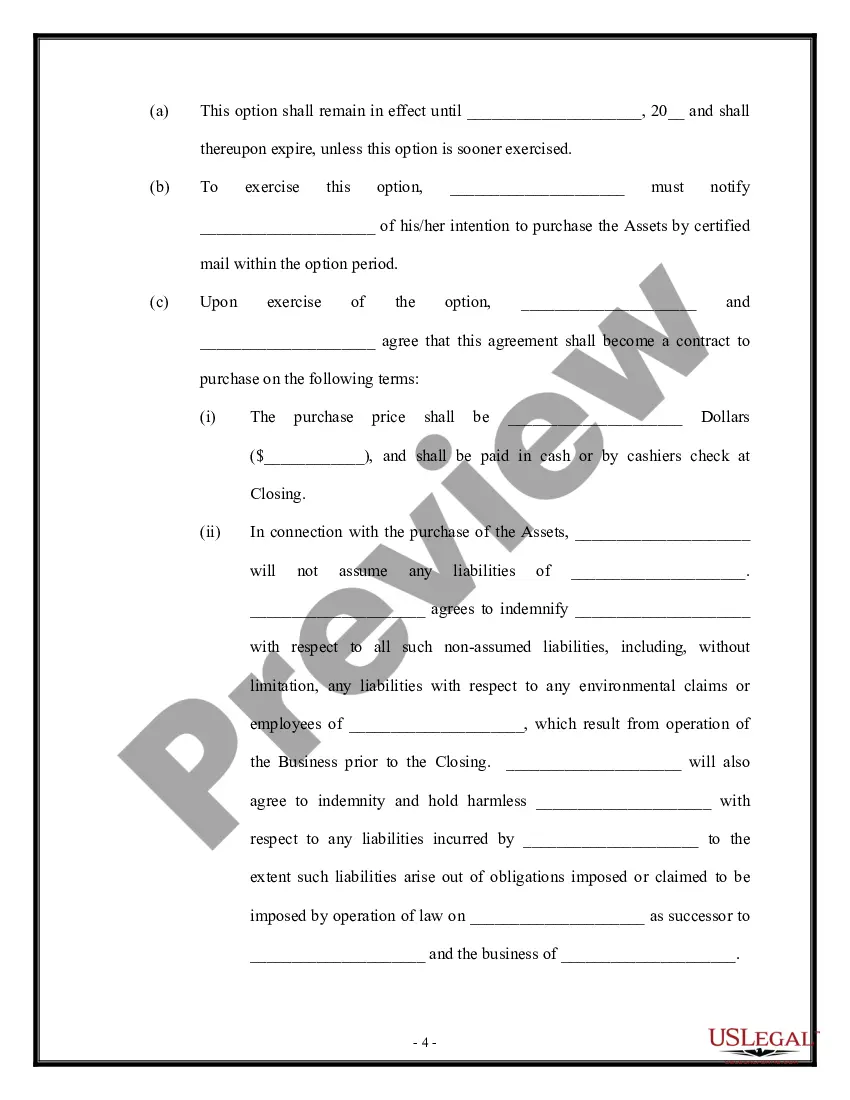
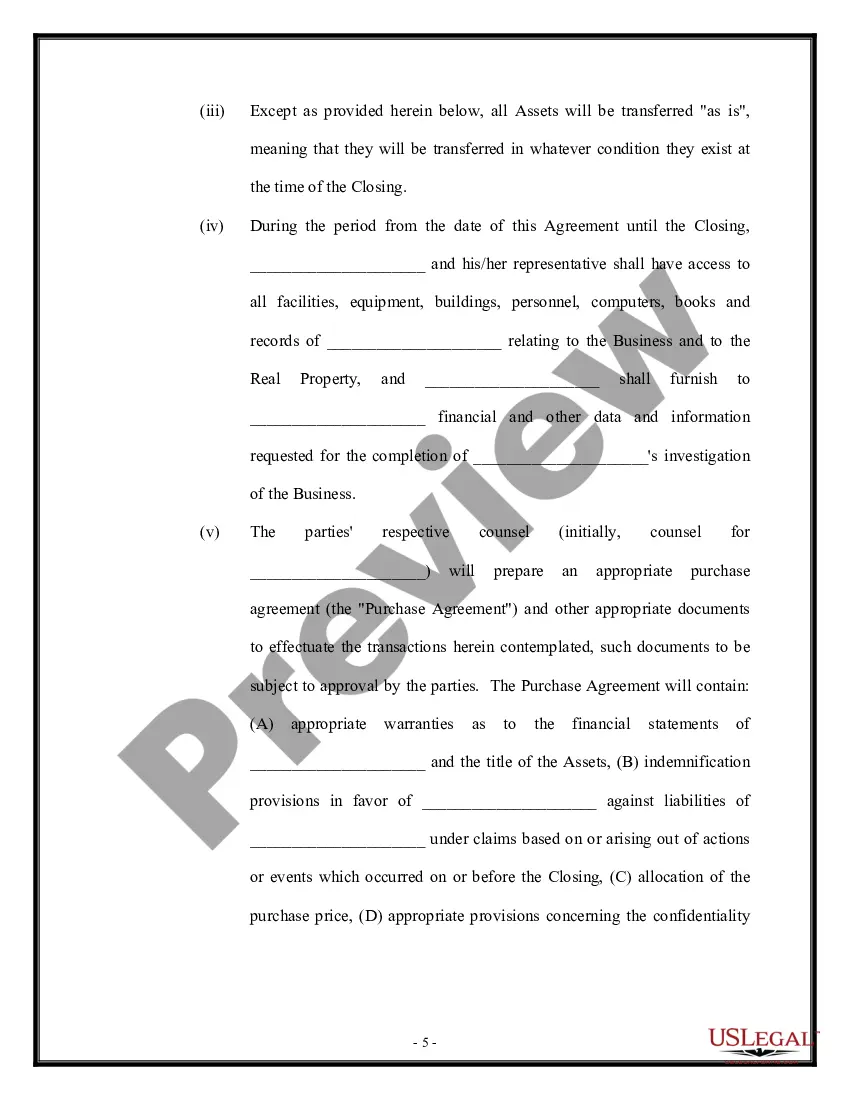
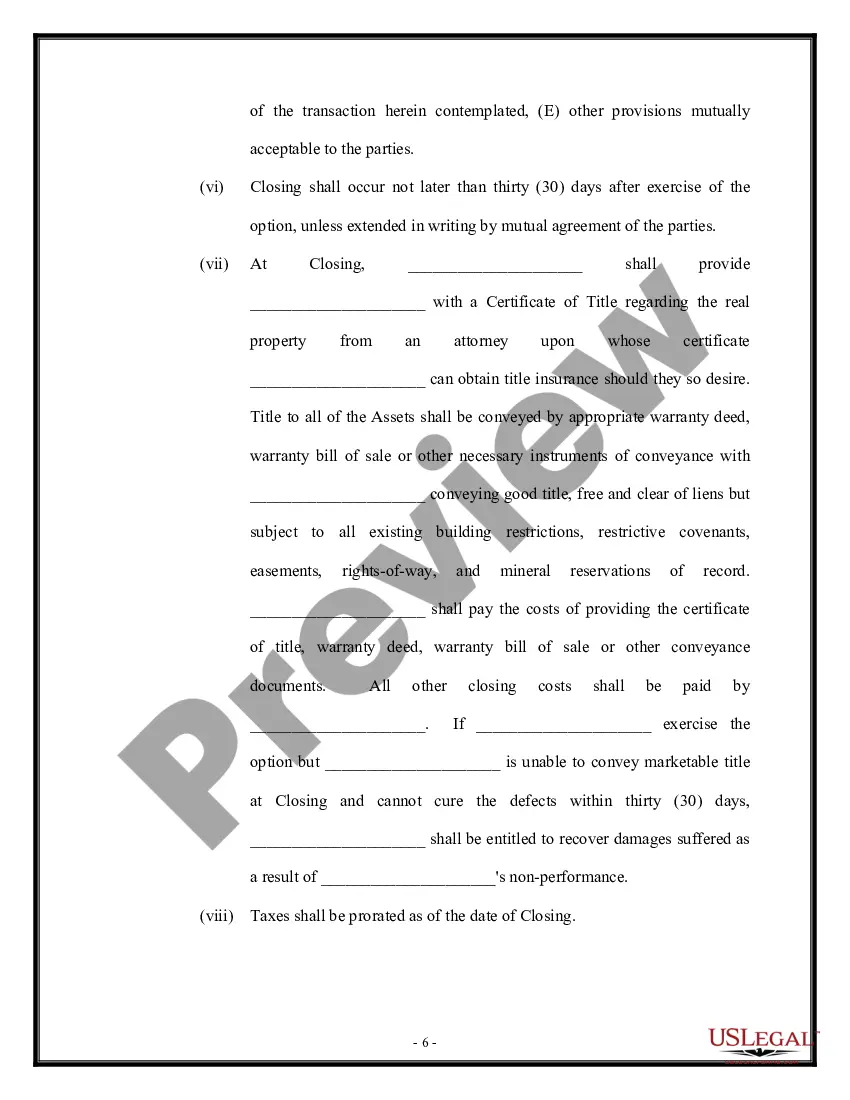

Get your form ready online
Our built-in tools help you complete, sign, share, and store your documents in one place.
Make edits, fill in missing information, and update formatting in US Legal Forms—just like you would in MS Word.
Download a copy, print it, send it by email, or mail it via USPS—whatever works best for your next step.
Sign and collect signatures with our SignNow integration. Send to multiple recipients, set reminders, and more. Go Premium to unlock E-Sign.
If this form requires notarization, complete it online through a secure video call—no need to meet a notary in person or wait for an appointment.
We protect your documents and personal data by following strict security and privacy standards.

Make edits, fill in missing information, and update formatting in US Legal Forms—just like you would in MS Word.

Download a copy, print it, send it by email, or mail it via USPS—whatever works best for your next step.

Sign and collect signatures with our SignNow integration. Send to multiple recipients, set reminders, and more. Go Premium to unlock E-Sign.

If this form requires notarization, complete it online through a secure video call—no need to meet a notary in person or wait for an appointment.

We protect your documents and personal data by following strict security and privacy standards.
Looking for another form?





Form popularity
FAQ
Choosing a California LLC or S Corp An LLC will be less expensive and simpler to set up. It will also be easier to maintain and to keep in compliance with the law. On the other hand, S Corps are more logical in some cases.
Typically, there are four main types of businesses: Sole Proprietorships, Partnerships, Limited Liability Companies (LLC), and Corporations.
The most common forms of business are the sole proprietorship, partnership, corporation, and S corporation. A limited liability company (LLC) is a business structure allowed by state statute.
Sole proprietorships are set up to allow individuals to own and operate a business by themselves. A sole proprietor has total control, receives all profits from, and is responsible for taxes and liabilities of the business.
Sole trader – the simplest structure, gives you full control. company – more complex, limits your liability because it's a separate legal entity. partnership – made up of 2 or more people who distribute income or losses. trust – where a trustee is responsible for business operations.
The most common forms of business are the sole proprietorship, partnership, corporation, and S corporation. A limited liability company (LLC) is a business structure allowed by state statute. Legal and tax considerations enter into selecting a business structure.
